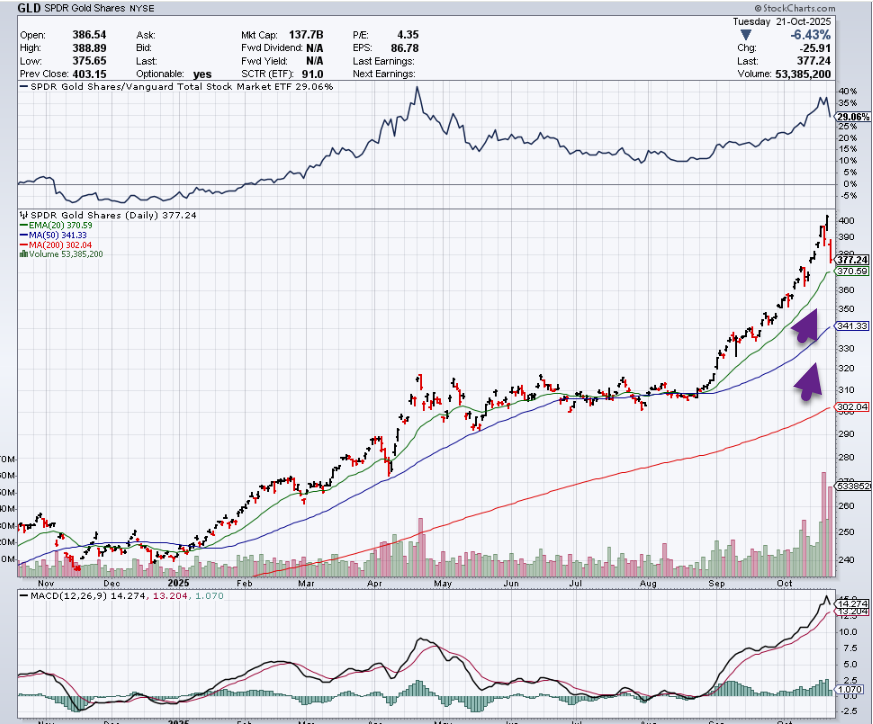
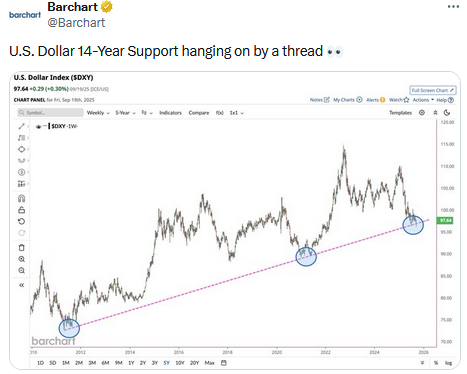
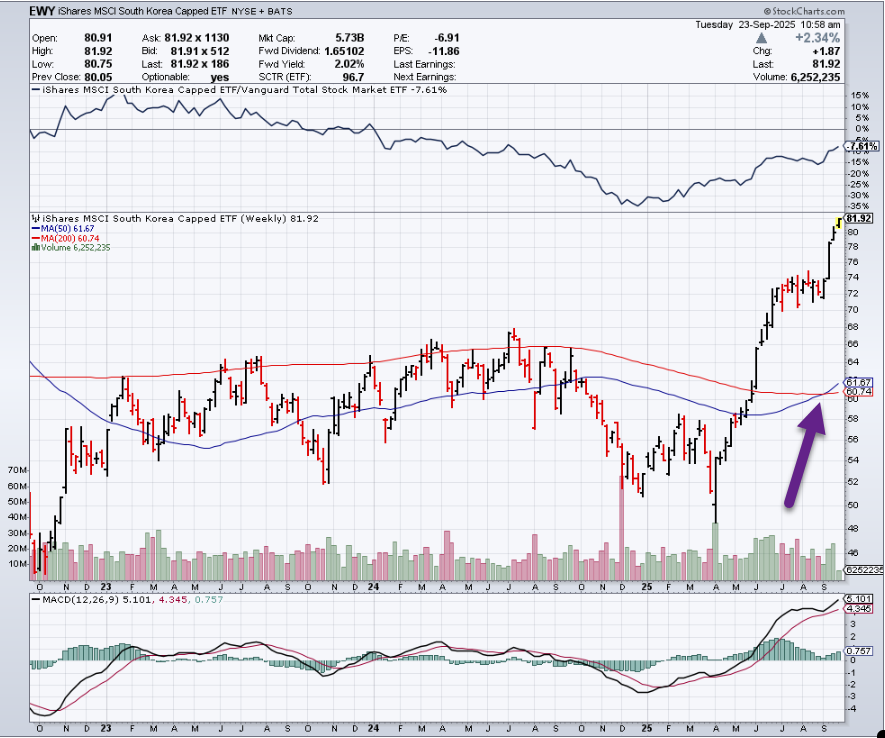
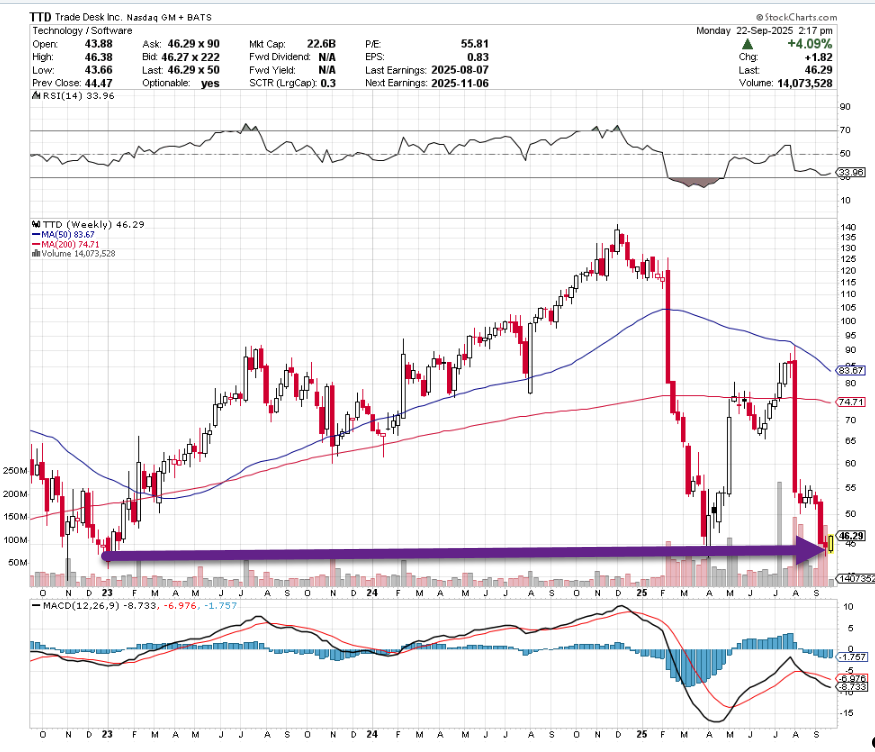
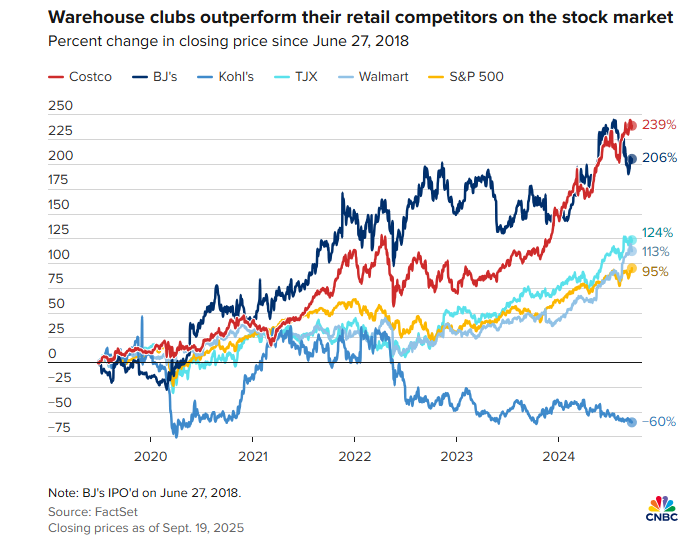
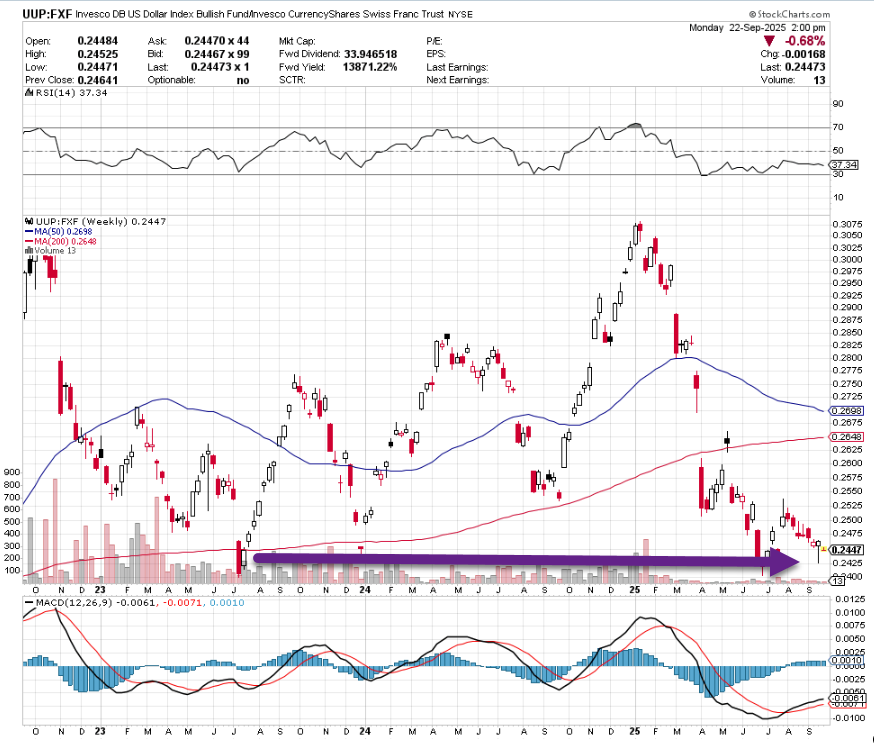
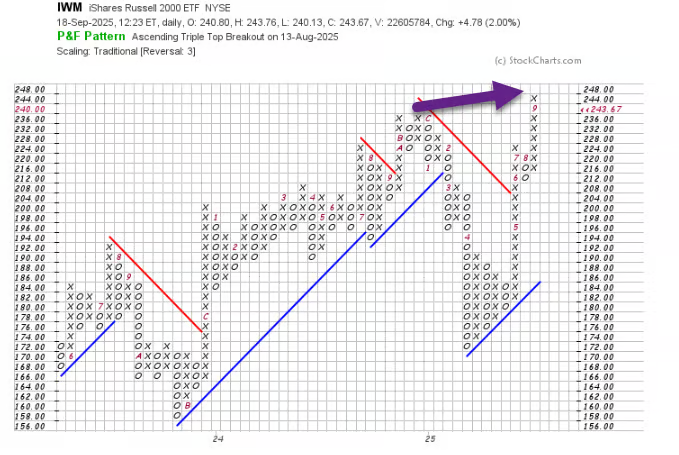
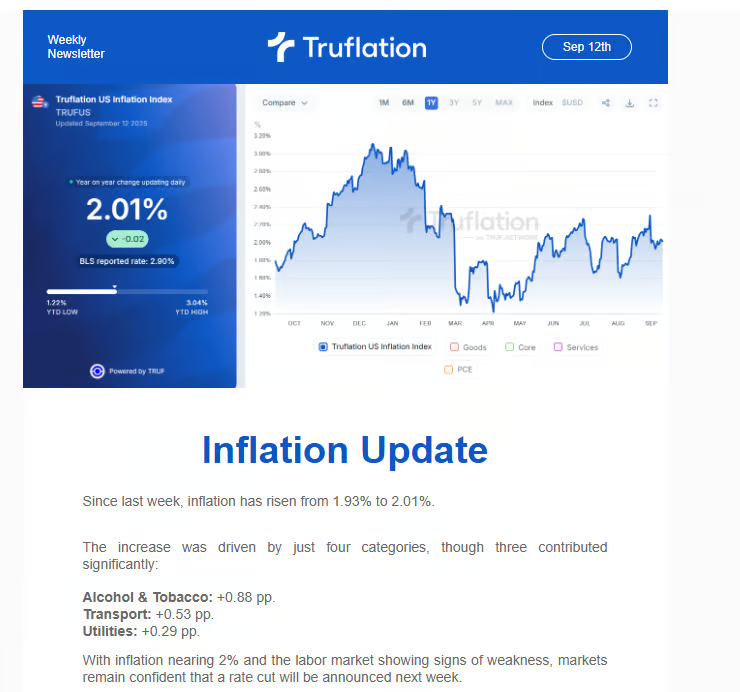
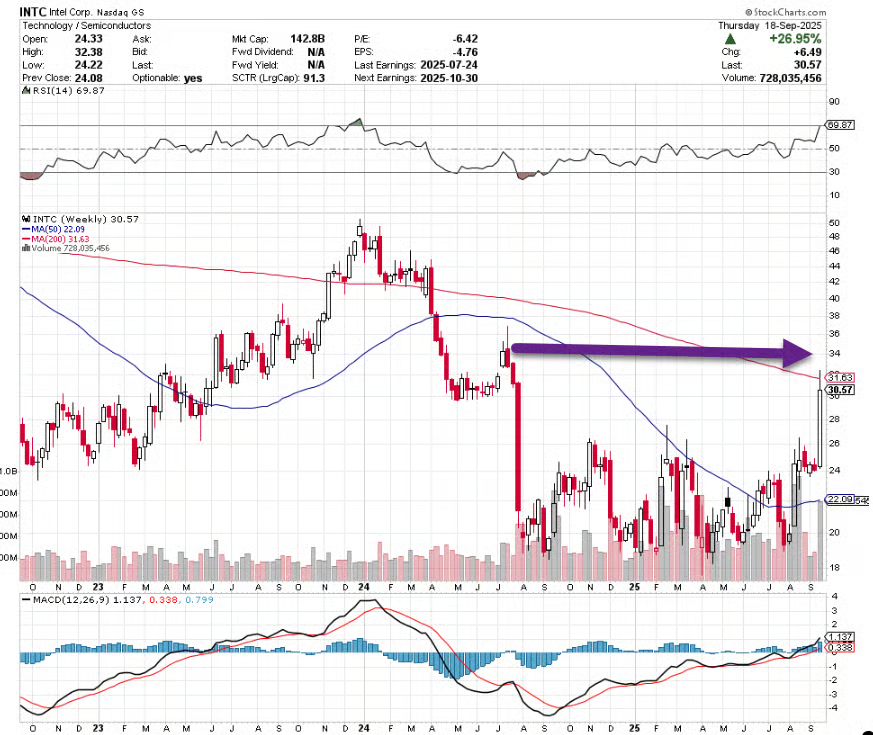
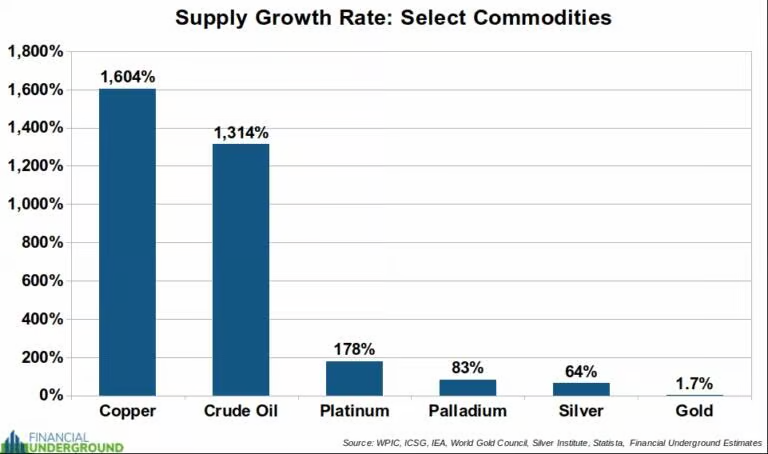
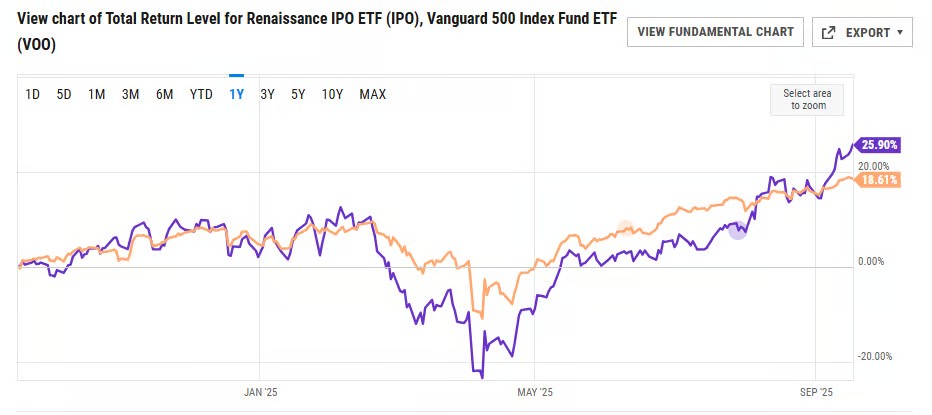
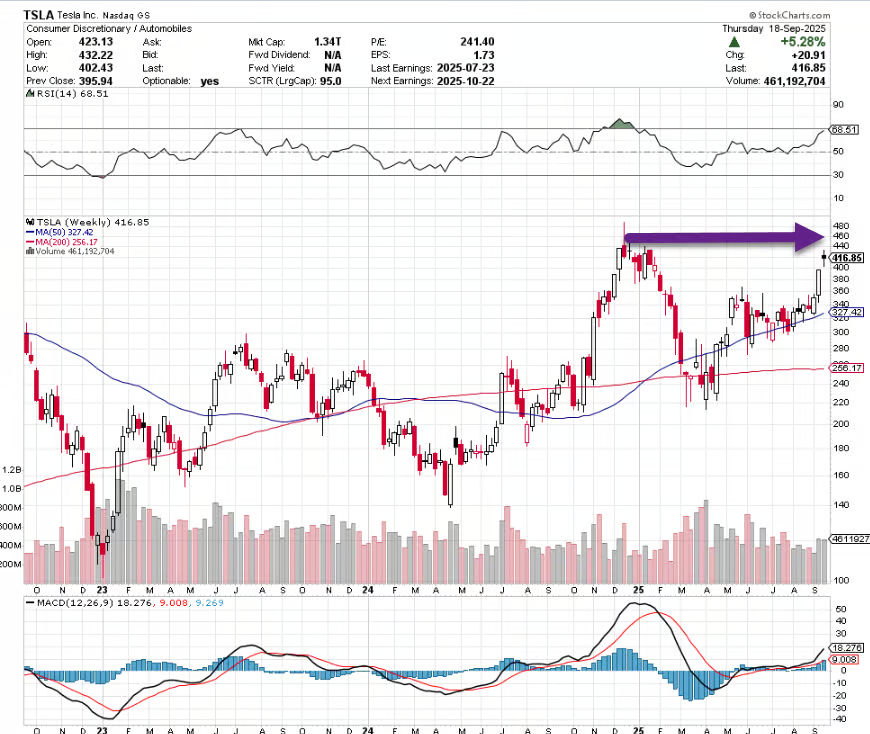
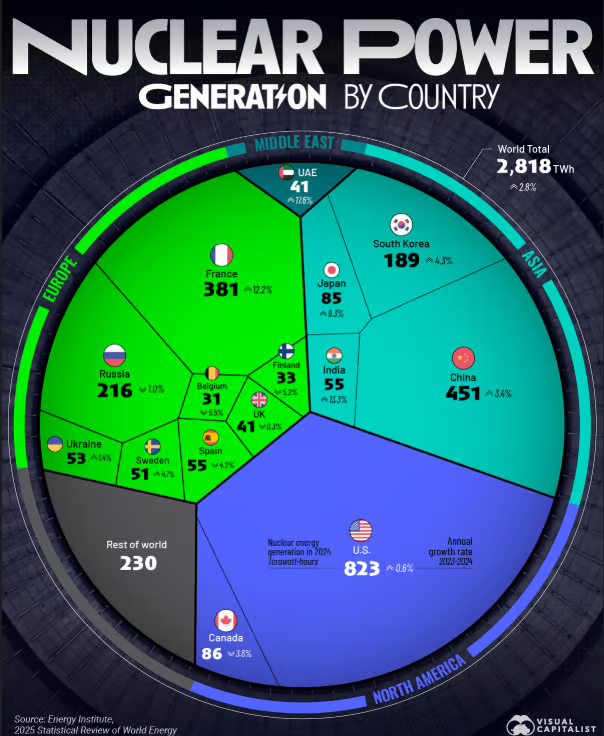
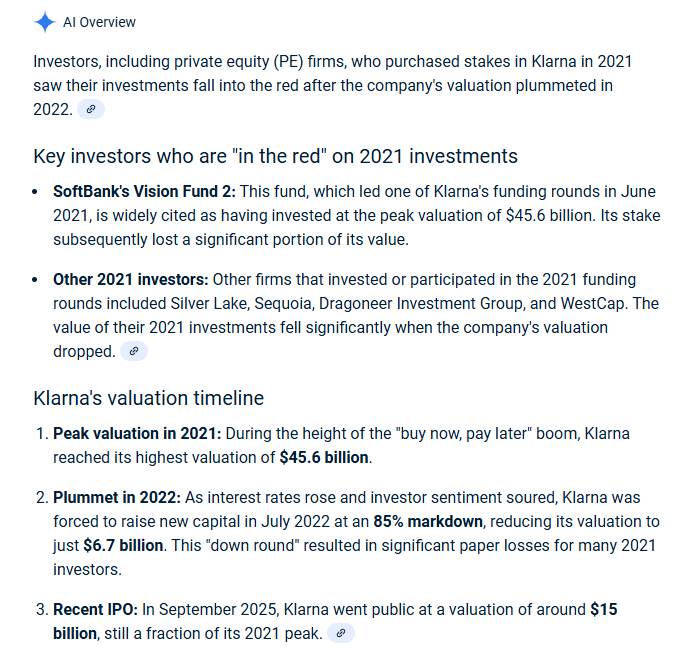
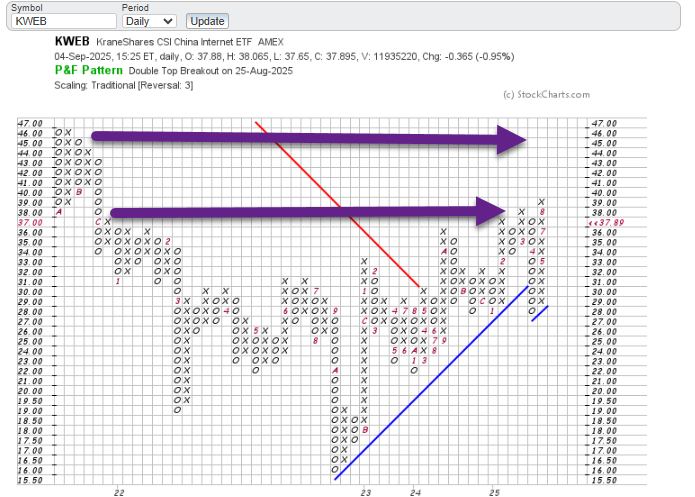
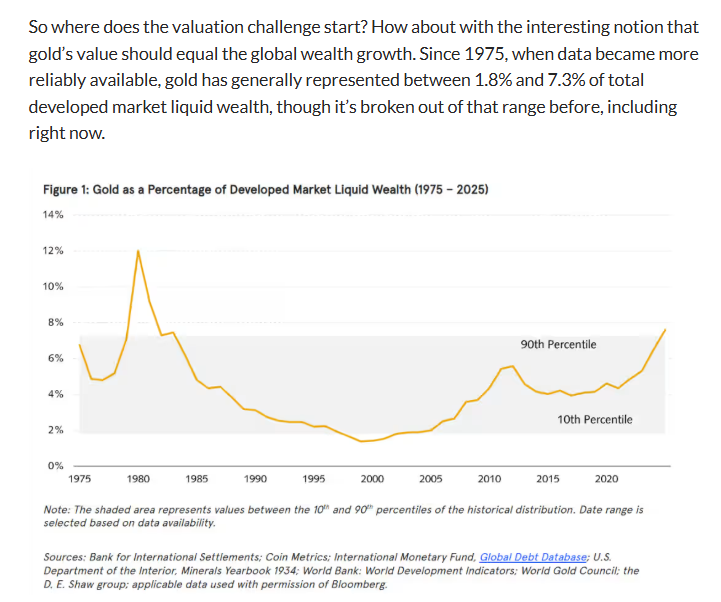
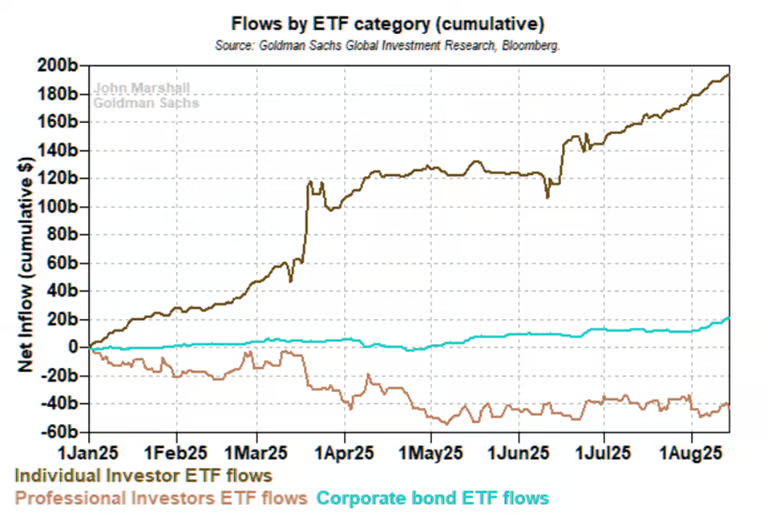
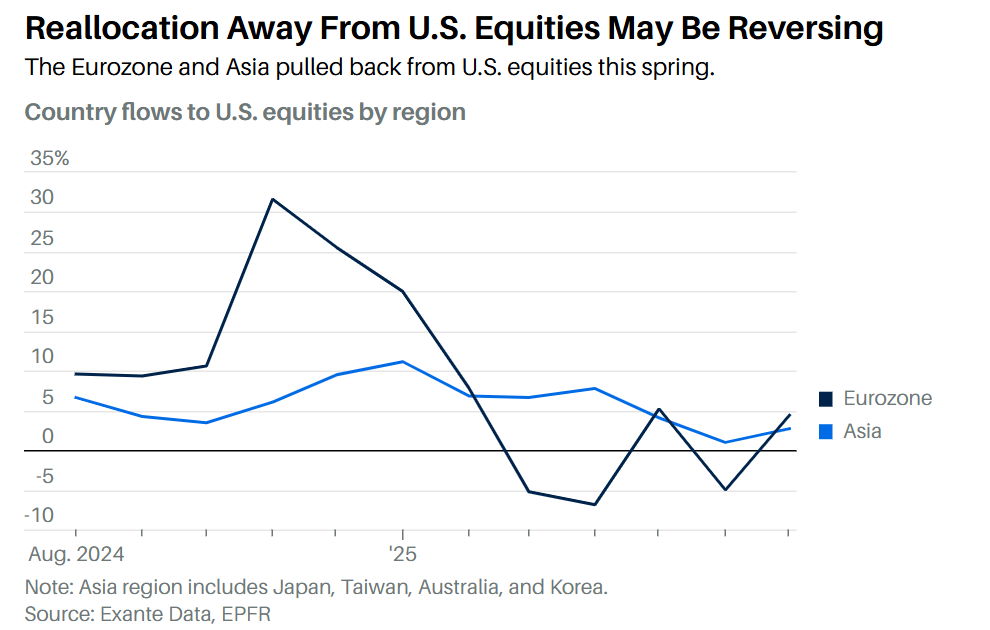
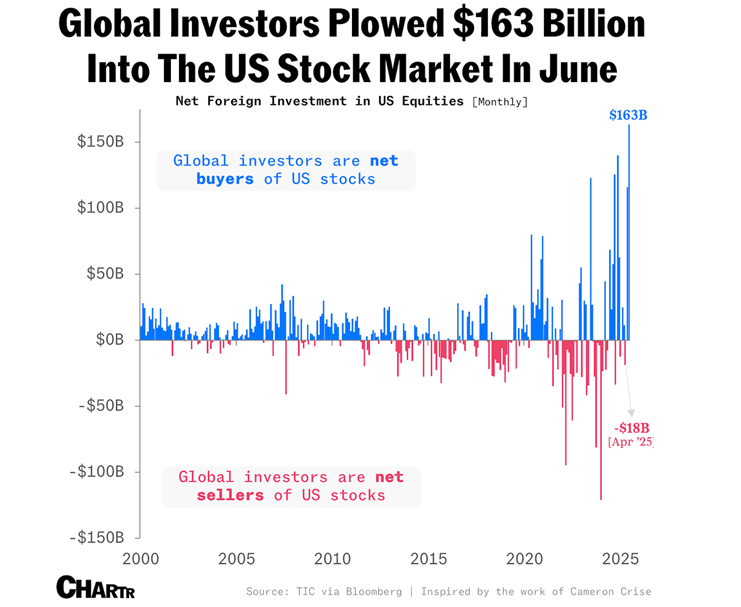
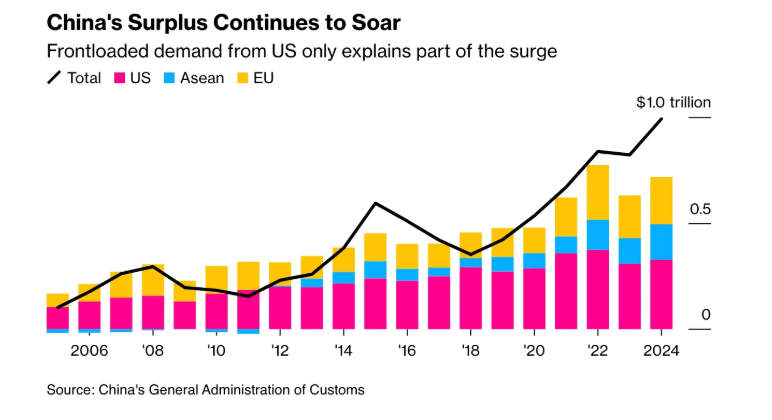
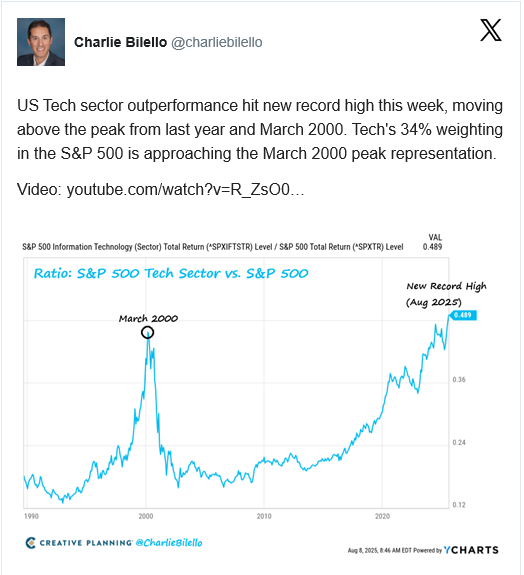
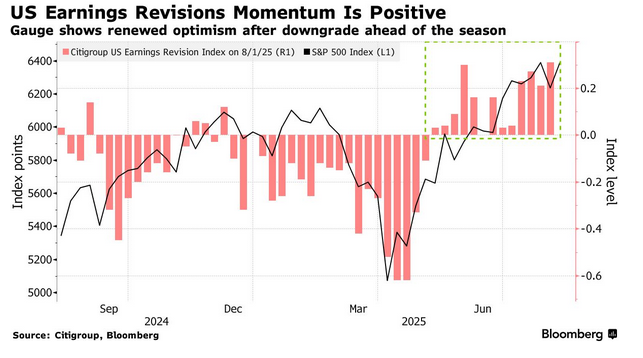
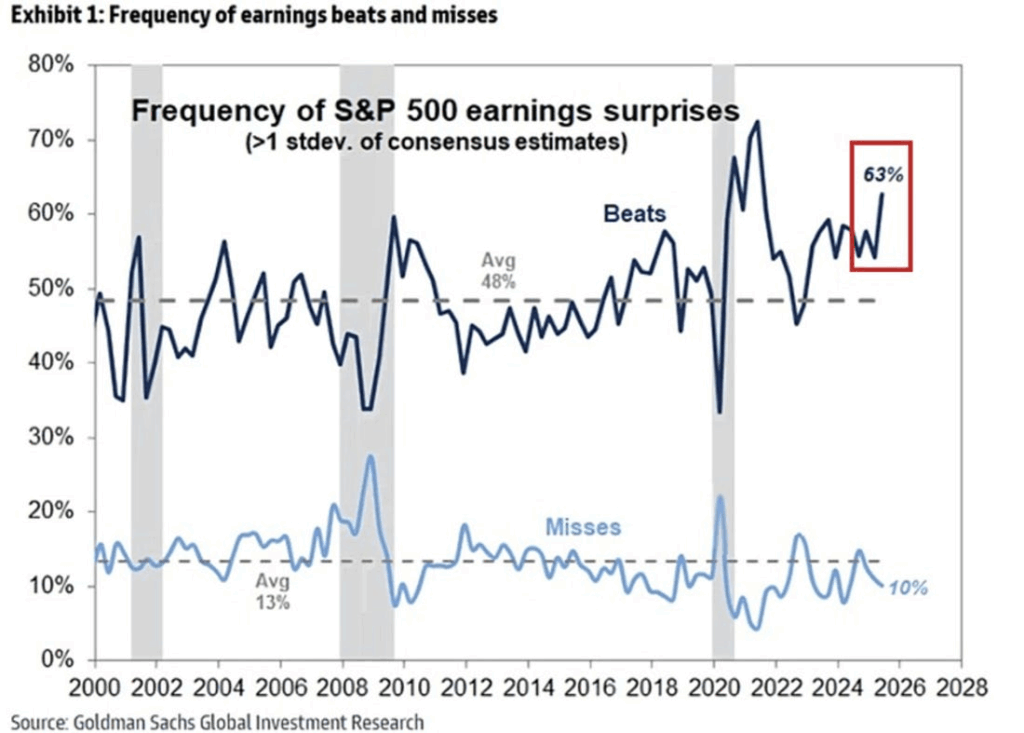
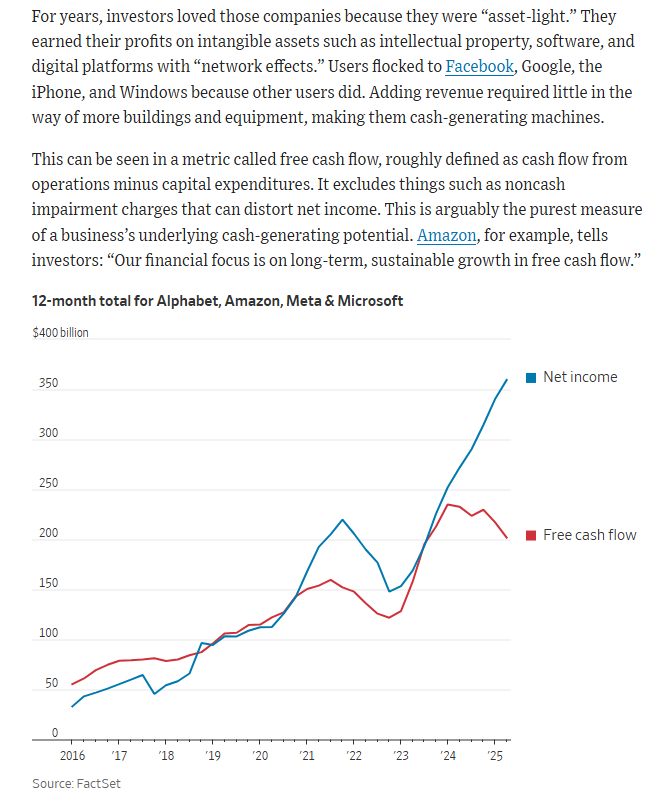
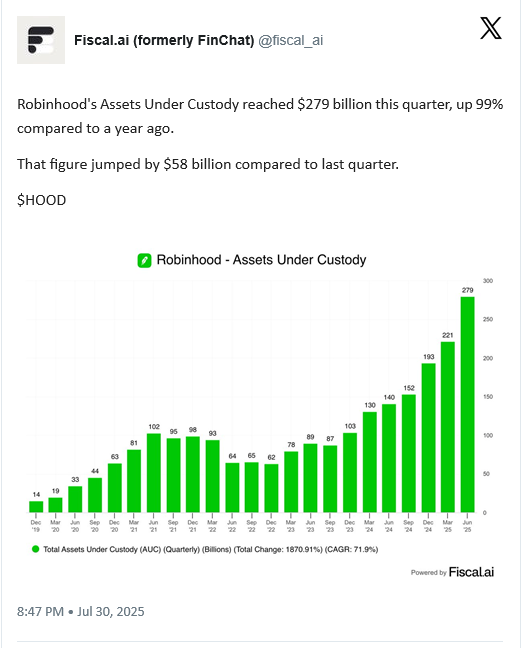
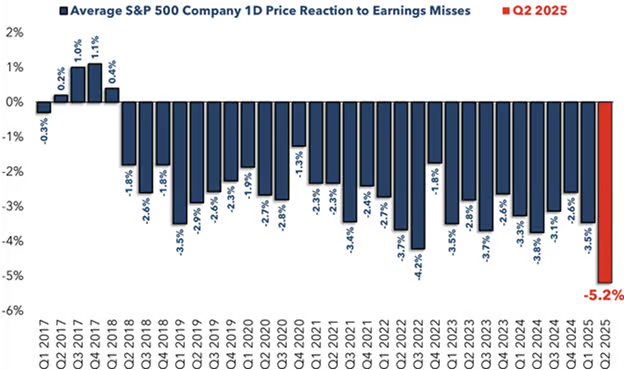
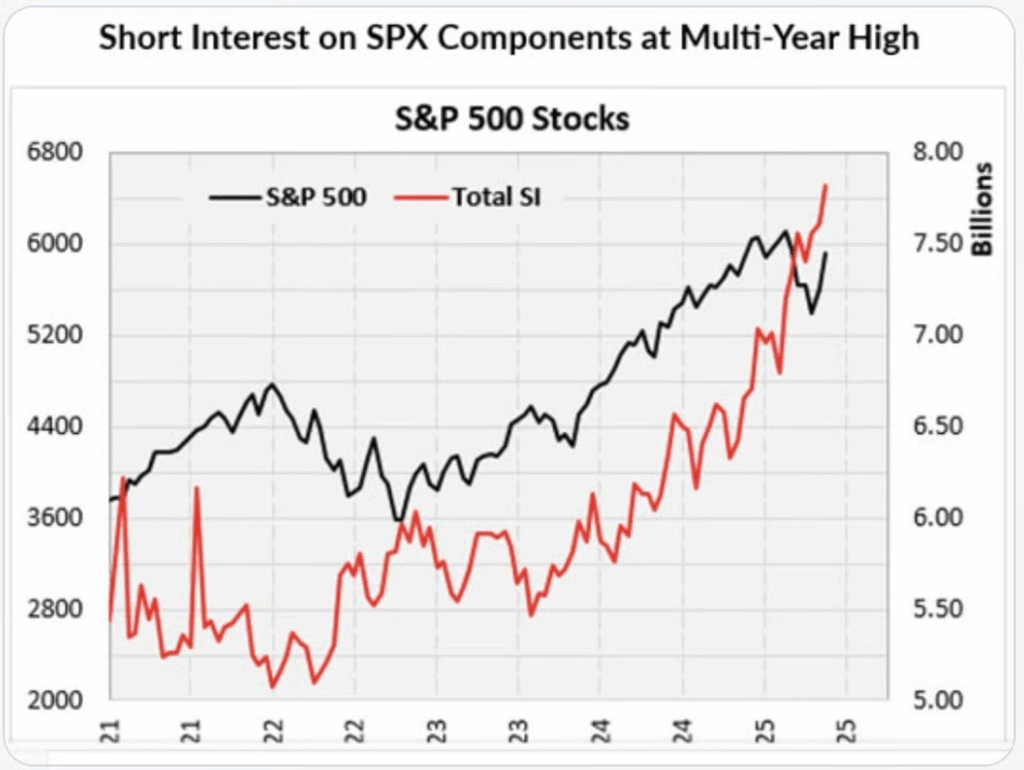
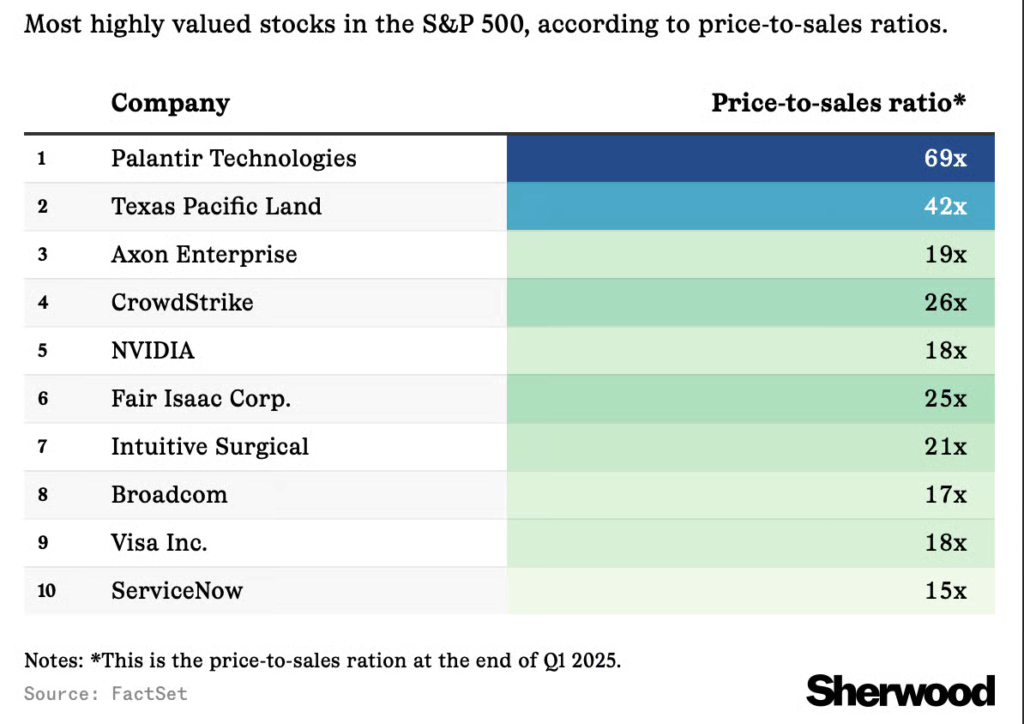
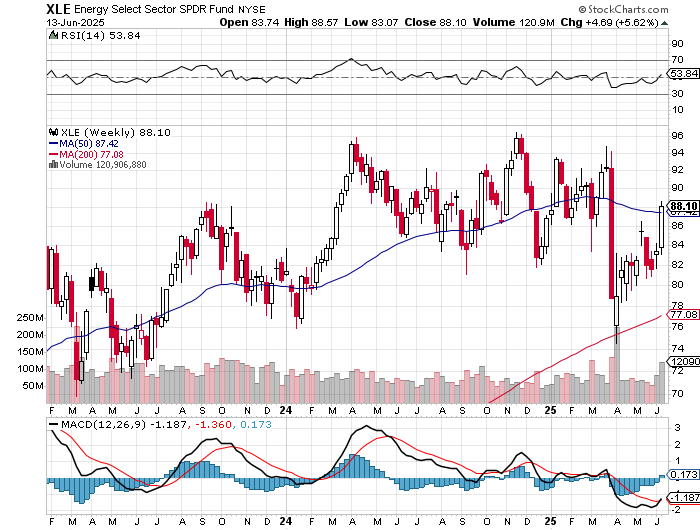
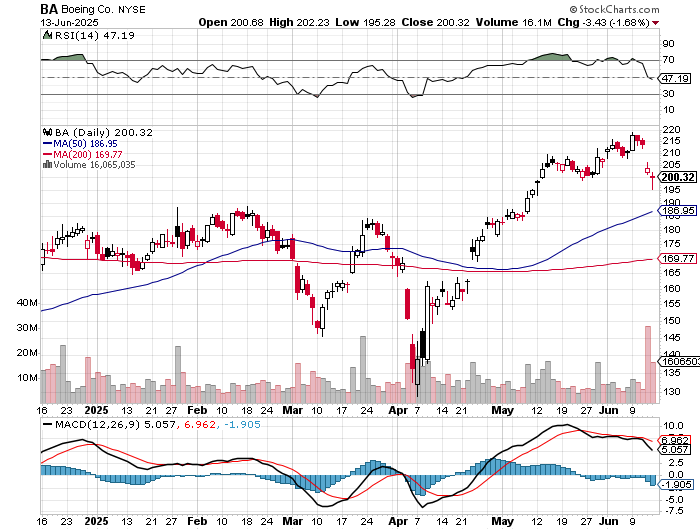
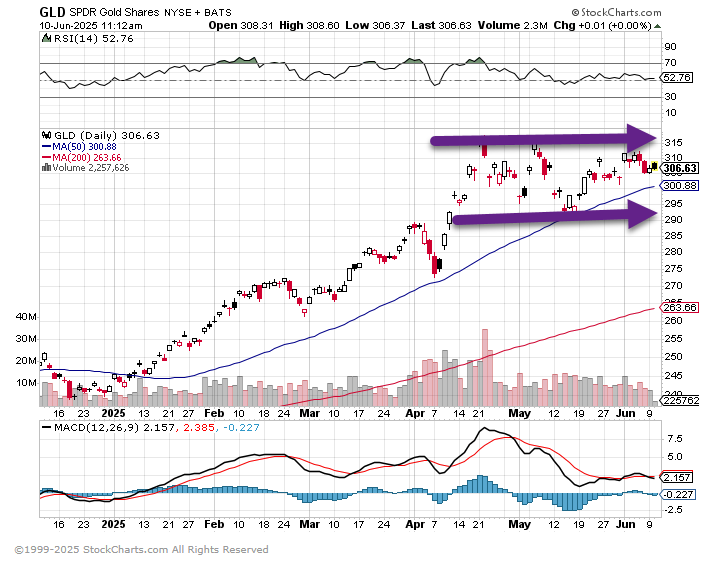
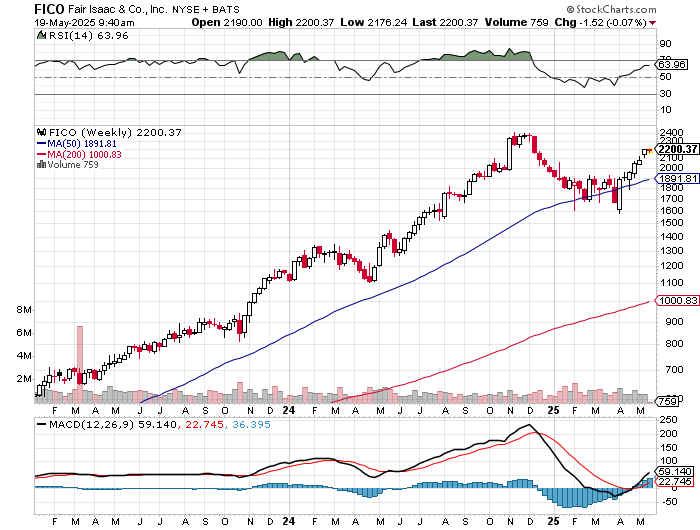
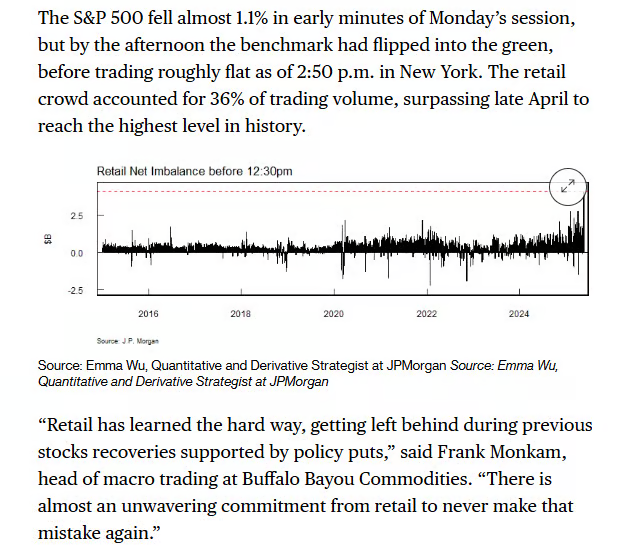
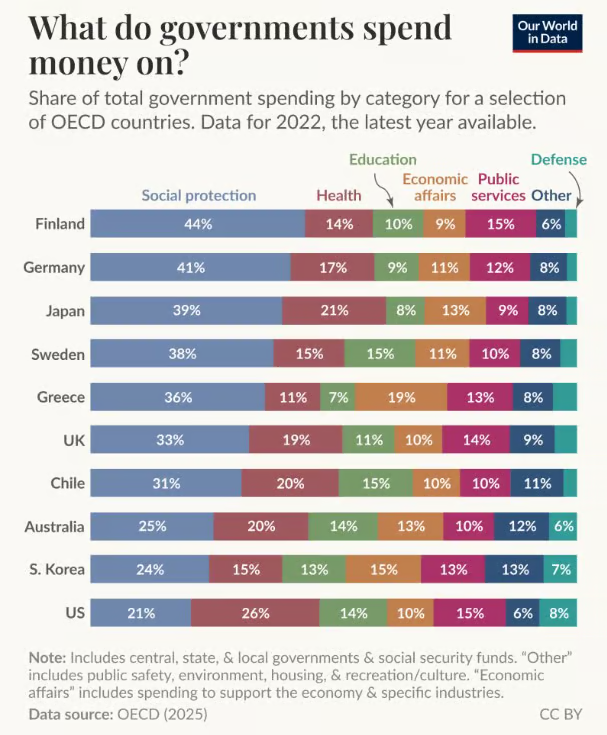
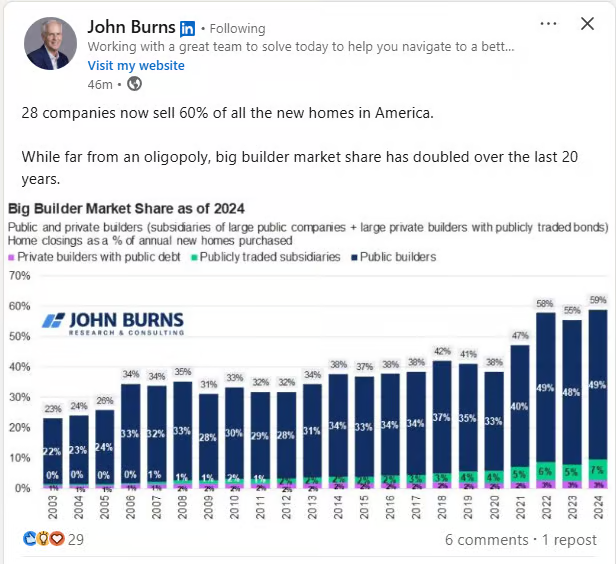
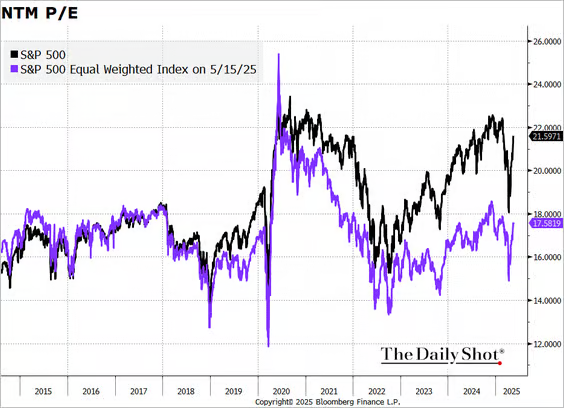
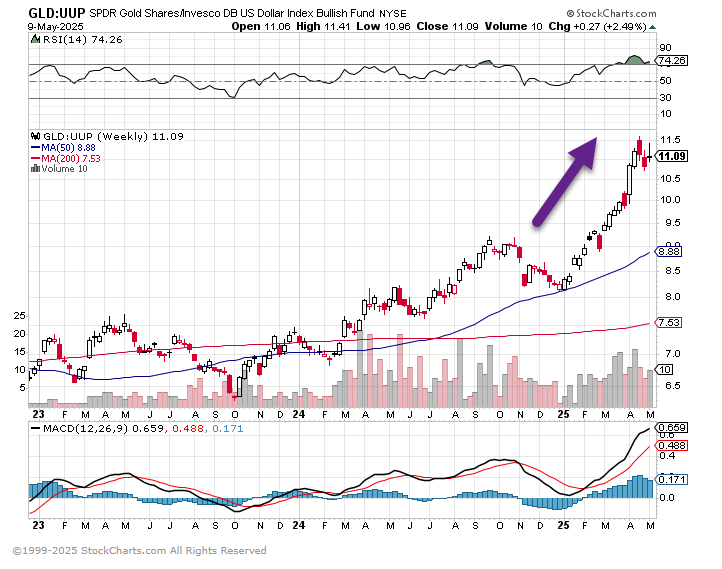
3. Remember Gold was Most Short-Term Overbought in History….It Has Not Even Broken Its 20-day in Green Yet
StockCharts
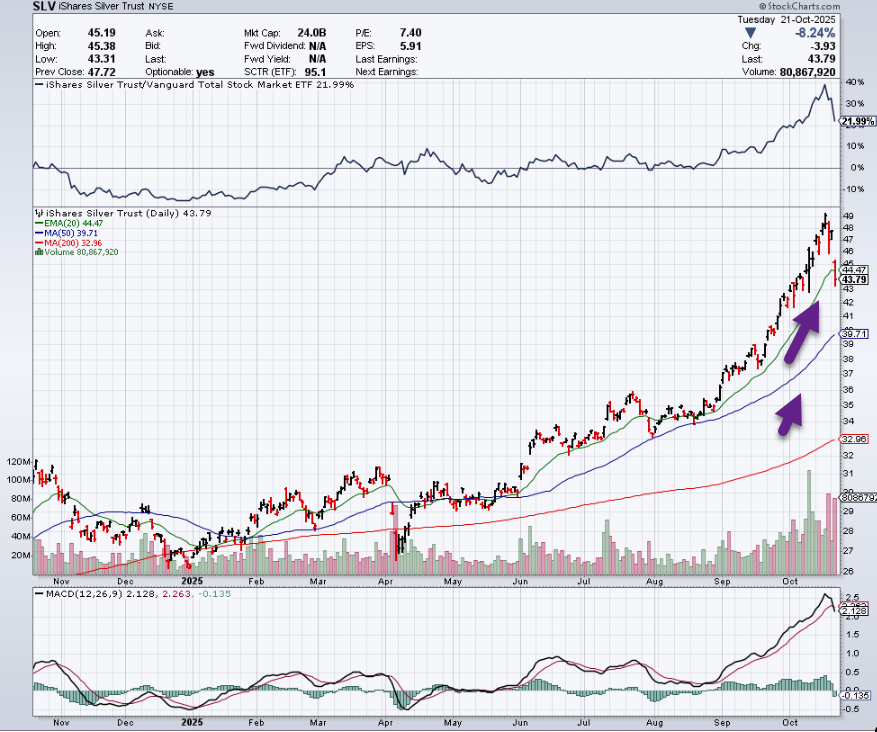
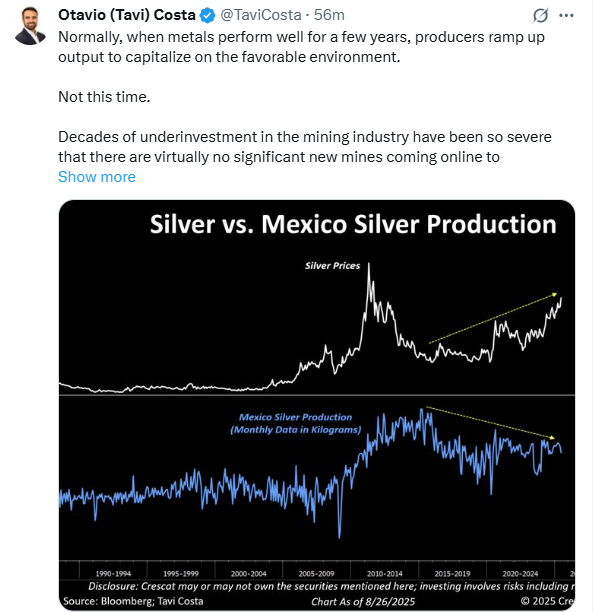
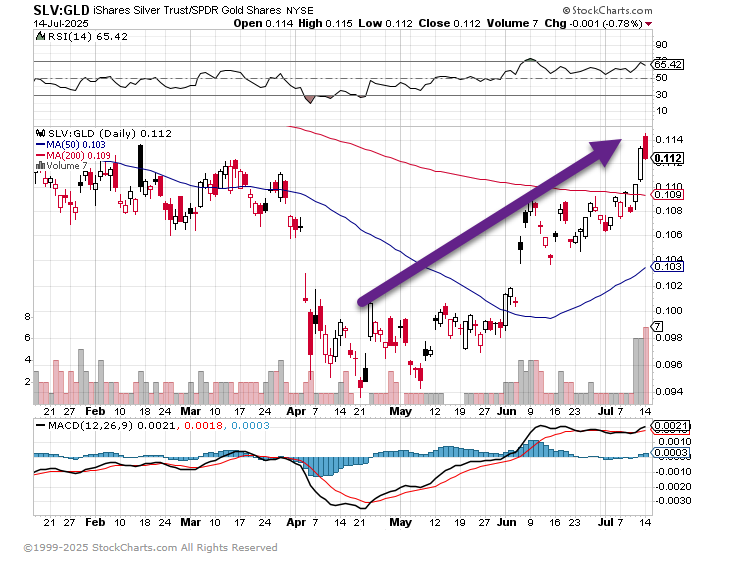
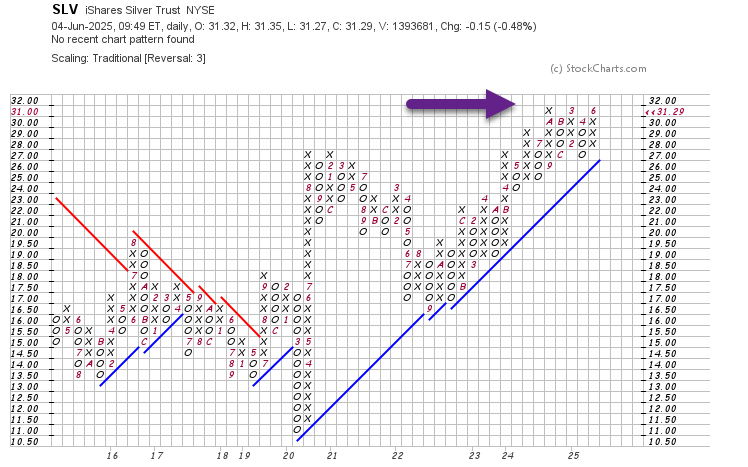
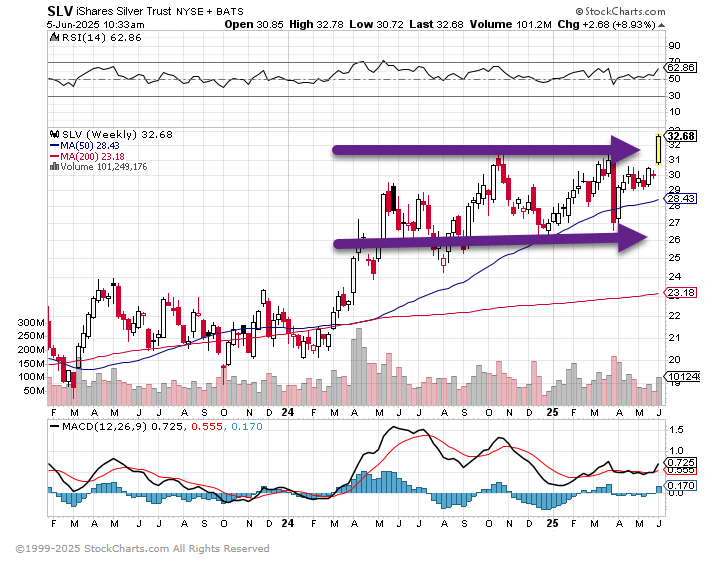
4. Silver Closed Below 20Day Still Well Above 50day/200day
StockCharts
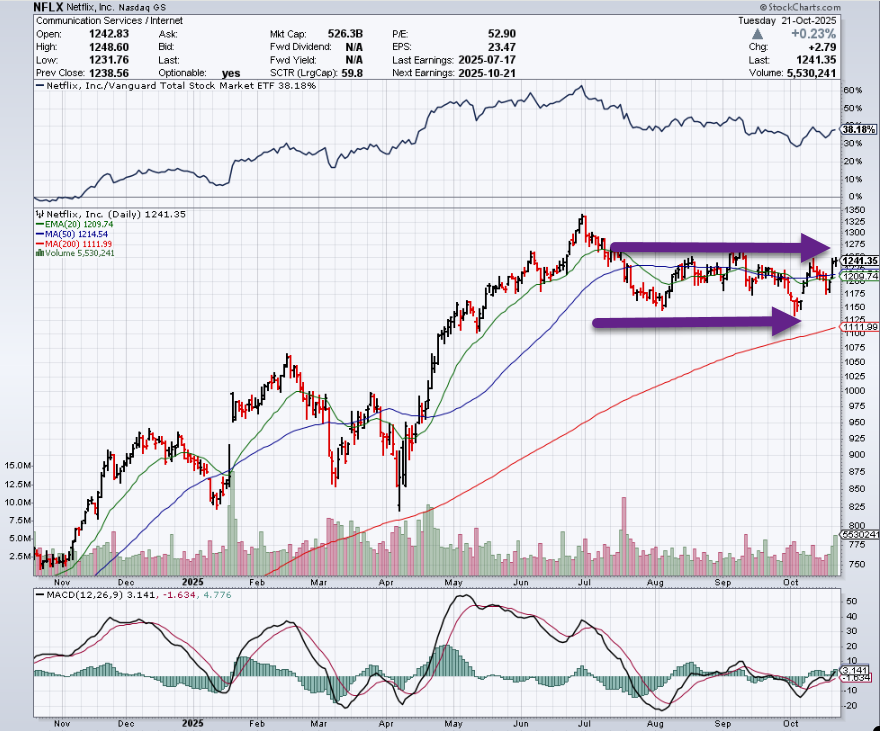
5. Going into Earnings Last Night…NFLX was Below Highs, Trading Sideways 3 Months
StockCharts
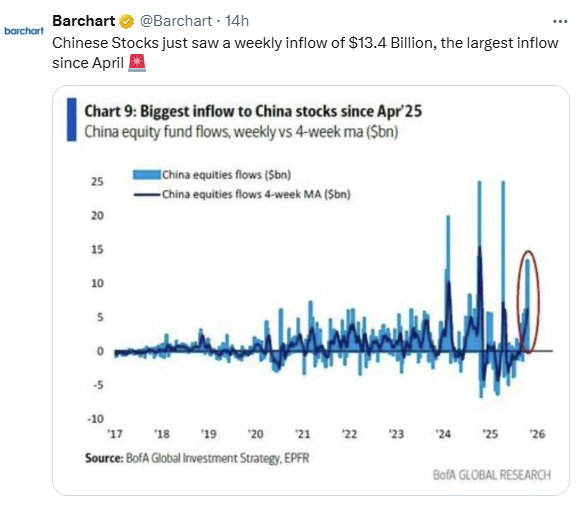
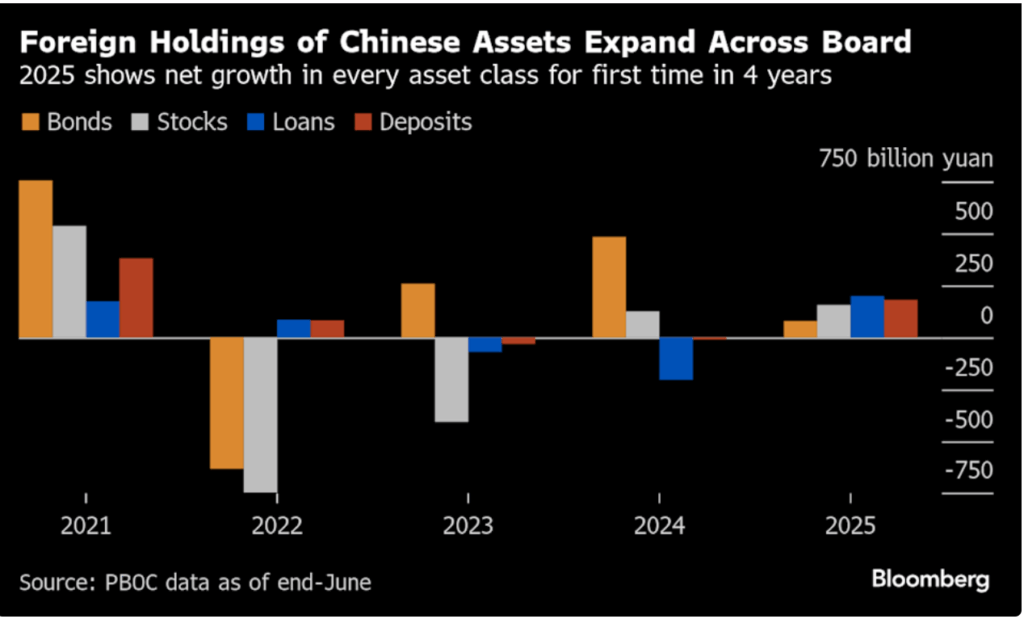
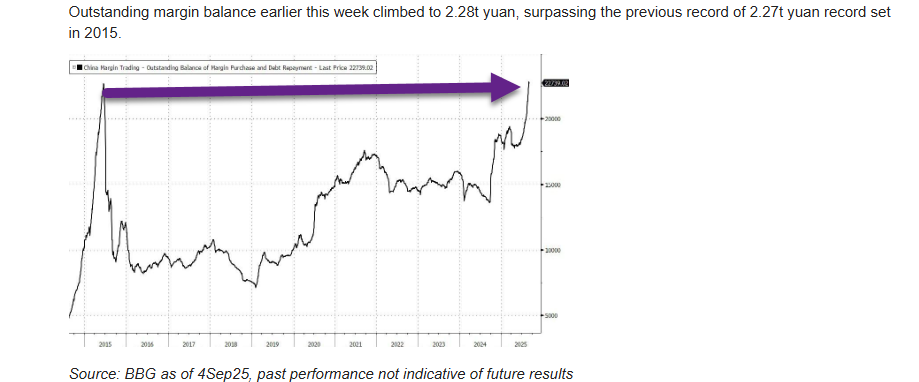
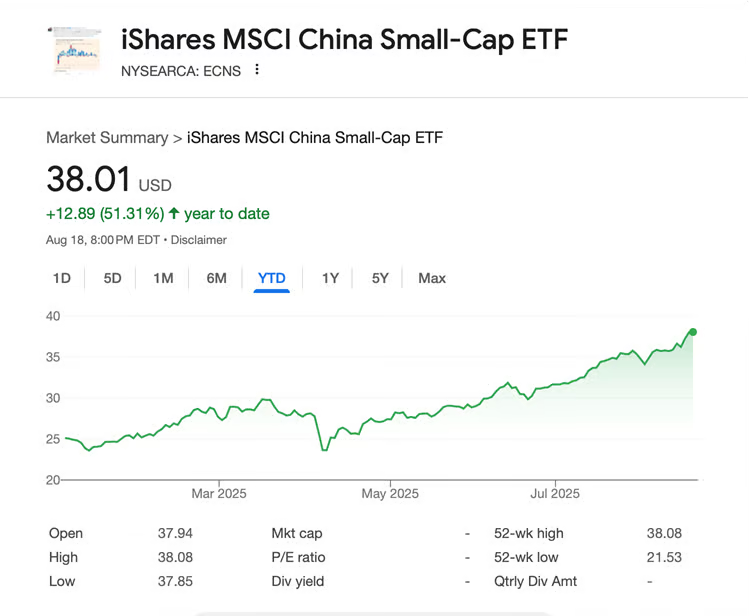
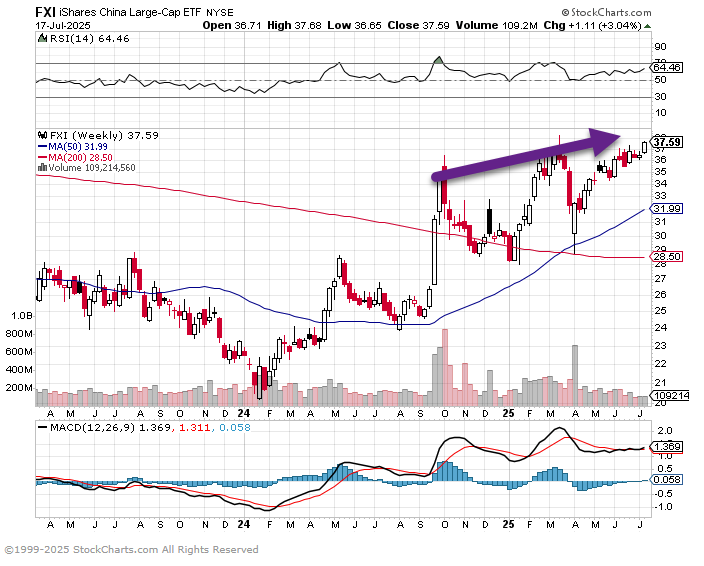
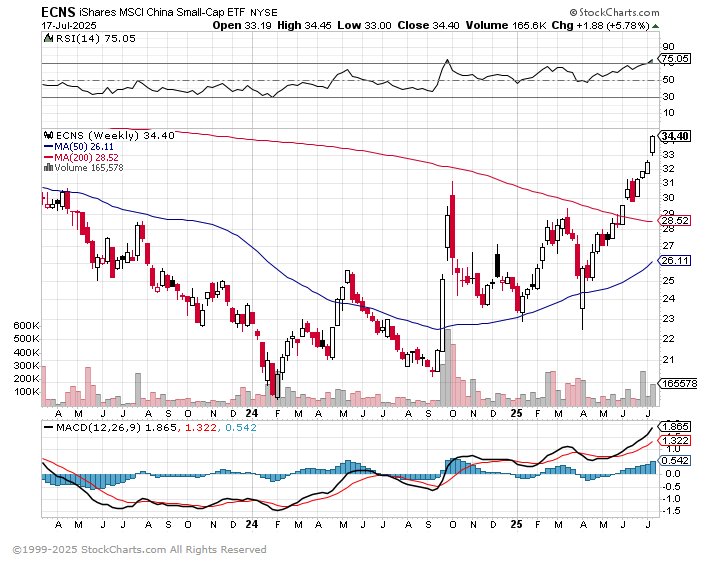
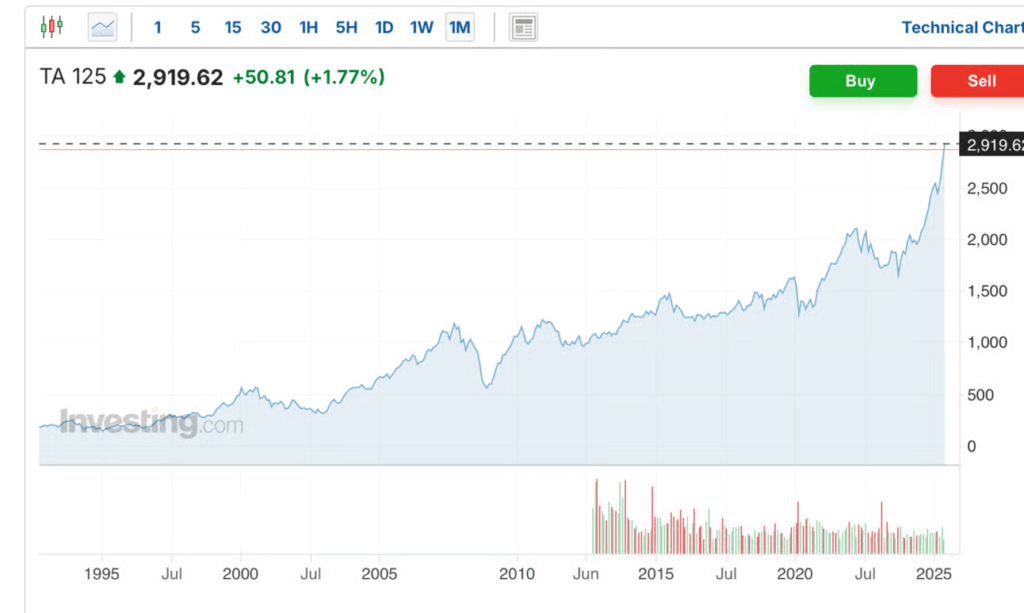
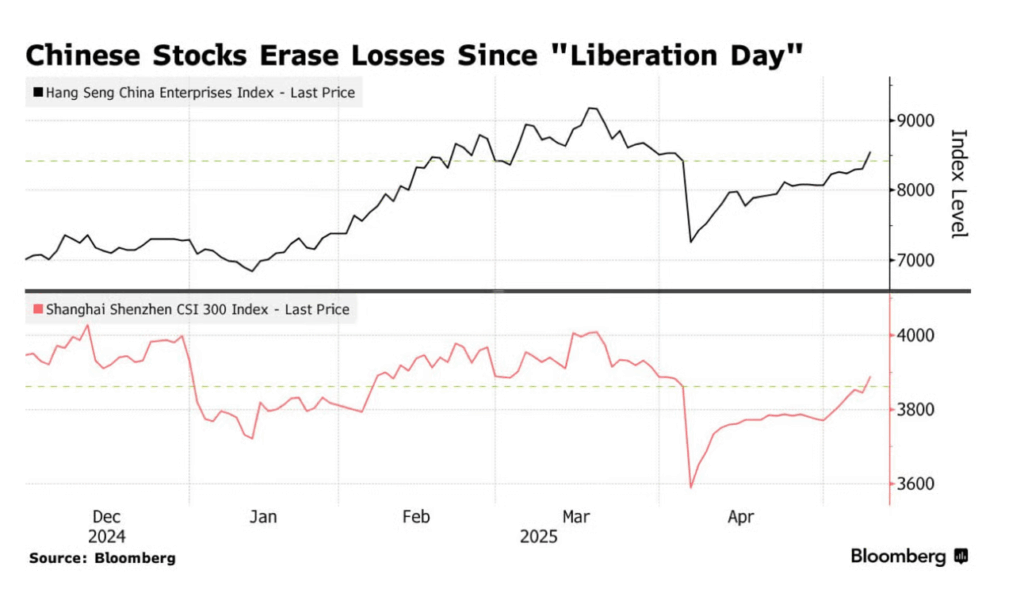
6. Chinese Stocks Massive Inflows
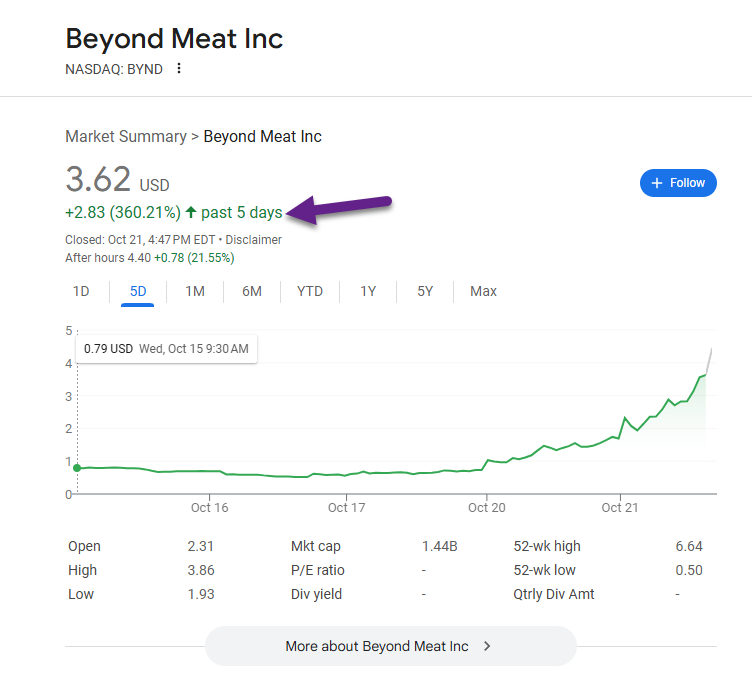
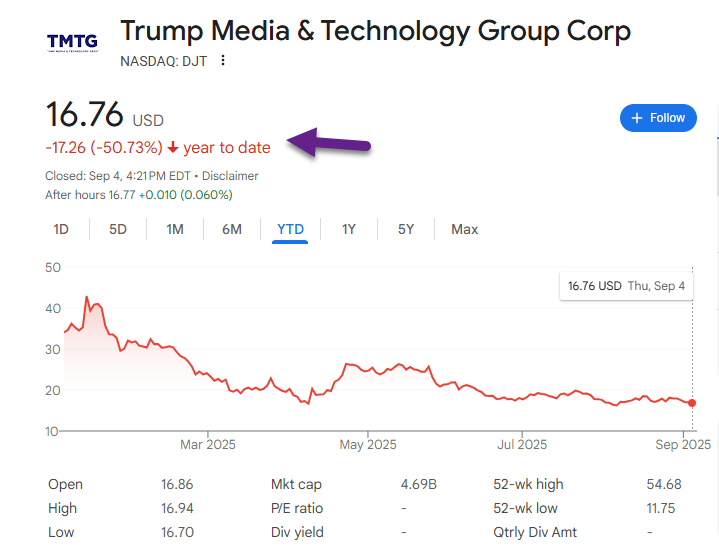
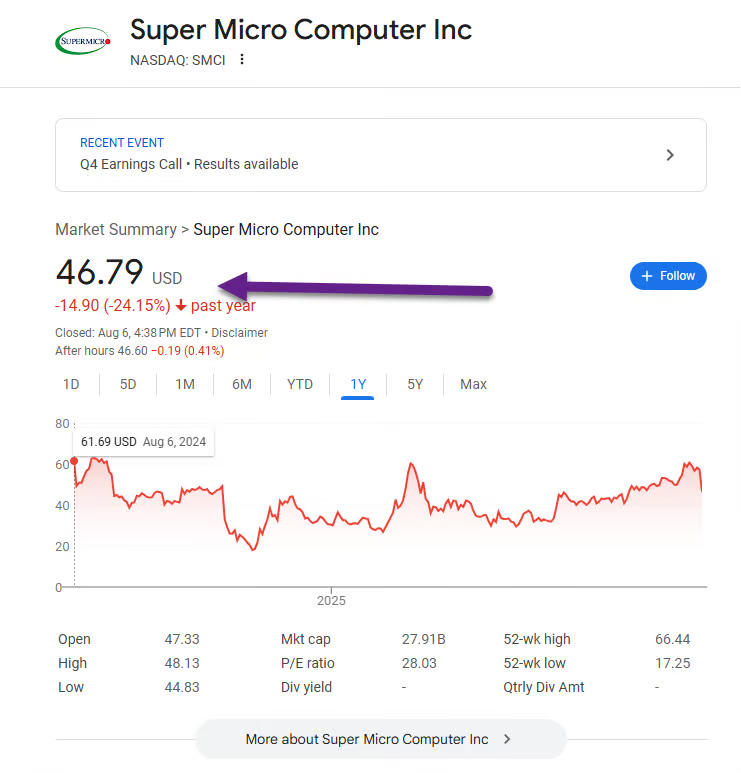
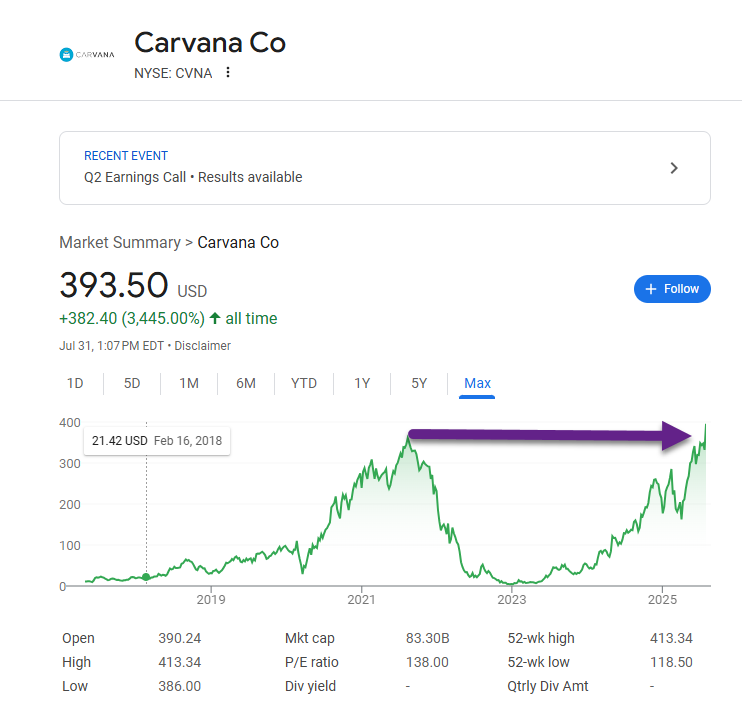
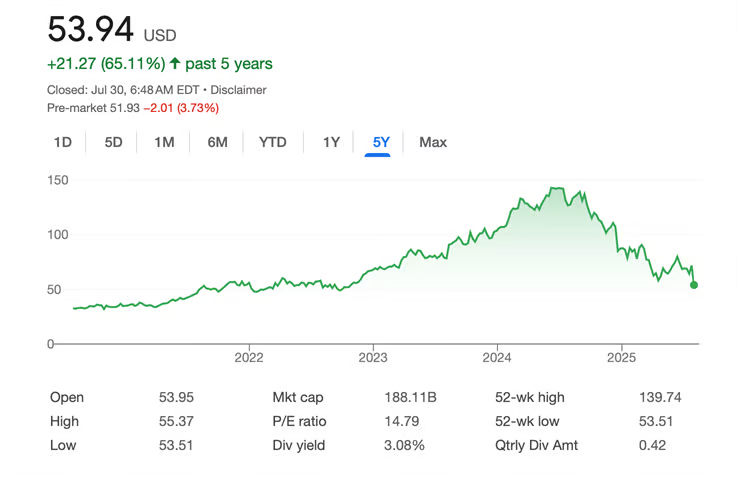
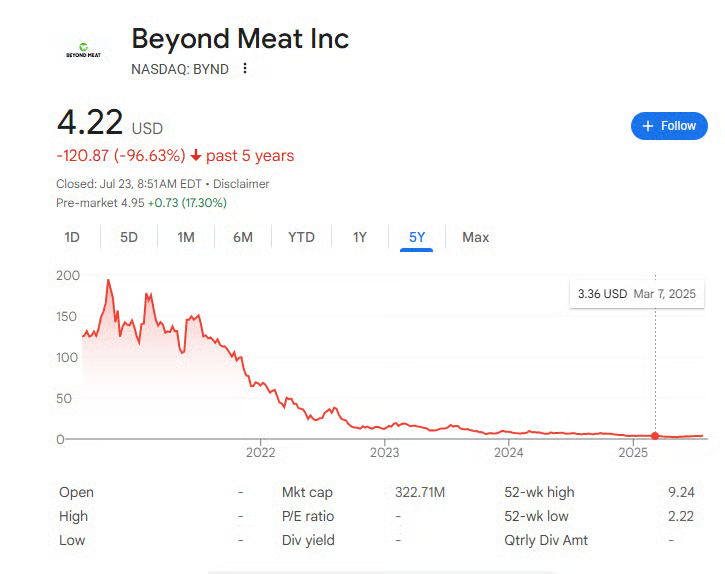
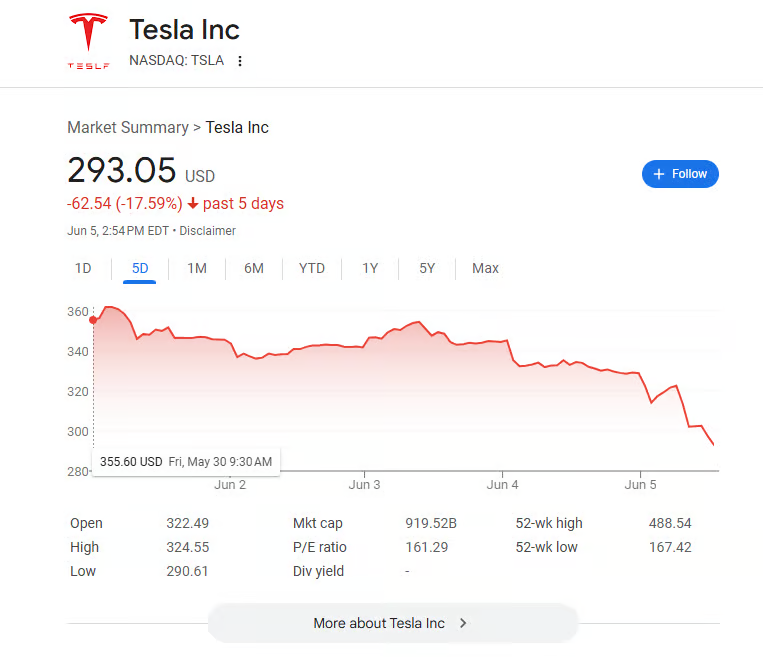
7. New MEME Stock Beyond Meat +360% 5 Days
Google Finance
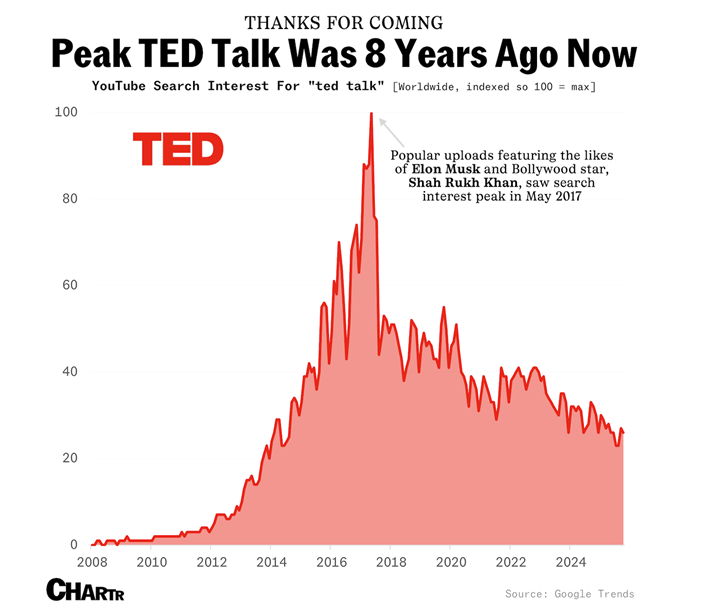
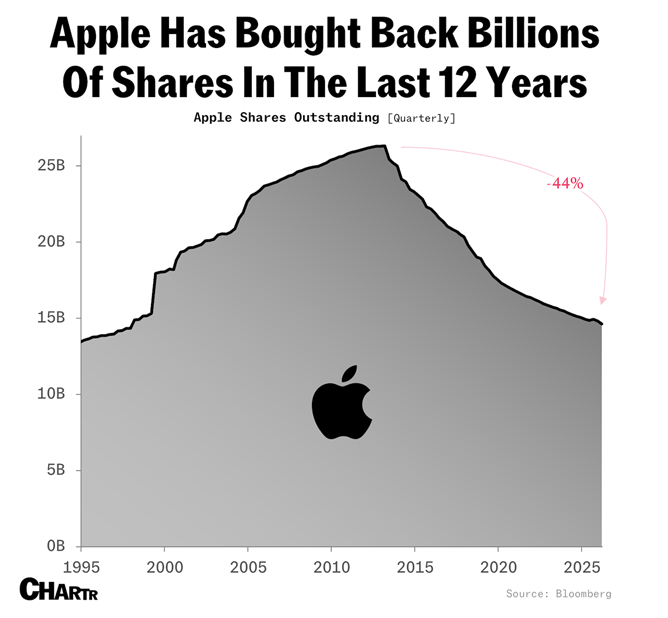
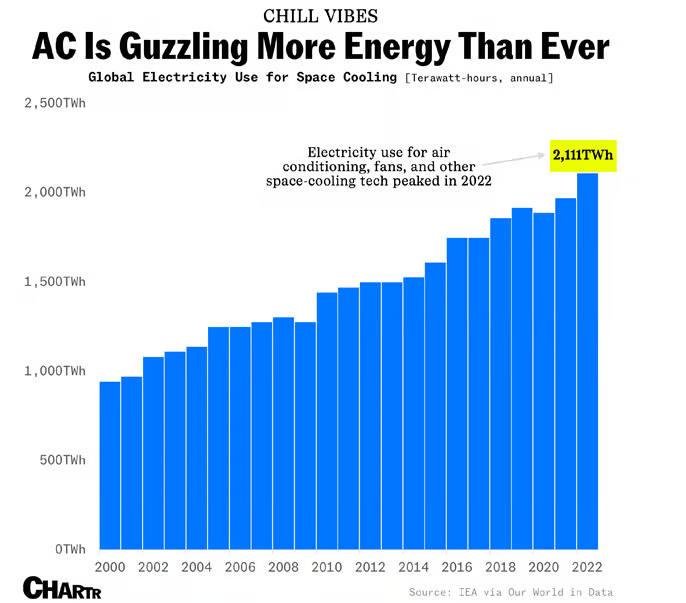
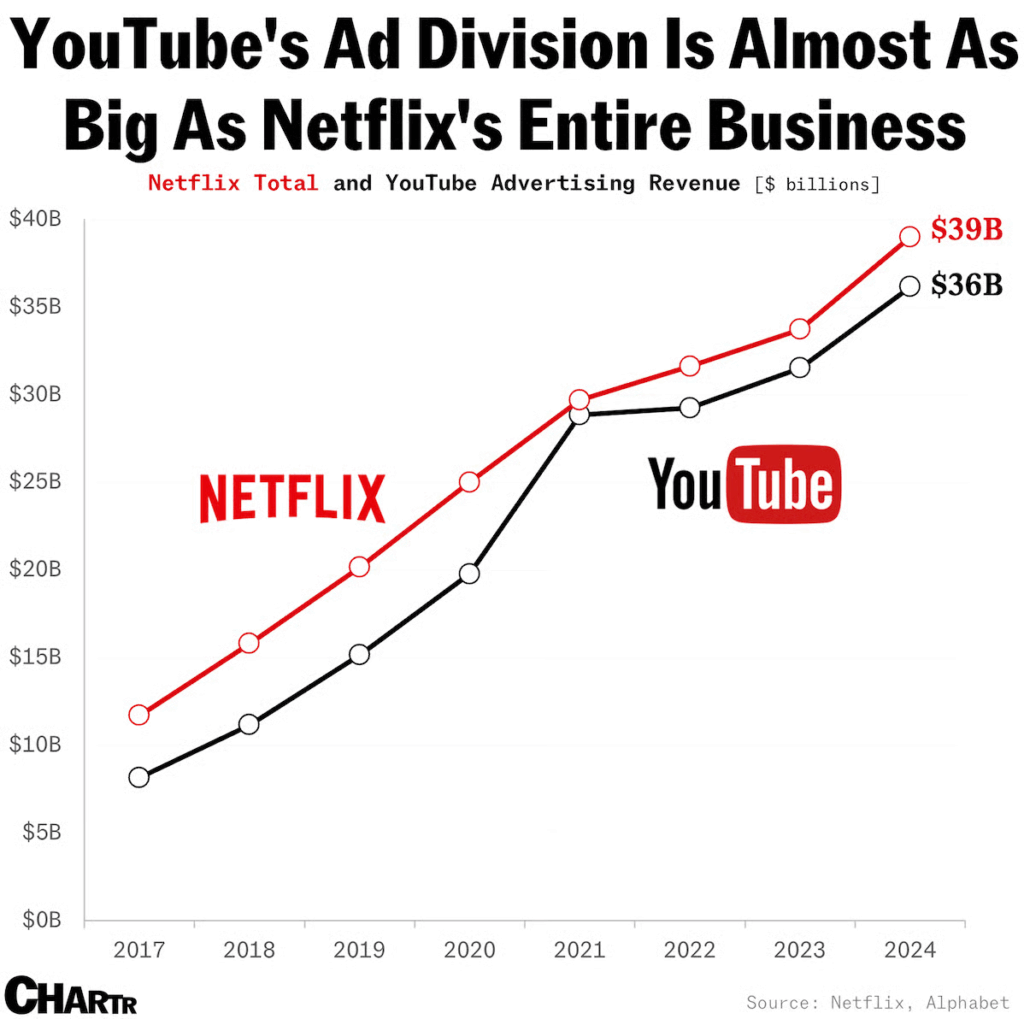
8. Peak TED Talk 8 Years Ago
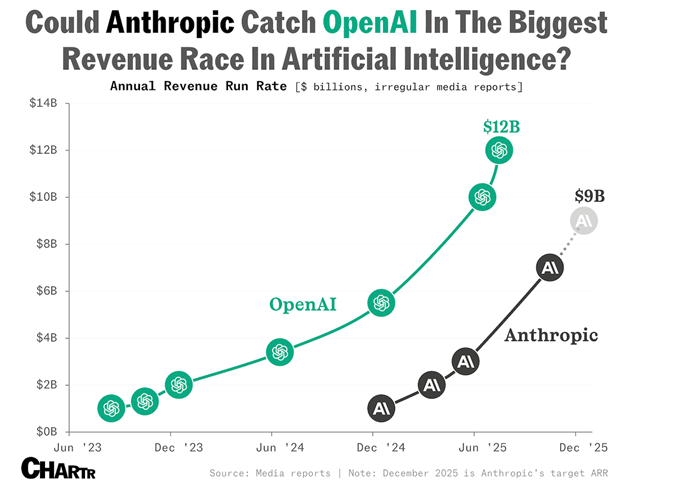
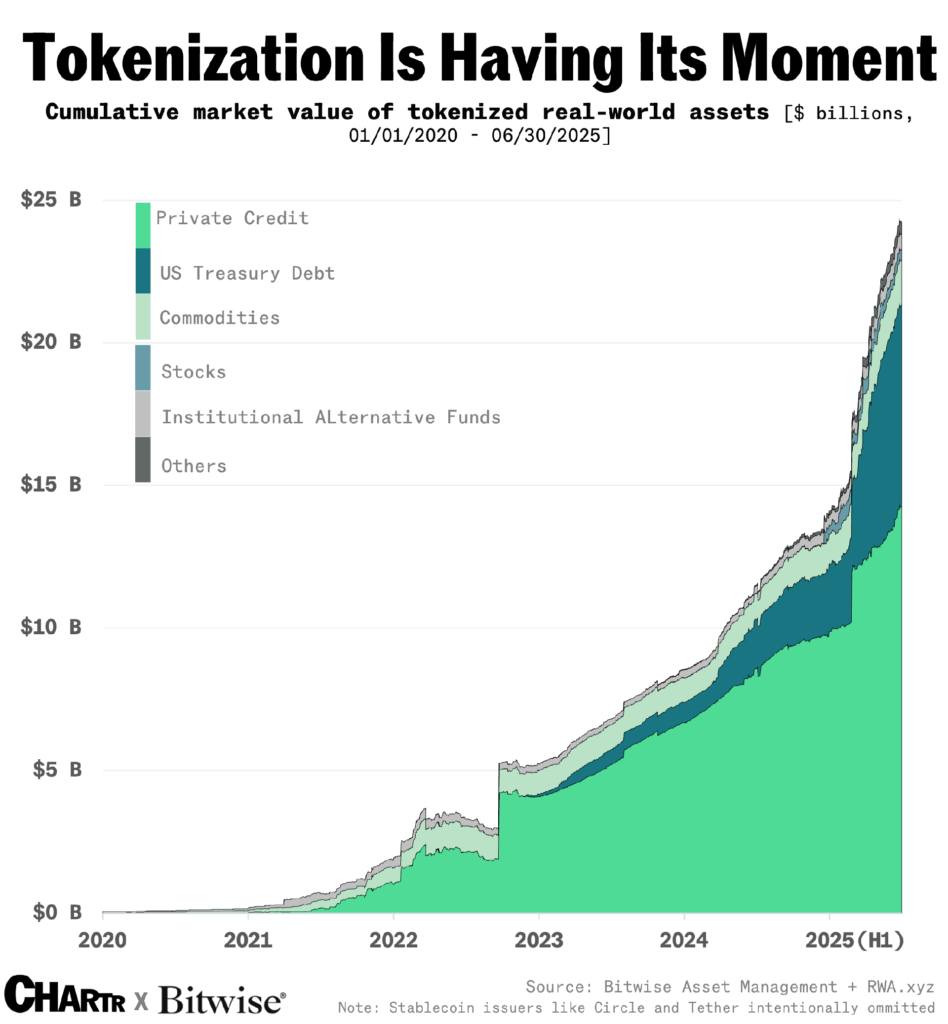
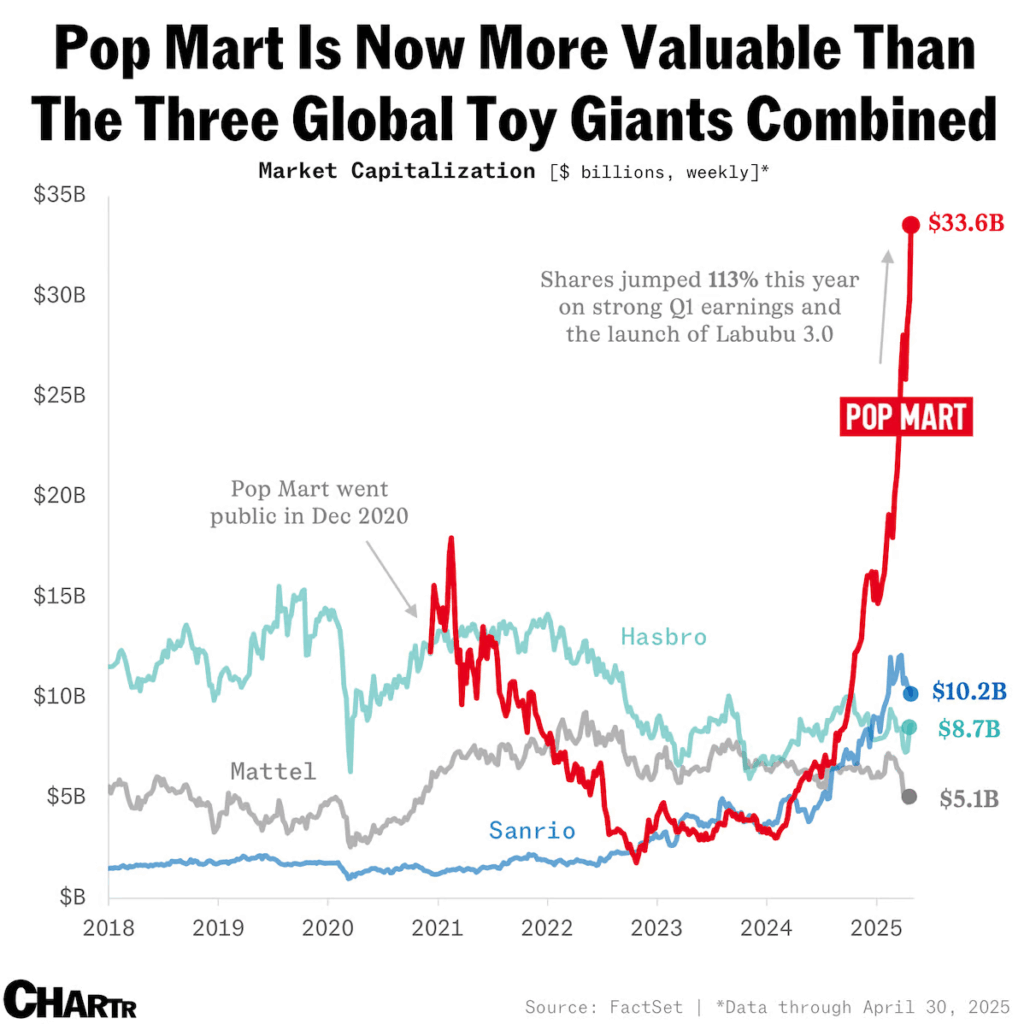
chartr
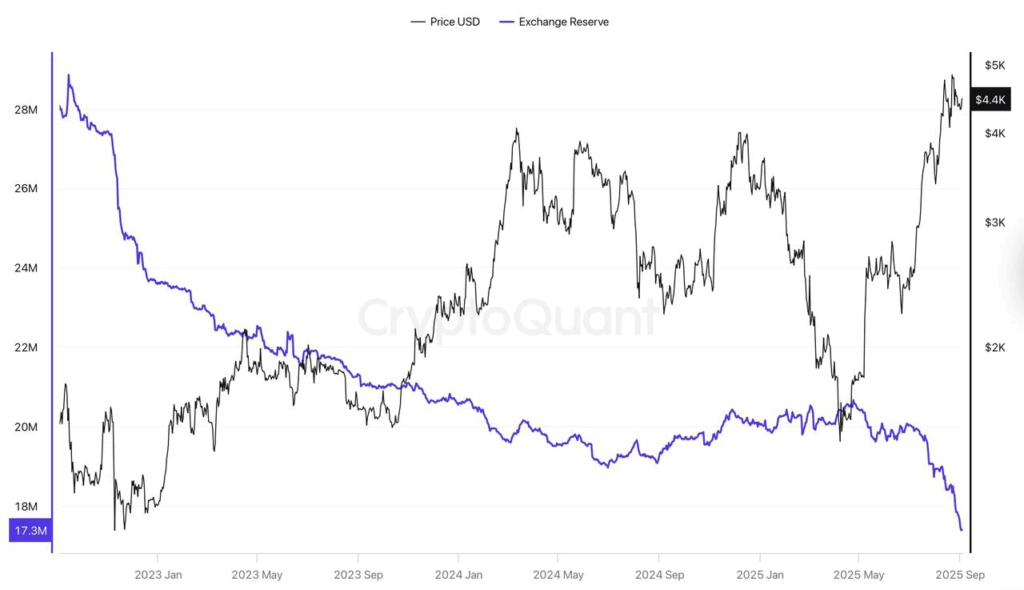
9. The Quiet Expansion of the USA’s Bitcoin Balance Sheet
It’s not every day the U.S. government quietly adds $15 billion in Bitcoin to its balance sheet – without authorizing a single purchase.
Last week, the Department of Justice announced the largest crypto forfeiture in U.S. history: roughly 127,000 BTC linked to an international fraud network led by Cambodian billionaire Chen Zhi. The Bitcoin was recovered from unhosted wallets and is now in federal custody.
At first glance, it’s a simple enforcement story. But look a little closer, and it’s something more consequential – a real-world example of how Washington’s Strategic Bitcoin Reserve (SBR) may begin to take shape in practice. Under the framework established by President Trump’s executive order, seized Bitcoin doesn’t just sit idle. It’s classified as a strategic national asset, meaning each enforcement action now doubles as a form of accumulation.
From Seizure to Strategy
Senator Cynthia Lummis was quick to connect the dots. In a post on X, she wrote:
“The seizure of 127,000 bitcoin underscores two urgent priorities for Congress: first, passing clear digital-asset market-structure legislation to ensure law enforcement can act decisively against bad actors while protecting innovation. Second, codifying how seized bitcoin is stored, returned to victims, and safeguarded for future generations.”
Her statement gets to the heart of what’s unfolding: the U.S. government isn’t just seizing Bitcoin – it’s beginning to define what national ownership looks like. And under the Strategic Bitcoin Reserve, that process is no longer ad hoc. It’s structured, audited, and explicitly designed to treat Bitcoin as a long-term strategic holding rather than an expendable asset.
Today, the United States holds approximately 325,447 BTC, worth roughly $36.3 billion at current prices – more than most public companies and sovereign treasuries combined. None of it was purchased. It’s the cumulative result of years of enforcement actions, now woven into an official framework that treats those assets as part of a reserve strategy. https://thecryptoadvisor.substack.com/
It’s easy to believe we have an accurate understanding of ourselves. After all, we spend a lot of time looking in the mirror.
It might be worth wondering about why the mirror is deemed to be accurate at reflecting what we see as our flaws, real or metaphorical, but indistinct and a little fuzzy when we consider our opportunities, assets and contributions.
When we remind ourselves what we have to offer, it’s more likely we use those resources, but rehearsing our defects simply holds us back.
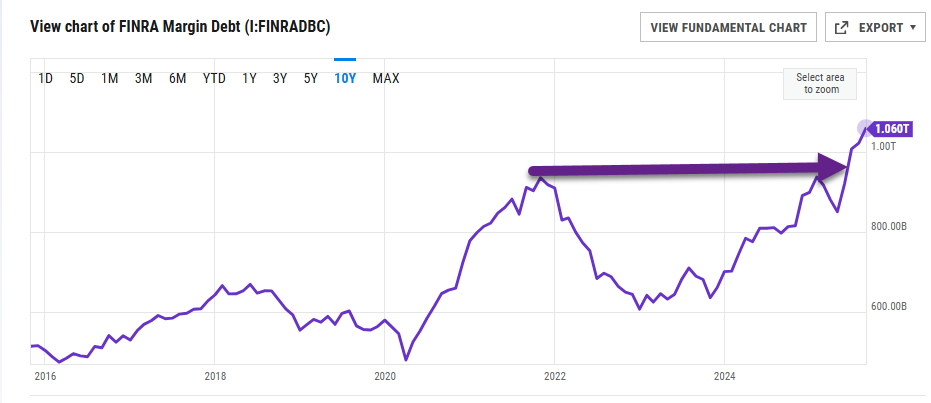
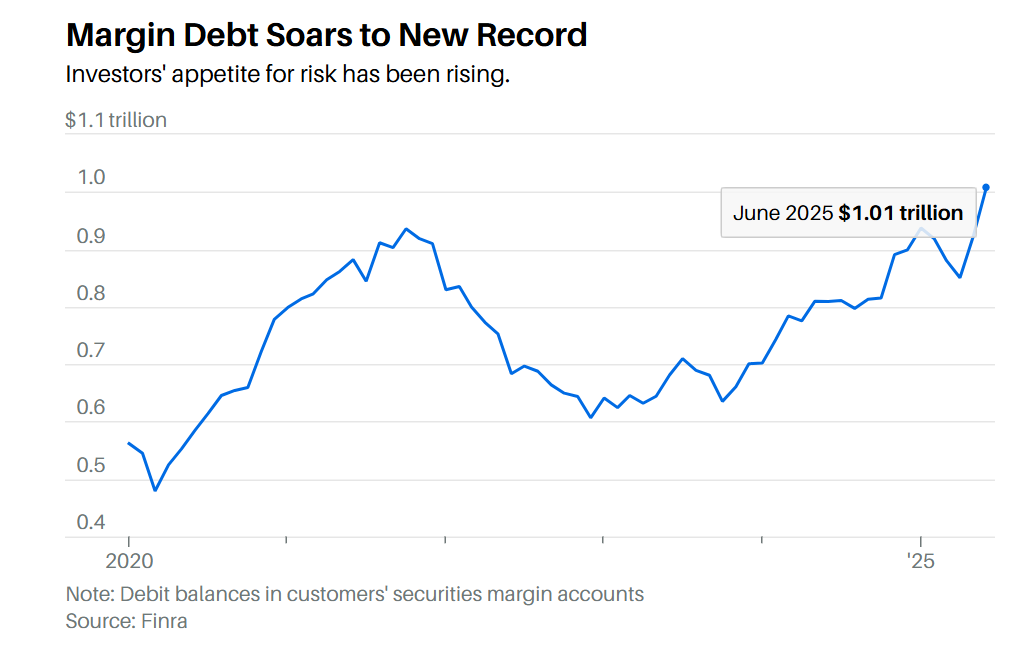
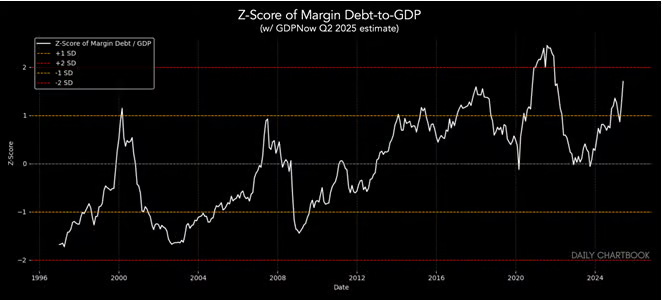
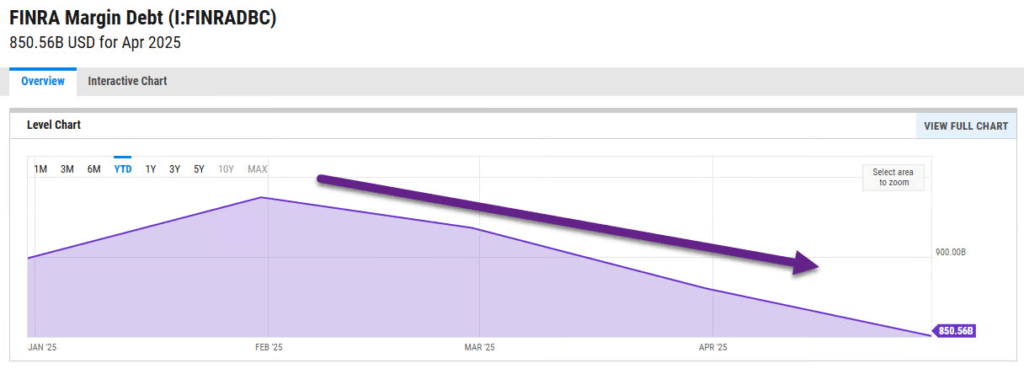
Y-Charts 10 Year FINRA margin debt chart—Breakout Above 2021 Levels.
Y-Charts
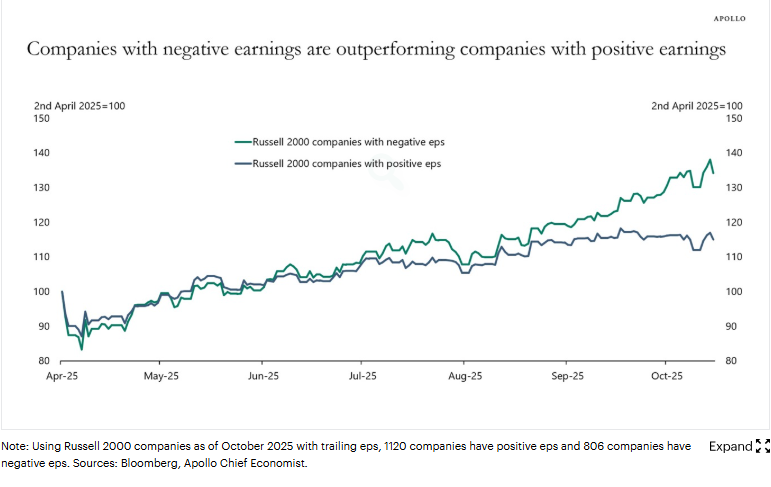
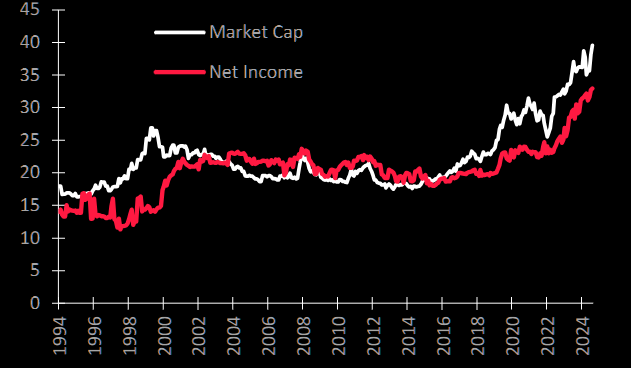
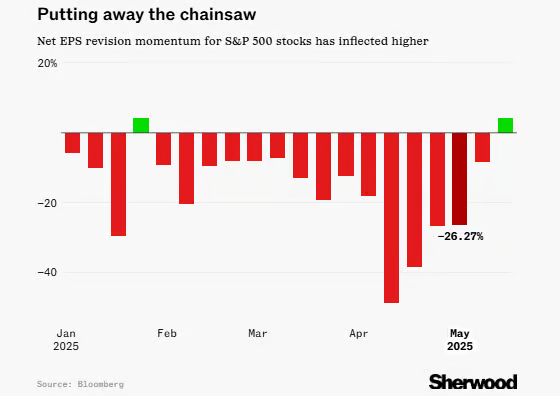
2. Companies with Negative Earnings Outperforming
Torsten Slok-Apollo
Apollo
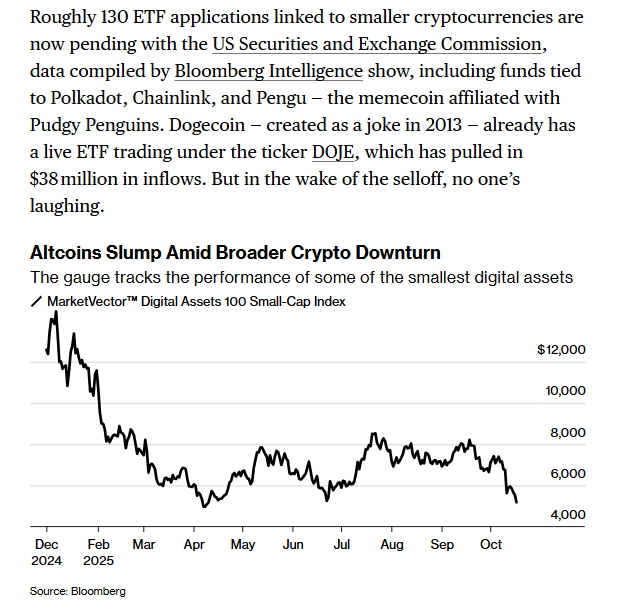
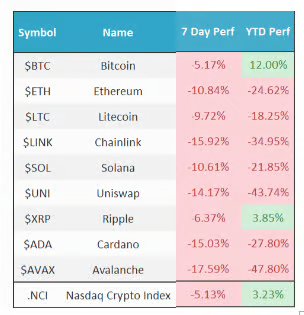
3. Altcoin Index Update
Bloomberg
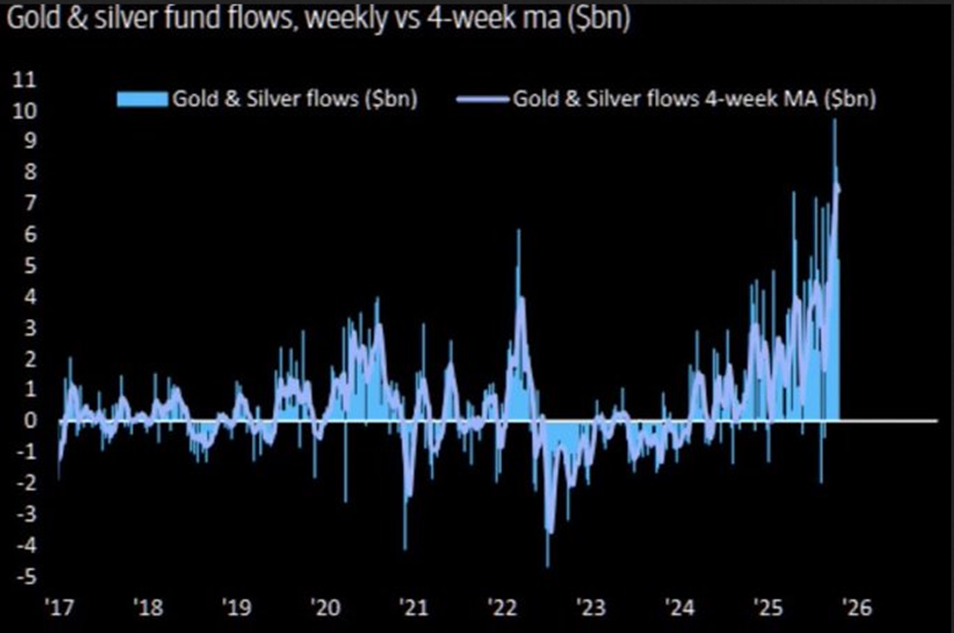
4. Gold and Silver $34B Inflows Ten Weeks
Dave Lutz Jones Trading Gold and silver have attracted a record $34.2 billion in inflows over the past ten weeks, marking the largest surge ever recorded.
Apollo
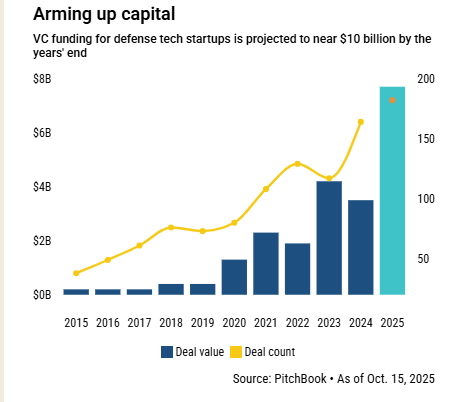
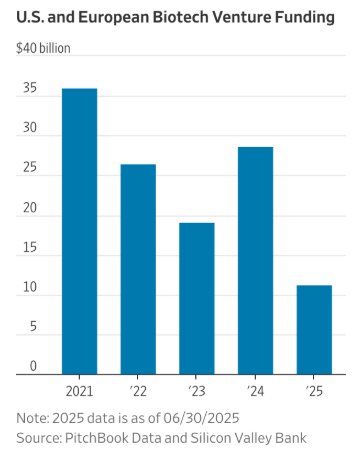
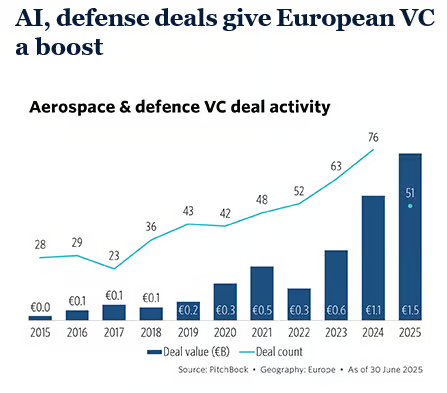
5. VC Funding for Defense Startups Hits $10B
PitchBook
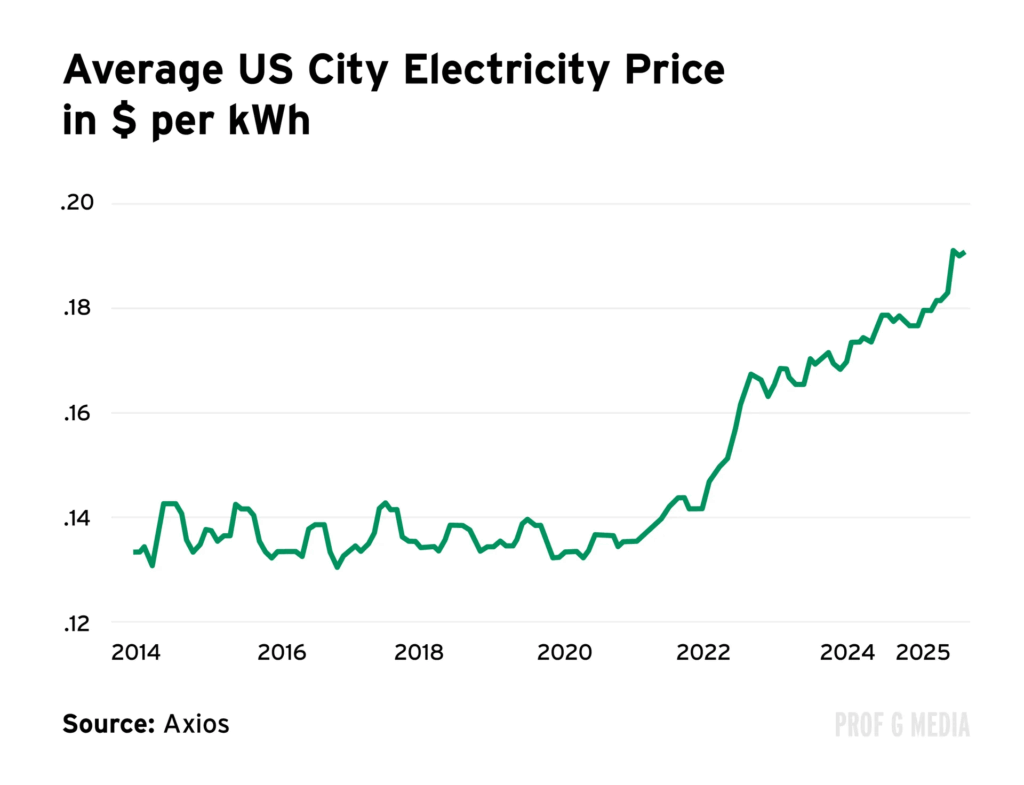
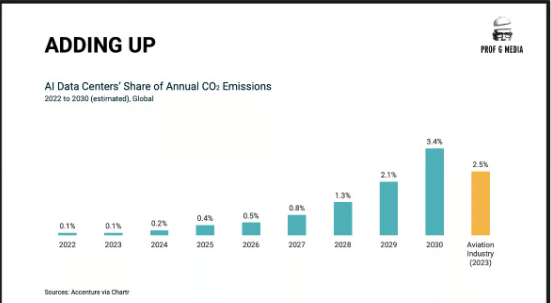
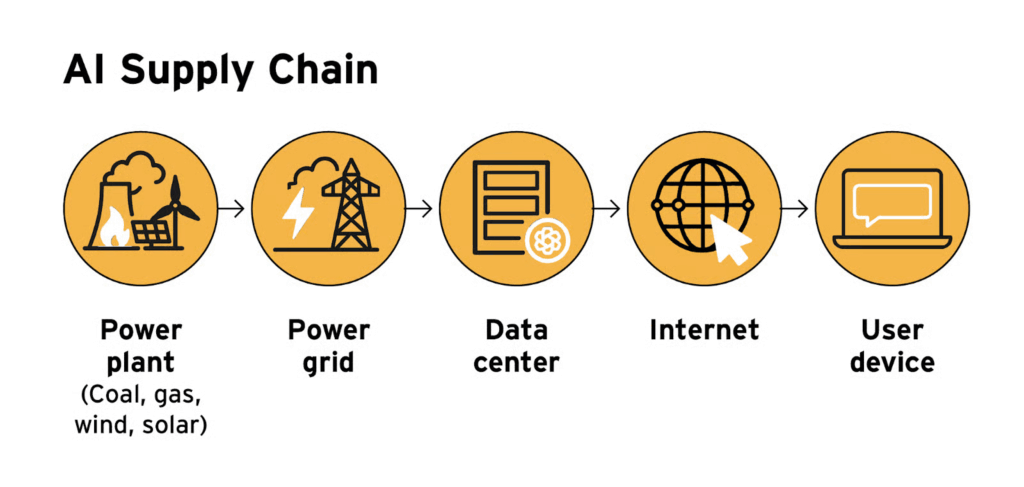
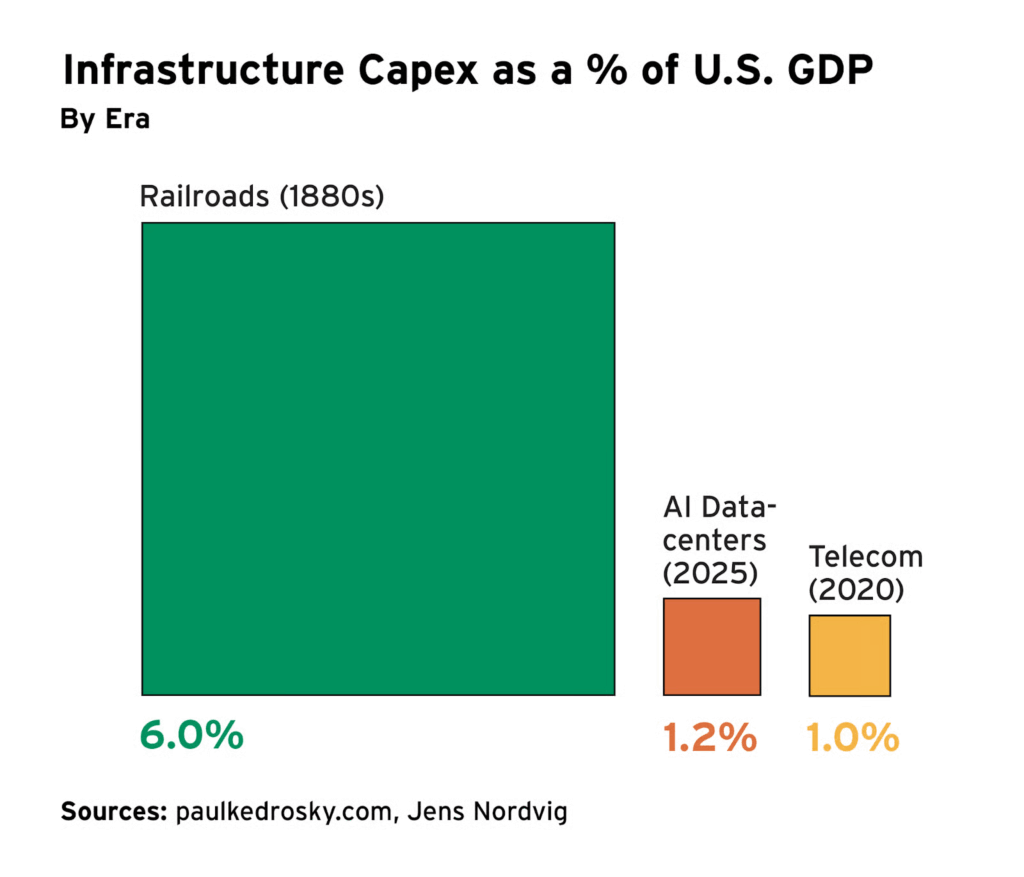
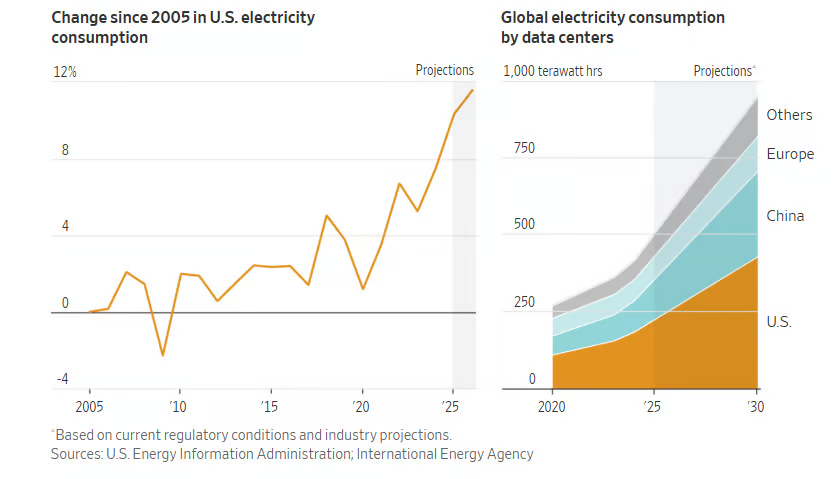
6. Prof G with Summary of AI Electricity Needs
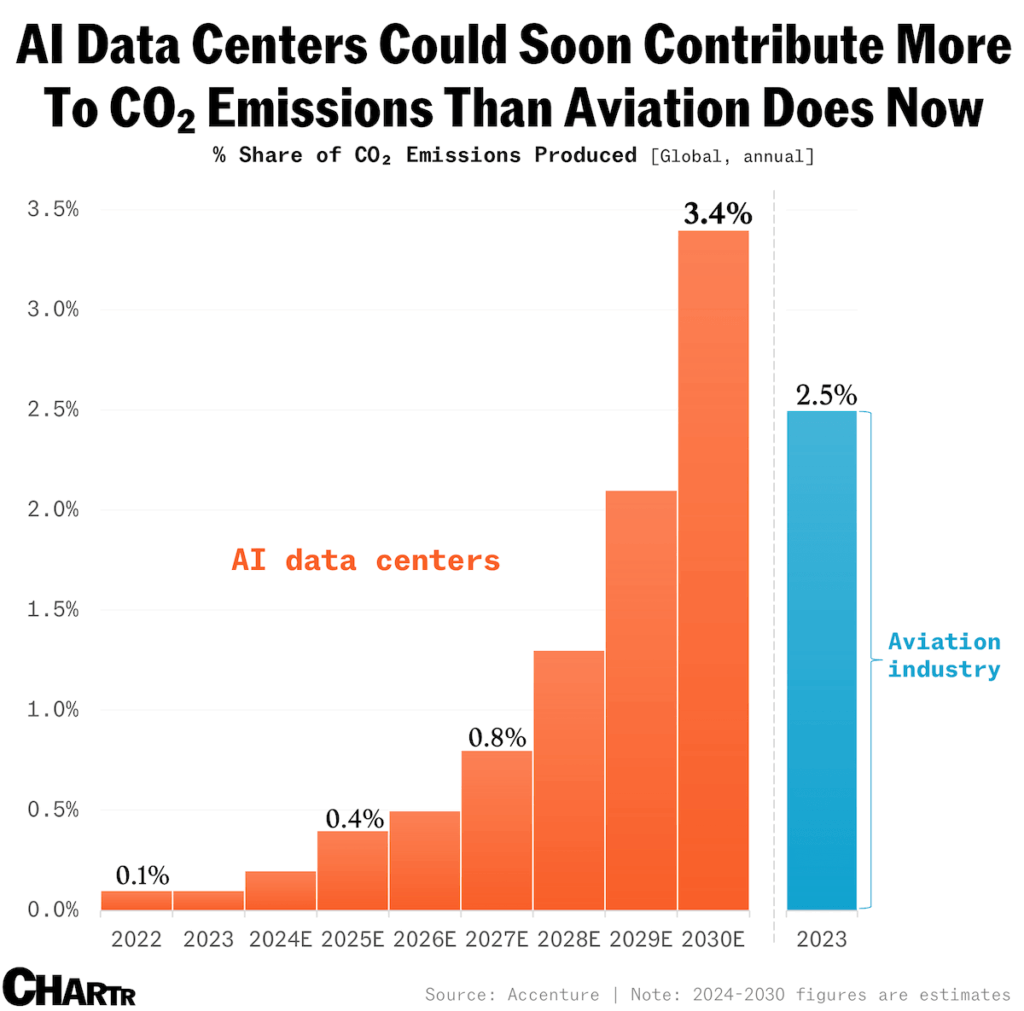
AI’s Electricity Needs Are Growing Faster Than the Grid Can Handle
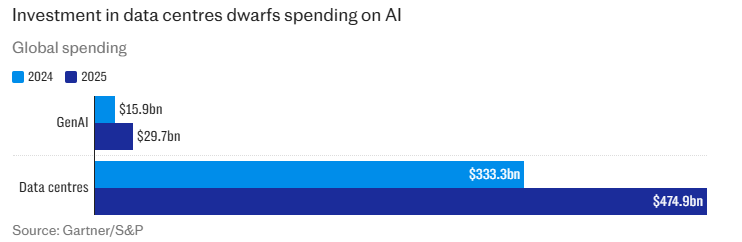
Tech companies are racing to build new data centers to handle the surge in AI computing demand. These facilities use massive amounts of electricity — just this year, electricity demand from data centers in the U.S. is estimated to rise 22%.
The problem is that the electrical grid isn’t built for that kind of growth. Power shortages are already delaying data center projects by two to six years. Which raises two questions: Can the U.S. actually produce and deliver enough electricity to sustain this boom — and if it can, who’s paying for it?
Nowhere is that question more extreme than with OpenAI. OpenAI wants to build out a chip network that would consume 250 gigawatts (GW) of energy by 2033. That is equivalent to a fifth of America’s entire electric generation capacity.
To put that in perspective: If OpenAI had 250 GW of capacity today, it would rank as the seventh-largest country in the world by electricity production capacity — ahead of France, South Korea, Brazil, and Saudi Arabia.
The U.S. added a record 56 GW of new power capacity last year. Even if that pace continued annually, OpenAI’s plan would require the company alone to use more than half of all the new electricity the country adds over the next eight years.
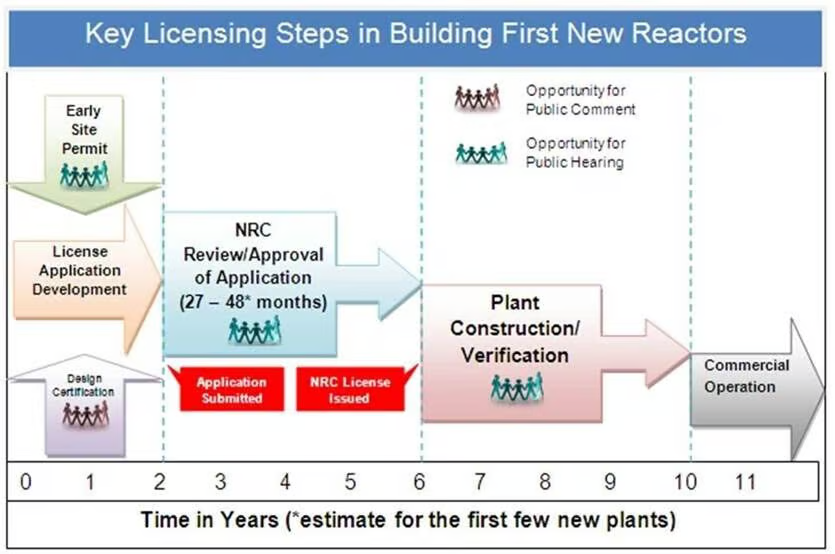
Where would that power come from? Nuclear is the popular talking point, but to generate 250 GW from nuclear alone, you’d need roughly 250 new reactors at an estimated cost of $12.5 trillion. Each one can take 15 years or more to build, so the math and the timeline don’t add up.
Natural gas isn’t a realistic option either, as much as Trump wants it to be. Just 12.5 GW of natural gas capacity is expected to come online this year, one of the biggest additions ever. OpenAI’s target is 20x that.
The obvious answer is solar. Renewable power like solar and onshore wind is the least expensive and quickest power generation source to deploy in the U.S., even without government subsidies. Of the 56 GW of capacity added last year, more than half of it came from solar.
But politics are getting in the way. The One Big Beautiful Bill Act scraps key tax credits and adds new permitting hurdles, including a requirement that new projects be personally approved by Interior Secretary Doug Burgum. These changes could cut U.S. solar capacity projections by roughly 20%.
Energy isn’t the only challenge. Local communities are increasingly pushing back against new data centers. About $64 billion worth of projects have been blocked by residents who don’t want them in their communities. Their criticism is simple: These projects raise costs without giving much back.
In major data center hubs, electricity prices have jumped as much as 267% over the past five years, according to Bloomberg. And despite the huge price tags, they don’t create many jobs.
Apple’s data center in North Carolina was a $1 billion investment, but resulted in fewer than 100 permanent jobs.
For many communities, the math just doesn’t work: higher electricity bills, environmental impacts, and little economic benefit — all to power the infrastructure behind an AI boom that may be running faster than the grid, the economy, or the public can keep up with. https://www.profgmarkets.com/subscribe
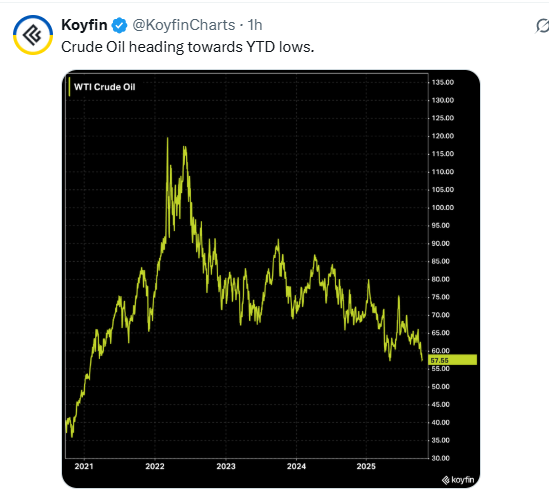
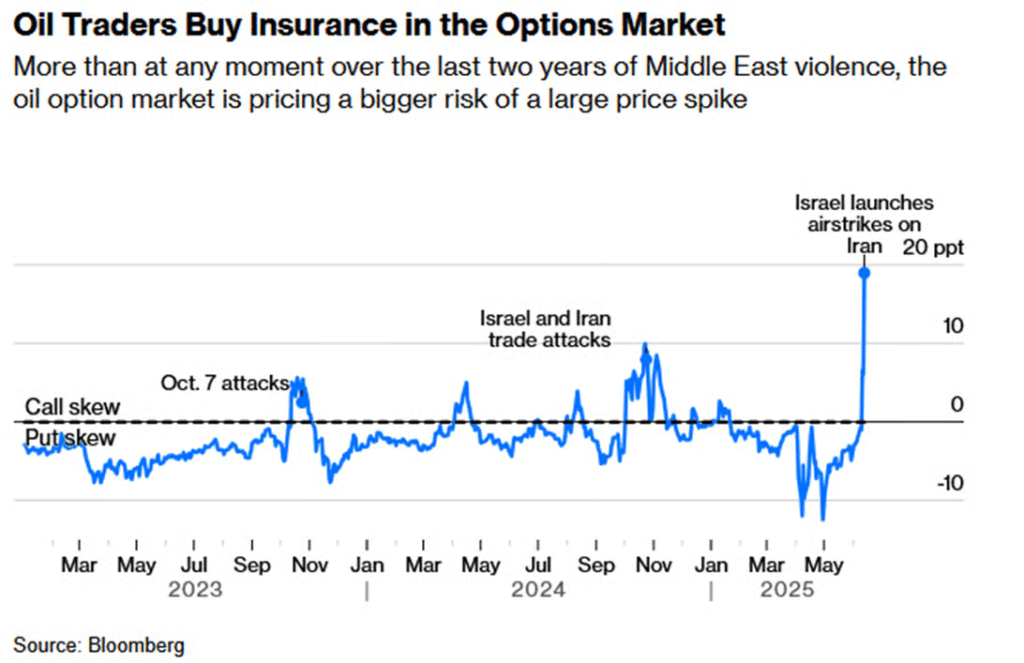
7. Crude Oil Heading to 2025 Lows
Koyfin
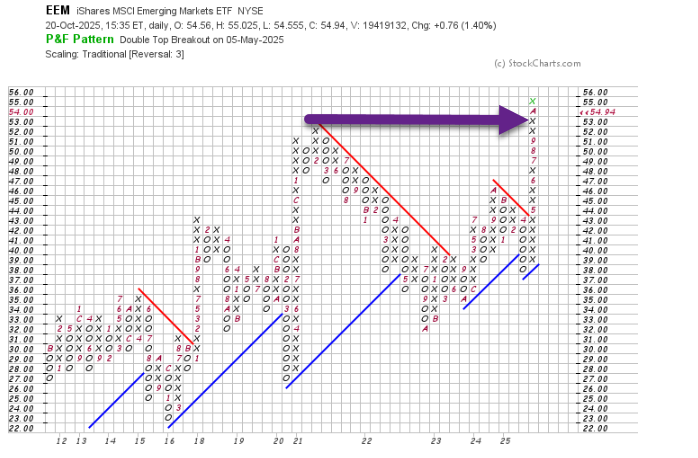
8. Emerging Market ETF Record Highs
StockCharts
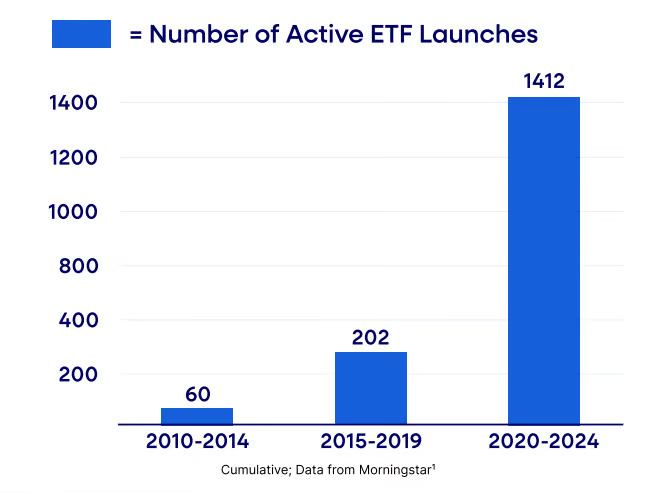
9. 5x Levered ETFS Coming….Levered ETFs 55% have Closed and 17% have Lost 98% of their Value
Business Insider
An ETF provider has filed for 27 new levered ETFs, including some 5x-levered products.
Leveraged ETFs are risky; 55% have closed, and 17% have lost over 98% of their value, Morningstar says.
The SEC’s current shutdown has left a question mark hanging over the approval of the funds.
New research shows how easy (and cheap) it is to get your brain in shape-Psychology Today Susan Krauss Whitbourne
Key points
Worry about loss of memory and development of a dementing illness can lead people to feel there’s no hope.
The large and well-controlled study, the U.S. POINTER shows how 4 simple lifestyle changes can pay off.
Adopting these 4 changes will more than pay off over the years in your physical and mental health.
People worry about losing their memory as they get older, or worse, developing a dementing illness such as Alzheimer’s Disease. It’s hard not to get caught up in a cycle of fear as you read the headlines everywhere proclaiming that this form of dementia is spreading uncontrollably like a wildfire through the aging population.
Even though there are more nuances to the data on dementia’s prevalence, this doesn’t minimize the desire that people have to keep their brains healthy and sharp. Puzzles abound on hundreds of websites and apps, all claiming to provide an antidote to the caving in of your mental skills over time. But can they work?
POINTER: The Latest Demonstration that Training Works
In a newly published paper, Baker et al. (2025) report on POINTER U.S., a two-year intervention program on 2,111 adults considered at risk for cognitive decline and/or dementia. The study compared two training programs into which participants (average age 68 years) were randomly assigned to either a structured or self-guided training. The training itself consisted of a set of lifestyle changes and activities known from previous research to address cognitive decline.
The philosophy of (and prior evidence supporting) POINTER is that cognitive decline in later adulthood need not be inevitable. However, it’s not just a one-and-done. As the authors note in their first, methods-oriented paper (Baker et al., 2024), a “multidomain” approach is needed to “increase cognitive resilience and protect against cognitive decline” (p. 770). POINTER did just that.
Why, and How, Does Training Work?
One of the underlying tenets of POINTER is that cognitive decline occurs in part due to lack of physical fitness; specifically, heart health. Putting this simply, the brain needs blood, and without it, brain cells die. The job of the heart is to provide that blood. When you’re physically fit, you give your heart as much of a chance as possible to do this job.
Physical fitness depends partly on exercise but also, as you might guess, on a healthy diet. It’s becoming increasingly clear in the research community that what you eat does affect your cognitive functioning. The scientifically validated “MIND” diet, or Mediterranean-DASH Intervention for Neurodegenerative Delay, capitalizes on all of the good things included in the two diets that form its title. You can eat pretty well on a MIND diet, which includes grains, nuts, berries, fish, and veggies, but you also have to watch your intake of cheese, sweets, red meat, and fried foods. Small sacrifice compared to getting heart disease or dementia.
Returning to POINTER, it very simply combined the best of all worlds from exercise and diet in an intervention package that was either delivered in person by training staff or taken home in the form of a self-guided set of activities and programs. Amazingly enough, not only did both interventions work, but the self-guided one just about reached the improvement level of the in-person training, as reported by Baker et al., 2025.
So, what was in the secret sauce that participants could use on their own? Although exact details aren’t available in the study itself, you can see from the structured intervention what its elements should ideally include:
Adhere to the MIND diet: The MIND website has extensive coverage on the components of this healthy diet. You can also visit Myplate.gov, which provides individualized menus based on your age, health, and preferences.
Incorporate aerobic and resistance exercise into your day: Now we’re getting real! In the structured group, participants worked out in local gyms with consultation from group leaders. However, the exercises were pretty basic: moderate-to-high intensity and weight-bearing activities such as you might find here.
Play some cognitive games: The POINTER participants had access to commercially based resources, but you can get similar ones for free just by browsing around online. The key is to maintain a steady intellectual diet and find activities that motivate you, whether word games or visual puzzles. Keep them up, and you’ll soon build an impressive “streak”!
Reach out to others: Both interventions in POINTER involved some type of interaction with fellow participants or team leaders. Not only can these interactions keep you engaged with others, but they also ensure you stay motivated. Knowing that someone else is monitoring your progress (or even competing with you)can add that extra boost of reinforcement. It only took six meetings for the self-guided intervention to be effective.
Putting POINTER’s Findings to Use for You
As much as the self-guided intervention proved effective in terms of boosting cognitive performance over the two years of the study, the structured group actually did show a significantly greater improvement, but only by a fraction. Ideally, to make the POINTER findings work best, you’d try to find a comprehensive hands-on training opportunity rather than relying on your own ability to put something together. If that’s not an option, build your own program, write it down, and stick to it.
Indeed, as the editor of the prestigious journal in which the study was published (JAMA) noted: “Rather than the difference, the more striking finding is perhaps the similarity of the cognitive benefits across both groups, despite the self-guided group requiring only a fraction of the engagement and interventions.” Not only that, but the self-guided group was cheaper to administer. It can also, the editor argues, be delivered remotely.
One other point worth mentioning is that POINTER worked without any costly “memory” supplements such as those advertised incessantly on broadcast TV and YouTube. You’re only paying for the food you would eat anyhow, or at least healthy versions of that food. You may need to get new sneakers, but everyone needs shoes.
To sum up, there’s no reason to give up on your cognitive abilities just because you don’t feel you have the time or resources. You can change your eating and exercise habits as well as your engagement in games and social interaction without a huge investment. The rewards of preserving your mind and your health will more than pay off in terms of your health and fulfillment.
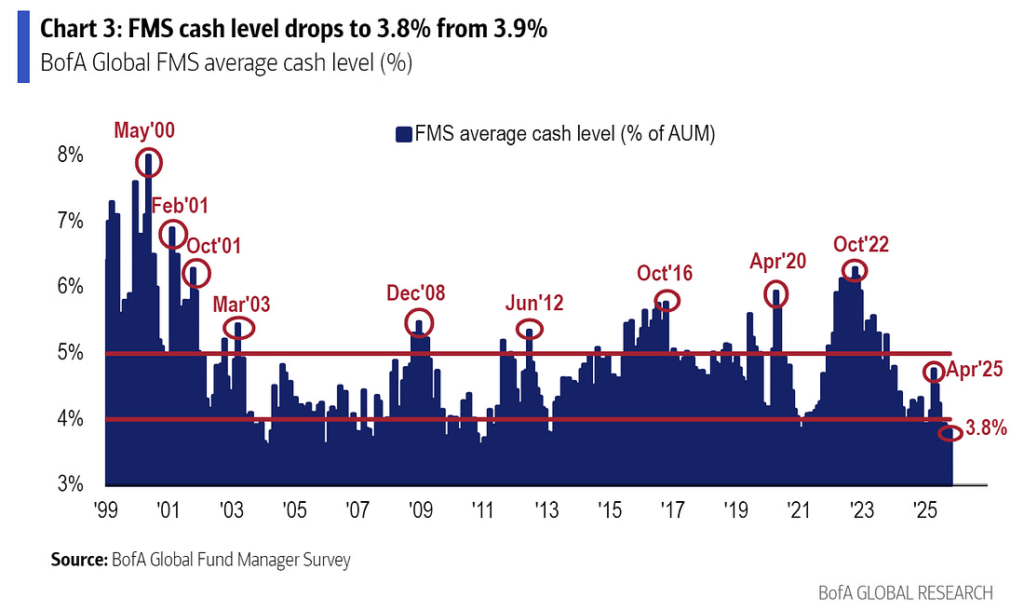
1. Cash-Fund Managers Running Record Low Cash Allocation
Cash is Trash — Fund Managers: And as such, fund managers are running very low allocations to cash. Definitely a sign of the times… and they’re not the only ones.
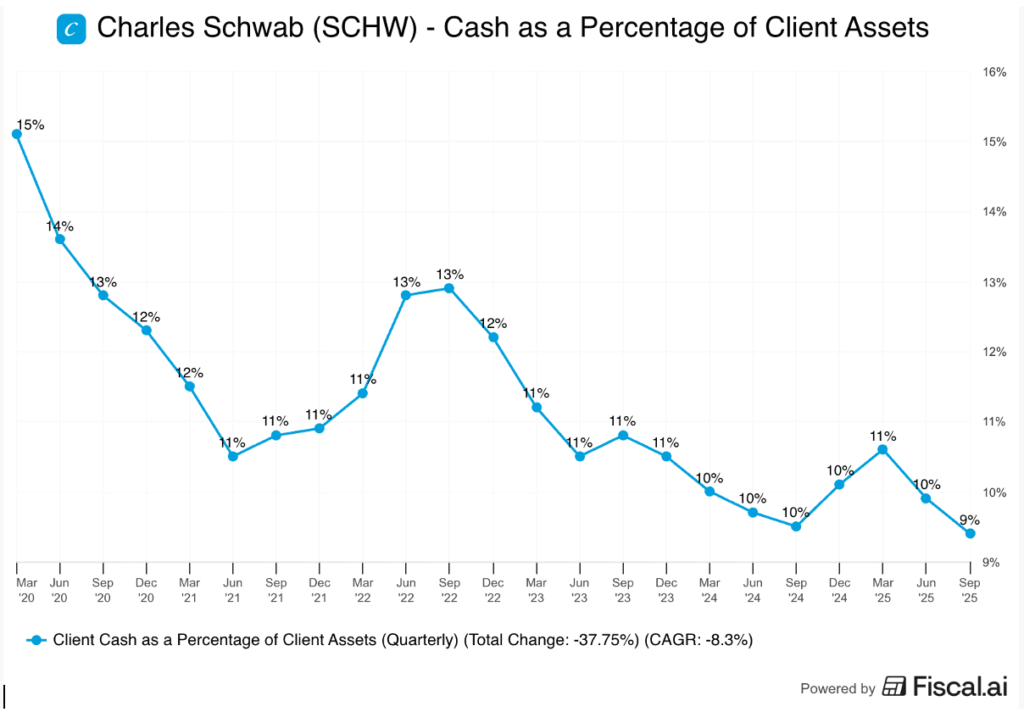
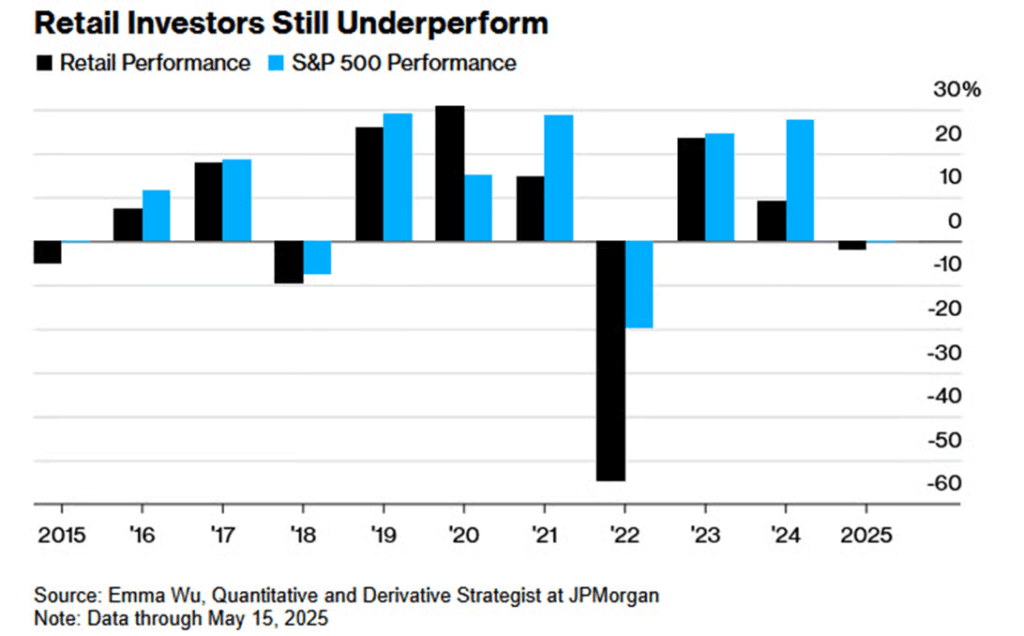
2. Retail Investors Lowest Cash Allocation Since 2007
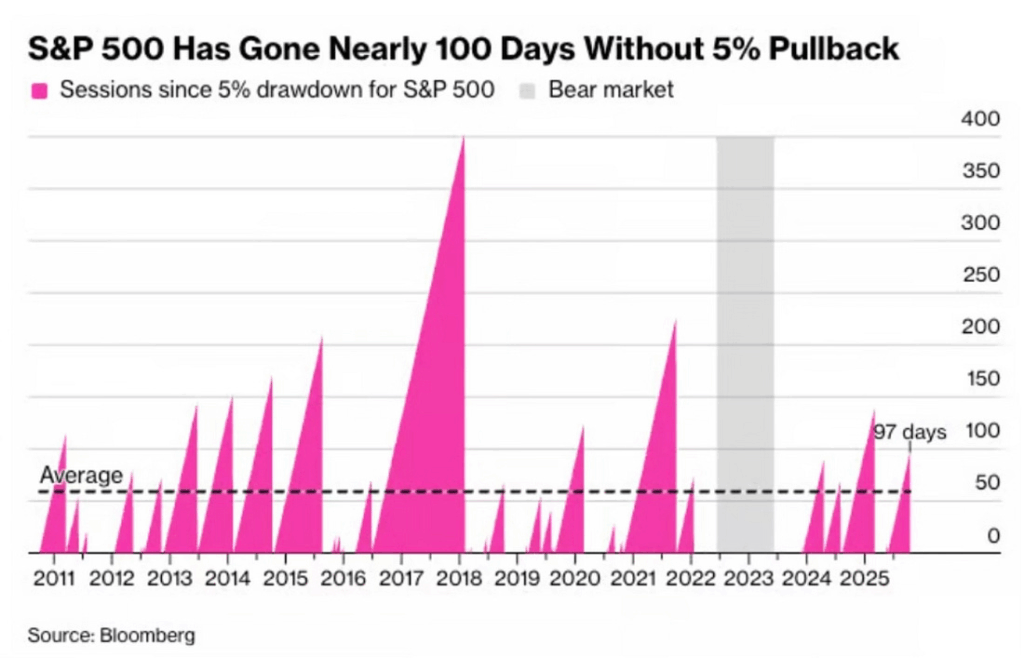
3. 100 Days Without 5% Pullback in S&P—Average is 59 Days
Even with renewed volatility, it has been 100 days since the S&P 500 has had a 5% pullback. The average is 59 days. That shows just how smooth of a road the stock market has had over the past three months.
9. Protein Powders and Shakes Contain High Levels of Lead
Consumer Report By Paris Martineau Much has changed since Consumer Reports first tested protein powdersand shakes. Over the past 15 years, Americans’ obsession with protein has transformed what had been a niche product into the centerpiece of a multibillion-dollar wellness craze, driving booming supplement sales and spawning a new crop of protein-fortified foods that now saturate supermarket shelves and social media feeds.
Yet for all the industry’s growth and rebranding, one thing hasn’t changed: Protein powders still carry troubling levels of toxic heavy metals, according to a new Consumer Reports investigation. Our latest tests of 23 protein powders and ready-to-drink shakes from popular brands found that heavy metal contamination has become even more common among protein products, raising concerns that the risks are growing right alongside the industry itself.
For more than two-thirds of the products we analyzed, a single serving contained more lead than CR’s food safety experts say is safe to consume in a day—some by more than 10 times.
10. Putting Yourself in Positions for Good Things to Happen
A lot of success in life is just putting yourself in a position for good things to happen to you.
+ Be reliable + Avoid drama + Help other people win + Take care of your body + Take care of your mind + Live below your means + Treat your job as if it matters + Take care of your relationships
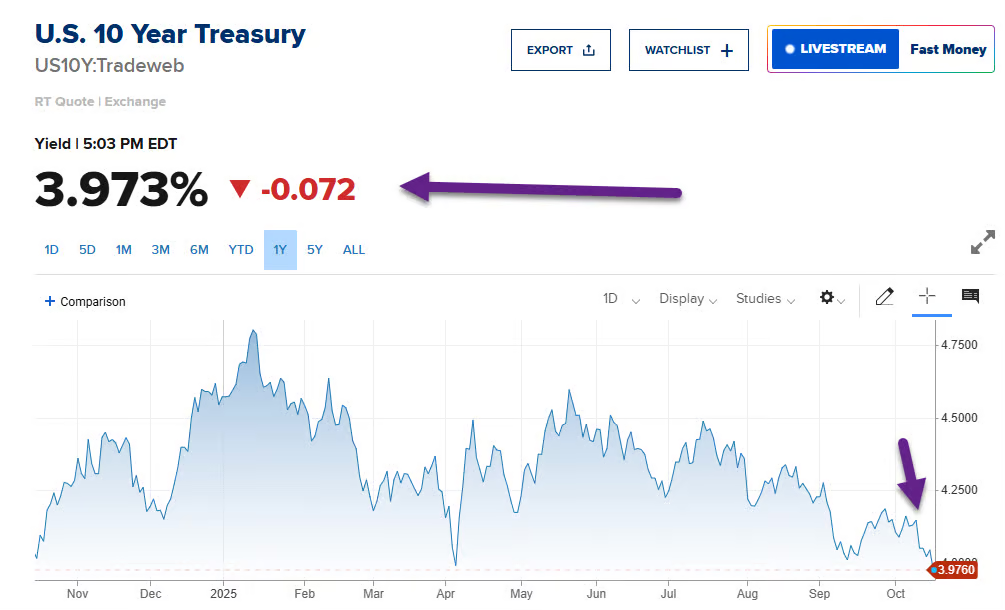
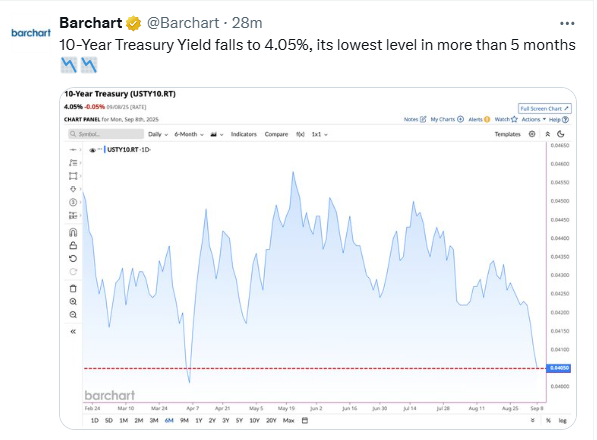
1. 10-Year Treasury Closes Below 4% First Time in 12 Months
CNBC
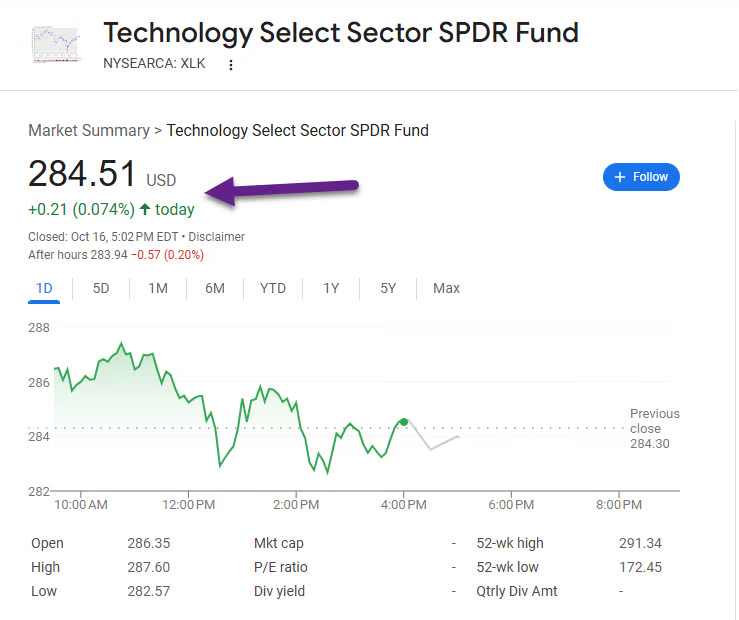
2. Tech Doesn’t Care About More Credit Cockroaches?? XLK Closed Higher Yesterday
Google Finance
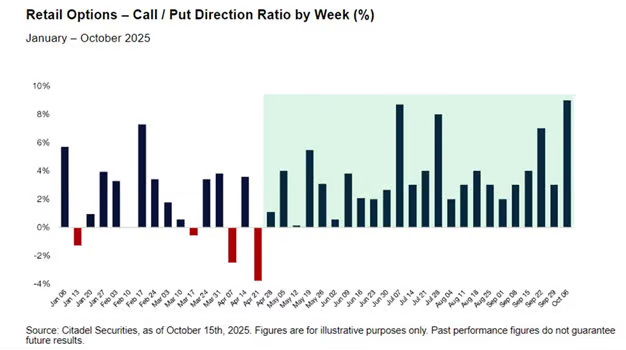
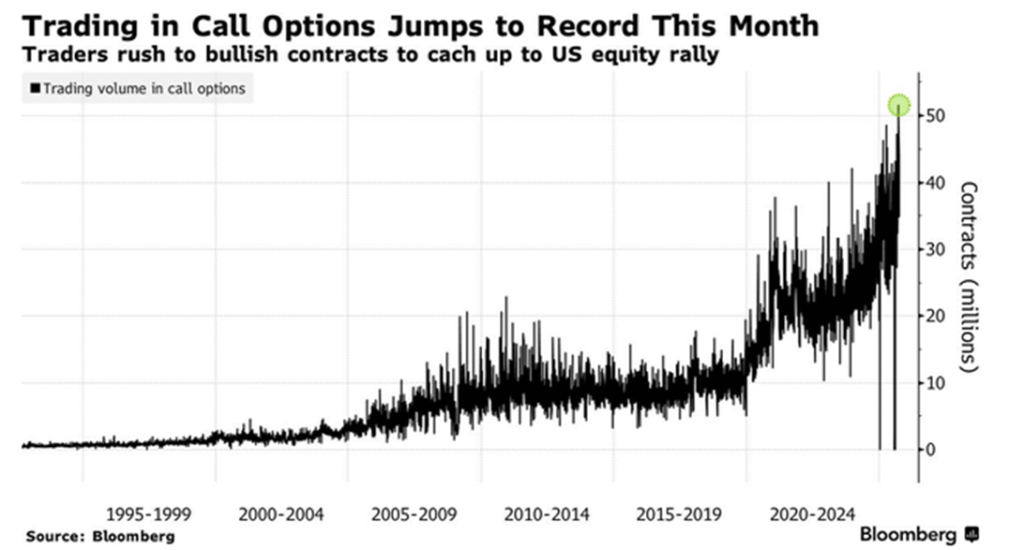
3. Retail Options Trading
Retail traders’ demand for call options has outpaced puts for 24 consecutive weeks, which ties with November 2023 for the longest streak ever, said Citadel Securities’ Scott Rubner, citing data going back to 2020. Retail traders’ conviction in the stock market “remains extraordinary” he says.
Dave Lutz Jones Trading
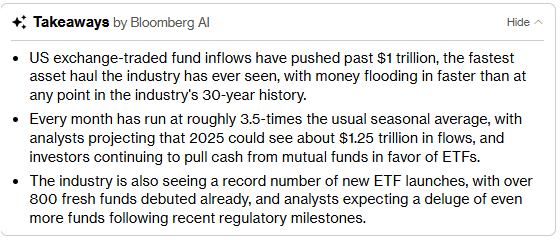
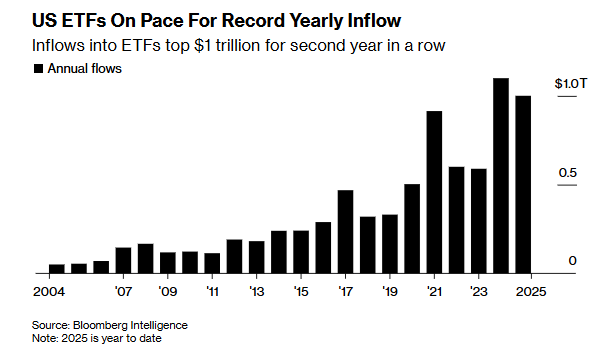
4. U.S. ETFs Monthly Flows 3.5x the Usual Seasonal Average
Bloomberg
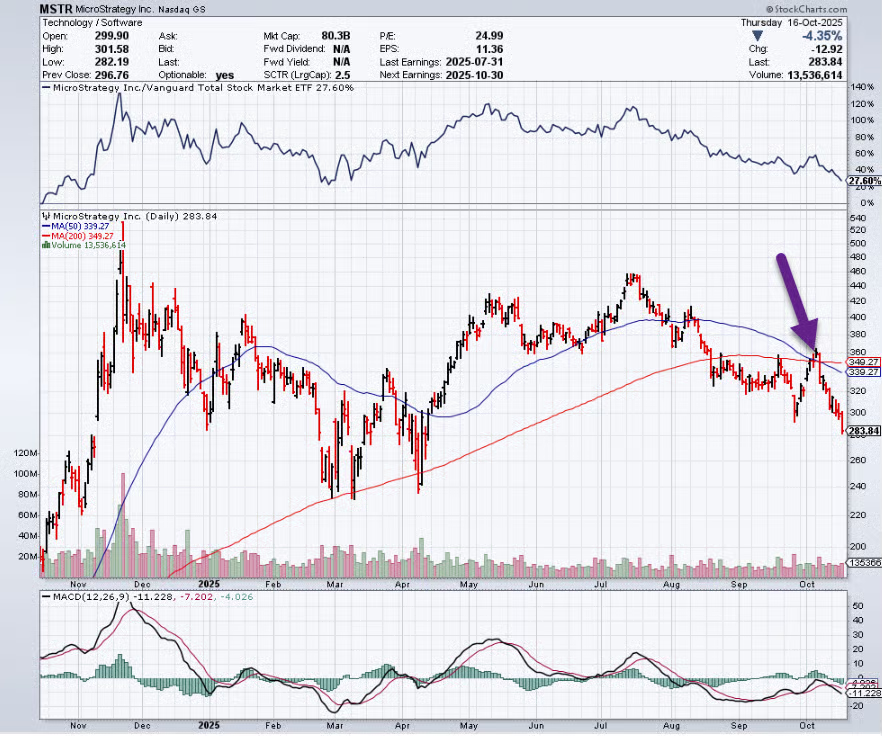
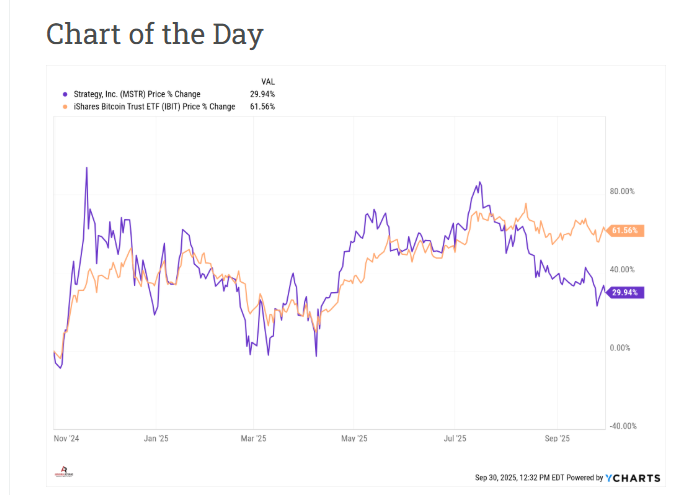
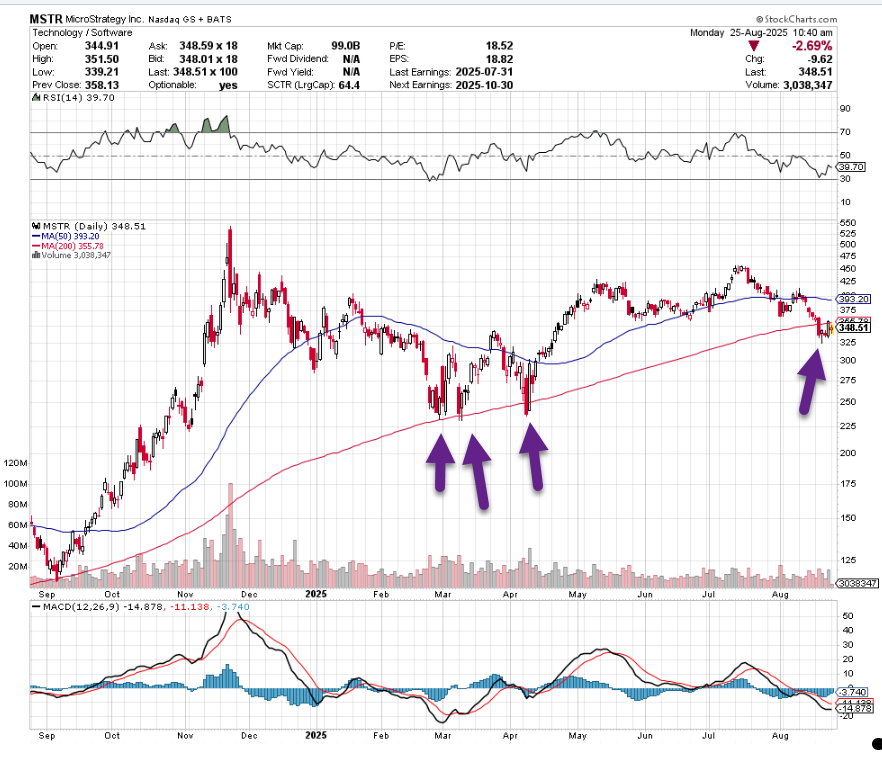
5. MicroStrategy -38% from Highs…50day thru 200day to Downside in October
StochCharts
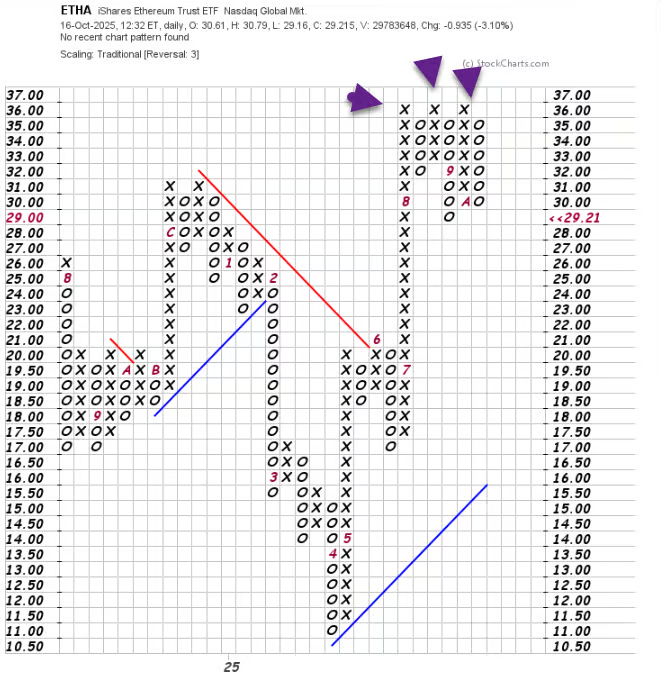
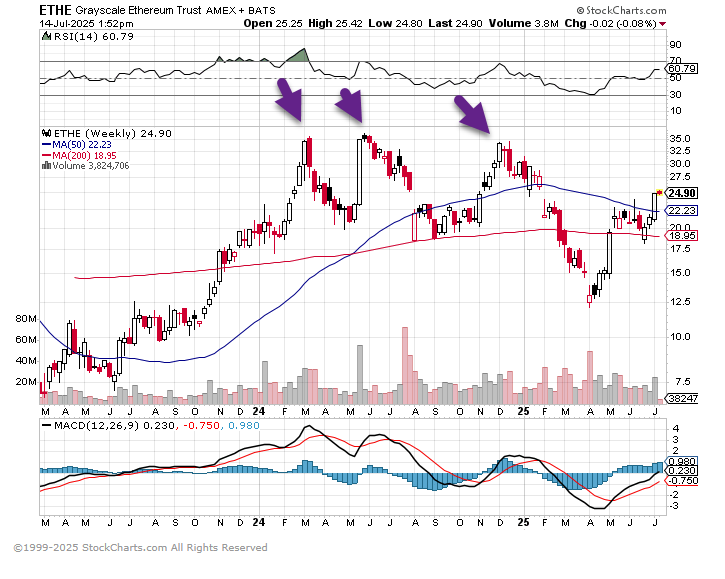
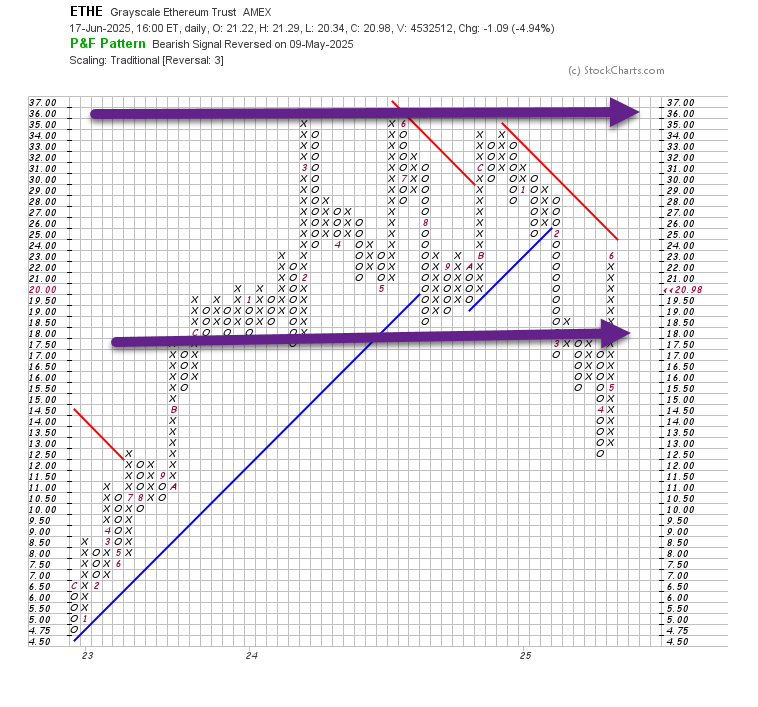
6. Ethereum ETF-A Couple Attempts to Break-Out to New Highs Failed
Stock Charts
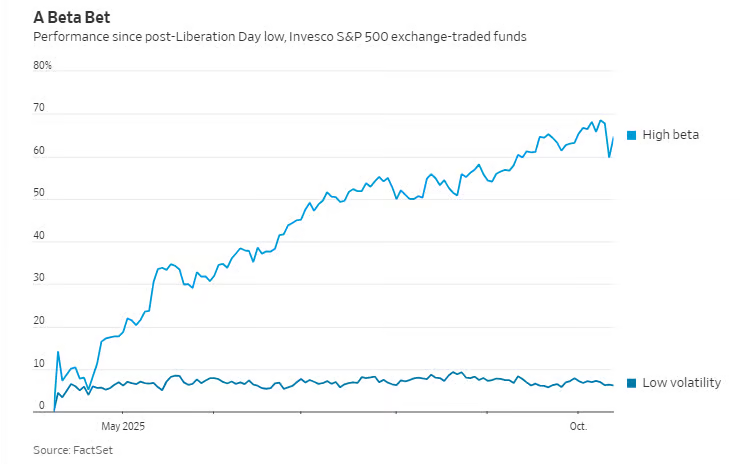
7. Massive Spread in Just 11 Month Period High Beta vs. Low Volatility…..At Highs +68% vs. +7%
WSJ
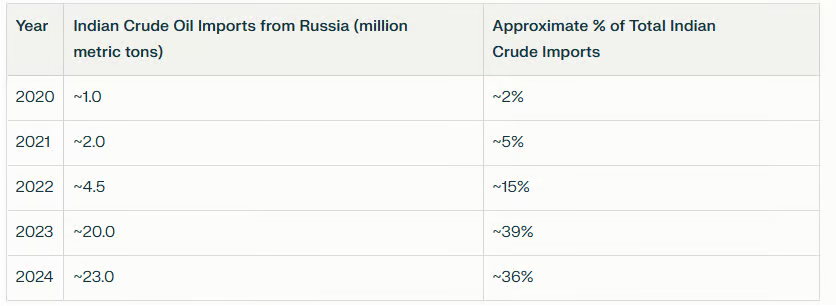
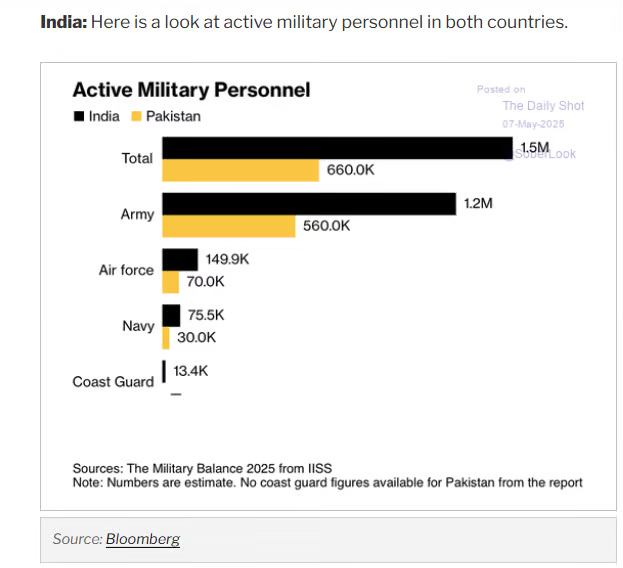
8. India Pre-Ukraine Invasion Bought $1B of Russian Oil Imports….2024 India Imported $52.7B of Russian Oil 36% Of Total
Perplexity
Zerohedge-“Within a short period of time, they will not be buying oil from Russia,” Trump told reporters in the Oval Office during a press conference.
Before Russia invaded Ukraine, India’s annual crude oil imports from Russia hovered at about $1 billion. But since the war began, imports have skyrocketed, reaching $25.5 billion in 2022, $48.6 billion in 2023, and $52.7 billion in 2024, according to the U.N. Comtrade database.
Experts at the Observer Research Foundation think tank estimate that India accounts for more than one-third of Russia’s crude exports, behind China’s 50 percent share.
“Indian refiners have temporarily ramped up Russian crude imports, without any visible signs of concern emerging from the political leadership,” the foundation wrote in a report.
The United States has accused India of reselling Russian oil on the open market, allegedly further benefiting Russia.
“India’s subsequent reselling of this oil on the open market, often at significant profit, further enables the Russian Federation’s economy to fund itsaggression,” Trump’s executive order reads.
In December 2021, Russian President Vladimir Putin and Modi signed a flurry of trade and arms deals. Putin and Modi also signed nine agreements related to trade, research, and climate action in July 2024.
According to the U.S. Trade Representative’s Office, the U.S. goods trade deficit with India was almost $46 billion in 2024, representing a 5.9 percent increase from 2023.
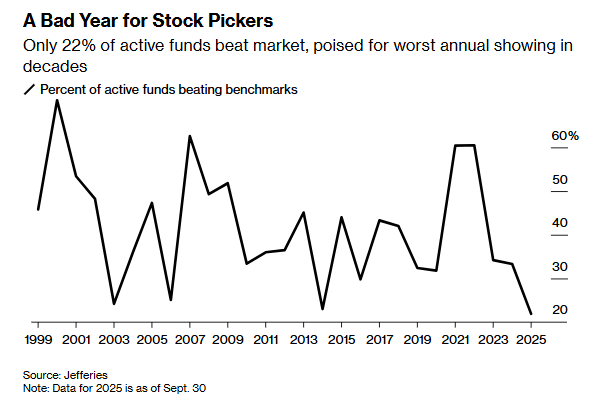
1. A Bad Year for Stock Pickers…Momentum Ruled Over Fundamentals 2025
Bloomberg
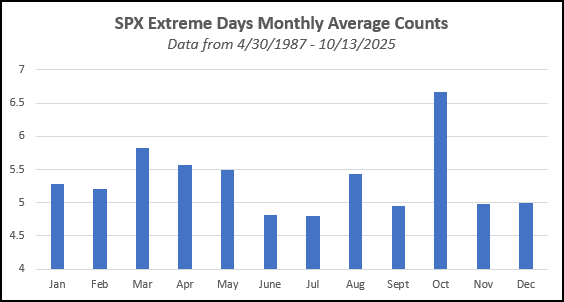
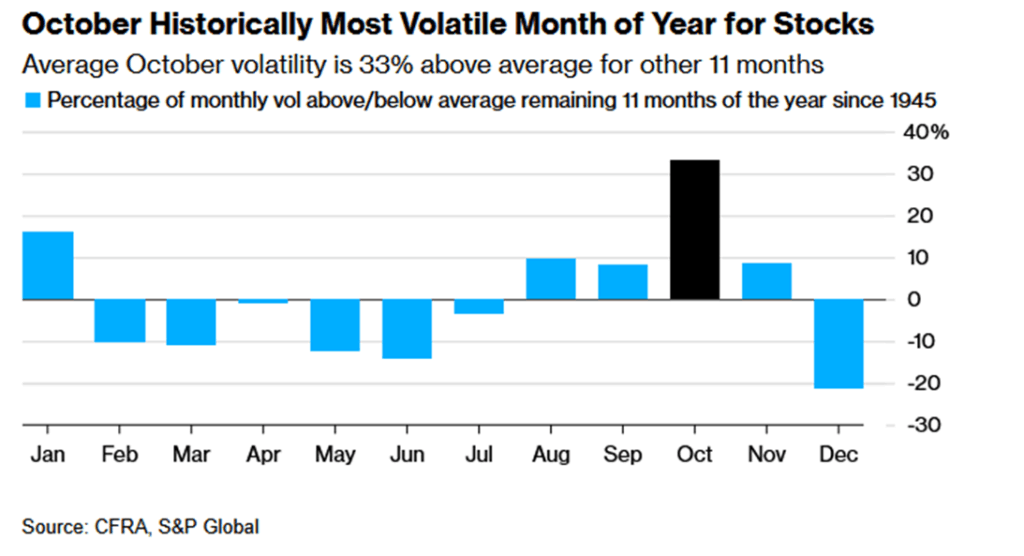
2. October Volatility Common…Highest Vol Month
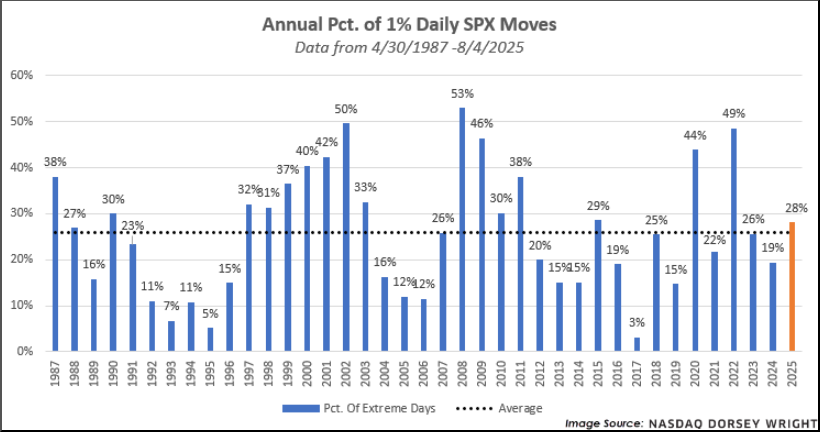
Nasdaq Dorsey Wright October historically sees significantly more volatile days than other months. Gong back to 1987, the S&P 500 averages just under seven days of 1% movement, the highest average of any month. This volatility tends to trail off as we get close to year-end. November and December each average about five 1% days, among the lowest average of any month.
NASDAQ DORSEY WRIGHT
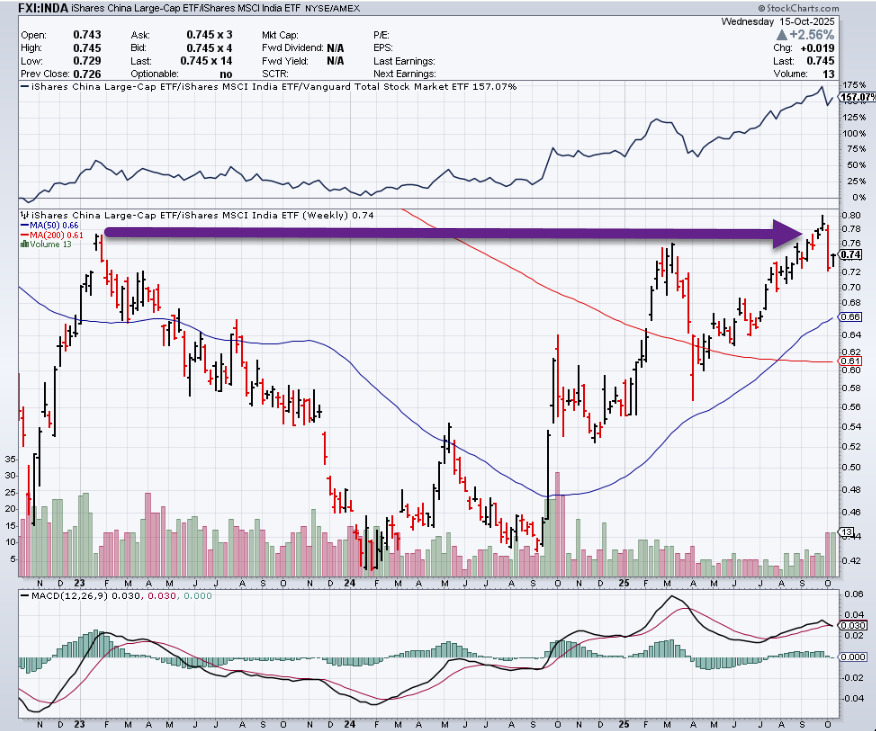
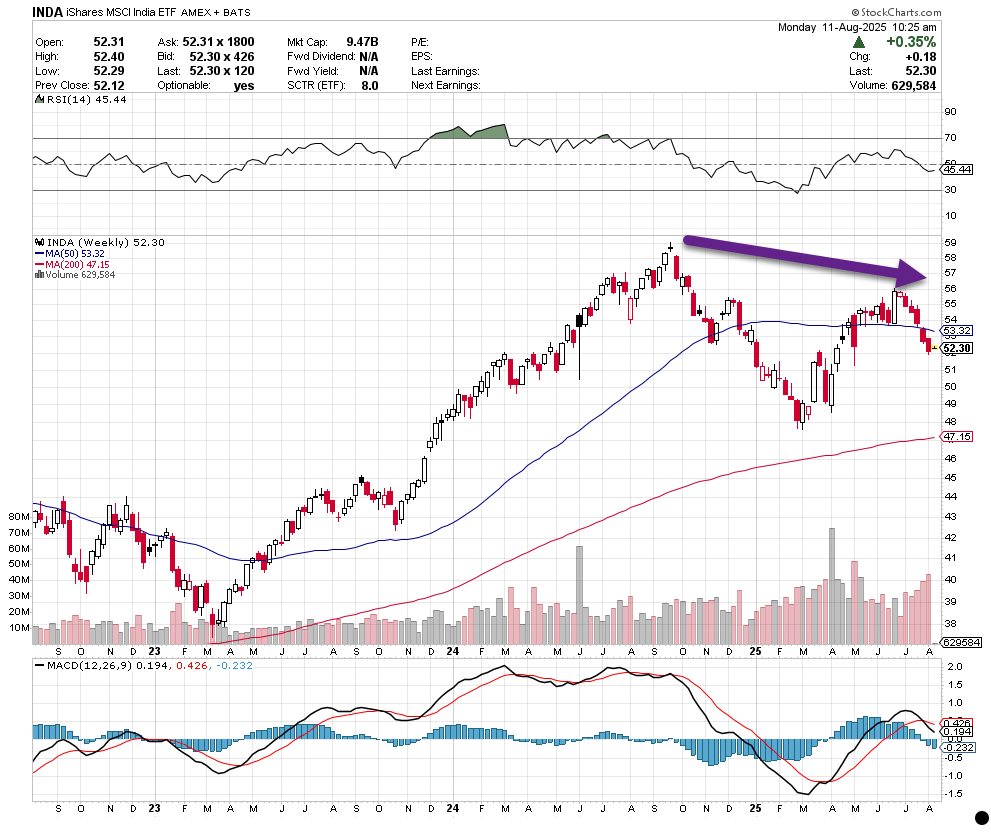
3. China ETF (FXI) Breaks Out vs. India (INDA)
StockCharts
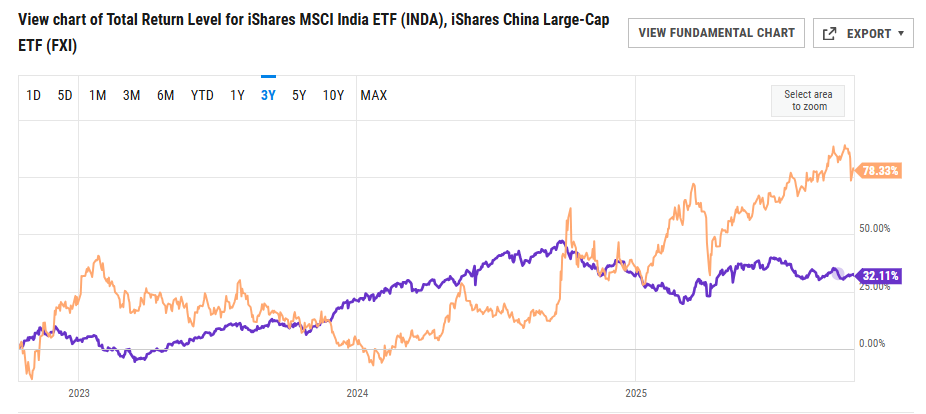
4. China Back in Lead vs. India…3-Year China +78% vs. India +32%
YCharts
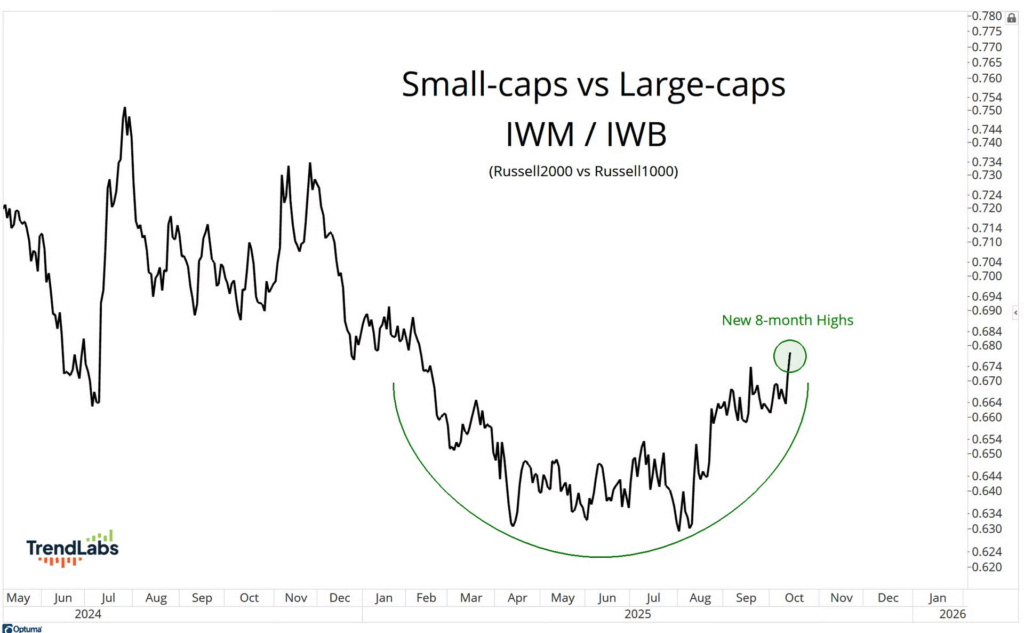
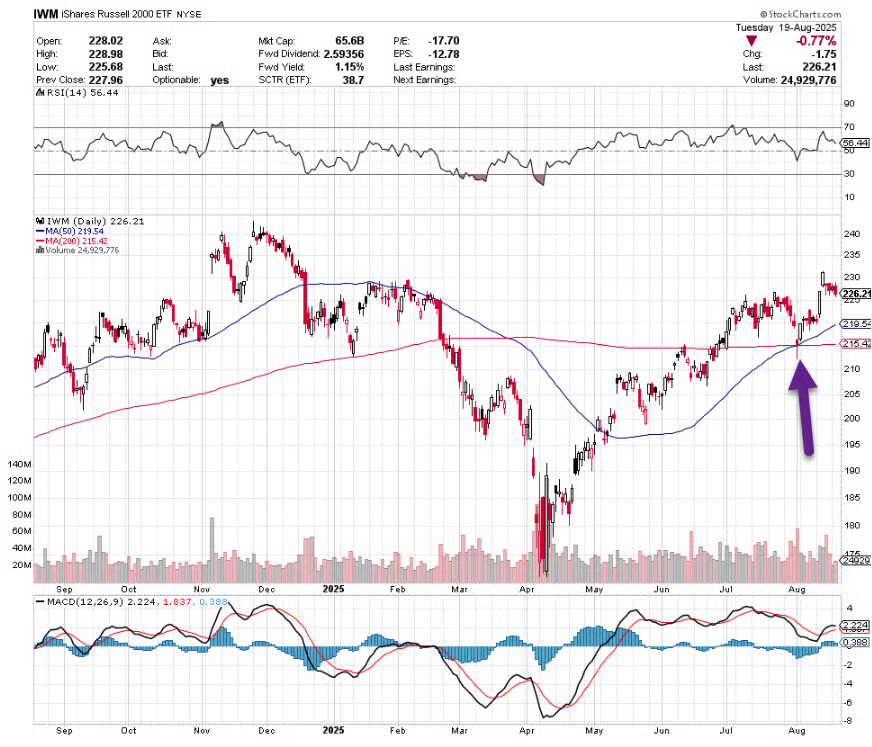
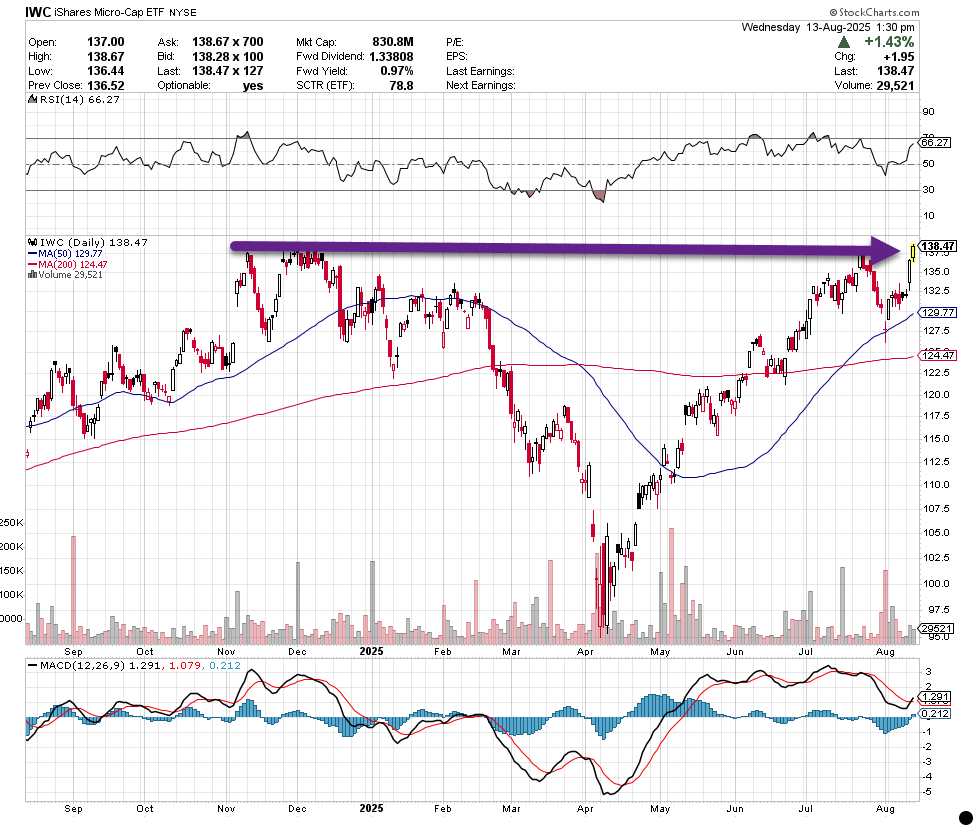
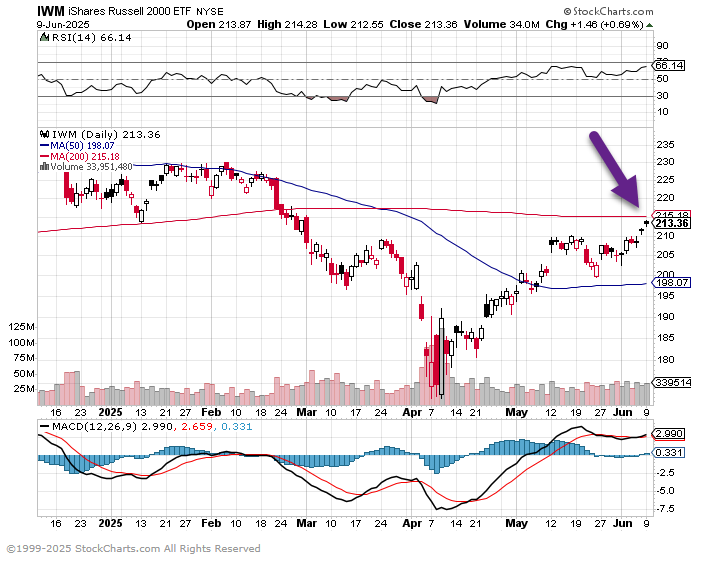
5. Small vs. Large. “Small-caps today are hitting the highest levels since February relative to Large-caps.”
DAILY CHARTBOOK
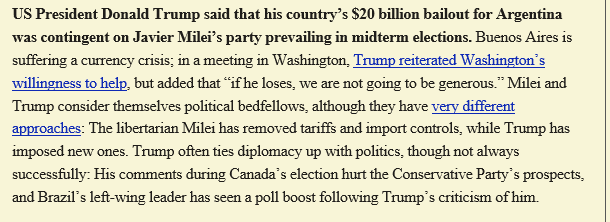
6. Since 1956 Argentina has Received 23 Bailouts for the IMF
Since 1956, the country that gave the world Diego Maradona and the tango has received 23 bailouts from the International Monetary Fund (largely funded by the U.S.). Not only have the bailouts not fixed the underlying problems facing Argentina, but the country has defaulted on its sovereign debt nine times, including three defaults since 2000. https://fundstrat.com/
Semafor
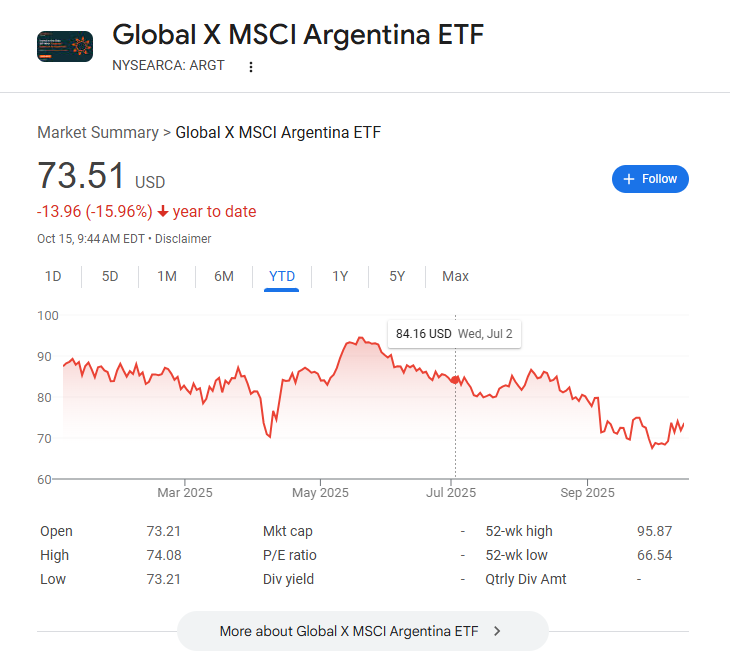
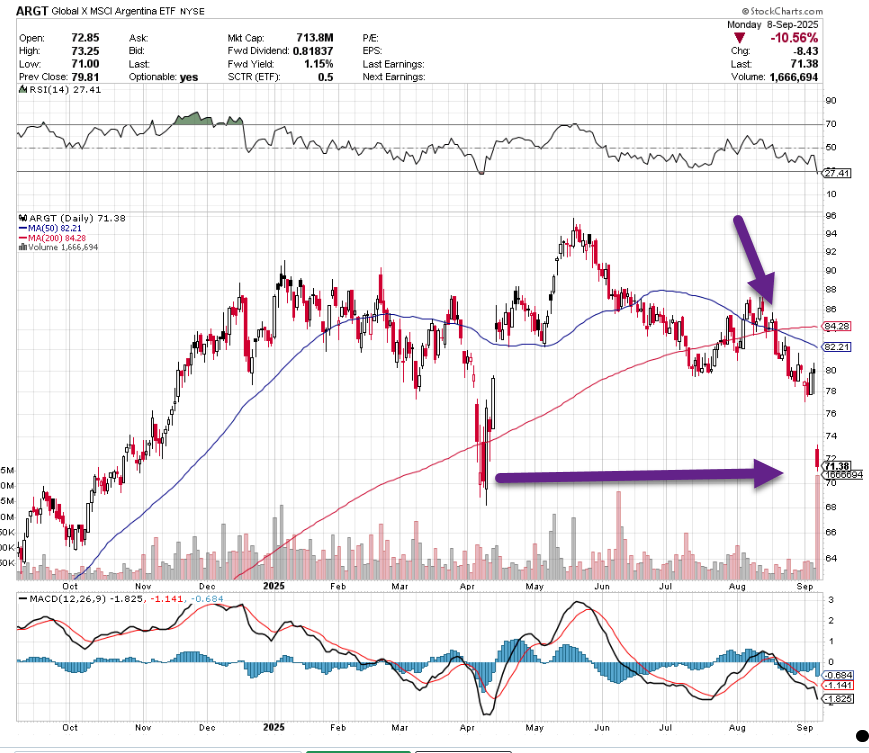
Argentina ETF -16% YTD
Google Finance
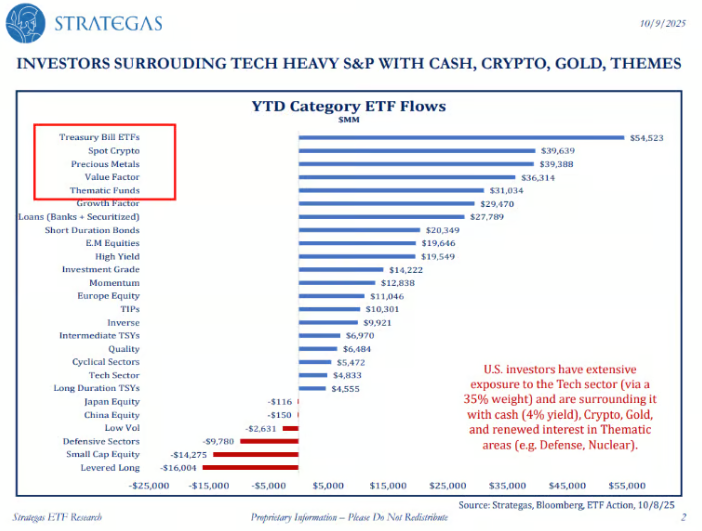
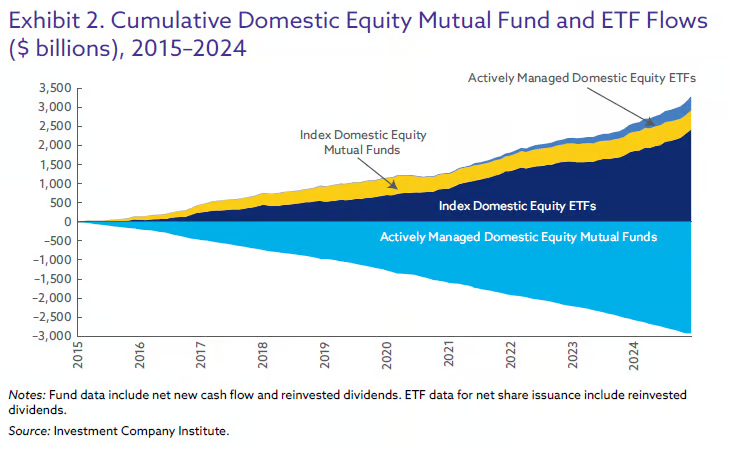
7. Year to Date ETF Flows
The Irrelevant Investor
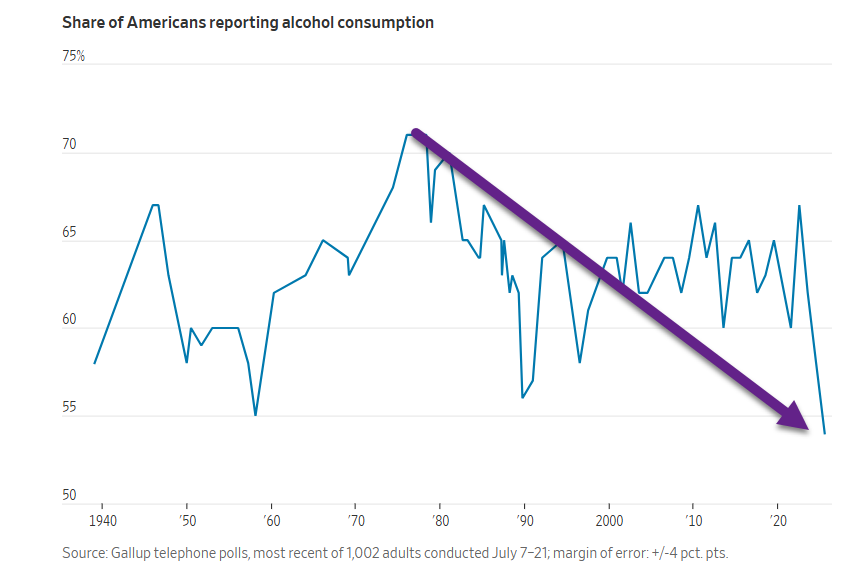
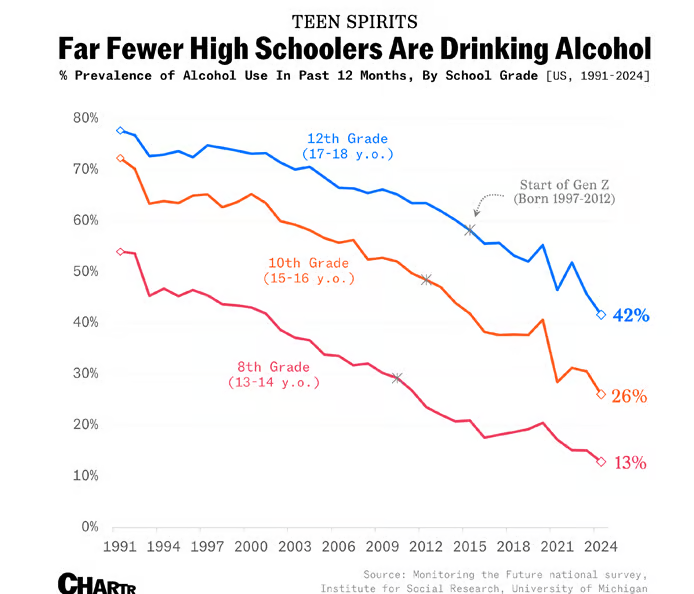
8. Share of Americans Drinking Alcohol Breaks to New All-Time Lows
2. XLY Consumer Discretionary (offense) Made New High Versus XLP Consumer Staples (defense)
StockCharts
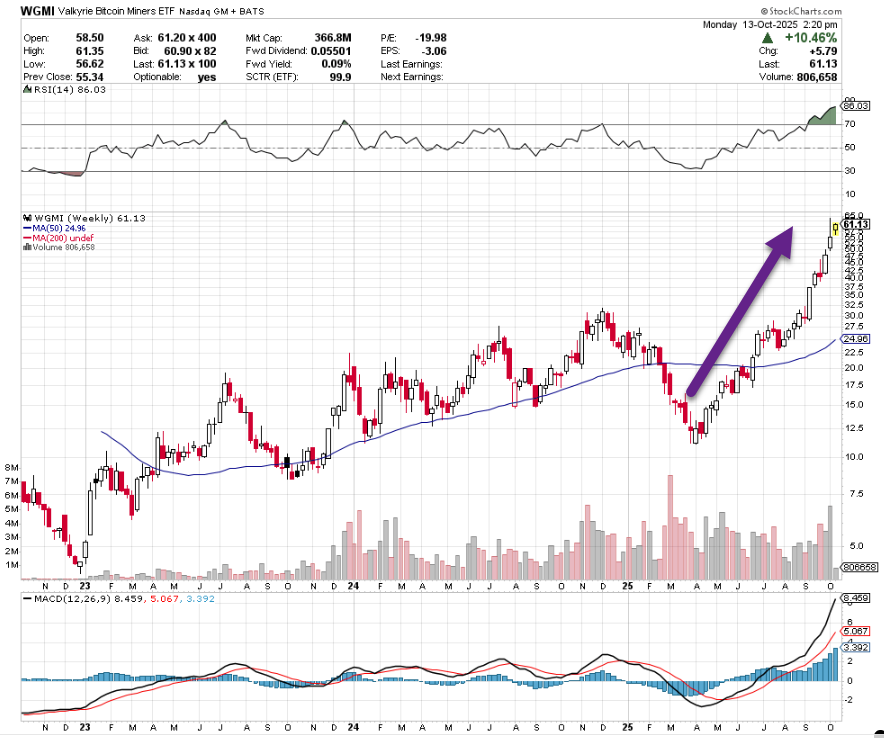
3. Bitcoin Miner ETF Move Since Liberation Day…WGMI
StockCharts
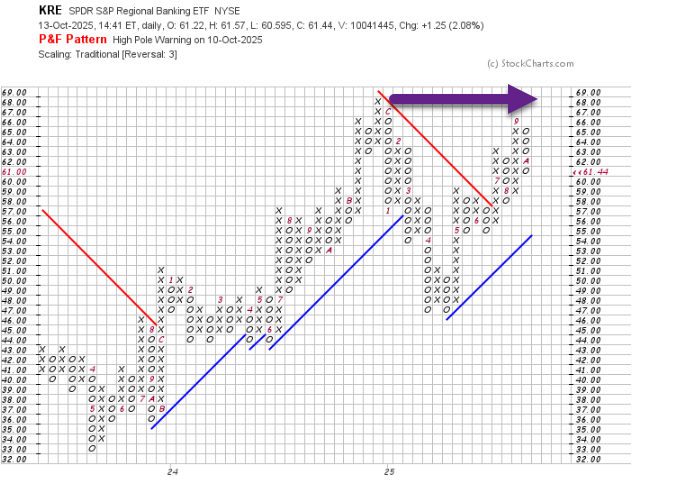
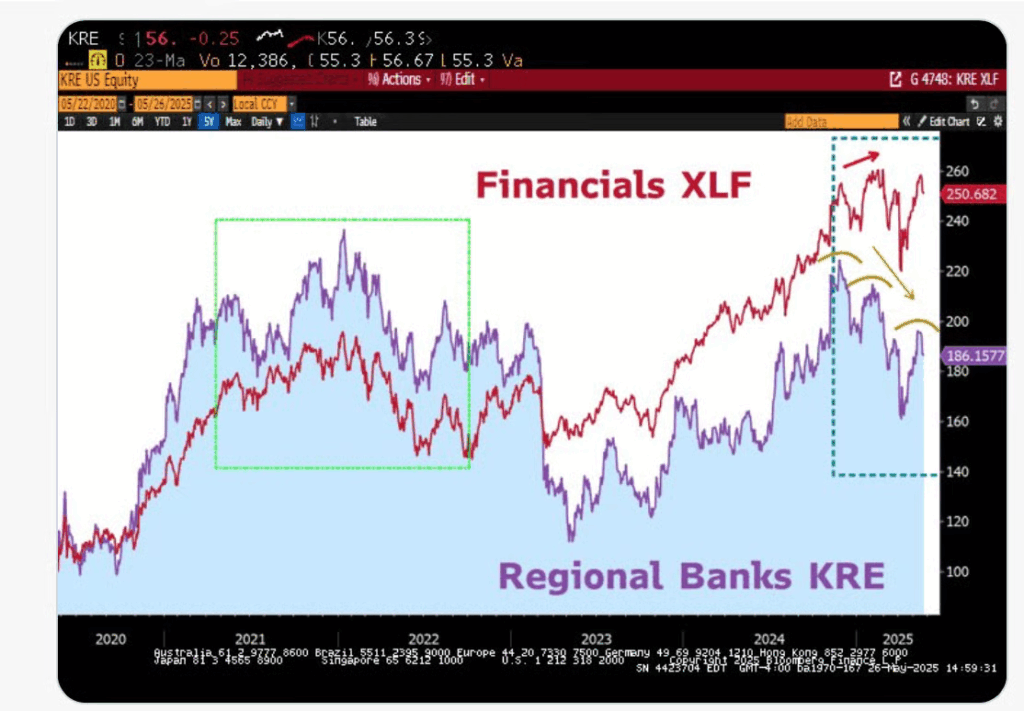
4. Bank Earnings Reports Coming…Regional Banks Never Made New Highs
StockCharts
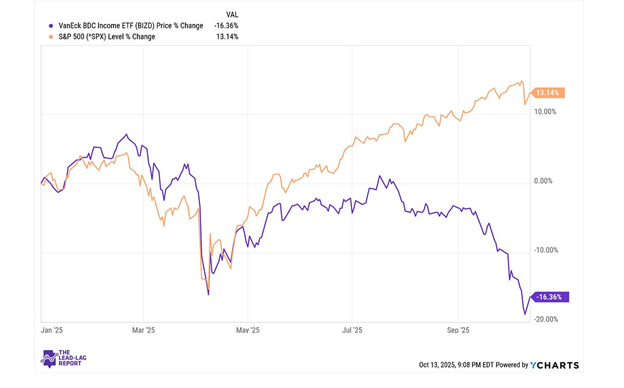
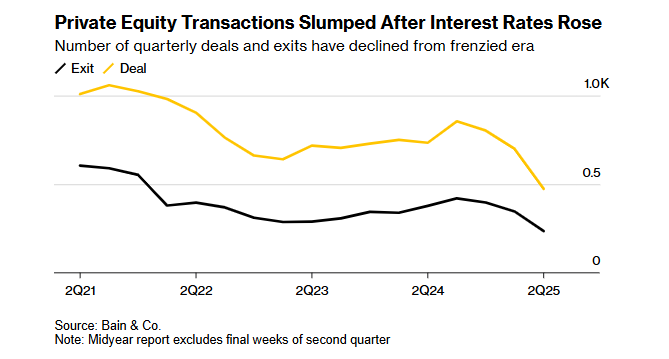
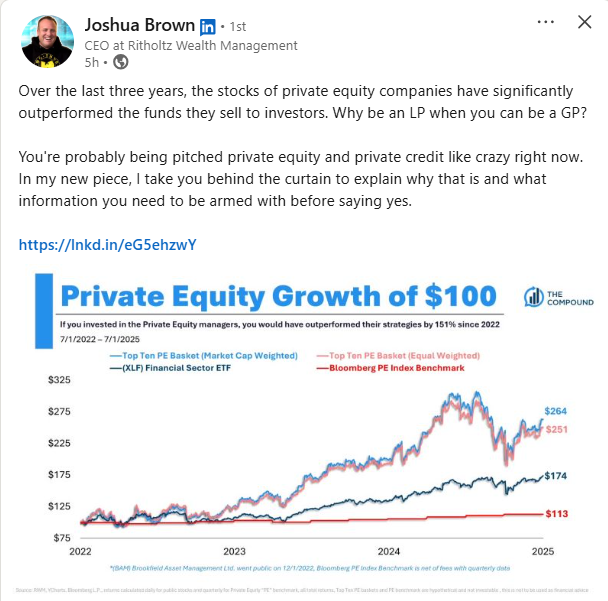
5. Follow-Up to Yesterday’s Private Equity Stock Charts….BDC ETF vs. S&P 2025
Lead Lag Report Blog -The Business Development Company (BDC) sector has had a rough ride in 2025. The VanEck BDC Income ETF (BIZD), a broad proxy for the group, is down 16.36% year-to-date as of early October, while the S&P 500 is up over 13%.¹ Even reliable names like Ares Capital (ARCC), Blue Owl Capital (OBDC), and Blackstone Secured Lending (BXSL) are trading 10–20% below their 2024 highs.² Despite attractive yields — often in the 9–11% range — the market is pricing in deeper credit risk and the possibility of further dividend cuts
The Lead-Lag Report
6. Friday was Largest Futures Liquidation in Bitcoin History
BTC open interest. “Friday’s wipeout triggered the largest futures liquidation in Bitcoin’s history. Over $11B in open interest was erased as leverage was forcefully unwound. A historic deleveraging event that has reset speculative excess across the market.”
7. Post Friday….A TOP crypto mogul has been found dead inside his Lamborghini after a brutal market crash wiped out billions in digital assets
Konstantin Galich — better known as Kostya Kudo — was discovered on Saturday with a gunshot wound to the head inside a black Lamborghini Urus in Kyiv, Ukraine.
Crypto mogul Konstantin Galich was found dead in Kyiv
Cops discovered the 32-year-old inside his black Lamborghini Urus
Cops said a firearm registered in the 32-year-old’s name was recovered at the scene.
Investigators are treating the case as a possible suicide but have not ruled out foul play.
A statement from the Kyiv Police Department said that the day before his death, “the man told relatives that he was feeling depressed due to financial difficulties and also sent them a farewell message.”
News of the Ukrainian’s death was confirmed on Galich’s official Telegram channel, which posted: “Konstantin Kudo tragically passed away “The causes are being investigated. We will keep you posted on any further news.”
Galich was the co-founder of the Cryptology Key trading academy and a major influencer in the digital asset space.
He was widely followed across the crypto community, with more than 66,000 Instagram followers hanging on his market insights.
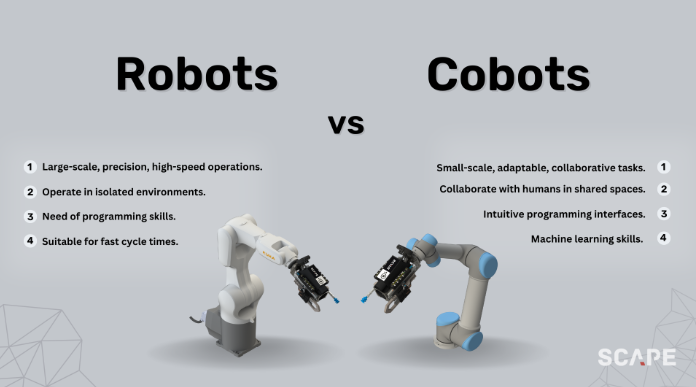
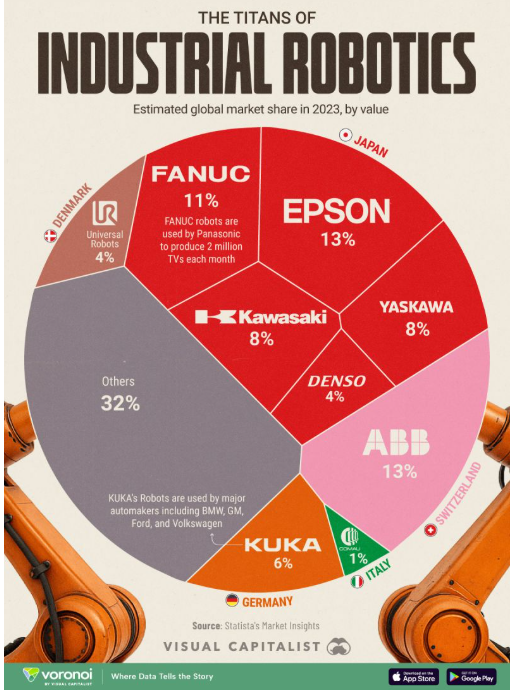
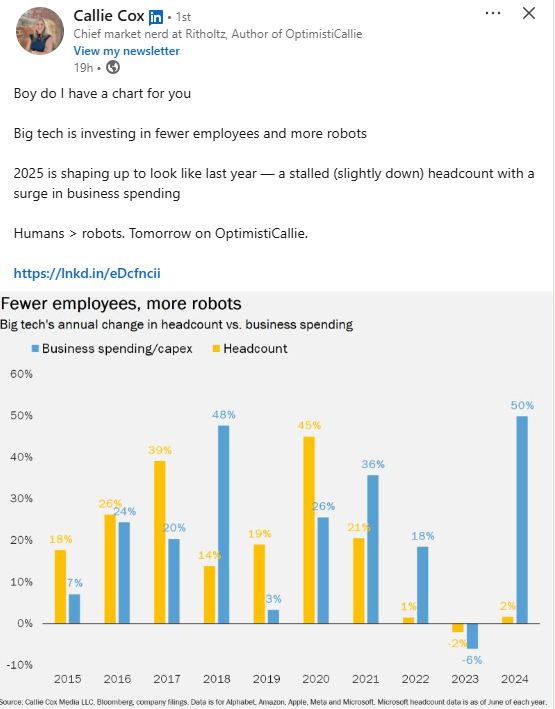
AI Overview Cobots, or collaborative robots, are industrial robots designed to work safely alongside human employees in a shared workspace, unlike traditional robots that require safety cages. They are characterized by user-friendly design, flexibility, lower power levels, and the ability to be quickly deployed for various tasks, such as assembly, packaging, or machine tending. Cobots augment human capabilities by taking on repetitive, dangerous, or ergonomically challenging tasks, allowing human workers to focus on more complex and creative aspects of their jobs
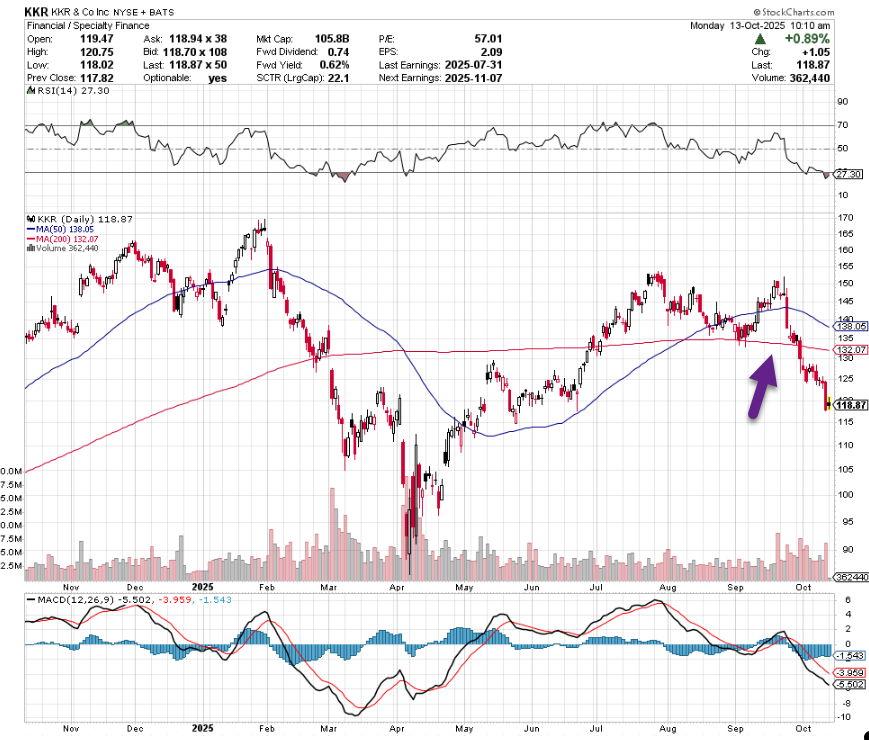
1. Start Today with Private Equity Manager’s Charts…..KKR -20% Year to Date-Failed to Make New Highs—Close Below 200day
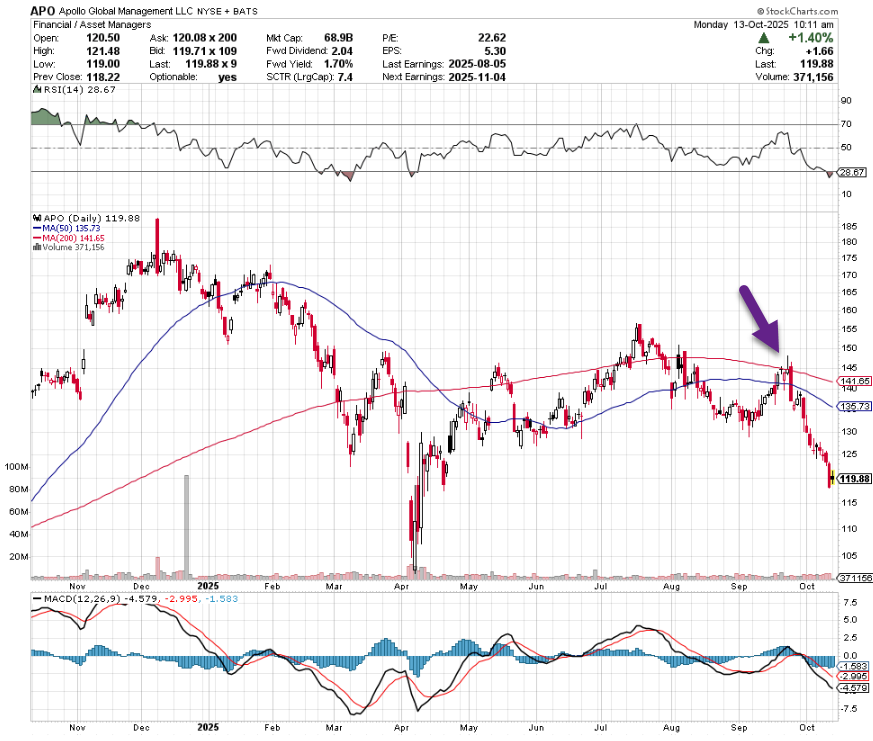
2. Apollo -28% Year to Date…Failed to Make New Highs….50day and 200day sloping down
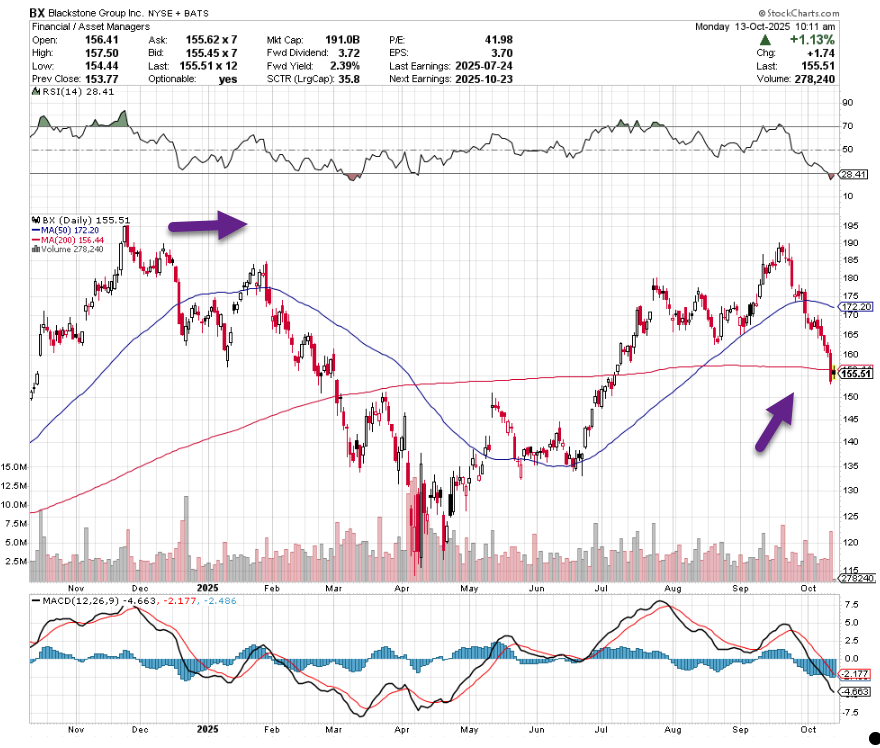
3. Blackstone -10% Year to Date…Failed to Make New Highs…Closed Below 200 Day
StockCharts
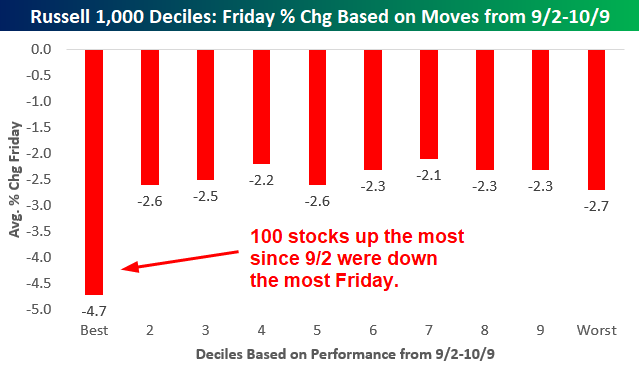
4. 100 Best Stock Performers 2025 were Down the Most During Friday Pullback
Bespoke-The 100 stocks that were up the most from 9/2 through the close last Thursday (10/9) were down an average of 4.7% on Friday. Every other decile of stocks saw average declines in the 2% range.
Bespoke
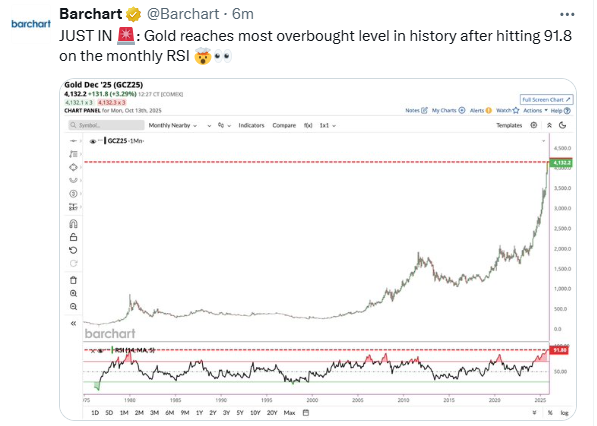
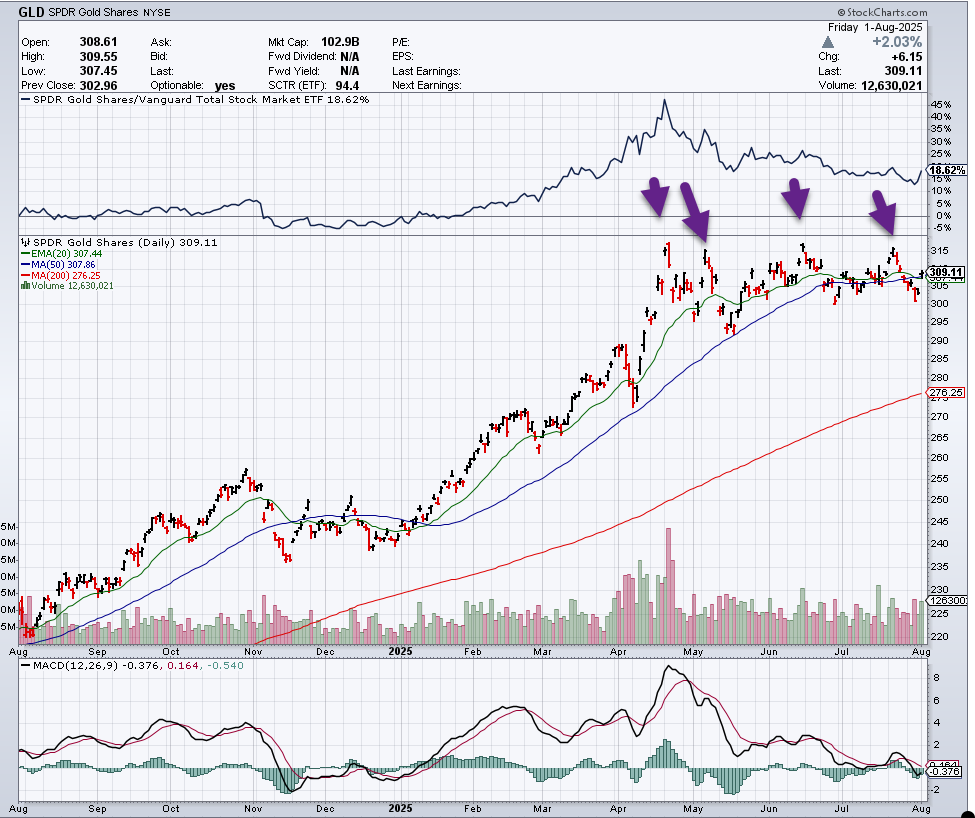
5. Gold Most Overbought Based on RSI in History
Barchart
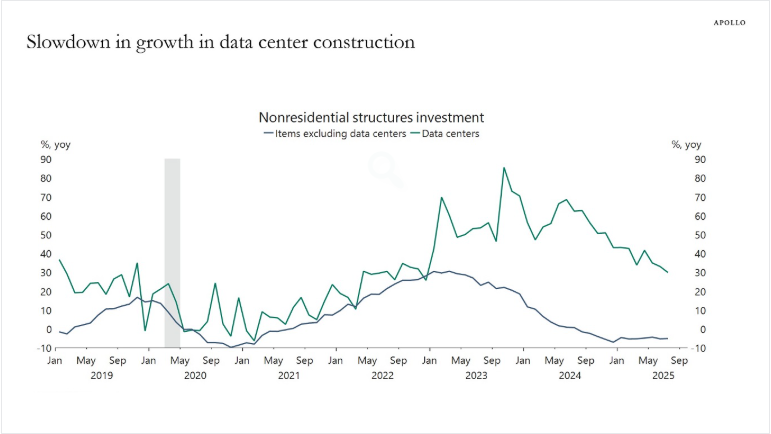
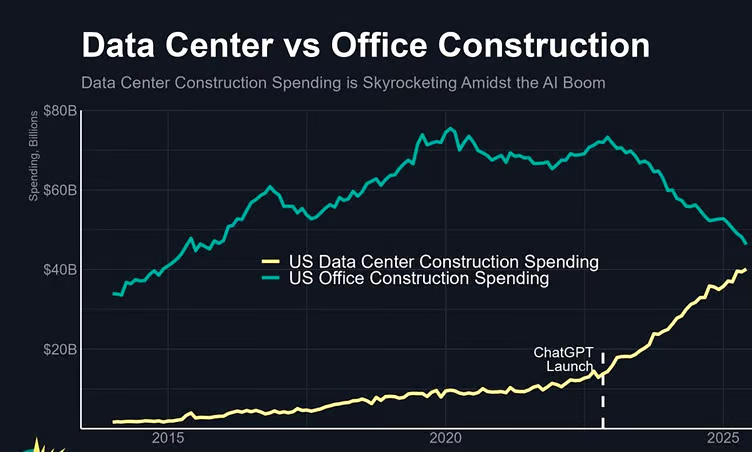
6. Slowdown in Growth of Data Centers
Torsten SløkApollo Chief EconomistThere is still strong growth in data center construction, but the current growth rate at 30% is lower than the 80% observed two years ago, see chart below.
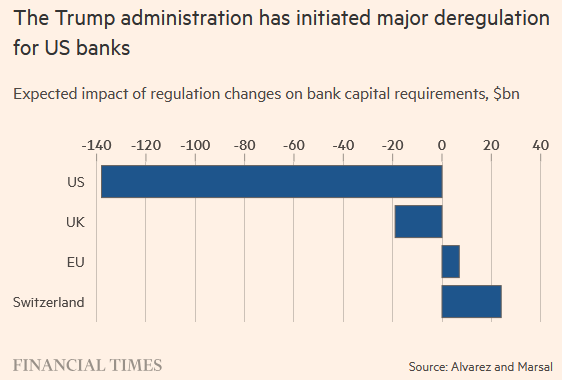
7. Major Bank Deregulation Underway by Trump Administration
Dave Lutz at Jones Trading “We think the Trump administration is kicking off a major wave of deregulation, unlocking a huge amount of capacity, which will give a massive economic boost and an earnings uplift,” said Fernando de la Mora, co-head of financial services at Alvarez & Marsal. The New York-based consultancy predicted US banks would benefit from a 14 per cent reduction in their requirements for common equity tier one, a capital buffer that gives them capacity to absorb losses.
THE FINANCIAL TIMES
It forecast this would result in a 35 per cent boost to their earnings per share and a 6 per cent increase in their return on average tangible common equity — a benchmark used by investors. The report, due to be published on Monday, provides detailed estimates of the impact of changes to banking regulation across the world.
8. Kalshi Prediction Markets Hits $5B Valuation
Kalshi, a prediction market that allows people to bet on future events, announced that it raised over $300 million at a $5 billion valuation. The company’s value has increased 2.5x since its last fundraise just three months ago, when it was valued at $2 billion.
The fresh capital came from Kalshi’s existing investor, Sequoia Capital, with new investor Andreessen Horowitz co-leading the round. Paradigm Ventures, CapitalG, and Coinbase Ventures also participated.
Kalshi also revealed that consumers in 140 countries can now make bets on its platform.
The prediction market is seeing a dramatic surge in activity: Kalshi is set to reach $50 billion in annualized trading volume, up significantly from the approximately $300 million volume posted last year, the New York Times reported.
Kalshi’s fundraise announcement follows one made just days earlier by archrival Polymarket, which revealed that it had secured an investment of up to $2 billion from Intercontinental Exchange (ICE), the owner of the New York Stock Exchange, at a pre-money valuation of $8 billion. The deal valued Polymarket at $8 billion pre-money, a monumental increase from its $1 billion valuation only two months earlier in August.
Both Kalshi and Polymarket rose to prominence last year, drawing significant attention for their prediction markets on the presidential election outcome.
Polymarket has been barred from serving U.S. residents since 2022, following a settlement with the Commodity Futures Trading Commission (CFTC). In July, the company acquired a derivatives exchange and a clearing house. The move helped Polymarket receive the right to reenter the U.S. market. Last month, the company’s CEO and founder, Shayne Coplan, said on X: “Polymarket has been given the green light to go live in the USA by the CFTC.” Kalshi secured the right for Americans to use its platform after successfully suing the CFTC last year
9. Want to feel calmer? How 20 minutes outside will help
Yasmin Rufo-BBC News
Spending just 20 minutes in nature can trigger measurable changes inside your body
If you’ve ever felt calmer after a walk in the park or a stroll through the woods, it’s not your imagination – it’s biology.
Being outdoors can trigger measurable changes inside your body from lowering stress hormones, easing blood pressure and even improving your gut health.
You don’t have to hike for hours to feel these benefits as maximum impact happens after just 20 minutes, so even a lunchtime walk to the park and a sandwich on a bench a few times a week can benefit your body and mind.
Here are four ways that being among nature can help improve your health.
Drs Chris and Xand van Tulleken are on a mission to help us take better care of ourselves. Listen to What’s Up Docs? on BBC Sounds or wherever you get your BBC podcasts.”
1. You unconsciously relax
When you see green trees, smell pine and hear gentle rustling leaves or the sound of birdsong, your autonomic nervous system – a network of nerves controlling unconscious processes – responds instantly.
This can happen on a visit to the local park.
“We see changes in the body such as a lowering of blood pressure, a change in your heart rate variability and your heart beats slower – all associated with physiological calming,” Baroness Kathy Willis, a biodiversity professor at Oxford University, told BBC Radio 4’s What’s Up Docs? podcast.
A UK study, involving nearly 20,000 people, found that those who spent at least a total of 120 minutes every week in greenery were significantly more likely to report good health and higher psychological well-being.
The evidence for the benefits of spending time in nature is compelling enough that some areas have trialled so called green social prescribing connecting people with nature to improve their phsyical and mental health, with a positive impact on happiness and wellbeing.
2. Your hormones reboot
Your body’s hormonal system also joins in the relaxation act.
Willis says that spending time outdoors triggers our endocrine system and lowers levels of cortisol and adrenaline – the hormones that surge when you’re stressed or anxious.
“A study found that people in a hotel room for three days who were breathing in Hinoki (Japanese cypress) oil saw a big drop in the adrenaline hormone and a large increase in natural killer cells in their blood.”
Natural killer cells are cells that tackle viruses in the body. The participants in the study still had elevated natural killer cells in their body two weeks after inhaling the smell.
Essentially nature “calms what needs calming and strengthens what needs strengthening,” is how Prof Ming Kuo from the University of Illinois at Urbana-Champaign, summed it up to the BBC.
“A three-day weekend in nature has a huge impact on our virus fighting apparatus and even a month later it can be 24% above baseline.”
Studies also show smaller but still persistent effects from shorter periods spent in nature, she says.
3. Smell is a powerful sense
Smelling nature is just as powerful as seeing and hearing it.
The scent of trees and soil is full of organic compounds released by plants and “when you breathe them in, some molecules pass into the bloodstream.”
Willis says pine is a good example of this as the smell of a pine forest can make you calmer within just 90 seconds and that effect lasts for about 10 minutes.
You may think that the relaxing effect of nature is all in your mind, but another study found that even very young babies with no memory associated with particular smells, still calmed down when another scent associated with calming, limonene was puffed into the room they were in.
4. Gets good bacteria into your gut
Touching soil can help your body adopt good bacteria
As well as soothing your mind, nature can also help boost your microbiome as soil and plants are full of good bacteria.
“They’re the same kinds of good bacteria we pay for in probiotics or drinks,” Willis explains.
Prof Ming Kuo has studied the effect on factors such as infection susceptibility as well as mental health and says breathing in certain ones have the potential to boost your mood; and the antimicrobial chemicals released by plants – called phytoncides – could help fight disease.
Dr Chris van Tulleken says as an infection scientist he sees nature as a positively challenging environment that “tickles your immune system”.
He gets his children to play with dirt in the forest which then enters their system through the nose or mouth.
10. Interview with Hetty Green—1800’s Billionaire-Farnam Street Blog
Hetty Green was the richest woman you’ve never heard of.
In the late 1800s, she built a fortune worth billions today in a world designed to stop her. She was a force that couldn’t be stopped.
Her strategies still work today. This is the story of how an unwanted daughter became “The Witch of Wall Street,” and a playbook for building lasting wealth and independence.
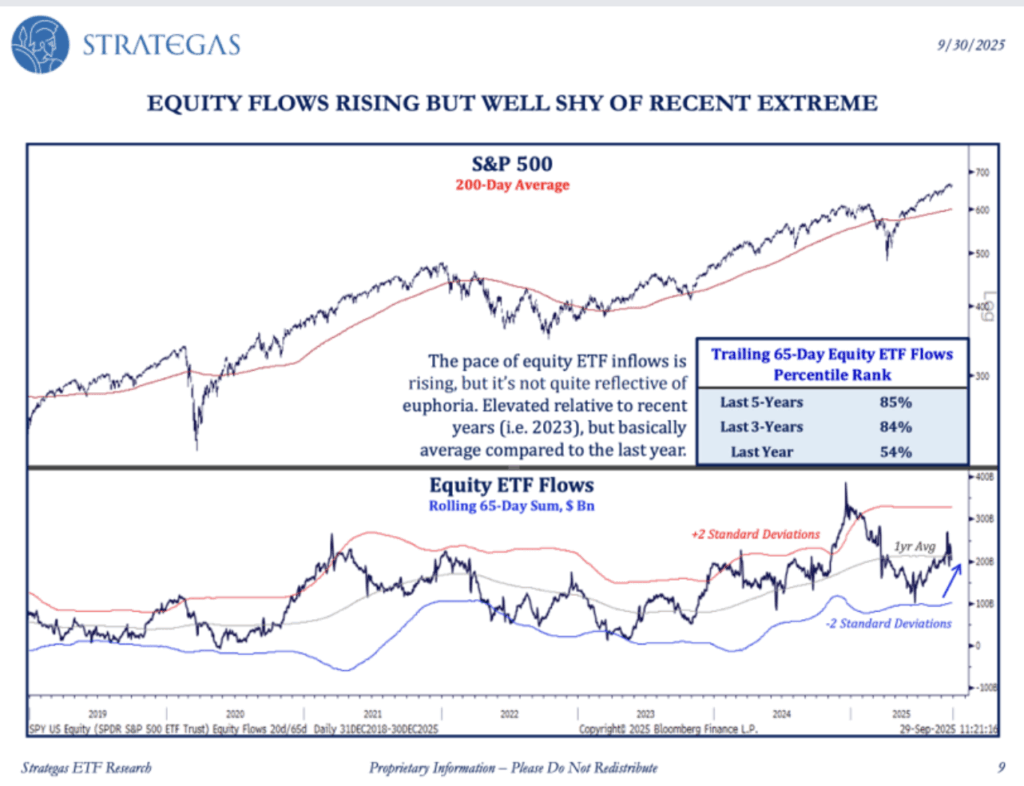
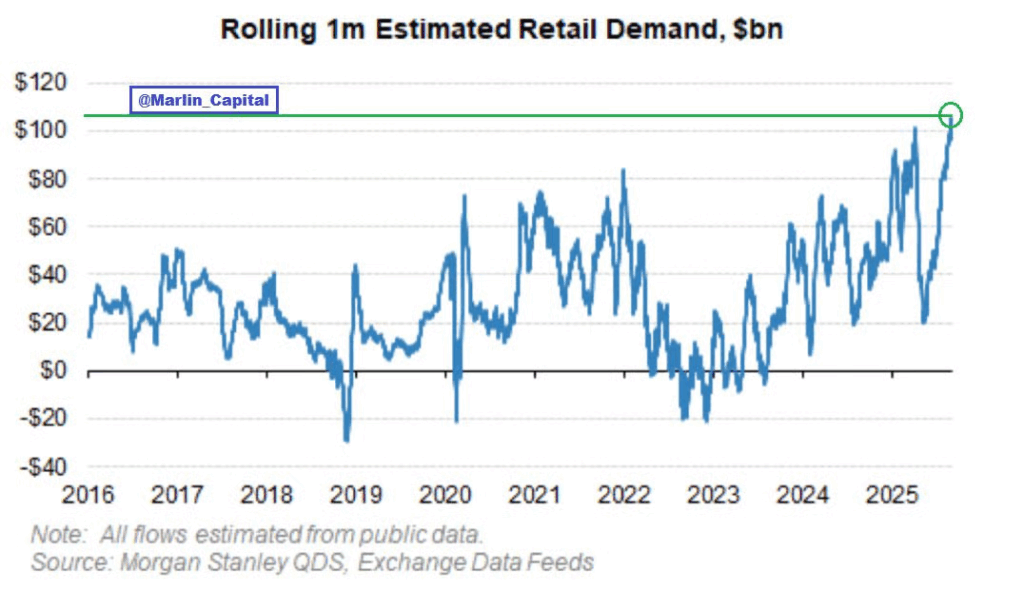
Retail demand. “We have just witnessed the largest Retail Investor buying EVER. Retail has bought over +$100B of US stocks in the last month, the largest 1M buying on record.”
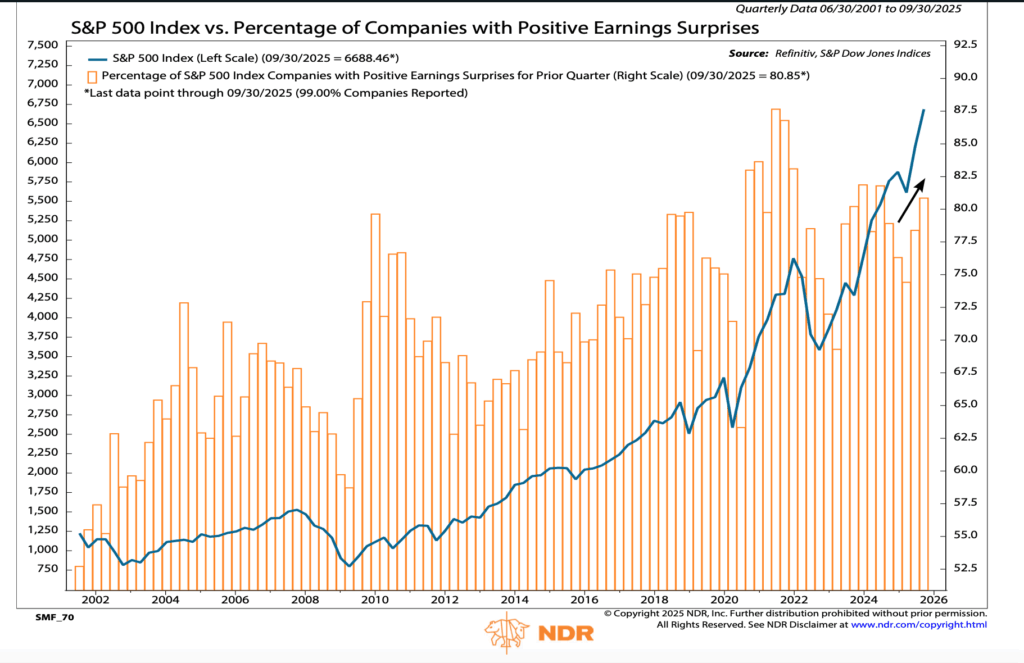
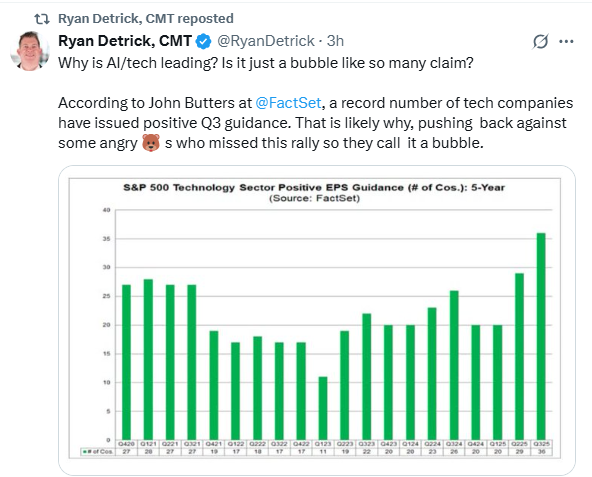
2. Earnings Season Kicks Off Next Week….Tech Earnings Still Delivering
Ryan Detrick
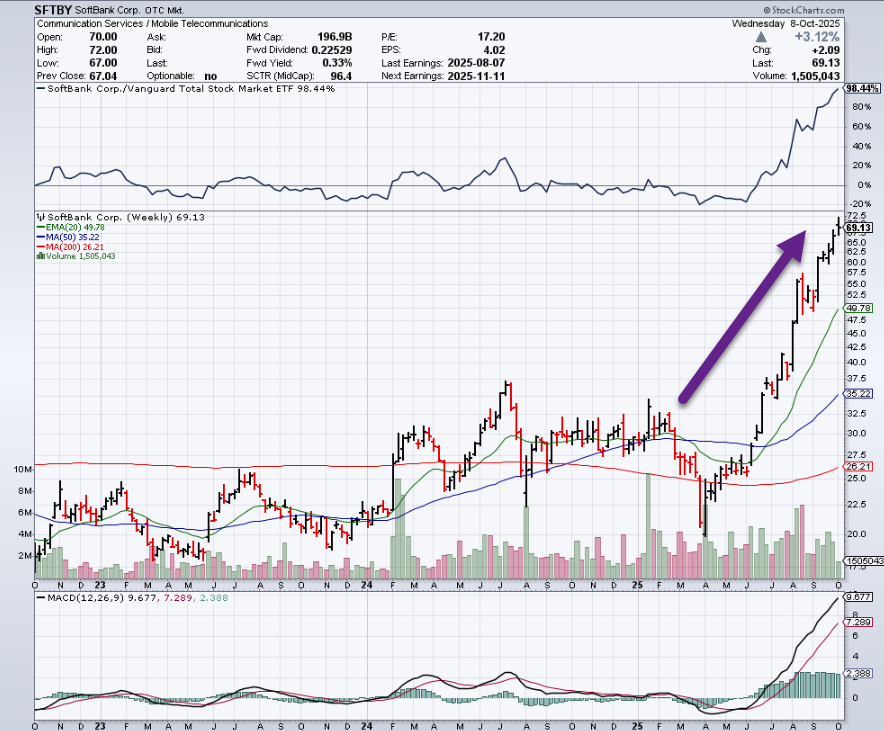
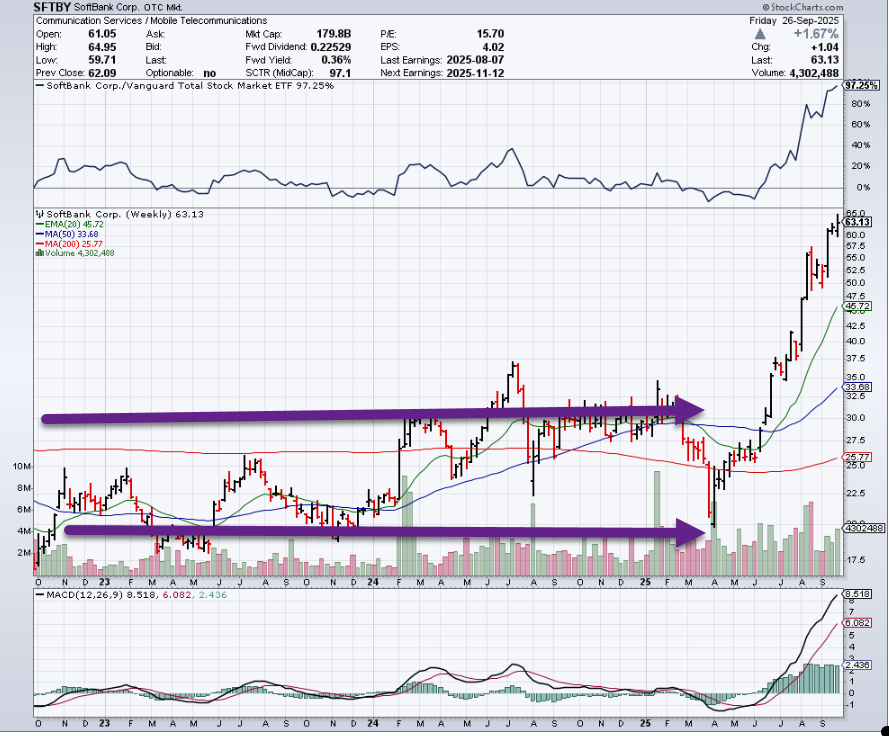
3. Softbank Another Leg Up From Japan Bull News…$20-$70 2025
StockCharts
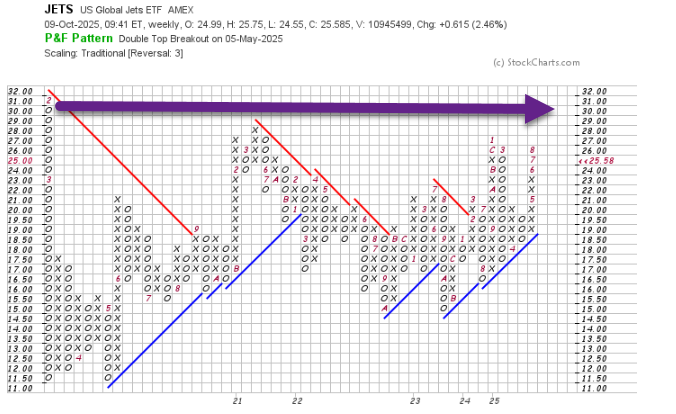
4. Airline ETF Still Below Pre-Covid Highs
StockCharts
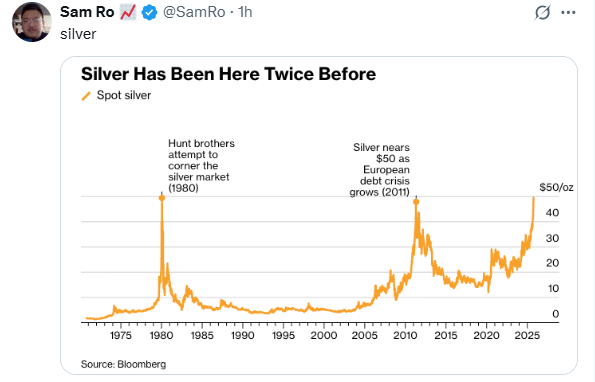
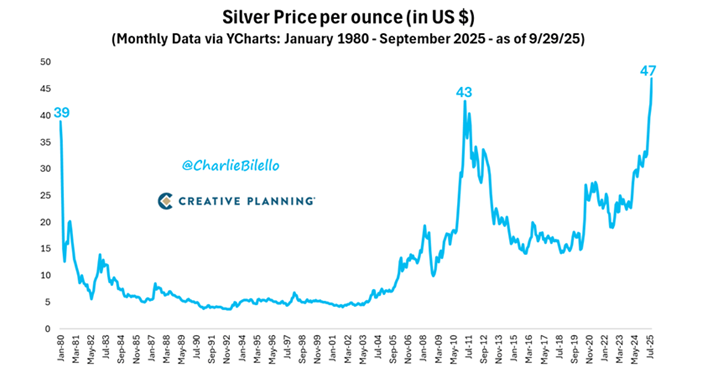
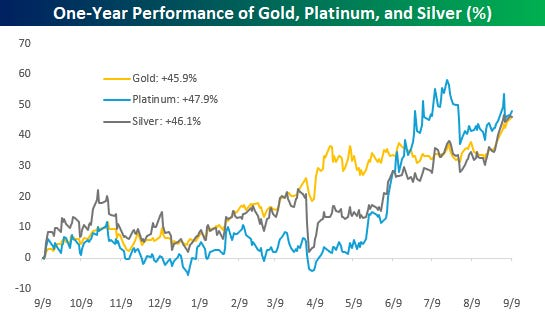
5. Silver Has Been Here Twice Before
Sam Ro
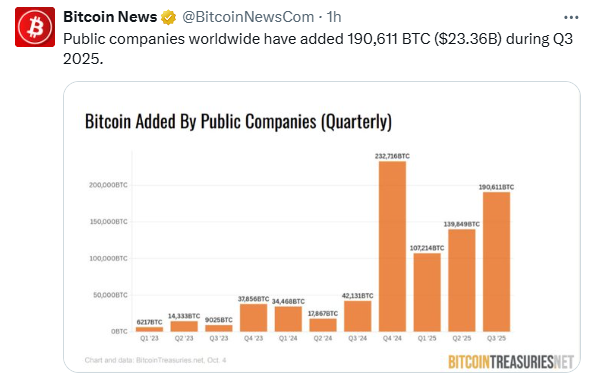
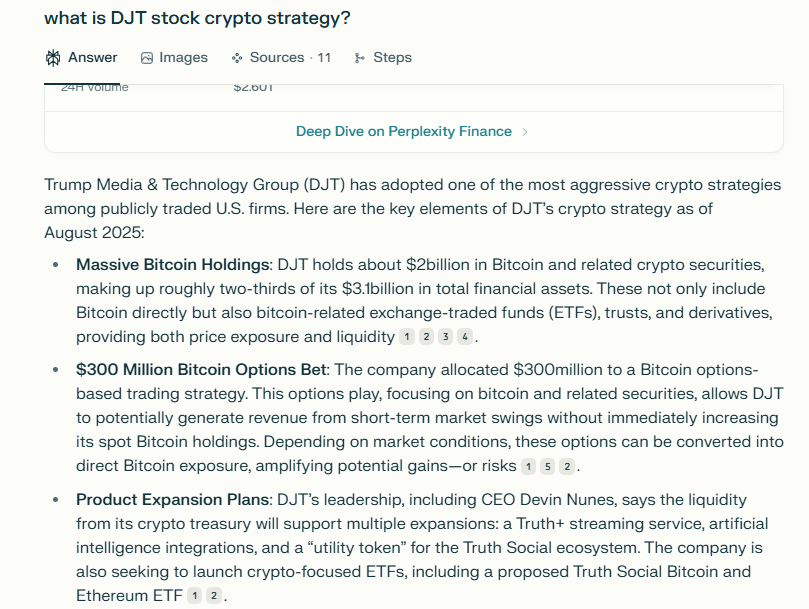
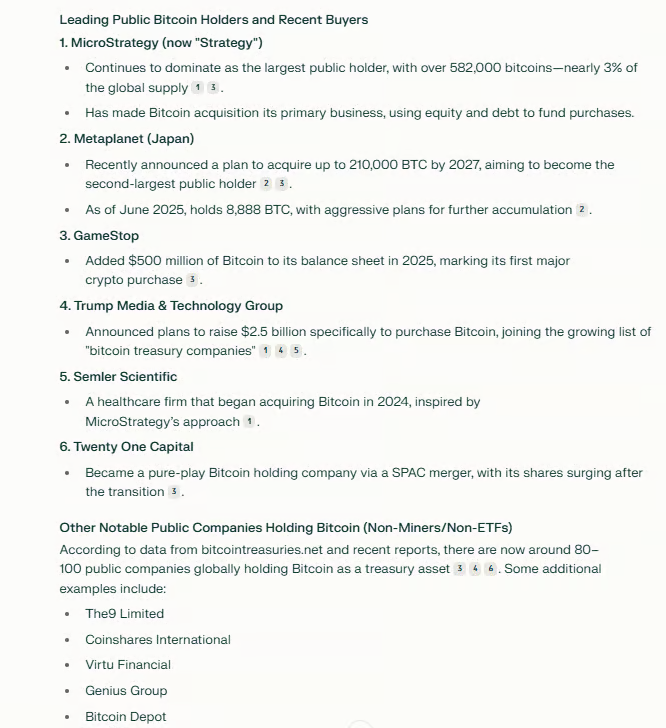
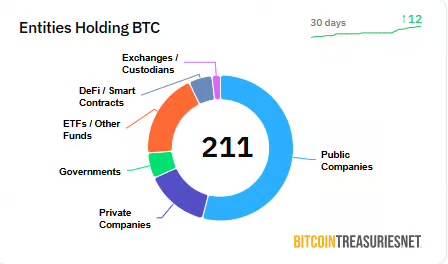
6. Public Companies Owning Bitcoin
Bitcoin News
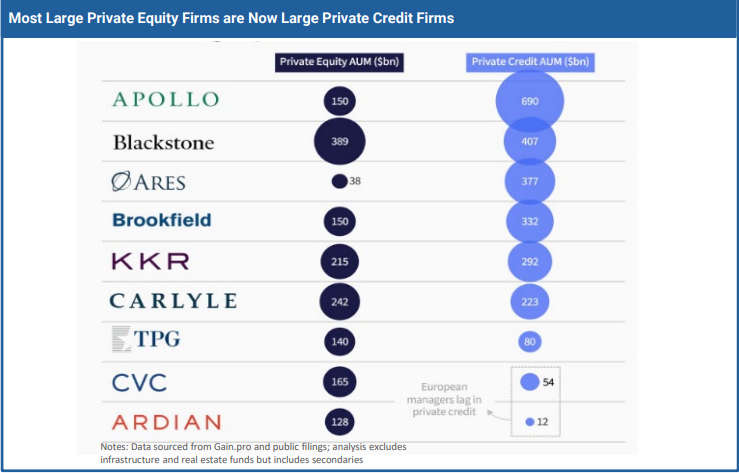
7. Most Large Private Equity Firms are Now Private Credit Firms
BRAMSHILL INVESTMENTS
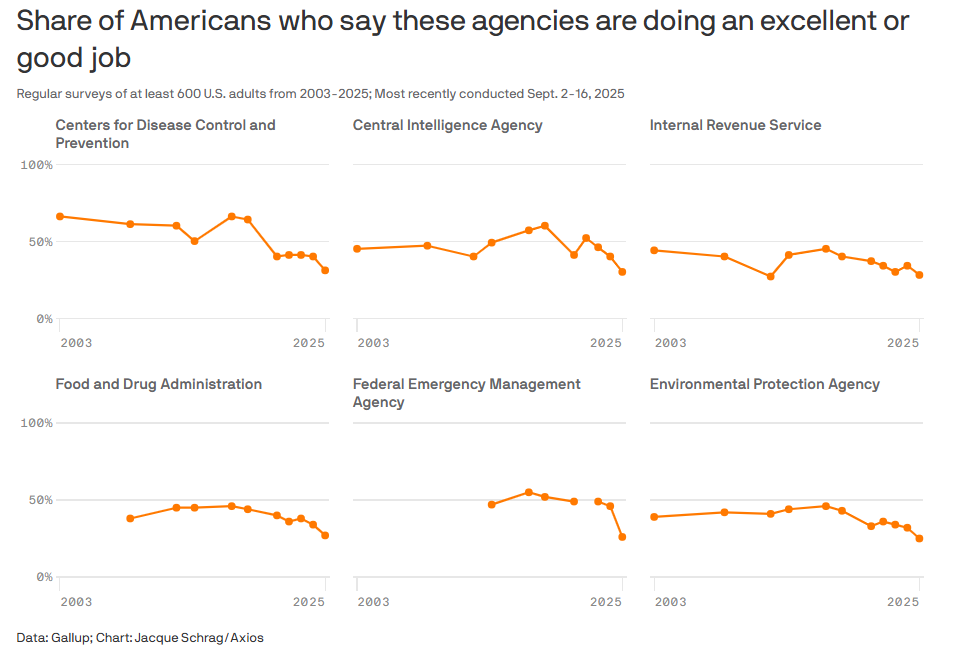
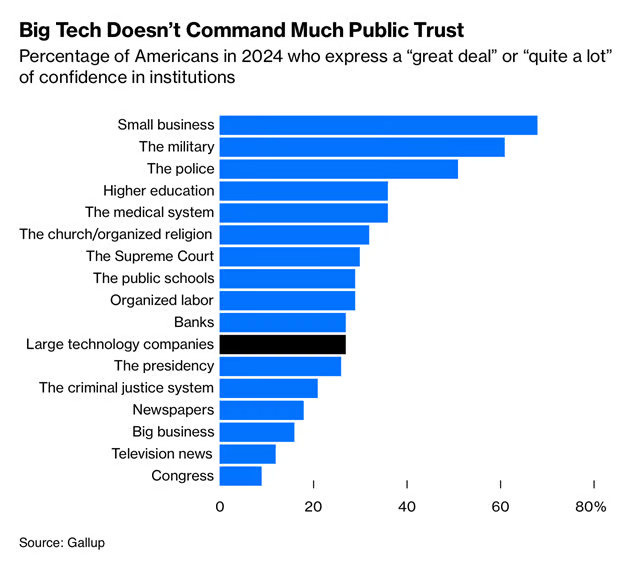
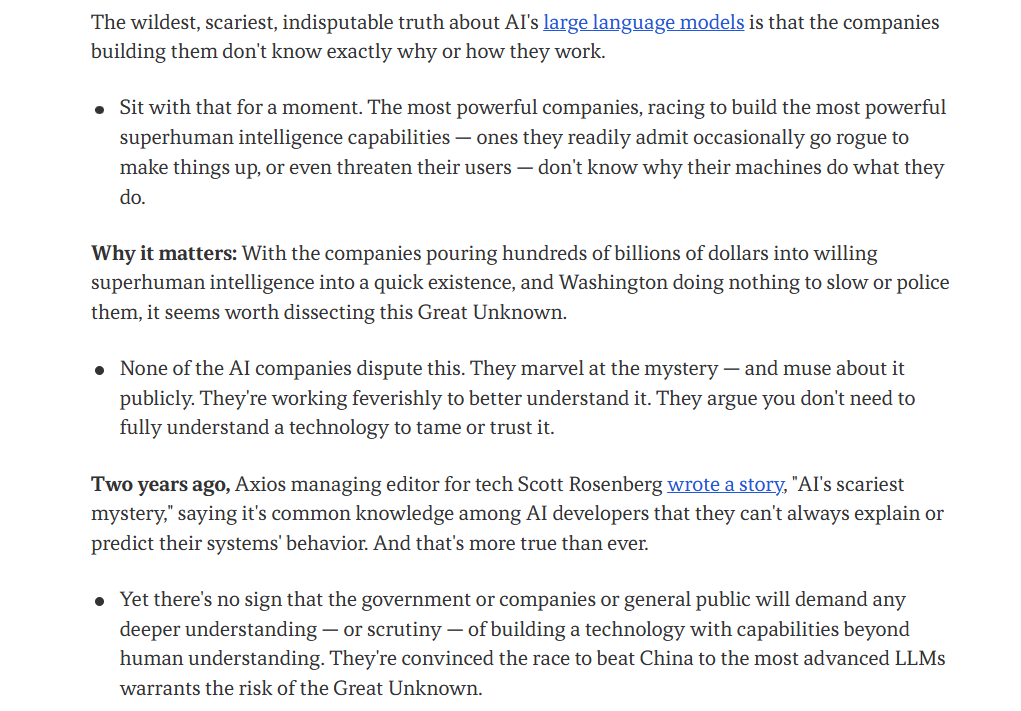
8. Loss of Trust in American Institutions Continues
Axios
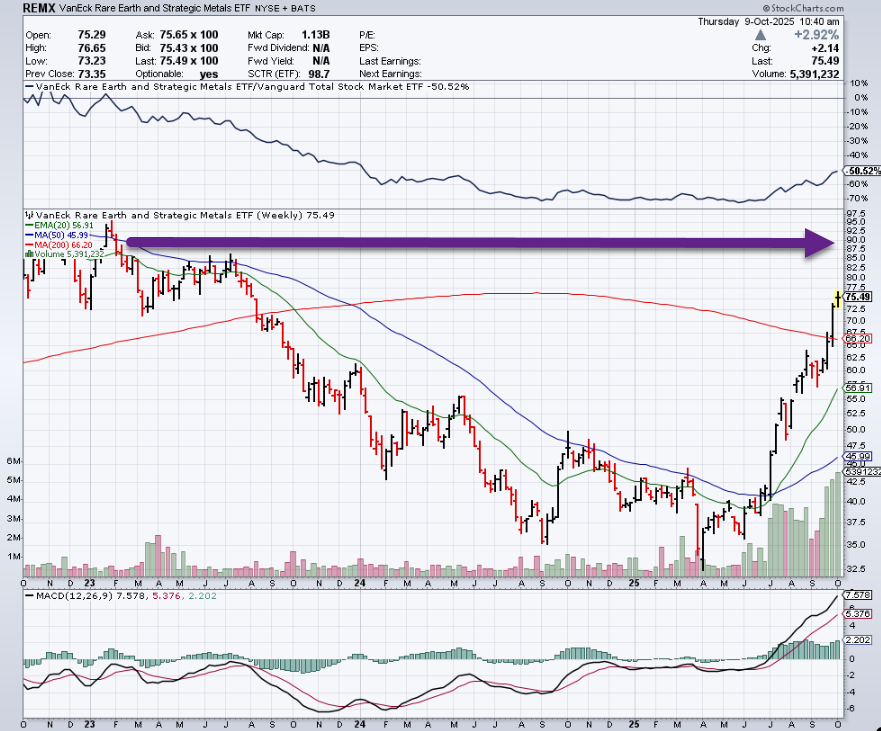
9. Rare Earth ETF Double Off Bottom…Still Below 2023 Highs
StockCharts
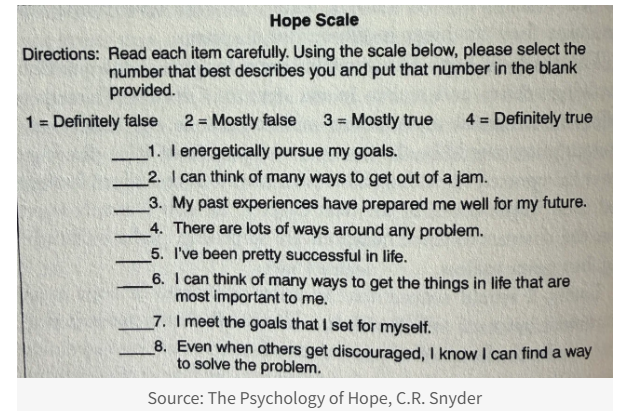
10. Are you a high-hope thinker? take the quiz
There’s been a fair amount of research done on whether optimism is good or bad for you, not just in investment outcomes but generally in life satisfaction. On the one hand, some studies conclude, optimism has a highly positive effect on mindset, motivation, entrepreneurial mojo, and even reactions to medical treatments. It helps people recover from setbacks, and increases the chance they will save money for what they expect to be a rosy future.
On the other hand, too much optimism can backfire. People who are very optimistic may under-estimate risk and over-estimate their abilities. They may visit the doctor less often than they should, employ overly risky investment strategies, and be less happy in the long-run if their expectations for future success are not met.
If you’re a parent, you’ve probably noticed how most kids allow their over-optimism to take the place of robust planning: until they eventually learn better, they’re so confident things will work out that they often skip the part where they have to actually study for their test, practice for their try-outs, or save money for the thing they might want later.
Optimism is passive– a somewhat complacent belief that good things will probably happen to you, without much need for planning or preparation on your part. This is distinct from the concept of hope, which is “the glass is half full”, but also implies that you can impact your future satisfaction by actions you take.
One of the founders of the Positive Psychology movement in the 1990s was a research scientist named C.R. Snyder, author of the influential 1994 book The Psychology of Hope. In it he argued that a better predictor of life satisfaction is whether you have a strong combination of agency (the motivational energy to set and pursue goals) and “way-power” (the confidence that you will be able to find a way to attain your goals).
If you’re curious, you can take the same quiz thousands of research subjects have taken over the last 30+ years:
Contessa Capital Advisors
Source: The Psychology of Hope, C.R. Snyder
Better yet, try it with your kids and talk about the results over dinner.
To score the quiz, points are from 1 to 6 with the highest being “All of the Time”. Source: The Psychology of Hope, C.R. Snyder
Beyond his hope scale, some characteristics Snyder ascribed to “high-hope” people (quiz score over 24) include a propensity to downplay negatives and focus on problem-solving, a sense of humor even during times of struggle, a tendency to care about their physical health, and a social network they can call on for support.
All this raises the obvious question: what are all these people hoping for?
Snyder’s research showed that high-hope people don’t just set goals; they connect them to something larger, and generate multiple strategies for getting there. That’s what allows them to bounce back when life blocks the first route.
A meta-goal is bigger than any single outcome. It’s the overarching aim that organizes your smaller goals. For example, “being healthy and energetic as I age” is a meta-goal. The daily sub-goals under it might be as simple as exercising three times a week or getting enough sleep. If one pathway fails — say you get injured and can’t run — the meta-goal still stands, and you can find another path, like swimming or yoga.
You can train yourself to think more hopefully by setting meaningful goals, breaking them into doable steps, and brainstorming alternate routes when you hit obstacles. Even small habits — reframing a setback as “just one blocked path,” or practicing saying “what’s another way I could try this?” — are productive.
When I work with clients I include a statement of financial purpose—effectively a set of meta-goals–in their action plan. Like an investment policy statement, it’s the umbrella for the smaller sub-goals related to how much money to spend or save and how much risk is worth taking. It’s also a chance to practice anticipating different pathways.
Meta-goals aren’t just for financial plans. Since we’re talking about hope, it’s worth mentioning the amazing, inimitable Jane Goodall, who died this week at age 91 after a lifetime of education and conservation. She often spoke about her four reasons for hope — the energy of youth, the power of the human brain, the resilience of nature, and the strength of human connection and spirit. Her meta-goal was clear and unwavering: to protect and honor life on Earth. The specific pathways changed — research, advocacy, writing, youth programs — but the larger purpose never did.
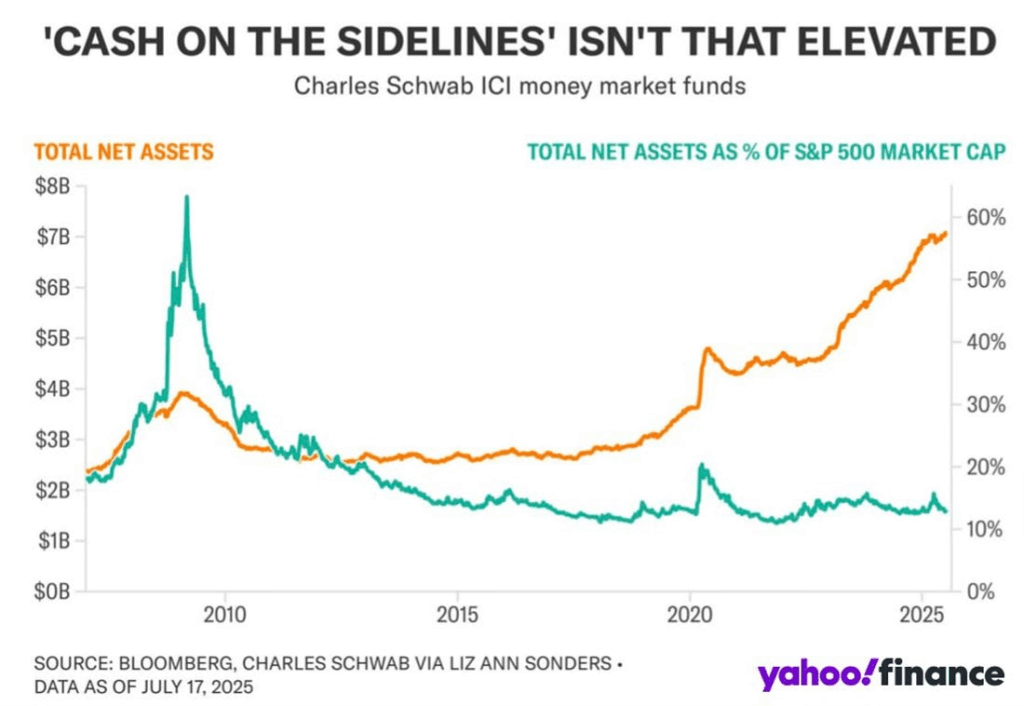
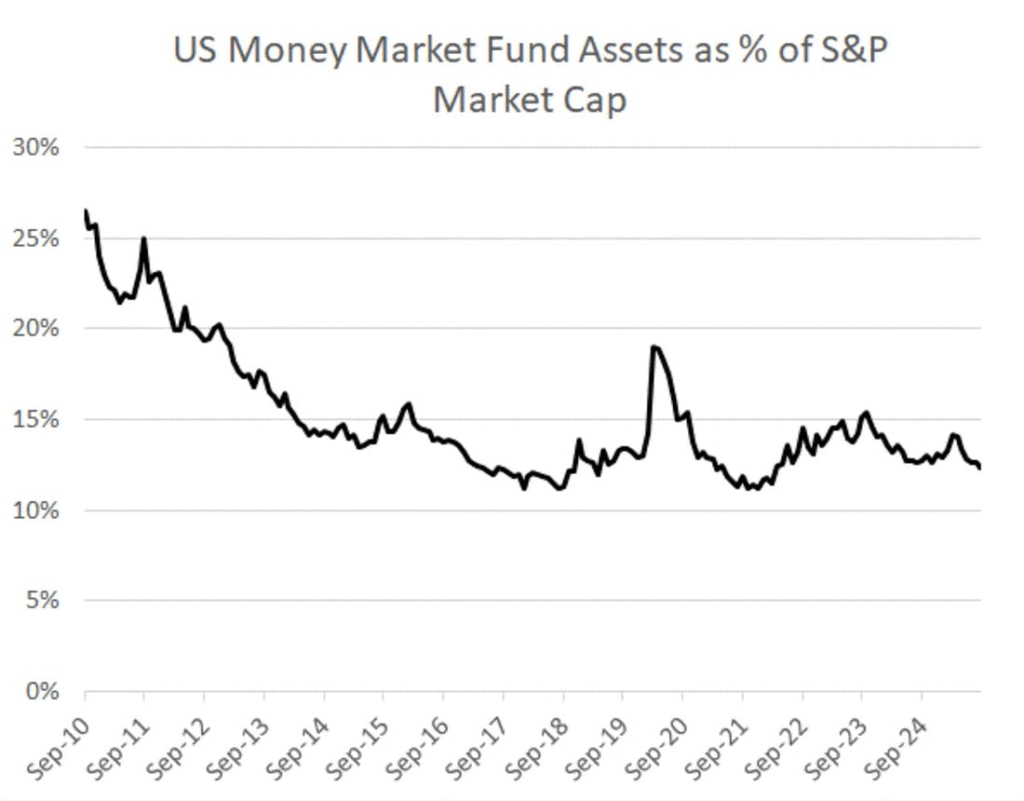
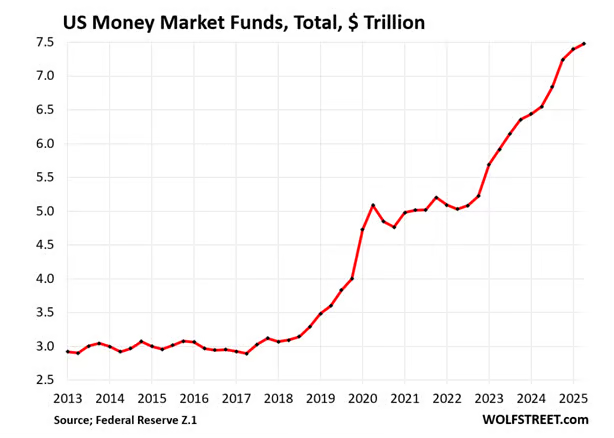
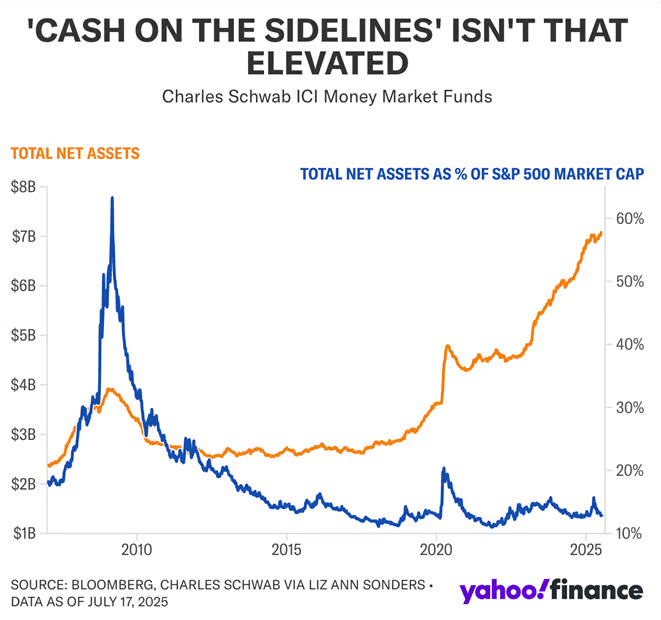
Spilled Coffee Blog Yes, money market balances are at all-time highs. But so is the value of everything else. The S&P 500’s total market cap has surged over the last decade. Even as cash balances look large in absolute terms, they haven’t grown nearly as fast relative to total asset values. As a percentage of total market cap, cash hasn’t really budged. In fact, as a percentage of the S&P 500 market cap, it’s near a record low.
Spilled Coffee LLC
Dan Greenhaus
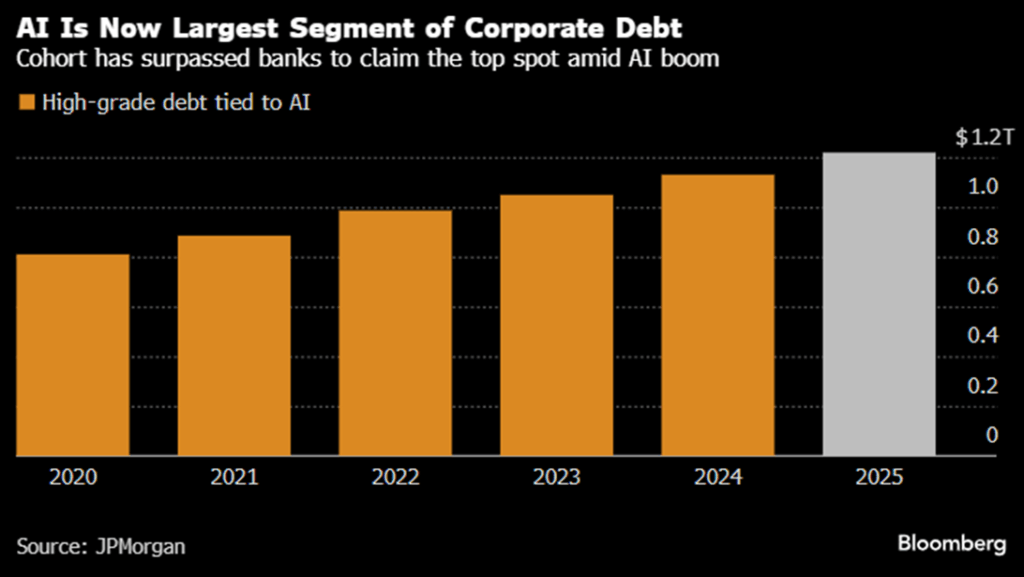
2. AI is Now Largest Segment of Corporate Debt-$1.2 Trillion
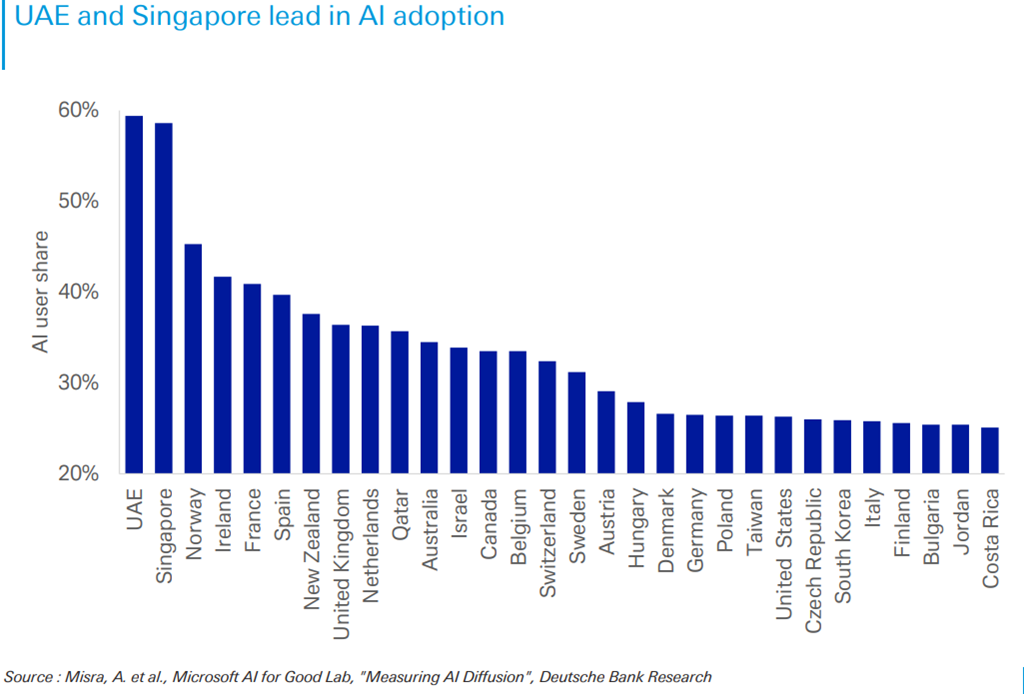
3. UAE and Singaport Lead AI Adoption
Jim Reid Deutsche Bank
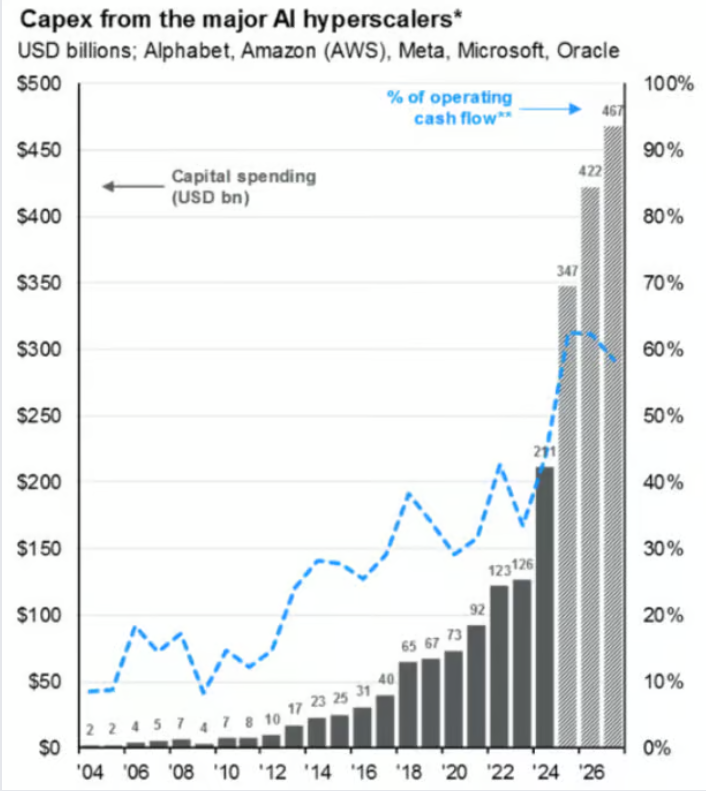
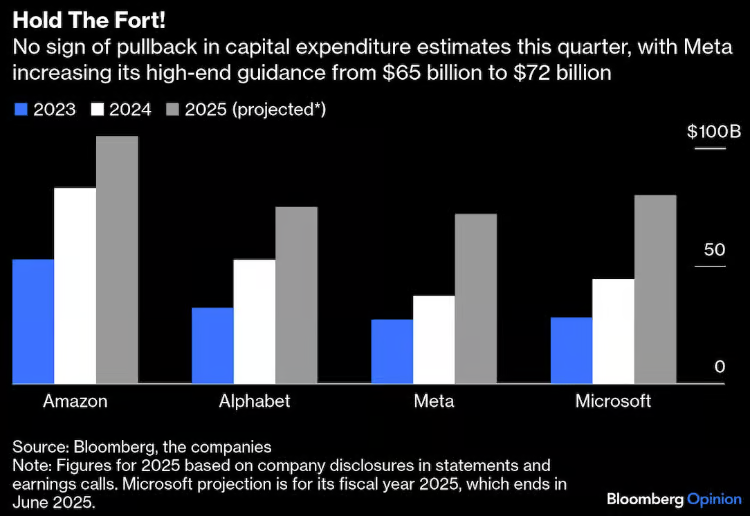
4. Capital Spending From Major AI Hyperscalers
The Irrelevant Investor
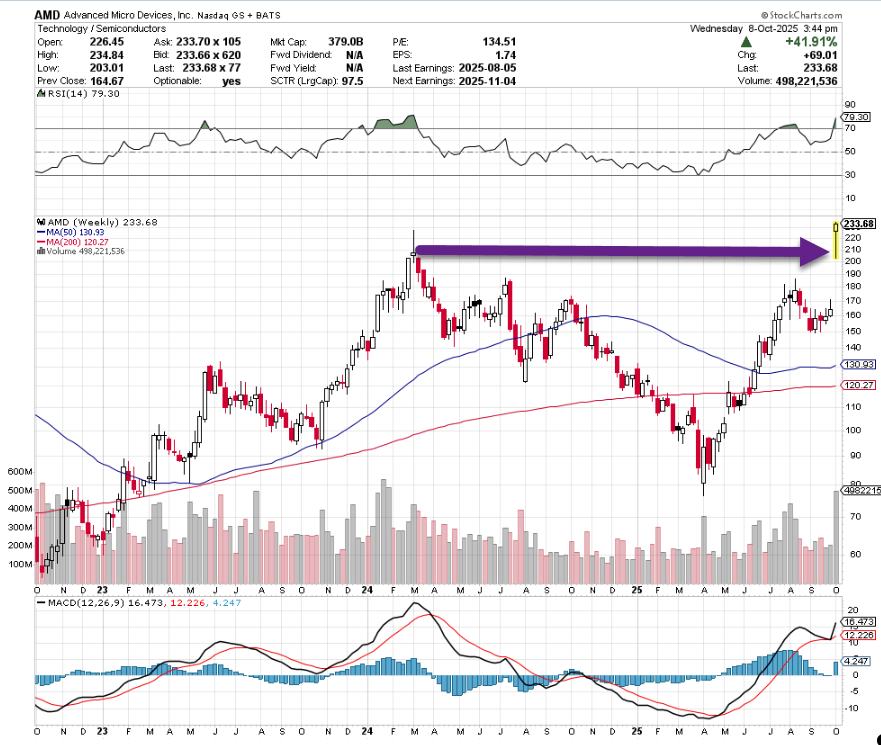
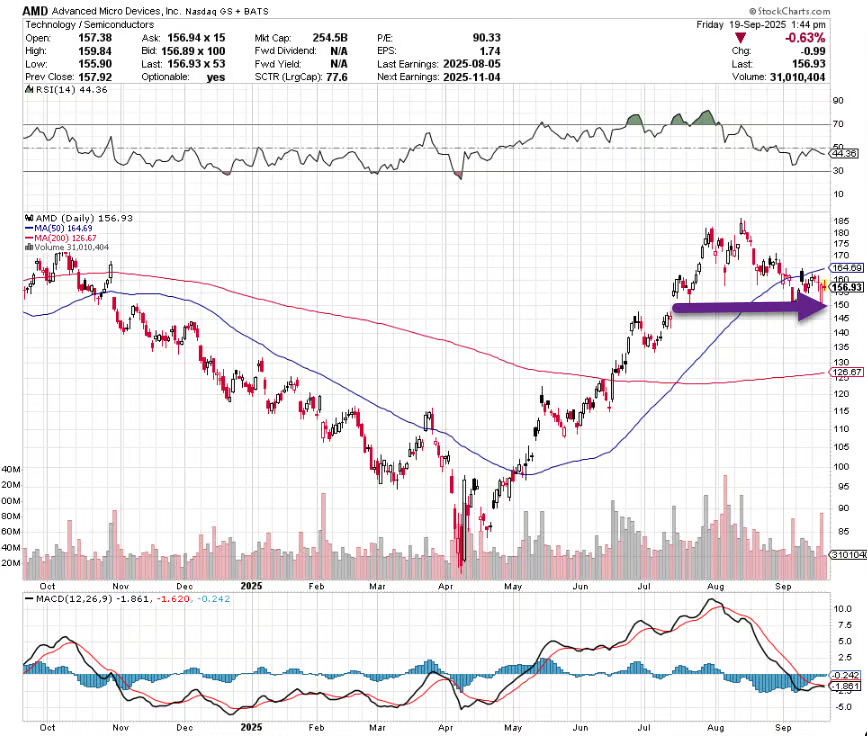
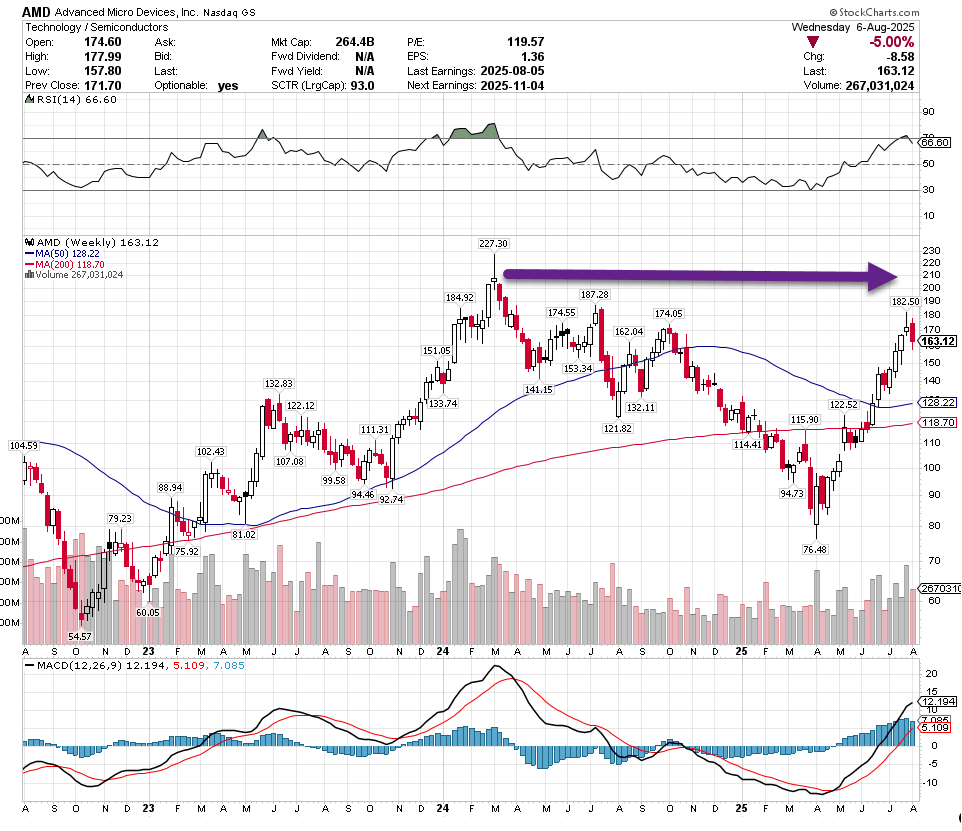
5. AMD Yesterday’s Rally Kicked It Above 2024 Highs
StockCharts
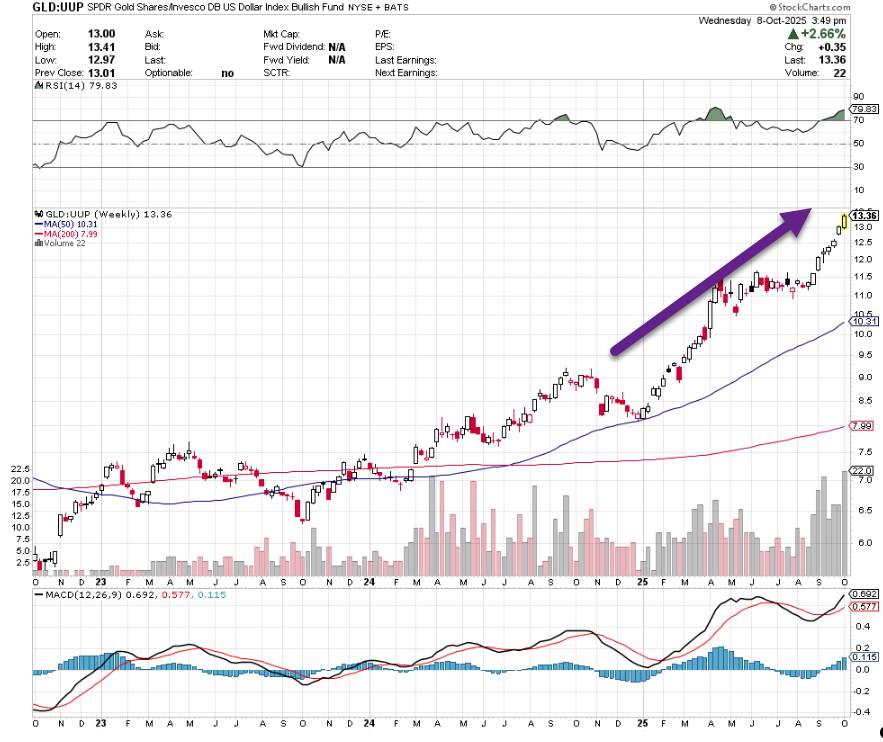
6. Gold vs. U.S. Dollar Chart
StockCharts
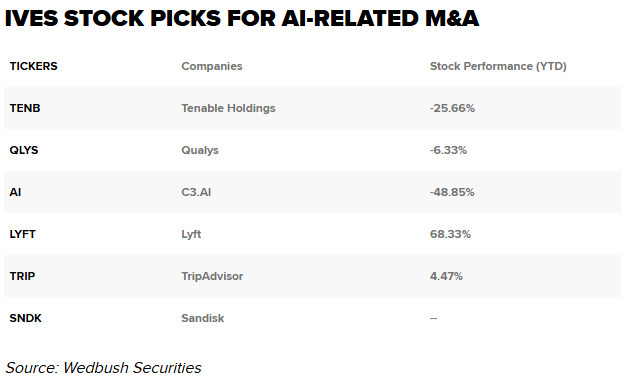
7. Dan Ives M&A Target List-CNBC
CNBC
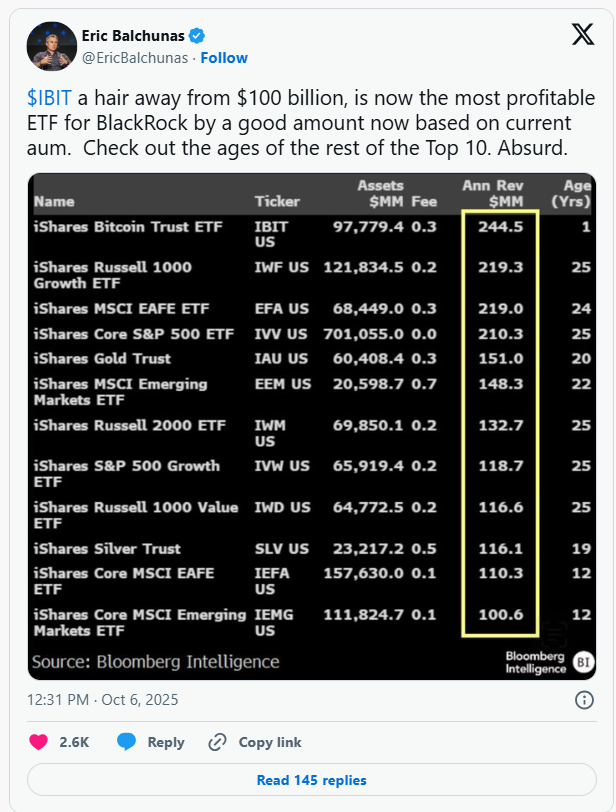
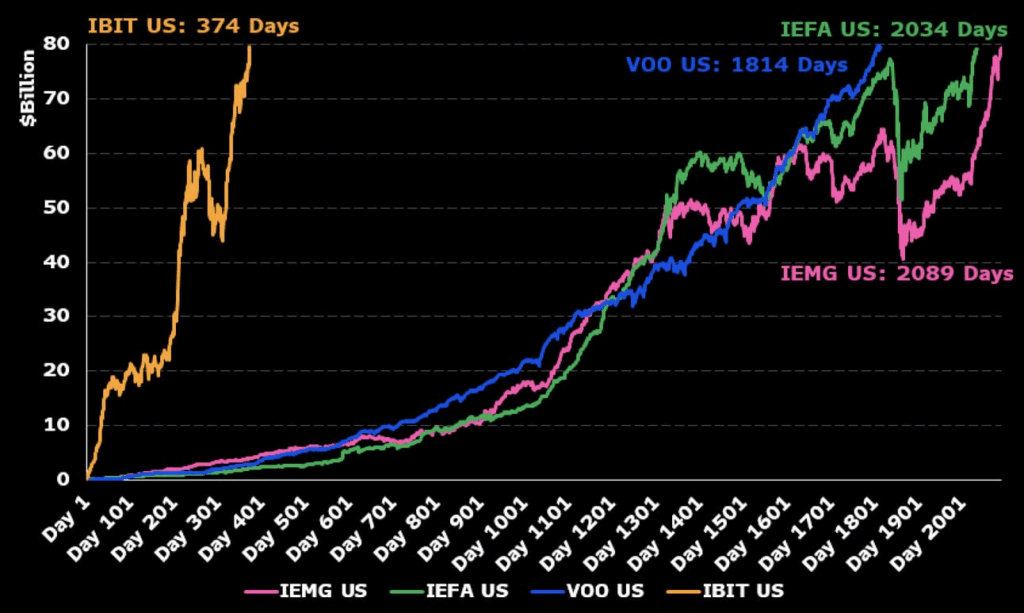
8. IBIT $100B
Eric Balchunas
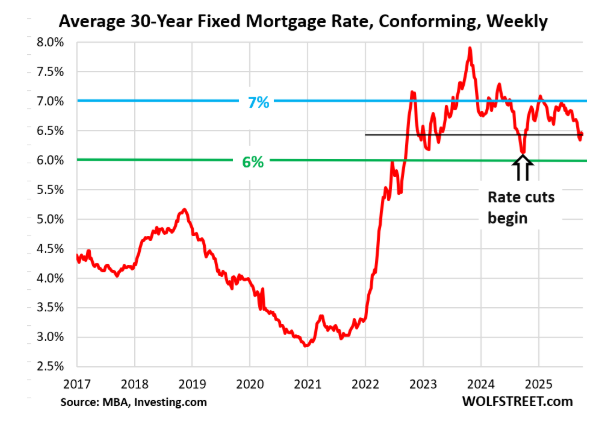
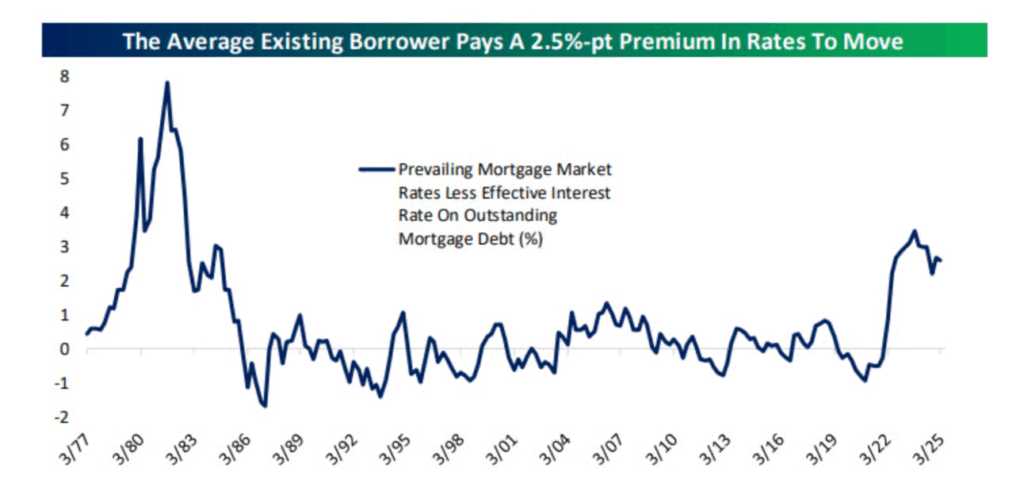
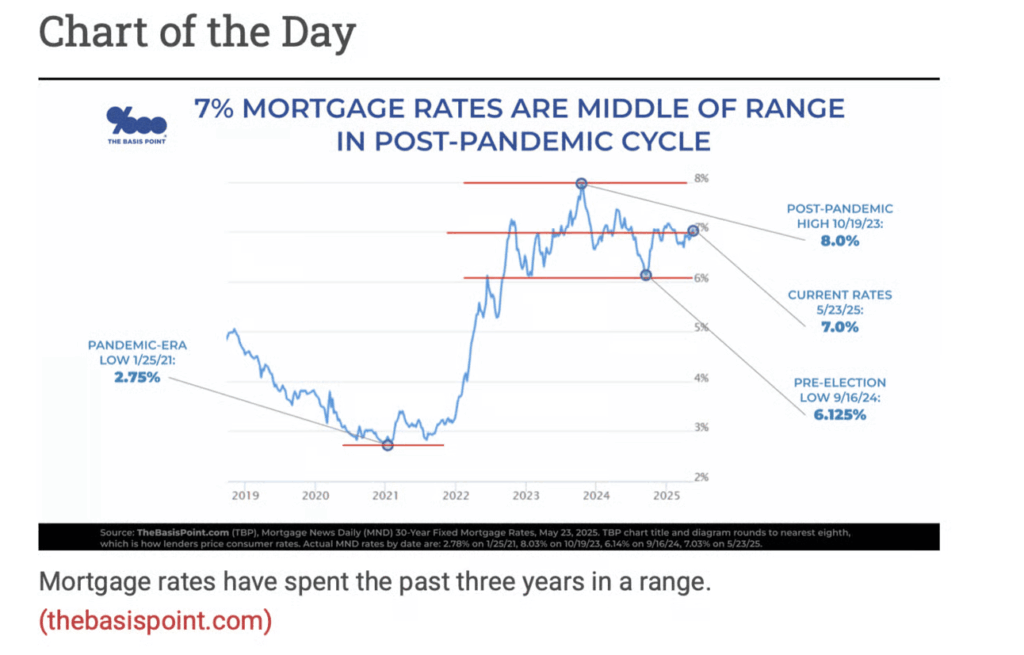
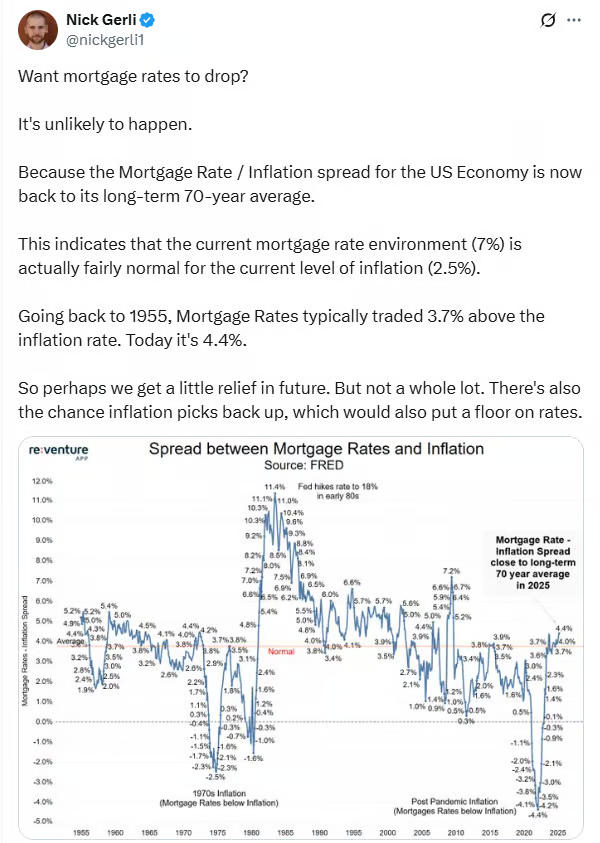
9. 30-Year Home Mortgage Rates Chart
Wolf Street
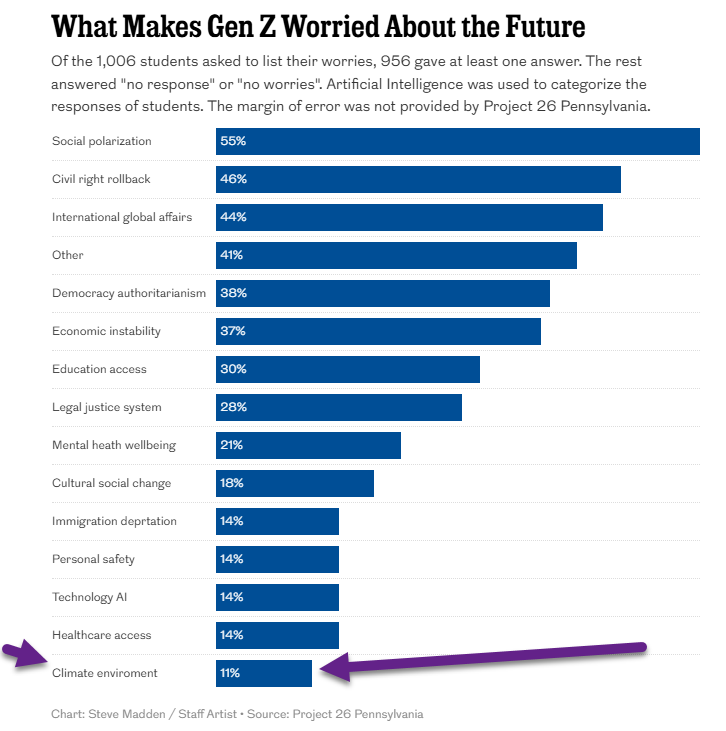
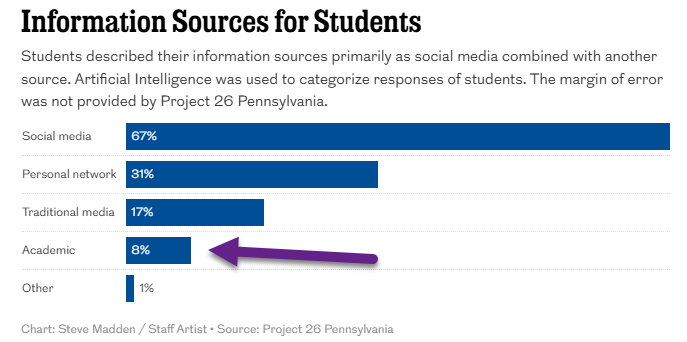
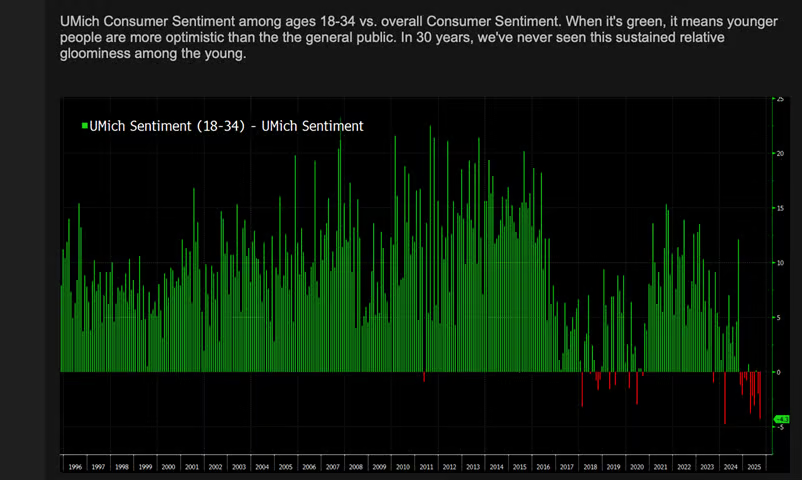
10. Interesting Poll of Pennsylvania College Kids….2% Trust Politicians, Climate/Environment Ranks Last in List of Worries, and Academics Come In Last for Information Sources
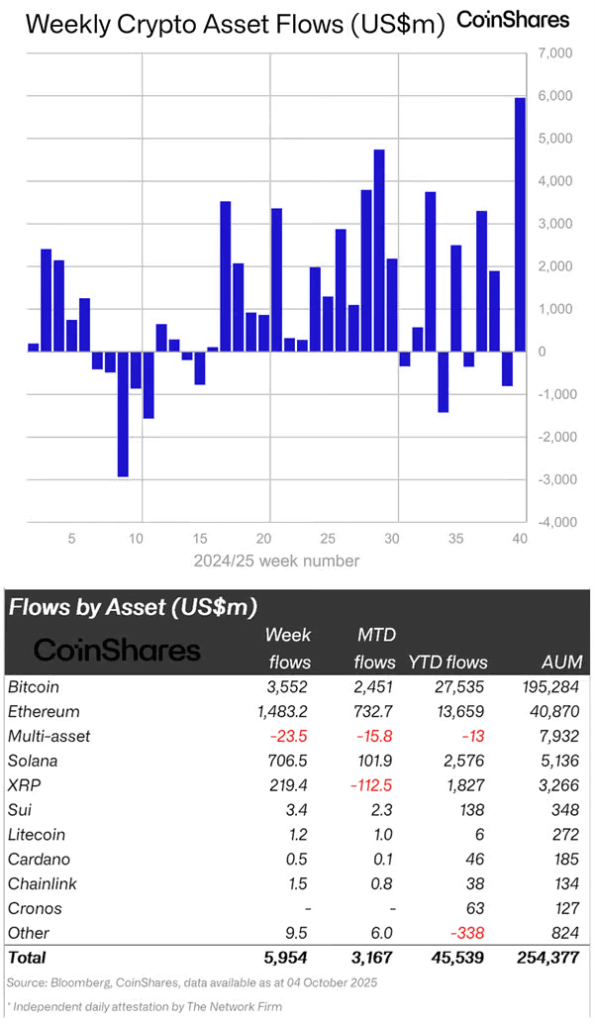
Crypto asset flows. “Digital asset investment products attracted [a record] US$5.95bn last week … Bitcoin saw a record US$3.55bn in inflows, Ethereum US$1.48bn, while Solana (US$706.5m) and XRP (US$219.4m) also set notable records.”
James Butterfill – CoinShares
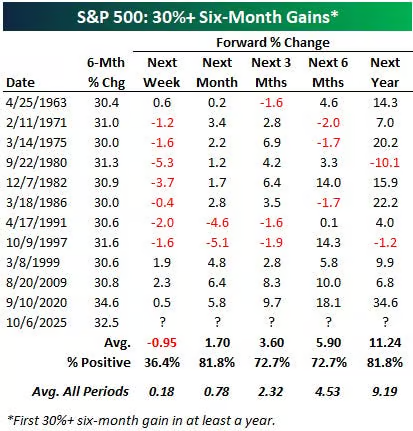
2. History of 30% Six-Month Gains
Below are the twelve days since 1953 where the S&P gained more than 30% in the prior six months (for the first time in at least a year). In terms of forward market performance following these days, the S&P has definitely shown some weakness in the very near term, but going out three months to one year, returns are slightly better than normal.
Bespoke Investment Group
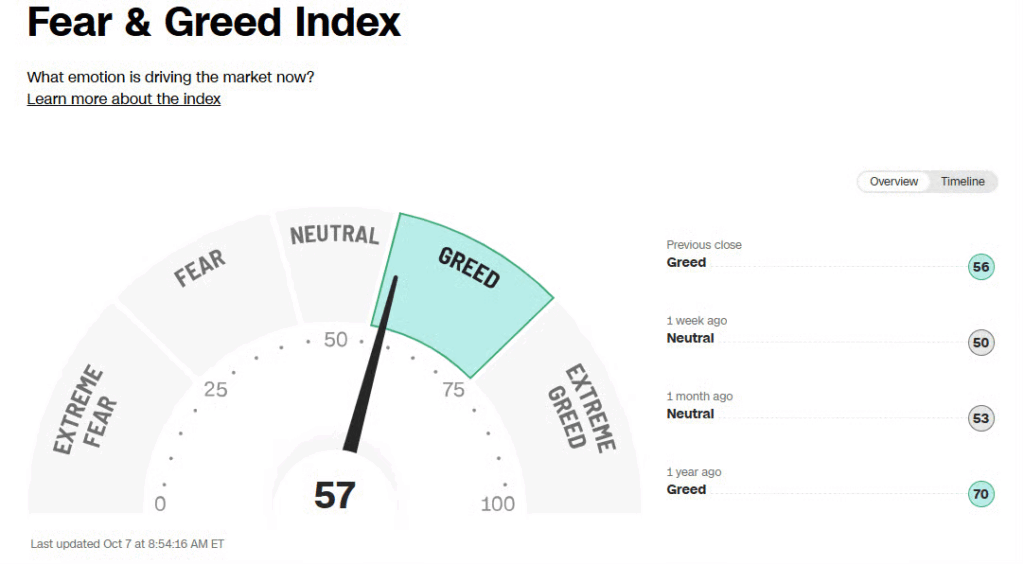
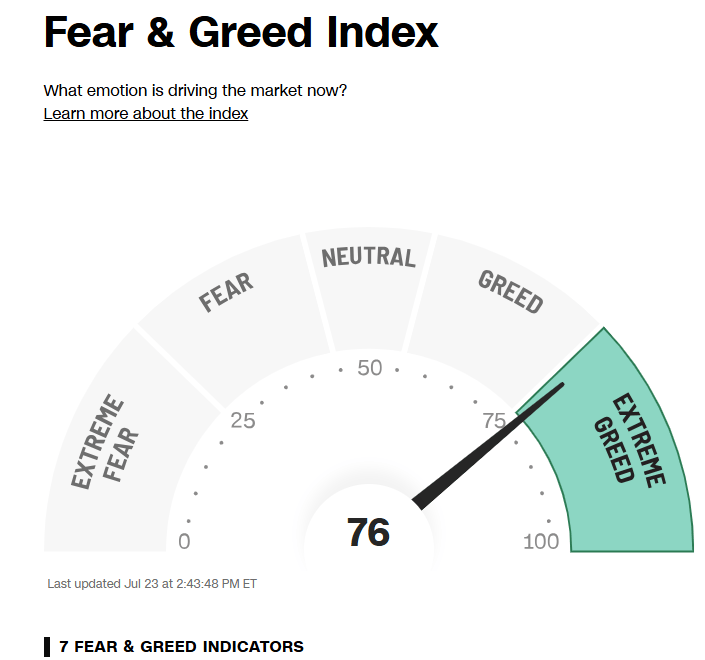
3. Fear and Greed Index
CNN
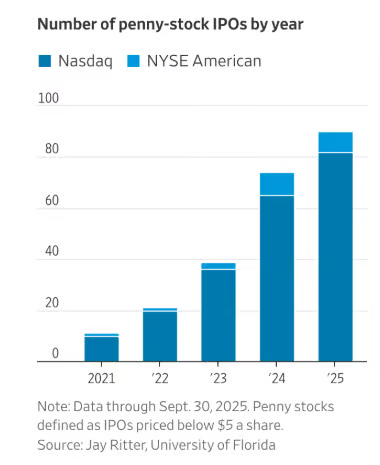
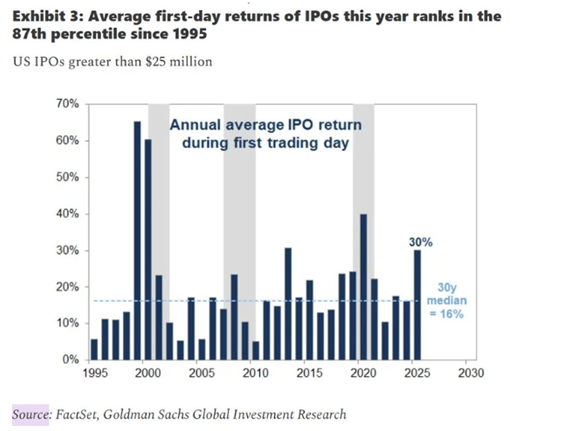
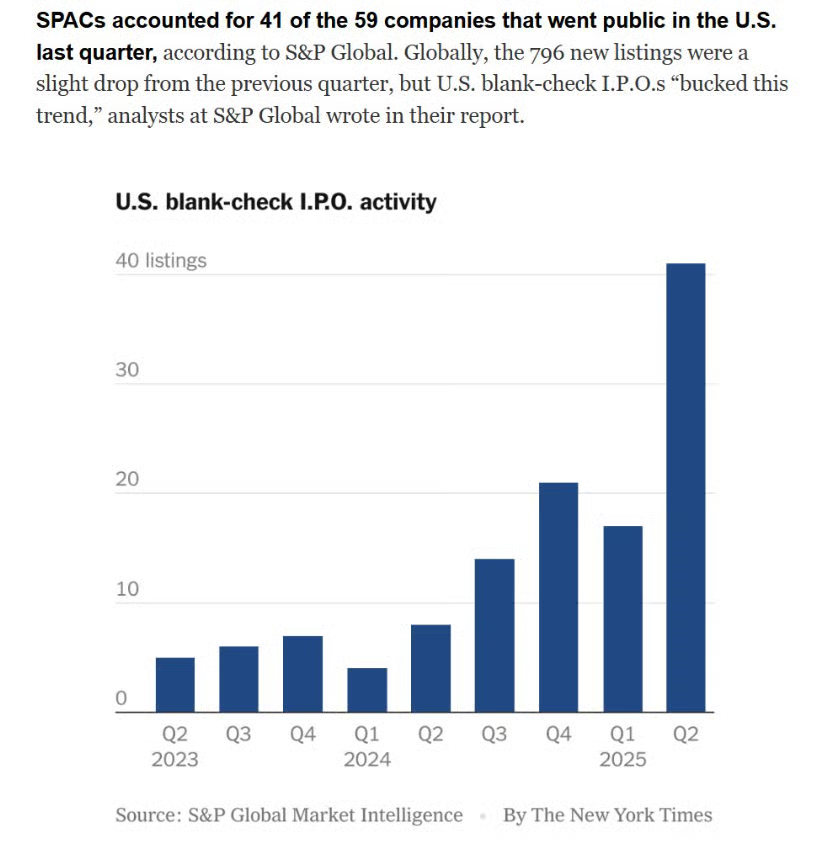
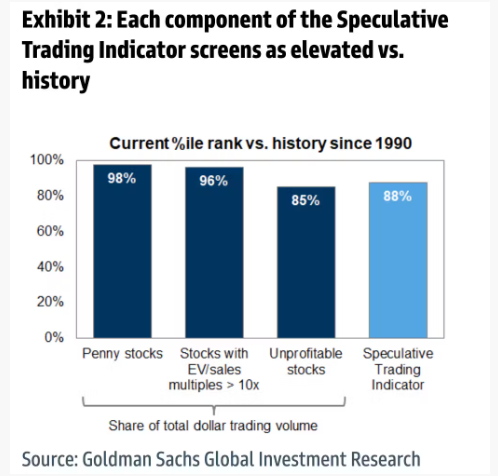
4. Nasdaq Has Become the Market of Choice for Dubious Penny-Stock IPOs
Jonathan Weil – WSJ
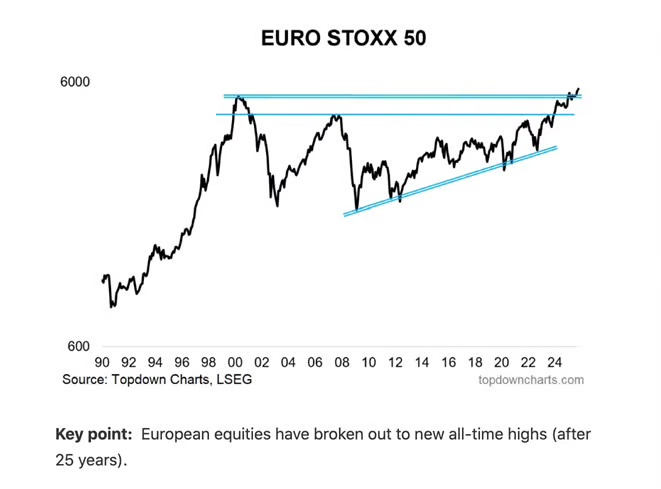
5. European Large Cap Stocks 25-Year Breakout
@Callum Thomas (Weekly S&P500 #ChartStorm)
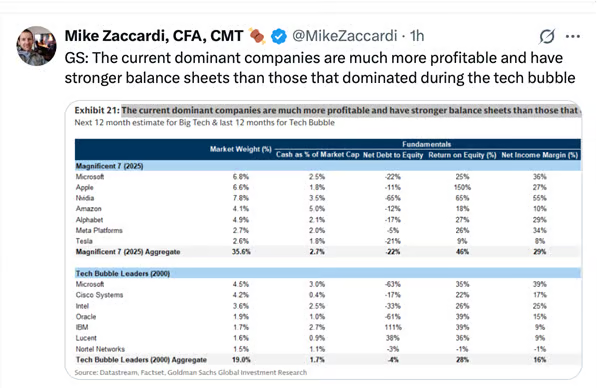
6. Tech 2025 vs. 1999
Mike Xaccardi
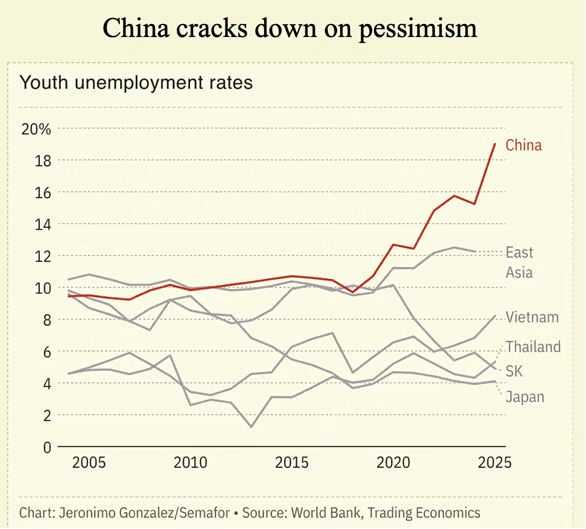
7. China Youth Unemployment Chart New Highs
Semafor
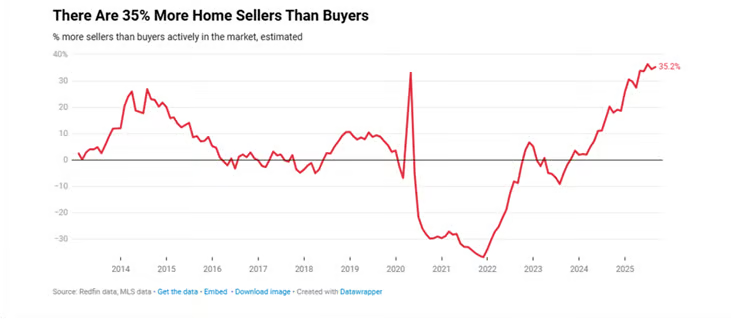
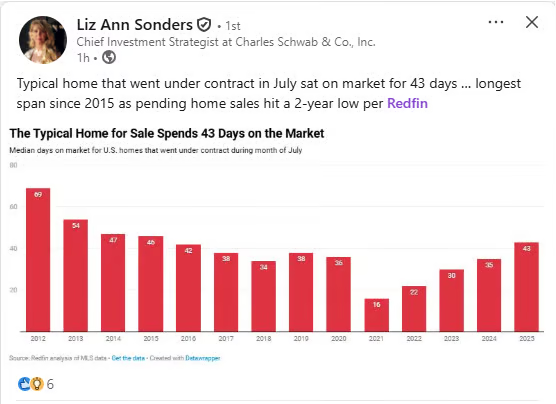
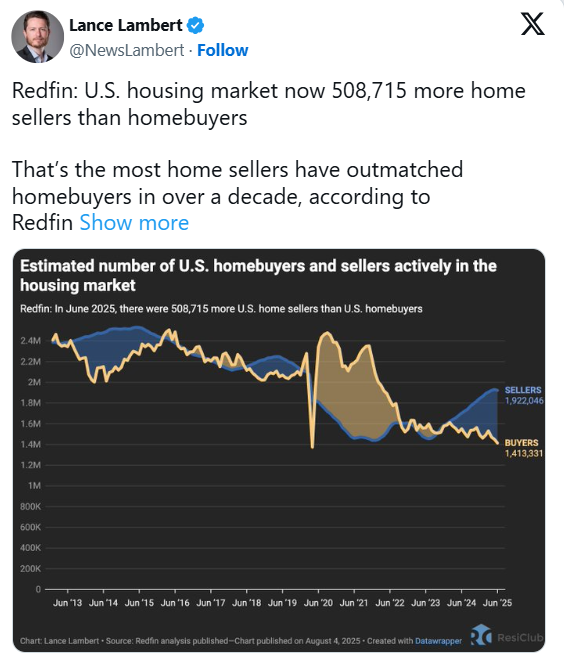
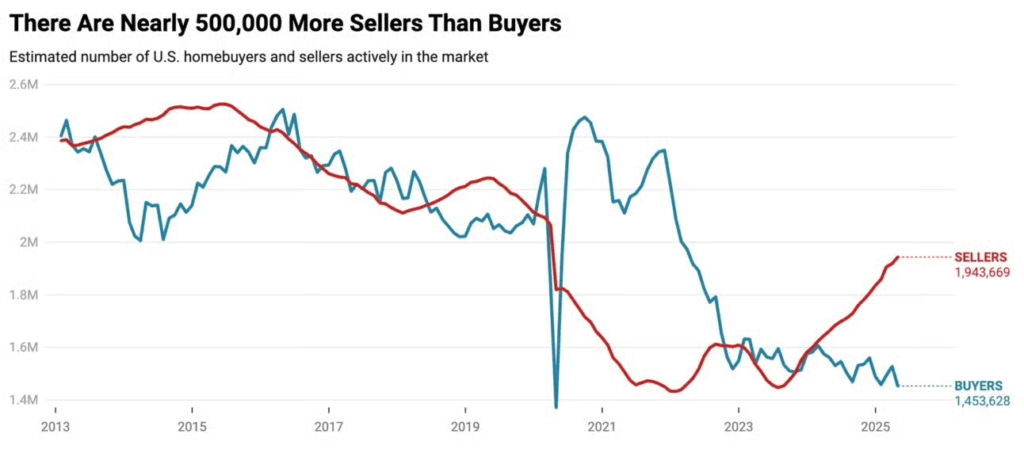
8. Nationally-There are 35% More Home Sellers Than Buyers
@CharlieBilello
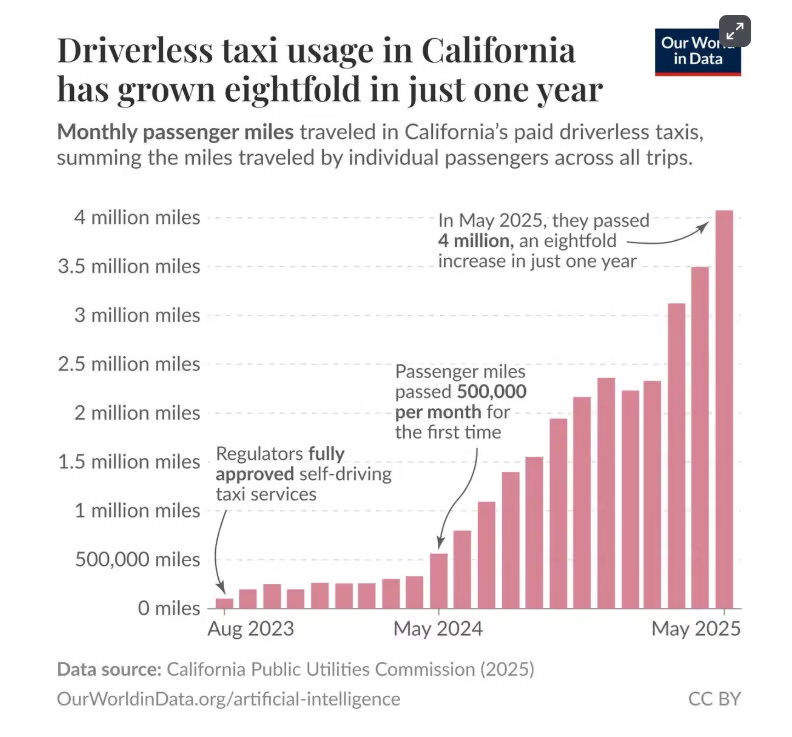
9. Driverless Taxi Usage Update in California
Derek Thompson – Substack
10. The Daily Stoic -Everything we need to do draws on the same ability
Every problem we face, every decision we make, every risk we take, every belief we choose to accept or question—it all requires the skill of discernment. Life, business, ethics, success, it comes down to being able to see what’s what in a given situation.
…what to do
…when to do it
…and how to do it.
And no skill was more cultivated by the Stoics than this. Epictetus talked of money changers who could tell, just by banging a coin on the table, whether it was counterfeit or not. This, he said, was what a philosopher had to be able to do—to know a good impression from a bad one, a good response from a bad one, a virtue from a vice. This is what Seneca was doing in his evening reviews. It was what Marcus Aurelius was trained in by Rusticus and Fronto and Antoninus.
To be able to see what’s in front of you with clarity. To know what’s important and what isn’t, how things work. That’s what wisdom is. It’s not an encyclopedic knowledge of facts and figures but something both profound and applied—for it was not Gandhi’s sharp legal mind that made him the mahatma.
No one is born with this critical and all too rare ability. It is not something, Seneca reminds us, that can be delegated to someone else. There is no technology that can do it for you. There is no app. No teacher who can simply download everything into your brain. No guru who can lead you to enlightenment or shaman who can give it to you in a dose.
No, I say (it’s Ryan here), wisdom takes work (that’s the title of the new book, by the way, and you can preorder signed, numbered first-editions here!). Lots of work. Lots of reading. Lots of teachers. Lots of experience. Lots of reflecting. It took lots of work in the ancient world and it takes lots of work today. But where would we be without it? Who would we be without it?
The reason we need discernment is that life is constantly putting us in difficult situations, asking us difficult questions, putting us in ethical dilemmas. Especially in a world of social media and algorithms—where we are bombarded with information, with noise, with temptations, with endless distractions. How can we navigate this? How can we make sense of it?
Without wisdom, we cannot. We will be carried away. We will be misled. We will do the wrong thing.
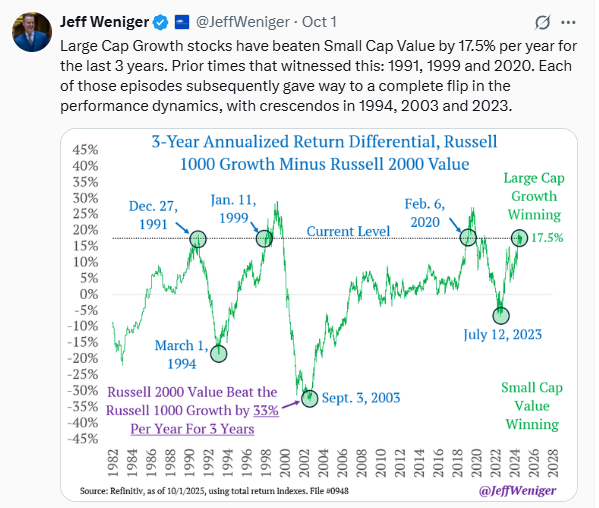
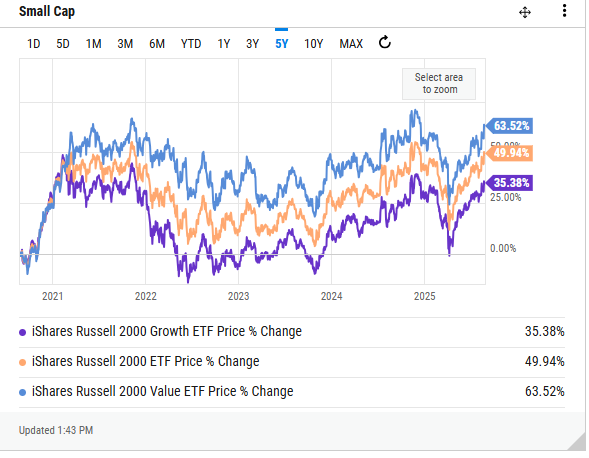
1. Large Cap vs. Small Cap History of Wide Performance Spreads
Jeff Weniger
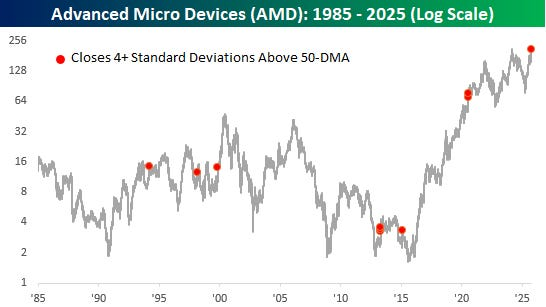
2. AMD Massive Move Short-Term Overbought
Bespoke Investment Group-With today’s gain, shares of AMD will also be trading at “extremely extreme” overbought levels. Over the last 45 years, there have only been a handful of other days when the stock traded four or more standard deviations above its 50-DMA, and if the stock holds onto these gains throughout the trading session, today would be another one.
Bespoke
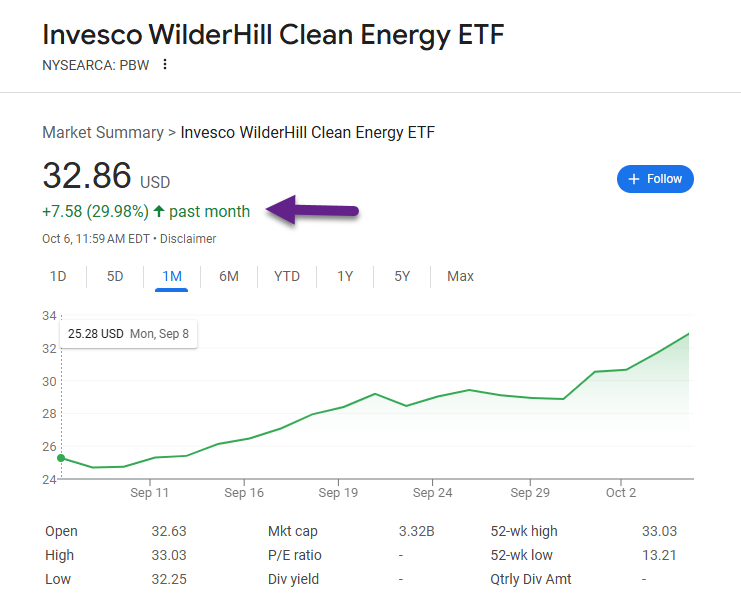
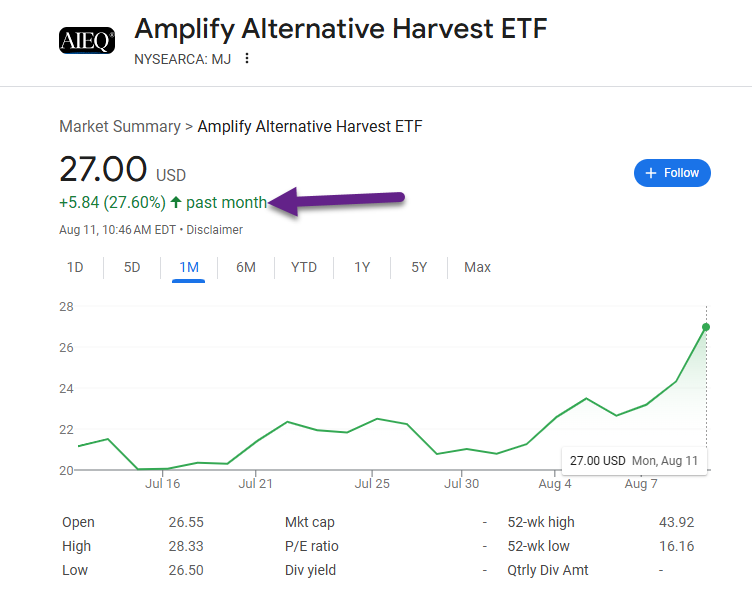
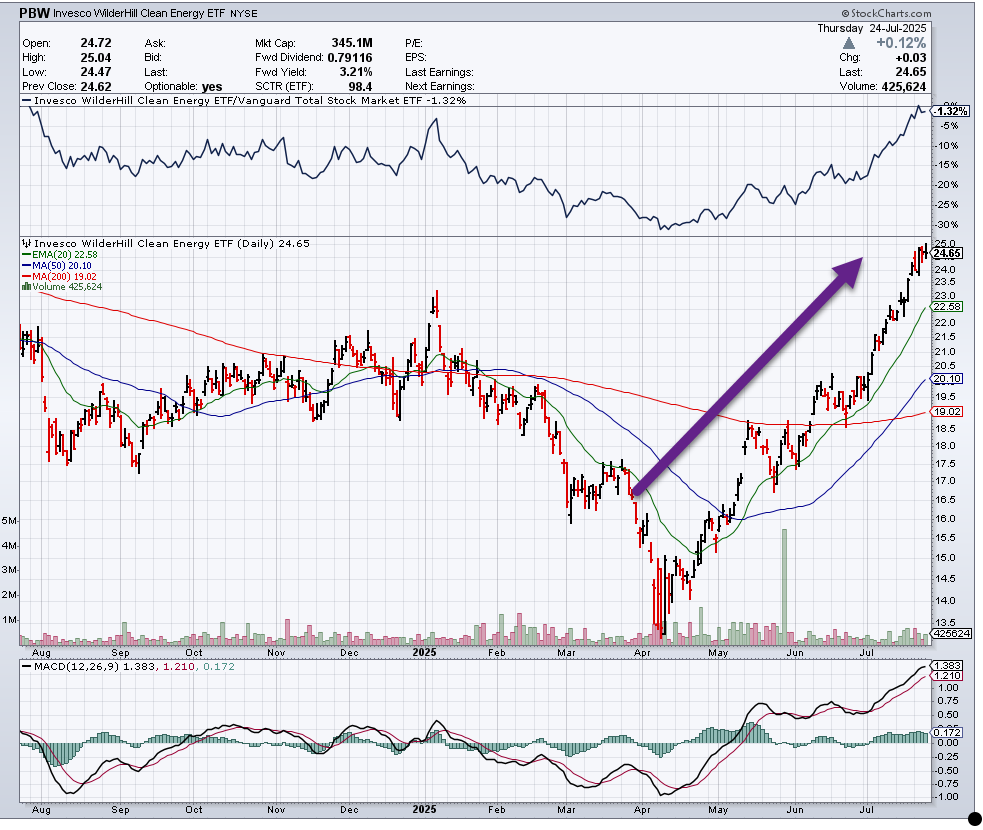
3. Clean Energy Not Dead Yet….PBW ETF +30% One Month
Google Finance
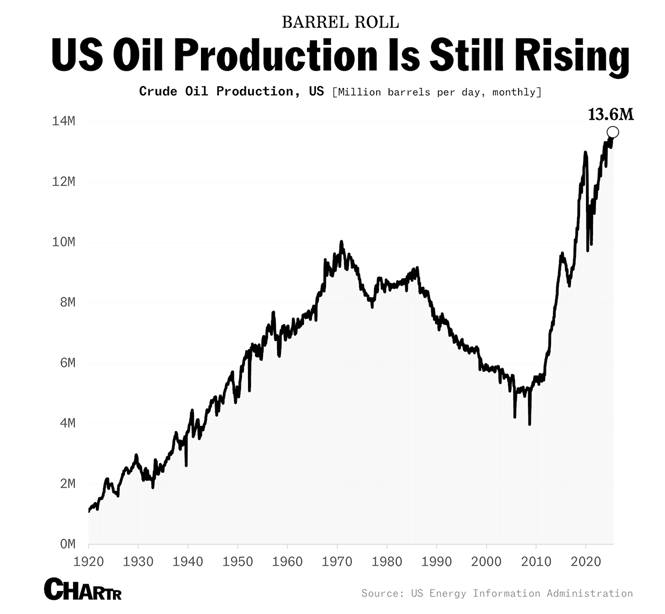
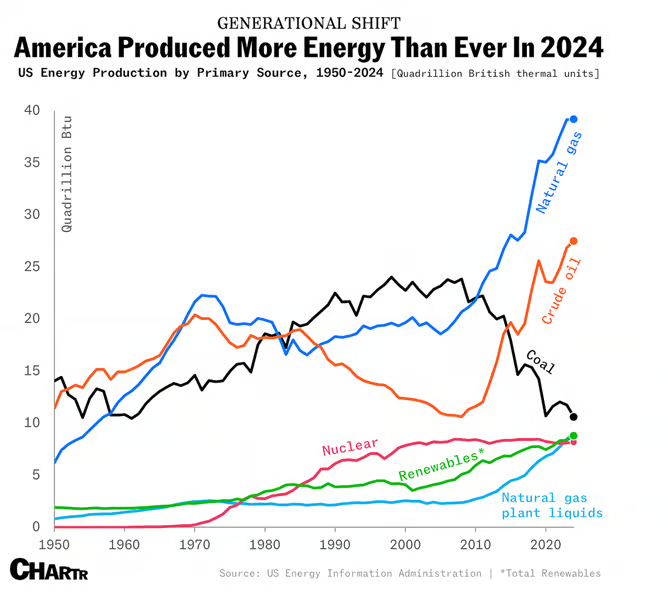
4. American Energy Production Straight Up from 2010
chartr
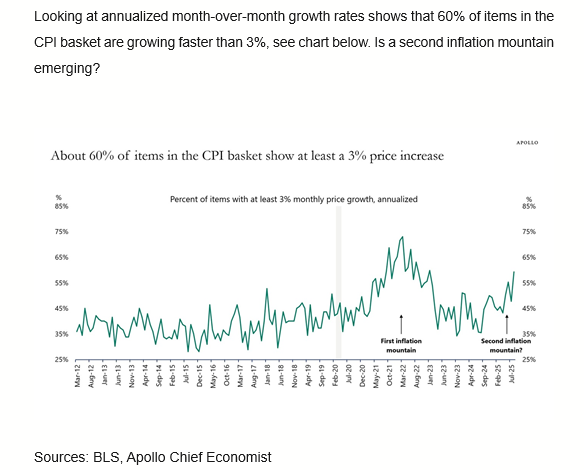
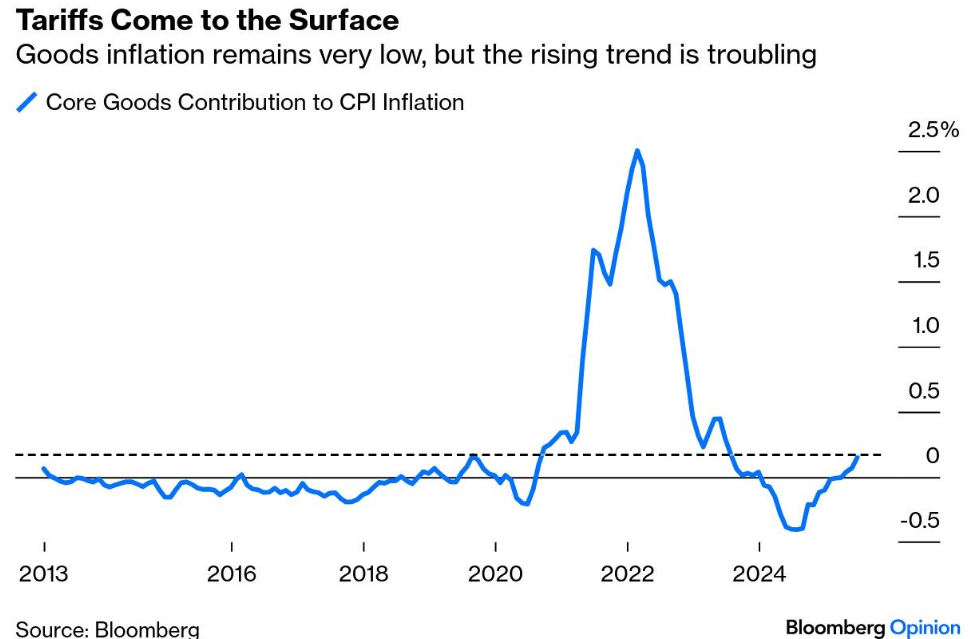
5. Inflation 60% Items in CPI Basket Growing Faster than 3%-Torsten Slok Apollo
Apollo Academy
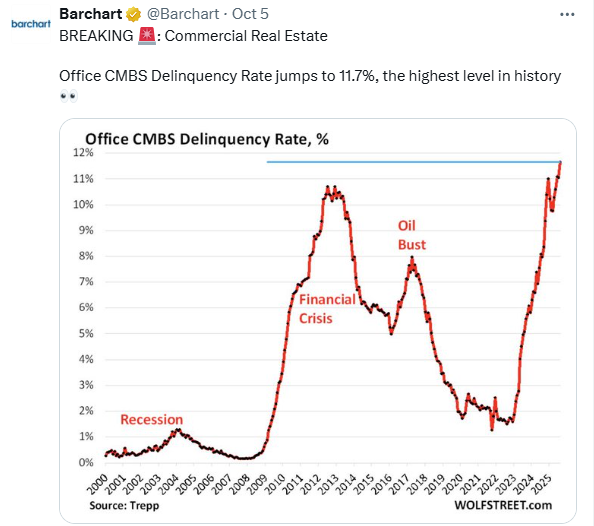
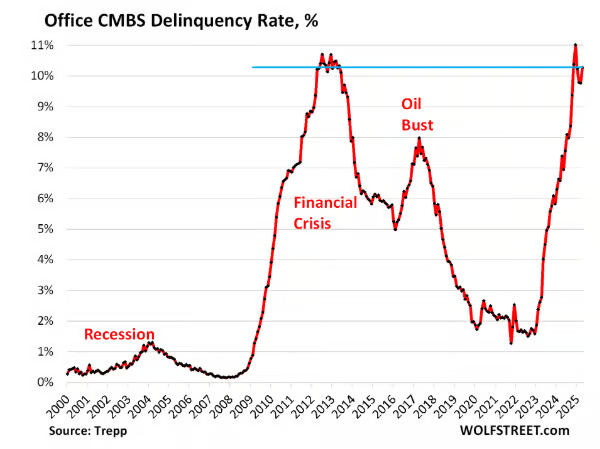
6. CMBS Office Delinquency Rates Pass 2008
Barchart
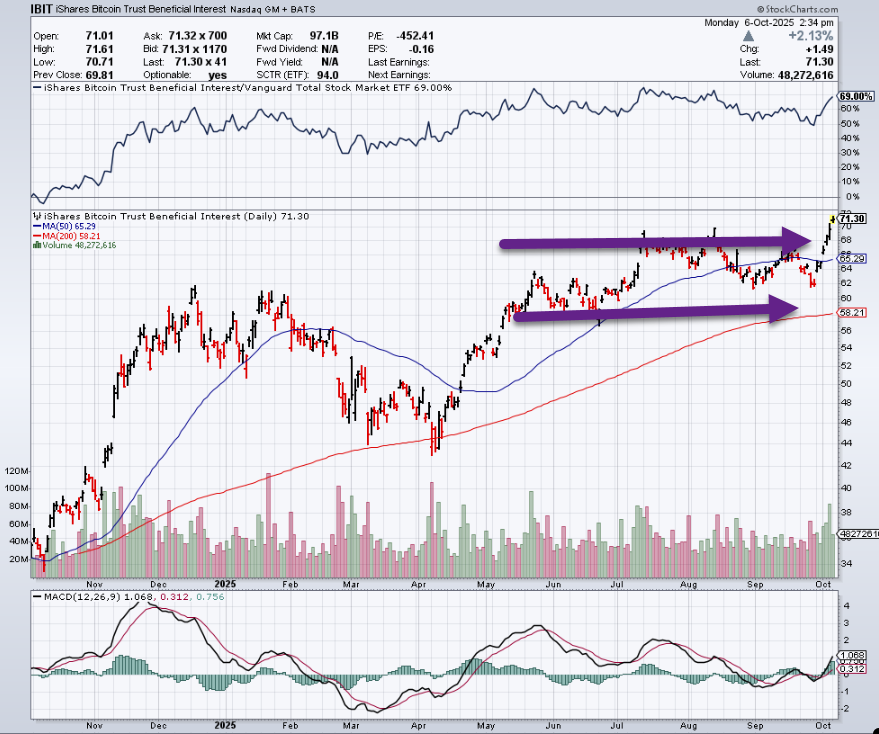
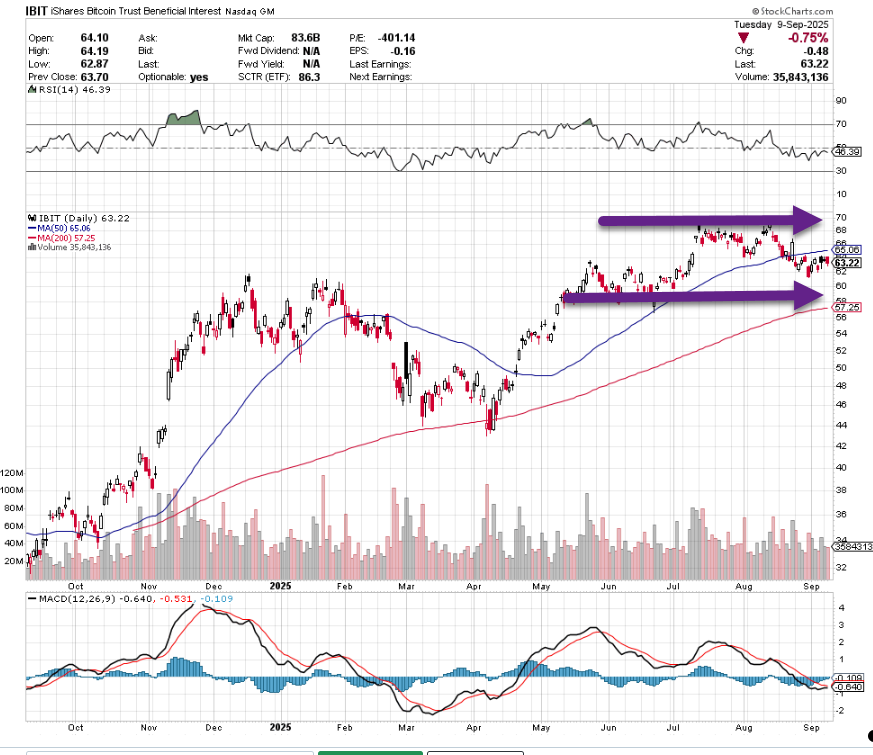
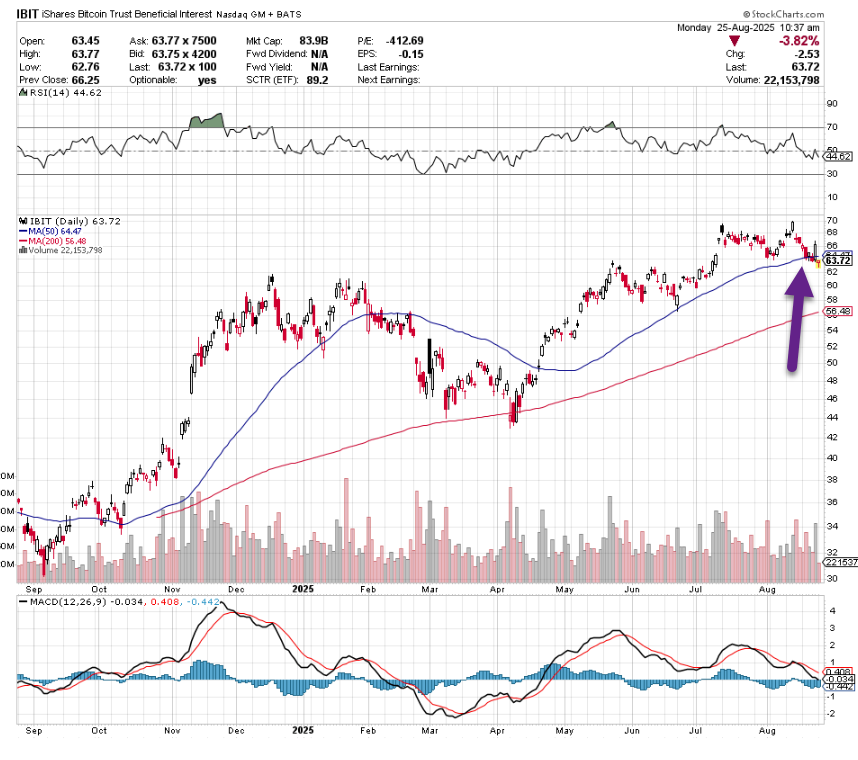
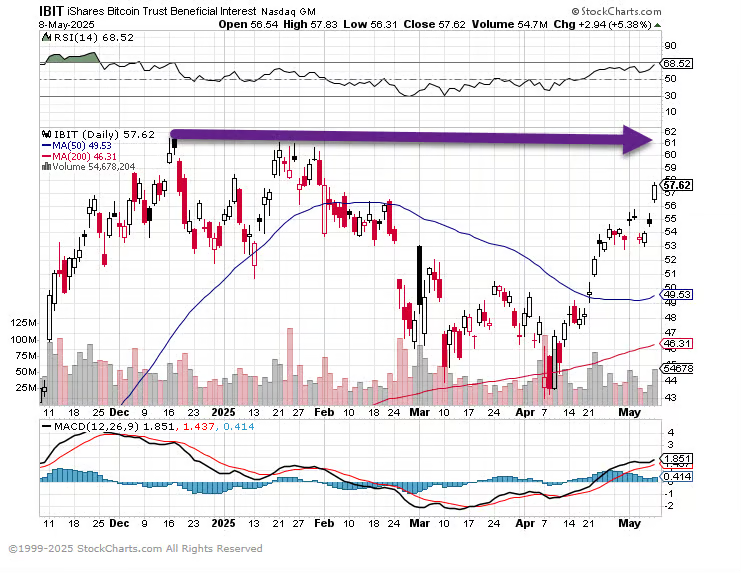
7. Bitcoin IBIT Clear Break-Out of Previously Mentioned Sideways Pattern
StockCharts
8. Small Percentage of Social Media Creators Receive All the Eye Balls-Prof G
Prof G Blog The bigger issue isn’t whether the AI-generated art is “good” or “bad.” It’s that most consumers don’t actually want to create it in the first place. Media consumption has long followed the “1% rule”: Only a small fraction of people create content, while the vast majority consume it.
4% of YouTube videos account for 94% of views on the platform.
5% of videos on TikTok generate 89% of the views.
On Instagram, 3% of videos earned 84% of all views.
The top 25 podcasts reach nearly half of U.S. weekly listeners.
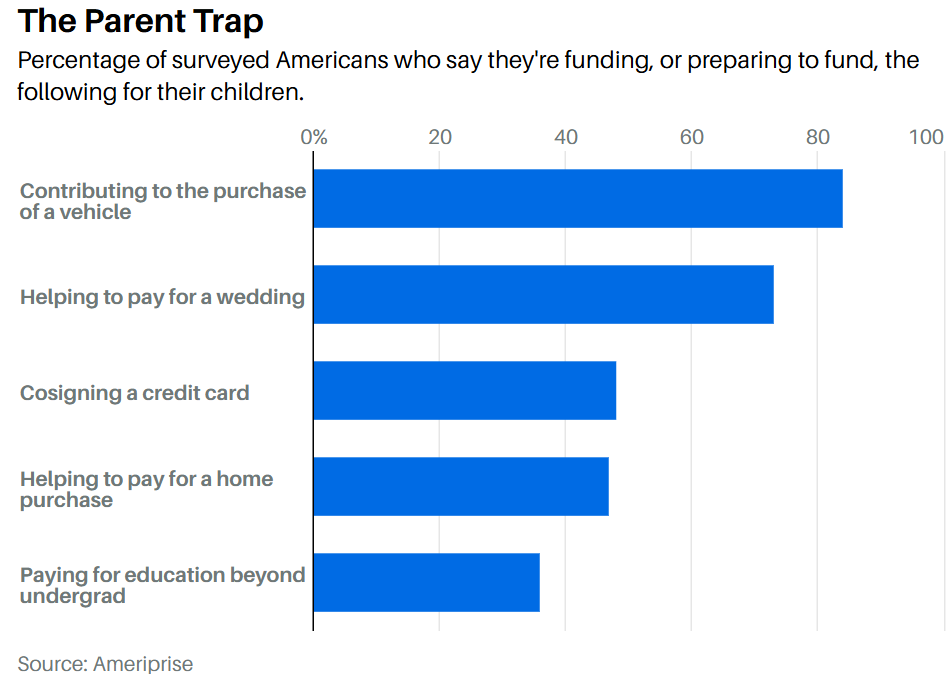
10. Great Majority of Wealthy Parents Giving to Adult Children
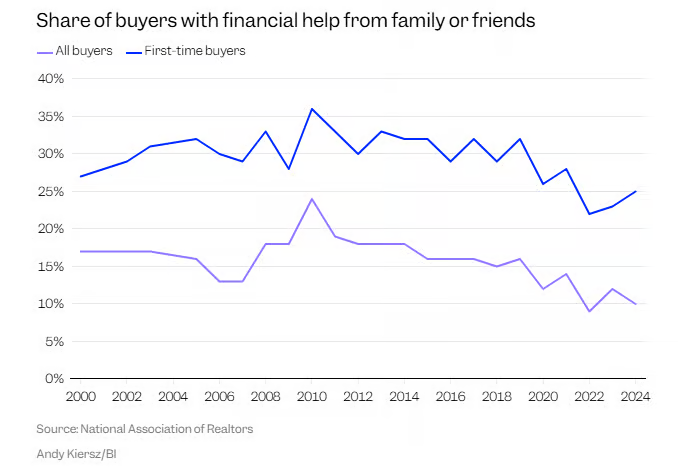
Barrons The great majority of wealthy parents are giving their adult children financial support, according to a new survey by Ameriprise. Three-quarters of the survey’s 554 respondents are footing the bill for their adult children’s big-ticket items, like down payments on homes or tuition for graduate degrees. Nearly two-thirds are also covering ongoing costs like phone bills.
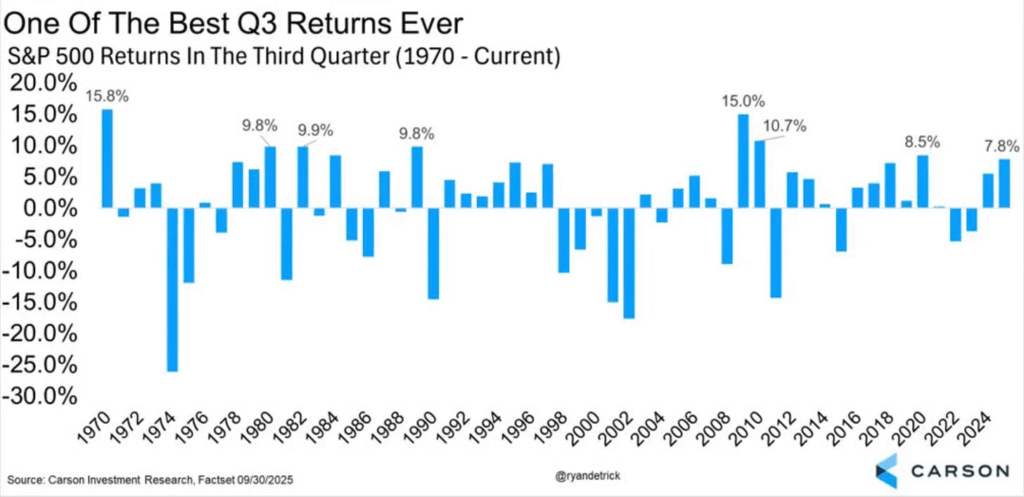
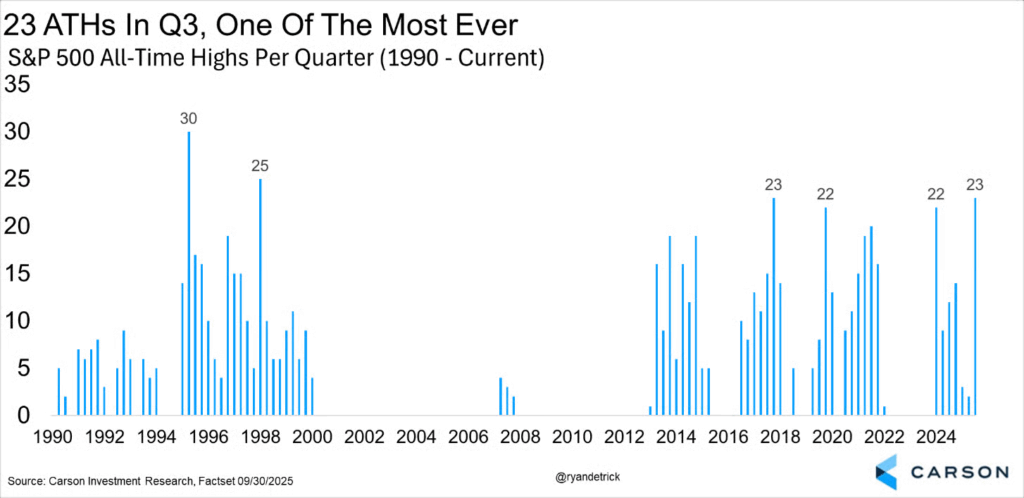
Just about everything seemed to be in the green in Q3. It should’t be a shock that it was one of the best quarters in the past decade.
Ryan Detrick – Spilled Coffee Blog
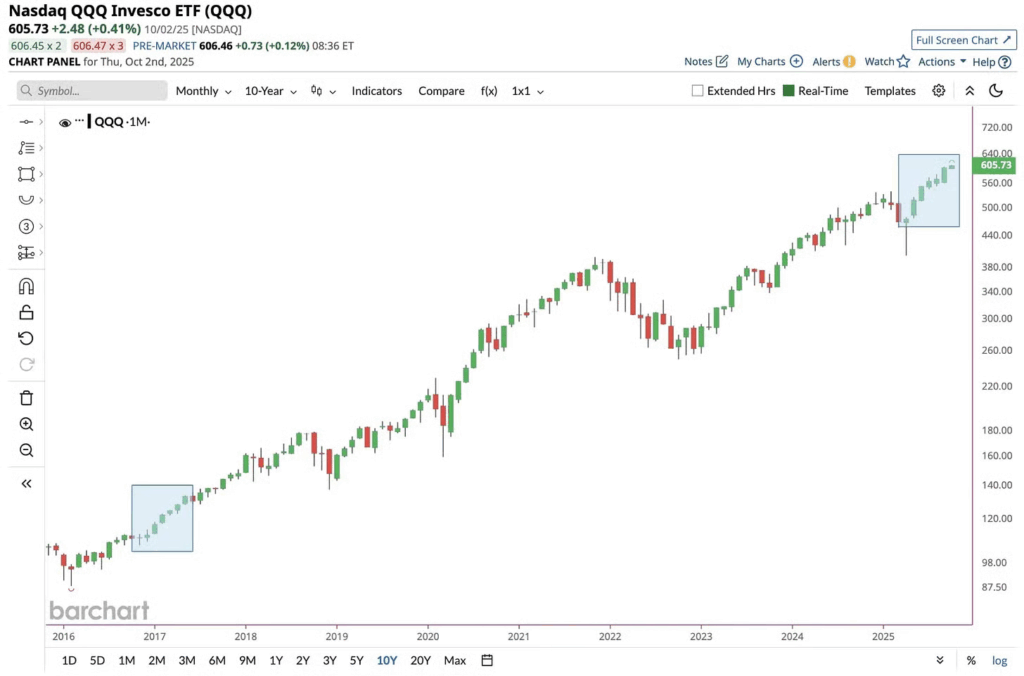
2. Nasdaq Up 7 Months in a Row
Take a look at the Nasdaq over the last 7 months. It’s a thing of beauty. It has been up 7 months in a row. The best streak since 2016-2017.
Barchart
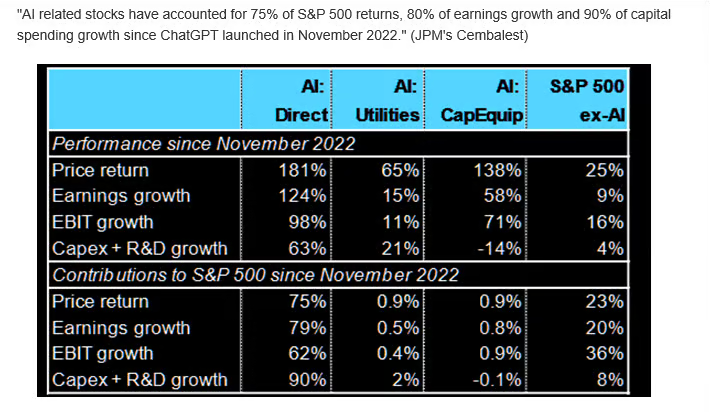
3. AI Related Spending =75% of S&P 500 Returns
Market Ear
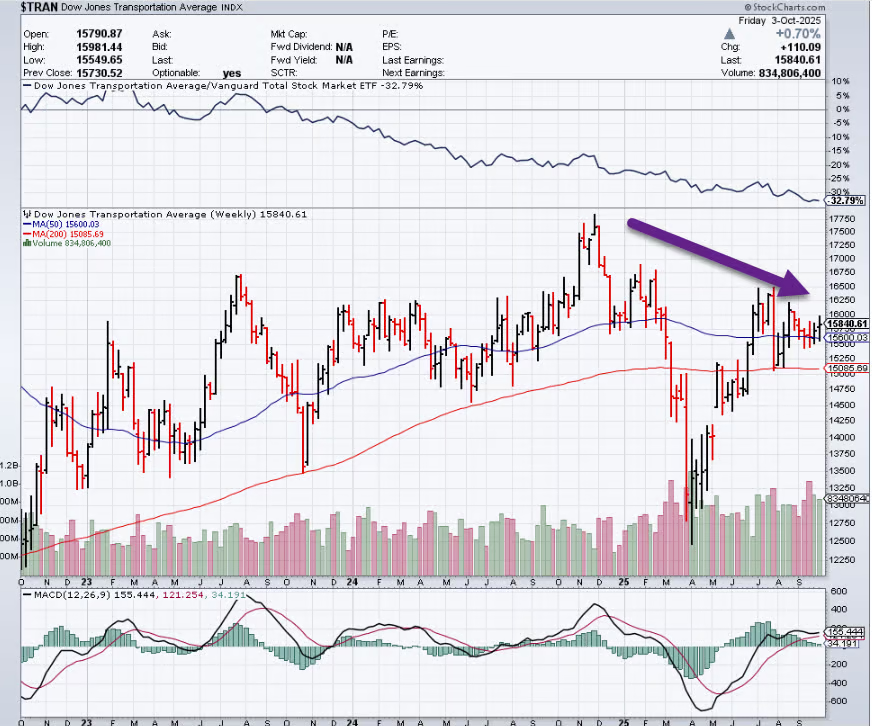
4. Dow Jones Transports Still Below 2024 Highs
Stock Charts
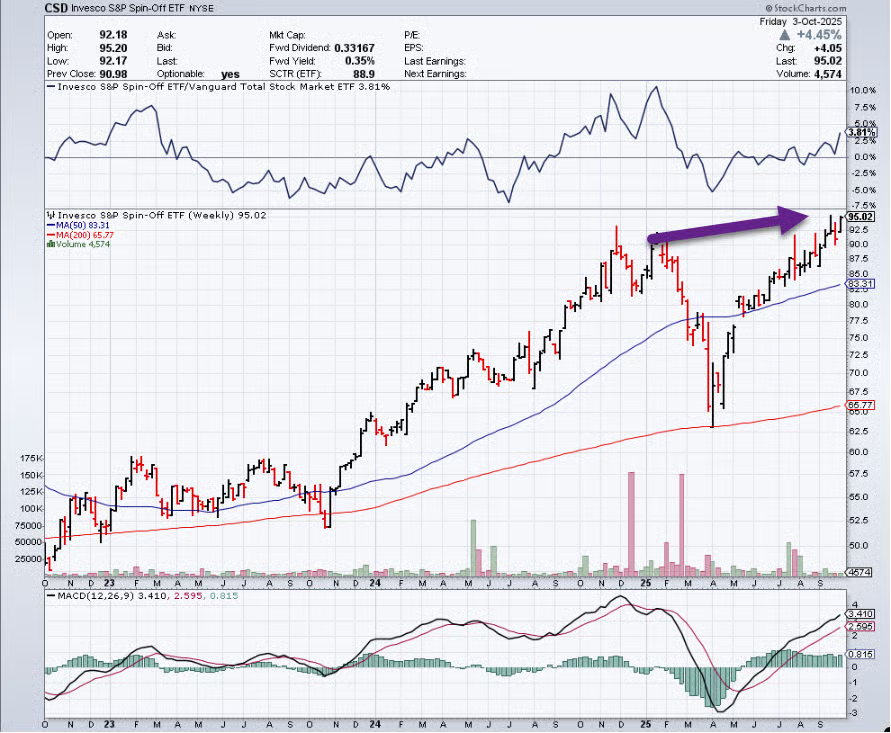
5. Charts I Watch—Stock Spin-Off ETF New Highs
Stock Charts
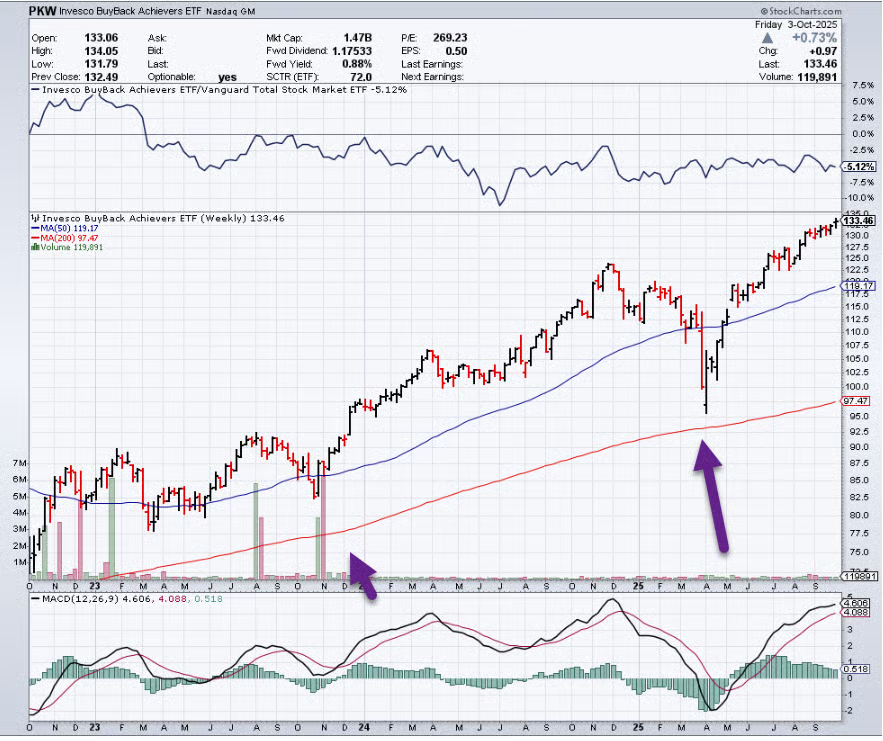
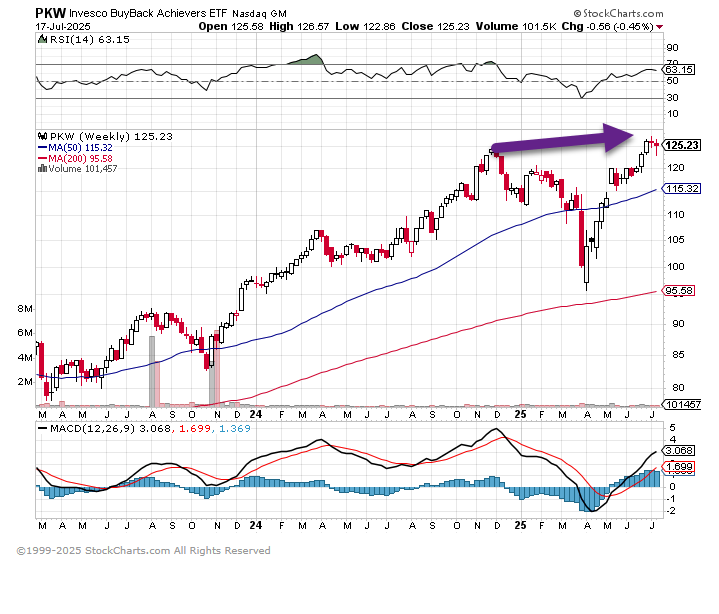
6. Stock Buyback ETF Has Held Long-Term 200 Week Average for Years…New Highs
Stock Charts
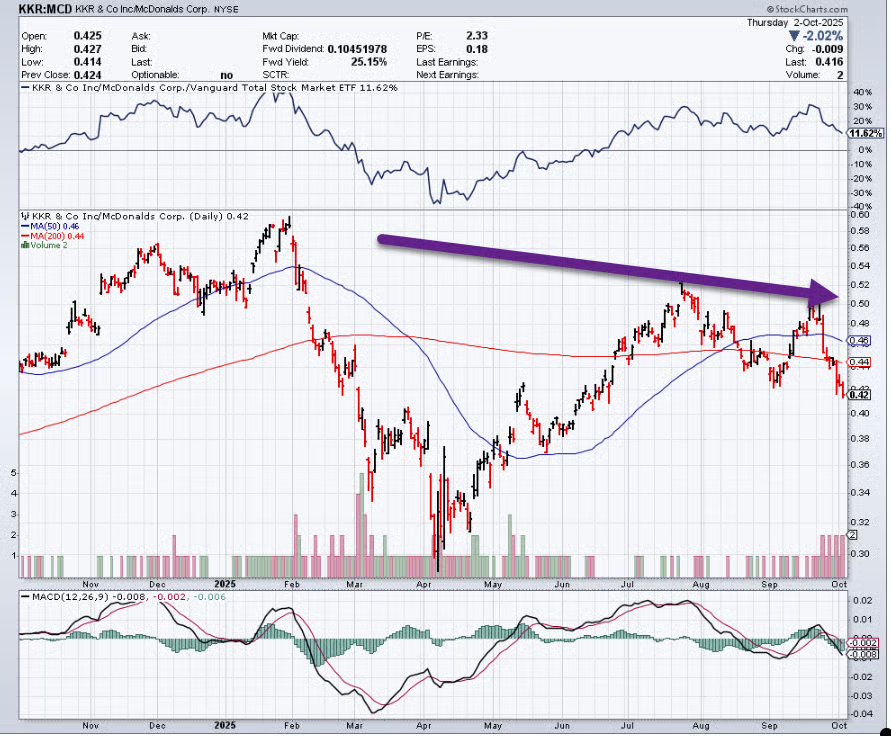
7. 19k Private Equity Funds vs. 14k McDonalds……Chart Below Compares KKR to MCD Last 18 Months
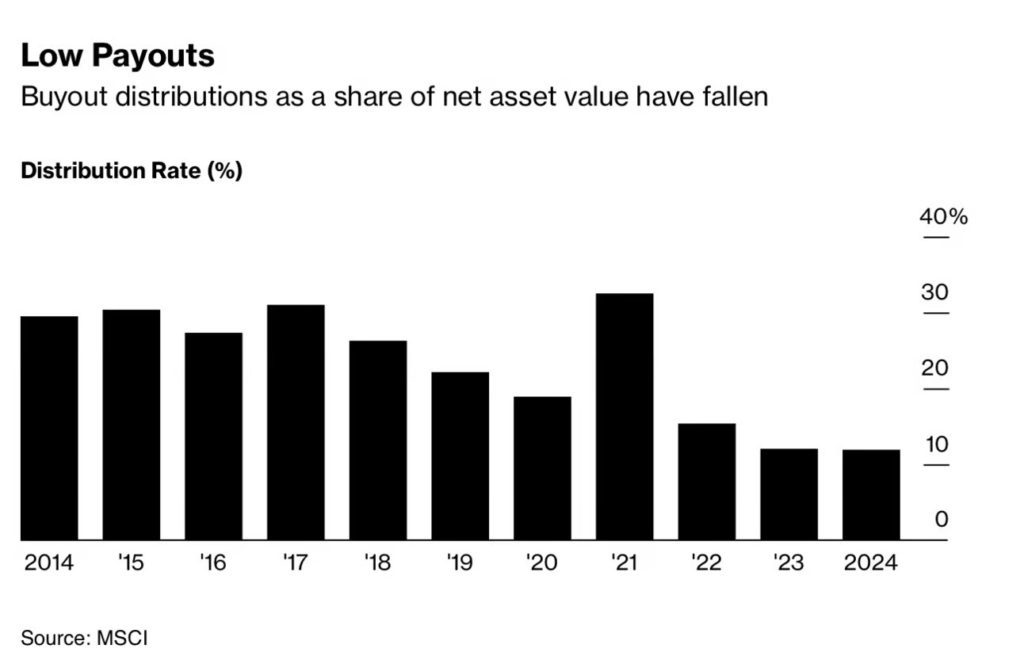
Bloomberg “There are 19,000 private equity funds in the US. There are 14,000 McDonald’s in the US. How are there more private equity funds than McDonald’s? That’s actually crazy, right?” KKR & Co. partner Alisa Wood said Wednesday at Bloomberg’s Women, Money and Power event in London. “Capital coming back is really important. The mark-to-market paper gains only take you so far.”
Bloomberg
8. Gen Z Revolts Update
IN scenes resembling a dystopian blockbuster, furious so-called Gen Z protesters have left a trail of carnage in nations from Asia to Africa as they oust leaders and set cities on fire. Now, it’s feared discontent could spread to the UK – with “powerful” younger generations being rallied by fast-spreading messages on social media.
The Sun
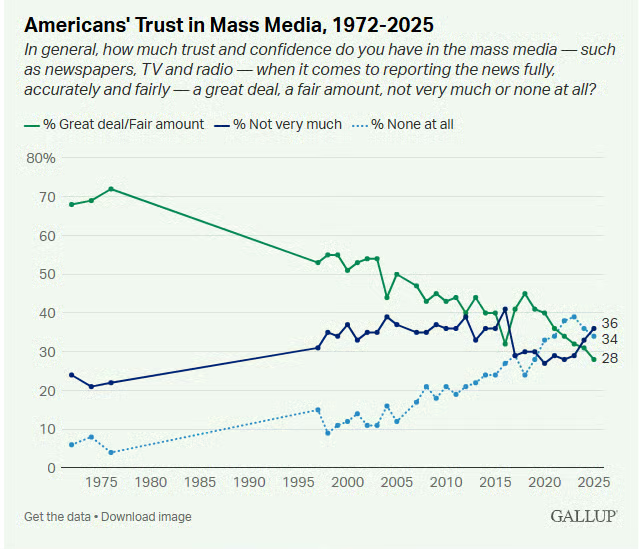
9. America’s Trust in Mass Media
Gallup
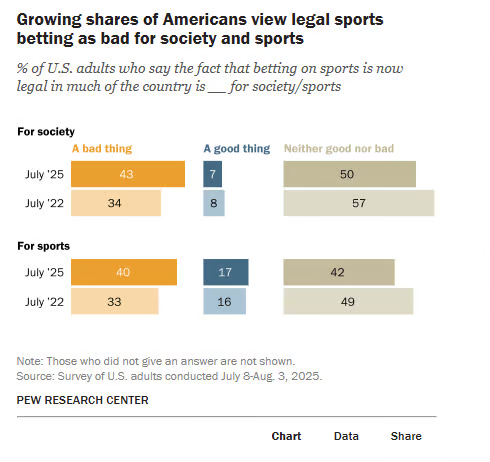
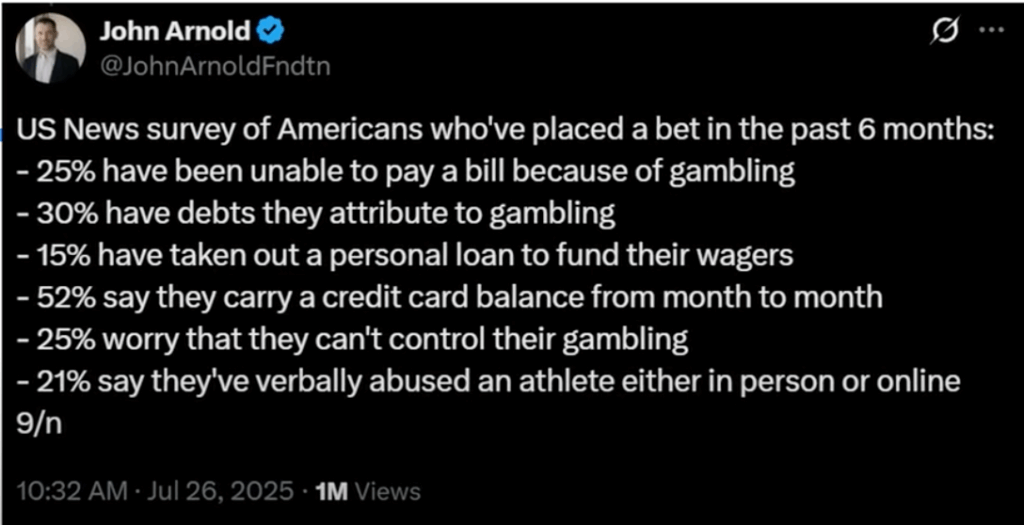
10. Americans Move Towards Negative View on Sports Betting
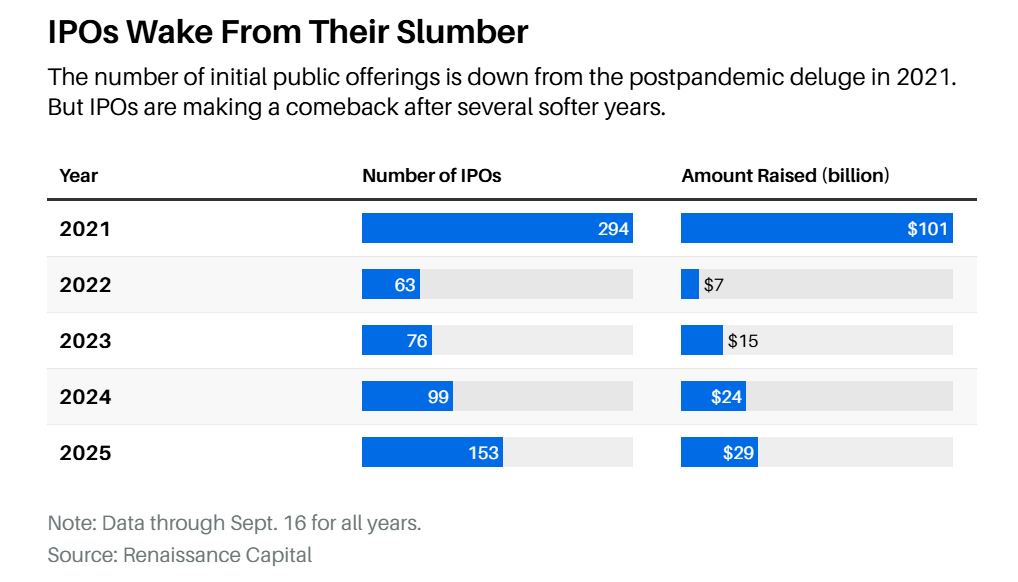
6. IPO Market Still Running at Half the Amount Raised in 2021
Barron’s
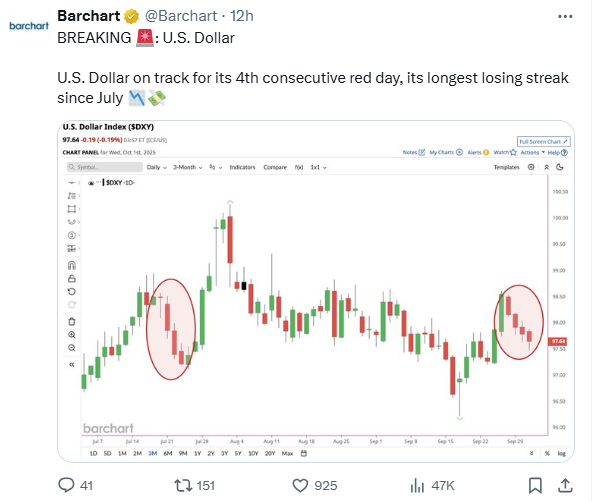
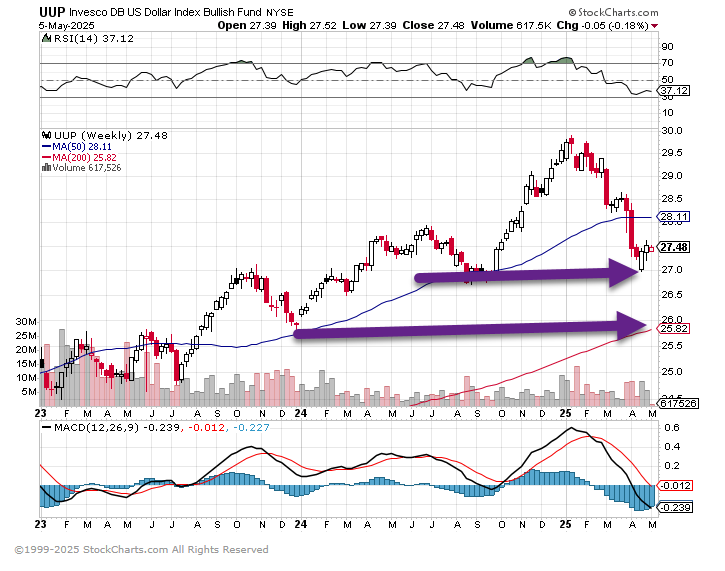
7. Dollar Rolling Back Over
Barchart
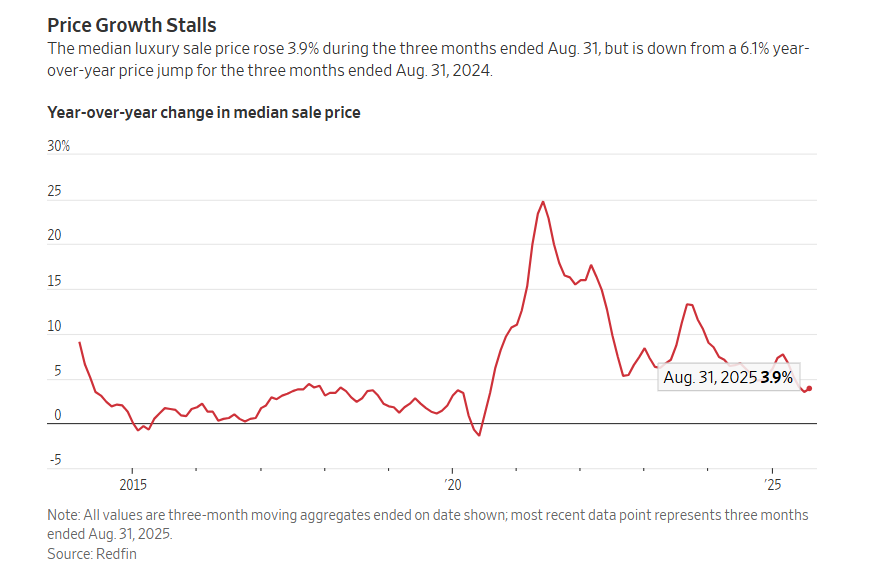
8. Luxury Home Market Slows
WSJ The number of luxury-home sales nationwide dropped 0.7% during the three months ended Aug. 31, compared with the same period last year, according to data from real-estate brokerage Redfin, which said luxury sales nationwide dropped to the lowest level for that period since it began tracking the market in 2013.
Price growth also slowed. During the three months ended Aug. 31, the median sale price for luxury properties—defined as the top 5% of the market—increased 3.9% year over year to $1.25 million, according to Redfin. But that is down from a 6.1% year-over-year price jump for the three months ended Aug. 31, 2024.
WSJ
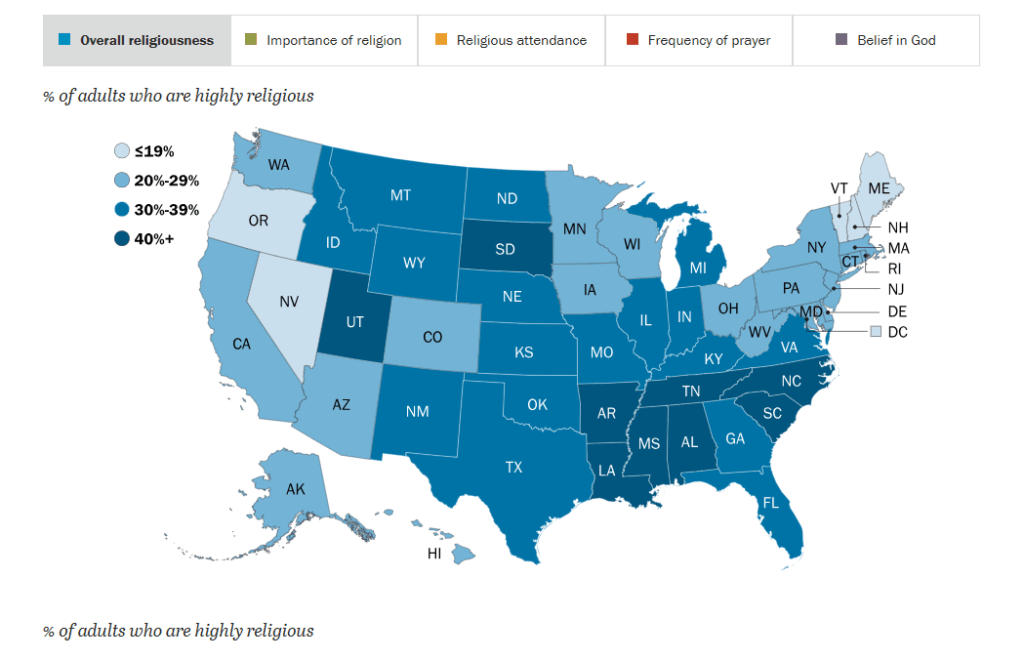
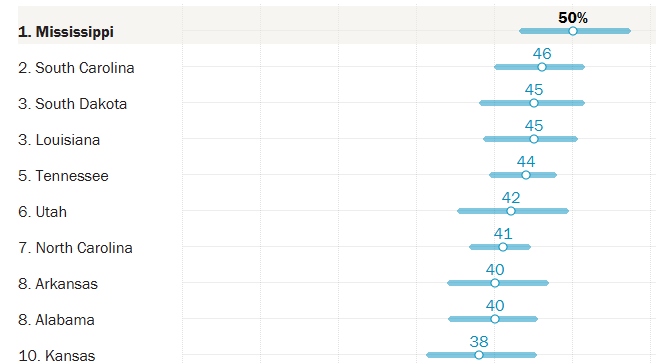
9. How Religious is Your State? Pew Research
Pew Research Center
10. How to Become a Super Learner
Psychology Today Science-based techniques can help you learn more effectively. George S. Everly, Jr. PhD,
Key points
Science has revealed how to accelerate the learning process, with exercise, multimedia learning, and more.
Super learning techniques may even help overcome learning challenges.
Super learning techniques may enhance the brain’s learning capacity through increased neuroplasticity.
In my first year of high school, my father was summoned to my counselor’s office. He was advised to remove me from high school as I would likely not graduate. And if I did graduate, I would certainly never be accepted into college. It seems I was simultaneously burdened with two debilitating syndromes — dyslexia and ADHD. So, while my academic performance was short of outright failure, my prognosis did not seem very positive to my teachers at the time. Against my counselor’s advice, my father insisted I continue in high school.
My father delayed telling me about his encounter with my counselor until my graduation, but it wasn’t my high school graduation. My father decided to reveal his encounter with my counselor only when I reached the age of 27 and had just completed my first doctoral training program. What happened? Now, many years later, having been a professor at two of the leading universities in the world and the author of over 20 books I look back and try to answer the question “What happened?”
Jim McCann (author of the book Lodestar: Tapping into the Ten Timeless Pillars of Success) hosts a popular podcast, “Celebrations Chatter.” He recently interviewed Dr. Barbara Oakley. Oakley’s book, Learning How to Learn, is a national best-seller and her MOOC of the same name has been accessed by over 4 million learners. In her interview, her book, and her MOOC, Oakley describes how she went from an 18-year-old military recruit who hated math to a professor of engineering. What happened? She unravels the mysteries of learning. She describes how to harness an understanding of how the brain works so as to help you become a super learner. Most importantly, however, her message is a message of hope for all of us, especially those of us challenged by formal education or just learning in general.
The Secrets of Super Learning
Interestingly, my own personal journey with learning seems like a confirming case study of many of the techniques advocated by Oakley. Here are several techniques that appear to accelerate learning and creativity that almost anyone can utilize.
Moderate physical exercise before studying appears to facilitate learning.
Moderate physical exercise prior to taking a test appears to enhance test performance.
Try the Pomodoro Technique, wherein you engage in highly focused study, but only for 25 minutes. Then relax for 10-15 minutes. Then repeat.
Try “pre-sleep learning” (hypnogogic learning). This technique involves studying a problem as you literally fall asleep. The technique is purported to enhance retention and creativity. It was used by Thomas Edison and by Friedrich Kekulé, the chemist who famously envisioned a snake biting its own tail as an analogue for the structure of benzene. And it helped write a textbook that has been in print 45 years (Everly & Lating, 2019).
Multimedia learning involves taking the material to be learned and converting it into multiple media, such as a) text material, b) listening to an audio presentation of the same text, c) converting the text into a rhythmic poetic cadence, d) combining the text with music, and e) even converting key concepts into representative pictures.
Use a four-step active learning process: a) study the material for 25 minutes, b) reduce the material to an outline of only the key points, c) close your eyes and relax for 10 minutes, and finally d) have someone quiz you on the material just learned.
Lastly, harness the Pygmalion Effect. Find a friend or mentor who believes in you and who will support you in difficult times but most importantly be a relentless advocate and source of encouragement.
These techniques may be useful because they harness several mechanisms known to facilitate learning, especially overcoming barriers to the learning process (Oakley et al., 2018; Everly & Lating, 2019).
They seem to facilitate neuroplasticity, wherein the brain reorganizes itself in order to understand and retain new material. Physical exercise, pre-sleep learning (hypnogogic learning), and repetition are all associated with enhanced learning, likely predicated upon increases in brain-derived neurotropic factor (BDNF). Finding ways of enhancing the release of BDNF may be a key to becoming a super learner.
Multi-media learning is associated with the recruitment of varied and diverse brain regions serving to complement and enhance the learning process.
Interpersonal support is the single best predictor of human resilience. The belief and expectations that a teacher, coach, mentor, or parent have for their students can significantly impact who those students become.
While we have yet to discover a practical variant of a “limitless” pill as depicted in the 2011 movie, there is hope. Regardless of what kind of learner you were born, you can be better at it because whatever brain you have, you can make it better – my own journey would seem to support such a conclusion.
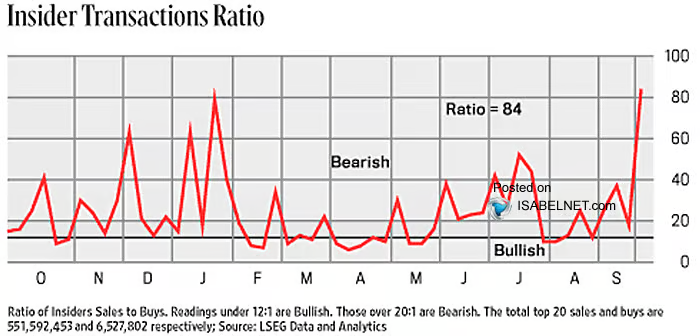
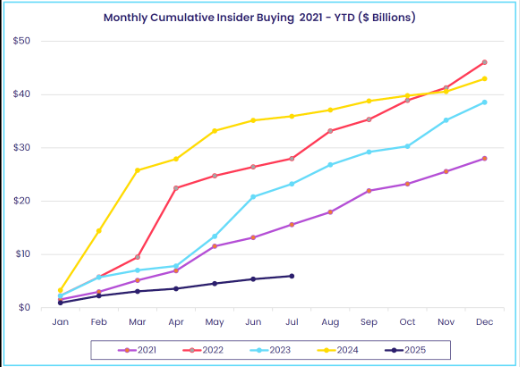
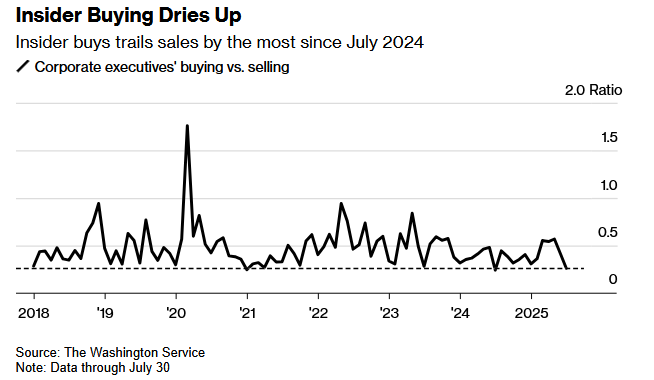
Corporate insiders. “Corporate insider activity signals a bearish tone, with the Insider Transactions Ratio reflecting both caution and profit-taking behaviors.”
Daily Chartbook
5. Bitcoin Entering Historically Bullish Months
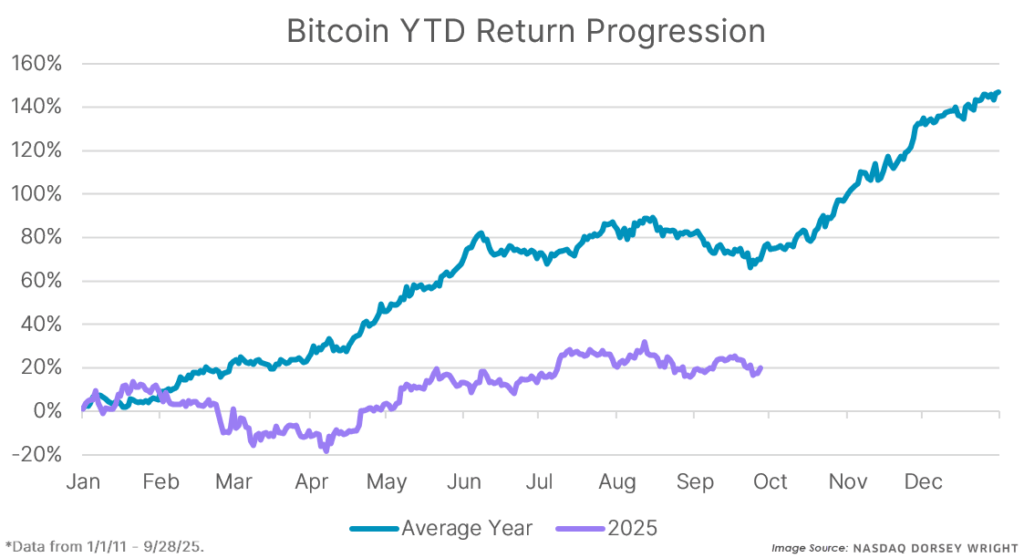
Nasdaq Dorsey Wright–Furthermore, October ushers in the strongest seasonal period for Bitcoin. From the end of September to the end of May, Bitcoin averages a gain of 133.7% over those eight months. Meanwhile, it averages a 5.6% gain from June to September, meaning that almost all of Bitcoin’s gains have historically come outside the summer months. Similarly, the NDW index of the ten largest cryptocurrencies by market cap (DWACRYPTO) has averaged a 13.3% gain during the weak period and a 166.8% gain during its strong period. Despite early-year weakness, Bitcoin’s performance has closely mirrored its historical average, remaining relatively flat from late May to now. On the other hand, DWACRYPTO rose 26% during the weak period, highlighting the relative strength of altcoins during a typically sluggish stretch.
Seasonality alone doesn’t drive markets, but it can offer useful context, especially when supported by broader market trends and technical indicators. While crypto momentum has cooled off from summer highs, seasonal trends and expanding breadth offer reasons for optimism. For those with the right risk tolerance, an improvement within cryptocurrencies could offer more than just pumpkin spice and playoff races this Fall.
Nasdaq
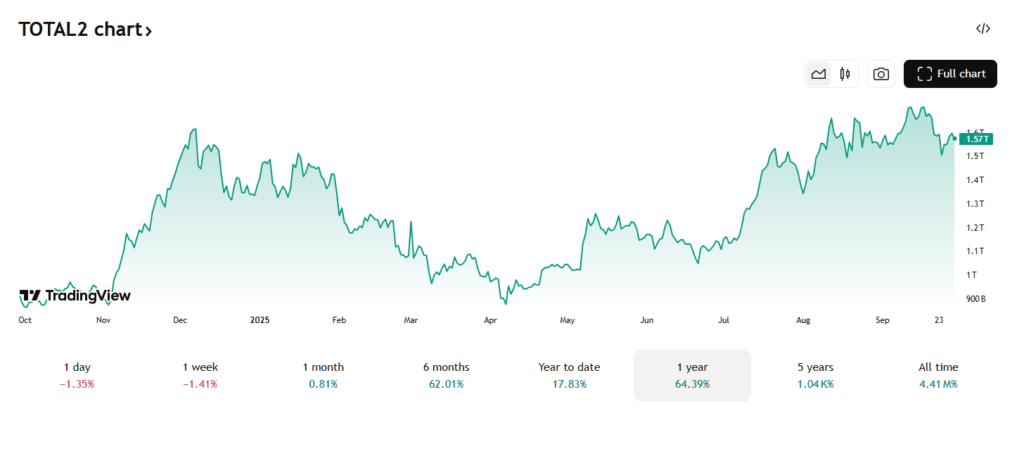
6. Total2 is Measure of Total Crypto Market Cap Ex-Bitcoin….+65% in One Year
Total2–Crypto Total Market Cap Excluding BTC, $
TradingView
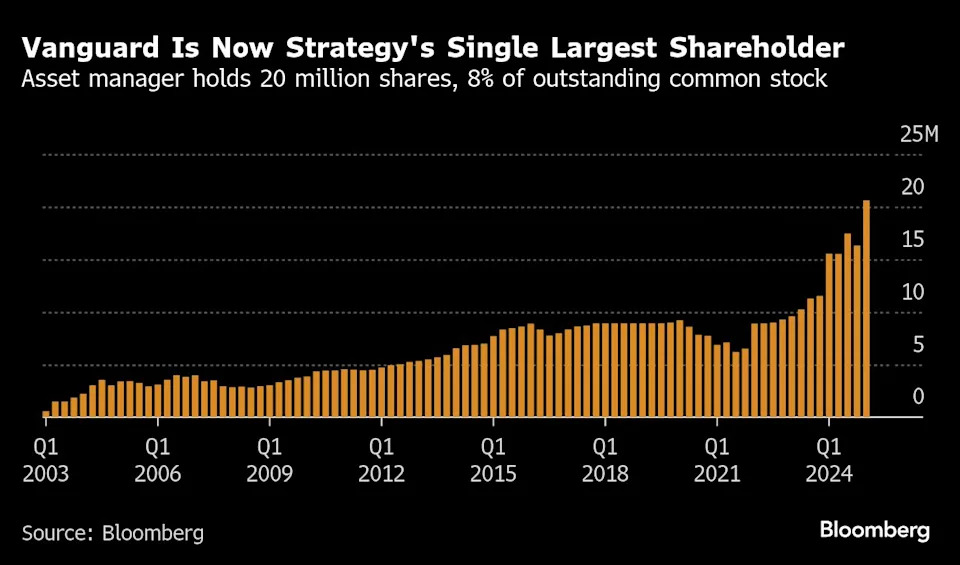
7. Vanguard Softens Its Stance: Crypto ETF Access May Be Coming—From The Crypto Advisor Substack
The Crypto Advisor
As alluded to in the main segment, the institutional tide in crypto continues to turn – this time with Vanguard.
The world’s second-largest asset manager, with $10.4 trillion in AUM, is preparing to allow access to crypto ETFs on its brokerage platform, Crypto in America has learned. This change in tune is notable coming from one of the most conservative firms – and one that not long ago said, “We also have no plans to offer Vanguard Bitcoin ETFs or other crypto-related products—our perspective is long-standing that cryptocurrencies’ high volatility runs counter to our goal of helping investors generate positive real returns over the long term.”
The significance is hard to miss. One of the industry’s most prominent crypto holdouts may now be preparing to open the door. With regulators fast-tracking ETF approvals and Vanguard’s new CEO, Salim Ramji, bringing direct experience from BlackRock’s blockbuster IBIT launch, the competitive pressure to offer access is mounting. If Vanguard moves forward, it could mark another milestone in bringing crypto into the mainstream toolkit of American investors.
Scientists in China have developed a revolutionary new “bone glue” that can heal fractures, which could traditionally take months to heal, in a matter of minutes, according to a report.
Product “Bone-02’ was developed by a Chinese research team, which sought to fix orthopedic injuries that would generally require months of downtime and invasive surgeries that often include metal plate insertions, the Global Times reported.
Lin Xianfeng, associate chief orthopedic surgeon at Sir Run Run Shaw Hospital, in Hangzhou, said the adhesive can achieve precise fixation in a matter of minutes even in blood-rich environments.
An X-ray of a broken arm that could be treated by the Chinese invented “bone glue” in just minutes.Nattapol_Sritongcom – stock.adobe.com
The glue treatment comes in the form of a single injection and will “bond shattered bone fragments in just three minutes,” according to that report.
The video player is currently playing an ad. You can skip the ad in 5 sec with a mouse or keyboard
In one trial case, a patient with a wrist fracture received one injection via a mere 3 cm incision and was healed in just three minutes, Cho Sun Daily reported.
Twenty years ago, I wrote The UltraMind Solution proposing a radical idea: to fix your broken brain, you need to fix your body first. The medical establishment wasn’t ready. Today, Stanford Medicine is proving me right.
Dr. Shebani Sethi just published results that should shake psychiatry to its core. Her metabolic psychiatry approach achieved what decades of psychiatric drugs couldn’t: 100% reversal of metabolic syndrome in patients with serious mental illness, plus dramatic improvements in their psychiatric symptoms.
Here’s the science they don’t want you to know.
The 100-Year Cover-Up
A century ago, psychiatrists observed elevated lactate and low glutathione in patients with serious mental illness—clear markers of cellular energy dysfunction. Then we abandoned this research for the more profitable neurotransmitter model.
This resulted in treating symptoms while ignoring causes.
Your Brain on Metabolic Dysfunction
Consider these facts:
Type 2 diabetics’ mitochondria function at half the rate of healthy individuals
The brain has the highest concentration of mitochondria of any organ
93.2% of Americans have some form of metabolic dysfunction
People with insulin resistance have double the risk of depression
When your cellular powerhouses can’t produce energy efficiently, your brain doesn’t get a headache—it produces depression, anxiety, bipolar disorder, and schizophrenia.
The Stanford Breakthrough
Dr. Sethi’s ketogenic therapy trial delivered results that would make Big Pharma nervous:
36% reduction in visceral fat
27% reduction in insulin resistance
12% weight loss
Complete reversal of metabolic syndrome in every participant
Significant improvement in psychiatric symptoms
Unlike psychiatric medications that cause weight gain, diabetes, and metabolic syndrome, this approach fixes the underlying biology.
The Mechanism Medicine Ignores
Here’s what happens when your metabolism breaks down:
Mitochondrial dysfunction reduces brain energy
Chronic inflammation damages neural pathways
Insulin resistance impairs neuroplasticity
Oxidative stress accelerates brain aging
We’ve been giving antidepressants to people with broken cellular metabolism. It’s like trying to start a car with sugar in the gas tank.
Beyond the Ketogenic Diet
Metabolic psychiatry isn’t just about going keto. It’s about fixing the four core mechanisms of metabolic disease:
At our Function Health centers, we’re seeing what Dr. Sethi describes: 70% of people have nutritional deficiencies, 95% show metabolic dysfunction, and 46% have elevated inflammation markers.
We’re not dealing with a mental health crisis, we’re dealing with a metabolic health crisis that manifests as mental illness.
What This Means for You
If you’re struggling with depression, anxiety, or other mental health issues, ask yourself: Has anyone ever checked your insulin resistance? Your nutrient levels? Your inflammatory markers?
Probably not. Because the current system profits from managing symptoms, not curing diseases.
Dr. Sethi has launched Metabolic Psychiatry Labs to make this approach accessible nationwide. Stanford is scaling up research. The science is solid.
The question isn’t whether metabolic psychiatry works—it’s whether our healthcare system will embrace it or continue pushing pills that treat symptoms while the underlying biology deteriorates.
Your brain deserves better than a broken system. Your body holds the keys to your mental health.
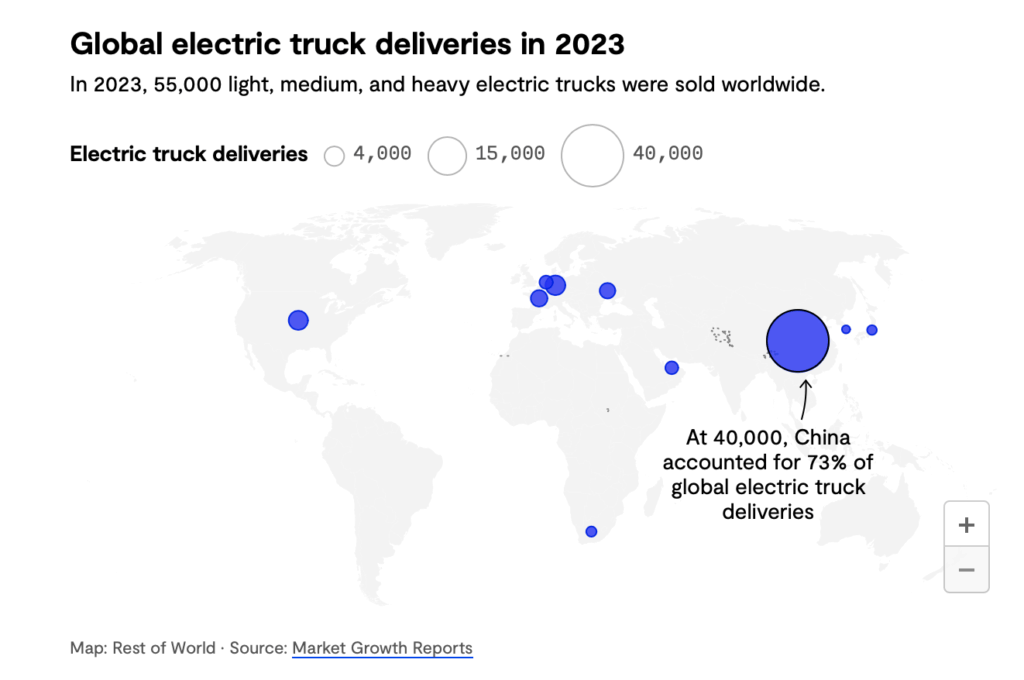
China’s BYD and Sany dominate the global electric freight truck market.
Fewer than 1% of heavy-duty trucks are electric in India, the U.S., and Europe, compared with 22% in China.
High upfront costs, a lack of charging infrastructure, and fragmented ownership make electrification of trucks difficult.
China flooded the world with electric cars. Its next target is freight trucks.
BYDi, the Chinese automaker that overtook Tesla in sales of electric cars last year, now ships electric freight trucks to Italy, Poland, Spain, and Mexico — alongside eight other Chinese companies that dominate the global market. Chinese automakers accounted for 80% of the world’s 90,000 electric cargo-truck sales last year, according to the International Energy Agency.
Globally, CO2 emissions from heavy-duty vehicles have risen by almost 3% every year between 2000 and 2018. Trucks accounted for 80% of the increase. Their outsize impact on the environment has made the electrification of trucks crucial for climate goals. Chinese companies are capitalizing on their massive home-market scale to export commercial-truck solutions, building factories from Mexico to Europe
“They bring cost competitiveness, manufacturing know-how, and proven technology stacks,” Bill Russo, founder and CEO of Automobility Limited, a Shanghai-based advisory firm, told Rest of World. “In many ways, they act as enablers for global fleet operators who want to decarbonize but lack local suppliers at scale.”
In China, electric trucks captured 22% of the heavy-duty market in the first half of 2025. In contrast, India sold just 280 long-haul electric trucks out of 834,578 total commercial truck sales last year. In Europe, EVs represent about 1% of truck sales. Tesla’s much-hyped Semi truck — announced in 2017 and delivered in token quantities to Pepsi in 2022 — has all but vanished due to component failures, range anxiety, and high costs.
10. Ed Stack: Lessons from Dick’s Sporting Goods-Shane Parish
Ed Stack built Dick’s Sporting Goods from a struggling family store into an empire of more than 800 stores and billions in sales. Along the way he nearly lost everything. Multiple times.
This episode is the story of what he did, how he did it, and the lessons you can learn.
Lessons From Ed Stack:
1. Believing in someone before they believe in themselves changes everything. Dick Stack’s grandmother pulled $300 from her cookie jar after his boss crossed out his carefully crafted list. She didn’t give him business advice or connections. She gave him belief. Dick’s Sporting Goods exists because a grandmother believed in an eighteen-year-old kid who barely graduated high school.
2. Your name is your biggest asset.When Dick’s second store failed in 1956, he could have declared bankruptcy like everyone expected. Instead, he sold his house, his car, everything he owned to pay back creditors in full. Six weeks later, when he asked those same suppliers for another chance, they remembered. Trust isn’t earned in the easy times; it’s earned in the fire.
3. Develop a taste for saltwater. Ed despised working at his father’s store every summer and on weekends from age thirteen. While friends played baseball, he unloaded trucks in suffocating heat. However miserable those years were, he learned. However, sometimes your worst experiences are the best education.
4. Ignorance can be a superpower. Ed and Tim signed papers to buy land in Syracuse with no plan, no budget, and no idea they were getting a “vanilla box”. They nearly opened a store with empty walls. They made every possible mistake. But here’s the thing: if they’d known everything that could go wrong, they might never have even tried to expand. Sometimes knowing too much kills action.
5. The quiet one is the decision maker. At the make-or-break GE Capital meeting, suits grilled Ed for ninety minutes. But in the back corner sat a man who never spoke, just watched. Ed reflected later, “If you’re in a meeting and there’s a guy sitting off in a corner, not saying anything, that’s the guy you probably have to convince. He’s the decision-maker.” Every important meeting works this way: The loud ones interrogate. The quiet one decides.
6. Own your mistakes. When GE Capital asked about Dick’s near-bankruptcy, Ed didn’t deflect or minimize. In fact, he was brutally honest: “We made a series of mistakes. Here’s what they were. Here’s why we made them. Here’s exactly how we’ll ensure they never happen again.” Most people explain away failure. The best own it. The precision of your diagnosis proves the depth of your learning.
7. Never rely on the kindness of strangers. After nearly losing everything in 1996, Ed learned what Buffett knew: “Never count on the kindness of strangers to meet tomorrow’s obligations.” The banks can’t take your business if you don’t owe them money. Never put yourself in a position to need the kindness of strangers.
8. Pick the company that wants it more.When Puma and Adidas wouldn’t return Ed’s calls, he gave shelf space to an upstart company that really wanted it. That company was Nike. When established brands ignored them, he backed a hungry football player making shirts in his grandmother’s basement. That company was Under Armour. Sometimes the best deals come from those desperate to prove themselves, not those who’ve already made it.
9. When the map and territory differ, believe the territory. The VCs pulled out spreadsheets showing Ed what looked good on the screen. But Ed remembered that kid in Buffalo who gasped at thirty feet of baseball gloves. Sure, that wall of gloves didn’t turn inventory fast, but it got people in the store. When spreadsheets and customers disagree, the customers are almost always right. The data isn’t wrong. You’re measuring the wrong thing. The map is not the territory. The spreadsheet is not the store.
10. Remember what you’re really selling. Dick’s Sporting Goods became an empire because Dick and Ed Stack knew they weren’t just selling equipment. They were selling dreams. When you understand what people really buy, you understand everything.
11. Become someone people want to root for. If people think you’re overrated, they’ll root against you. However, if people see you as underrated, they’ll go out of their way to help you. There is no status quo.
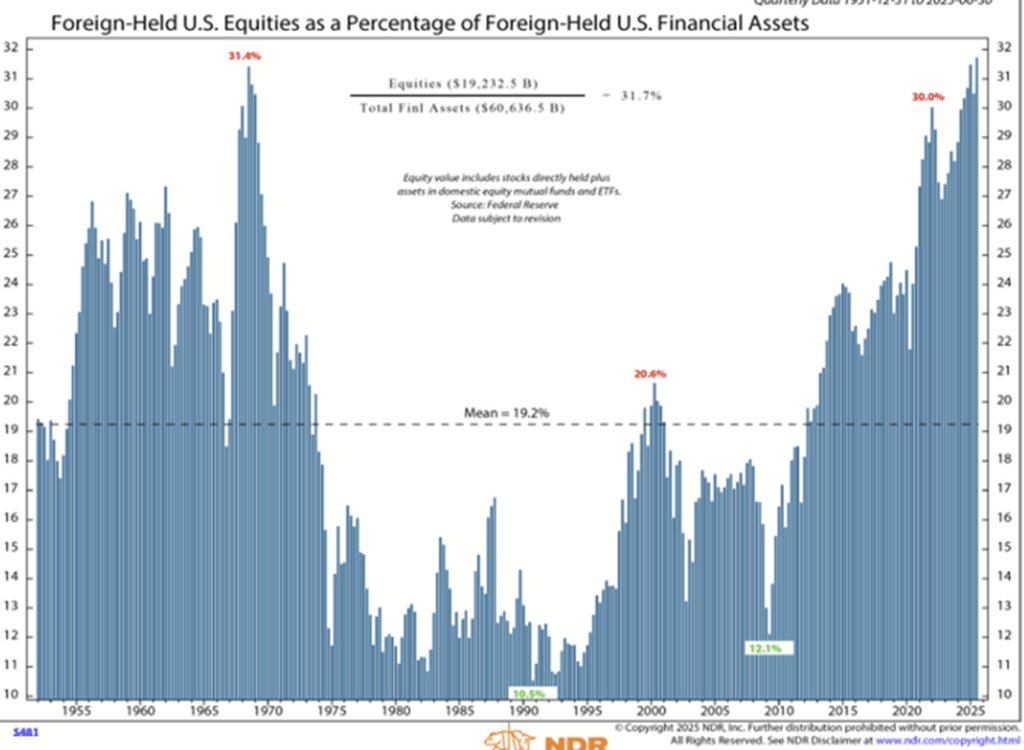
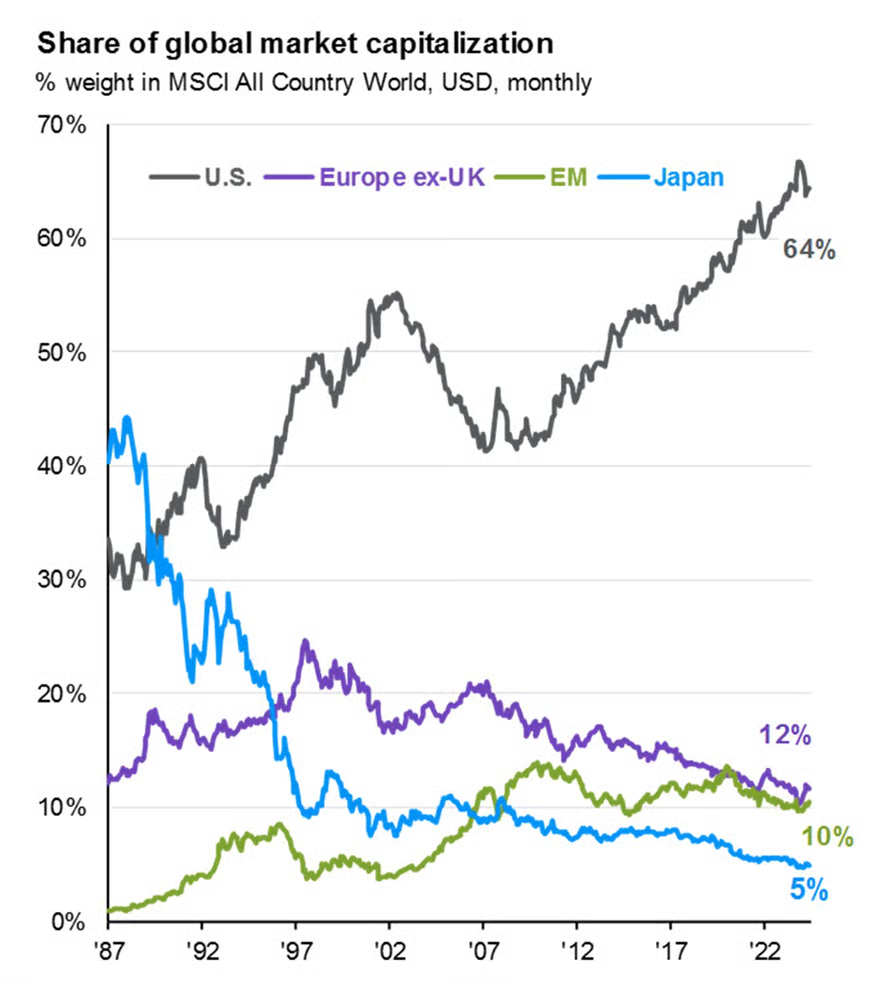
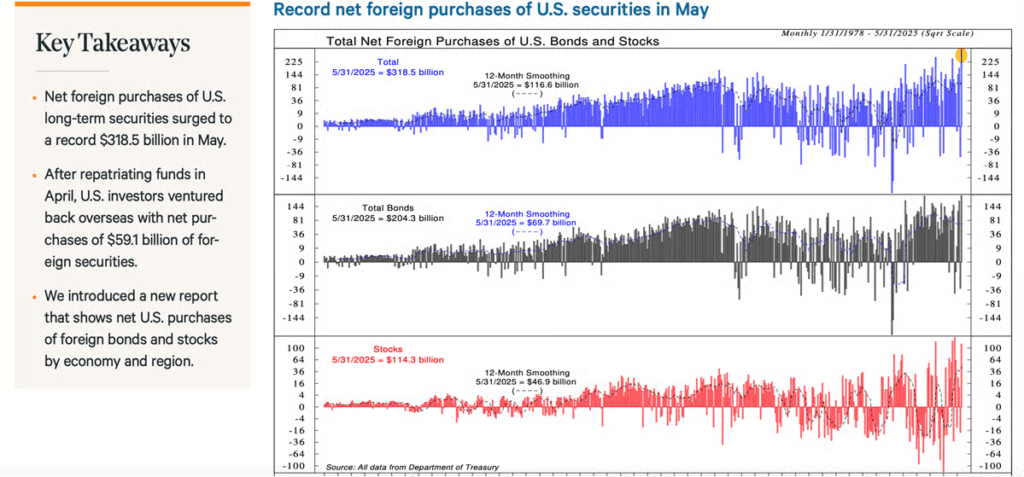
2. Foreign-Held U.S. Equities Hit New Record Highs
NDR
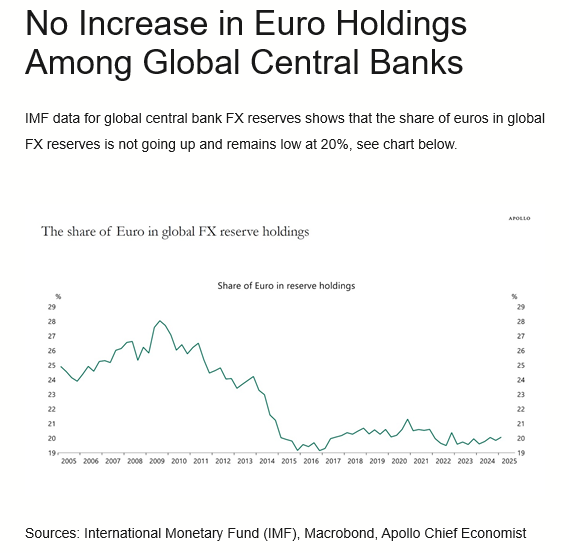
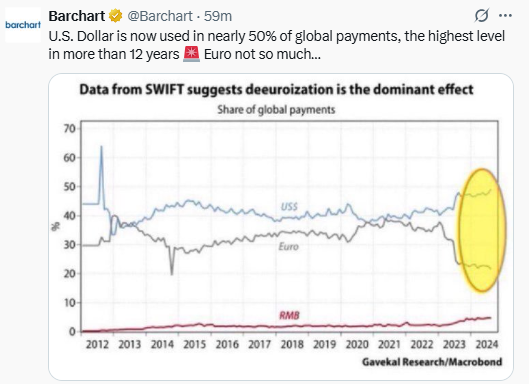
3. Meanwhile…No Money is Flocking to Euro
Apollo
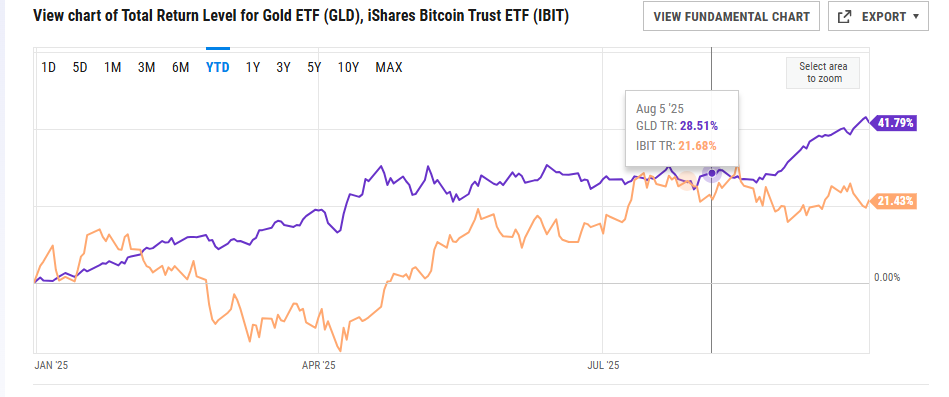
4. Gold Pulling Away from Bitcoin Since August
YCharts
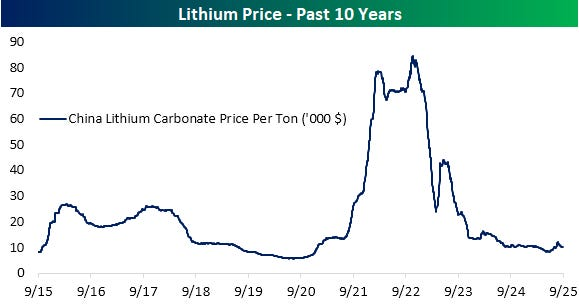
5. Lithium Price Still -90% From Highs
Bespoke
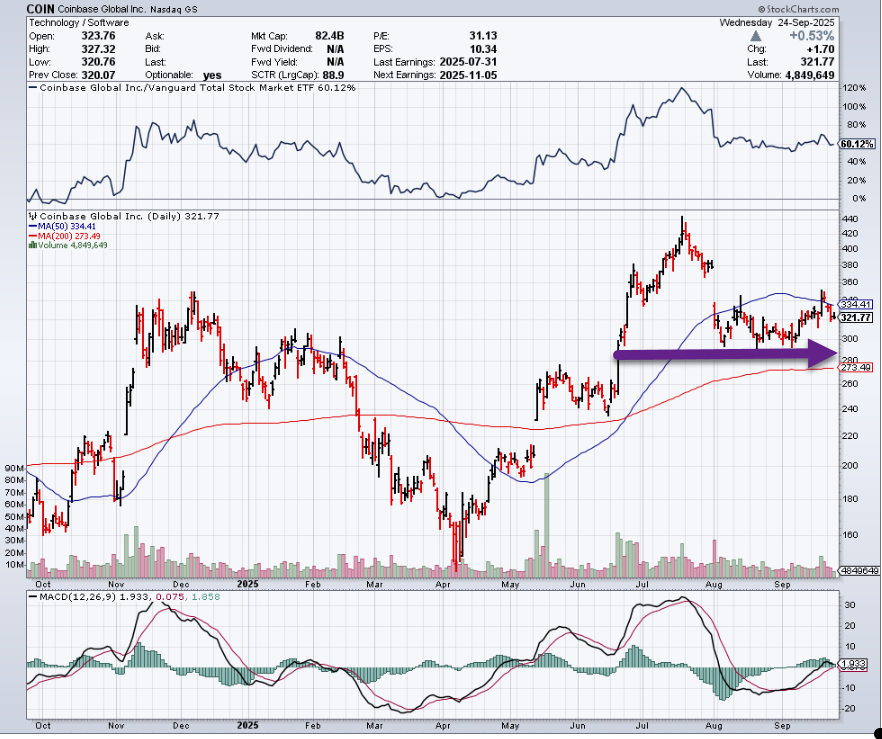
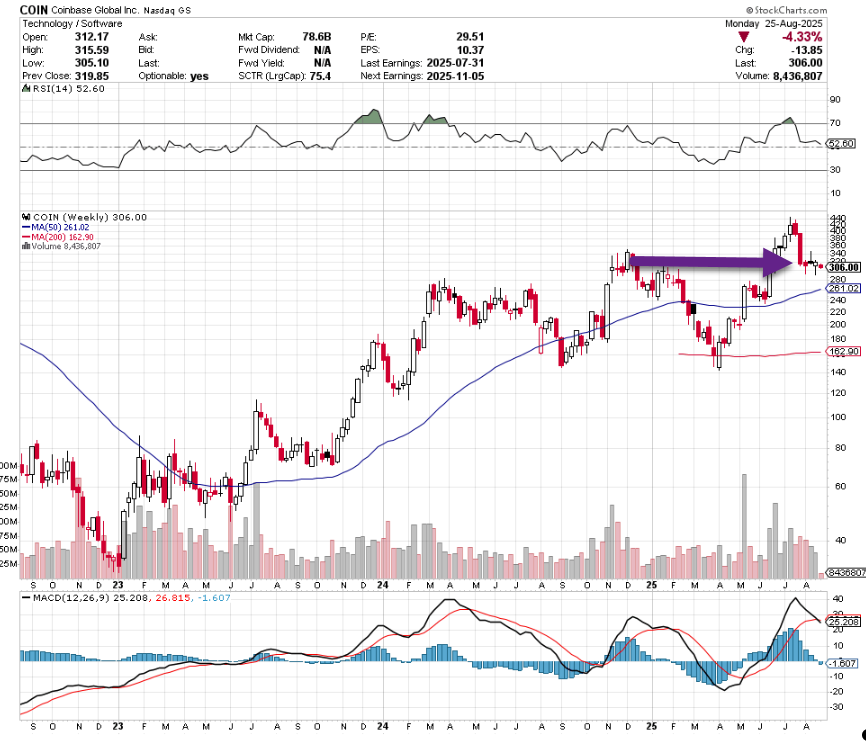
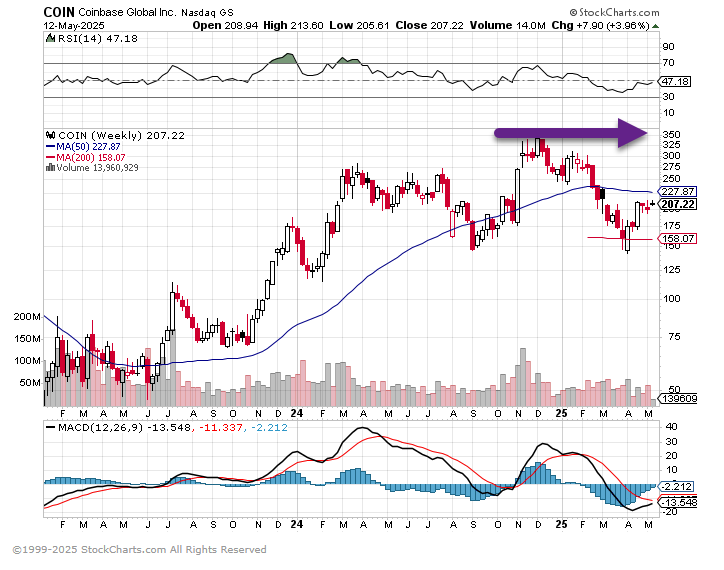
6. COIN Hit $444 at highs…-27% from that Level….Holding June Levels
StockCharts
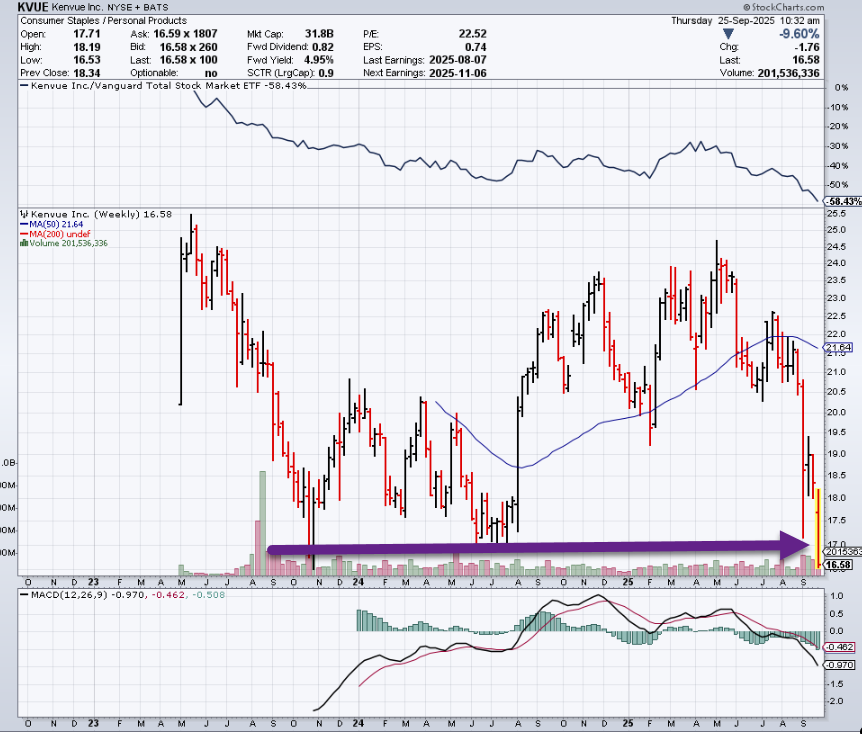
7. Consumer Staple Bear Market …Now KVUE Tylenol News…Pulls Back to 3-Year Lows
StockCharts
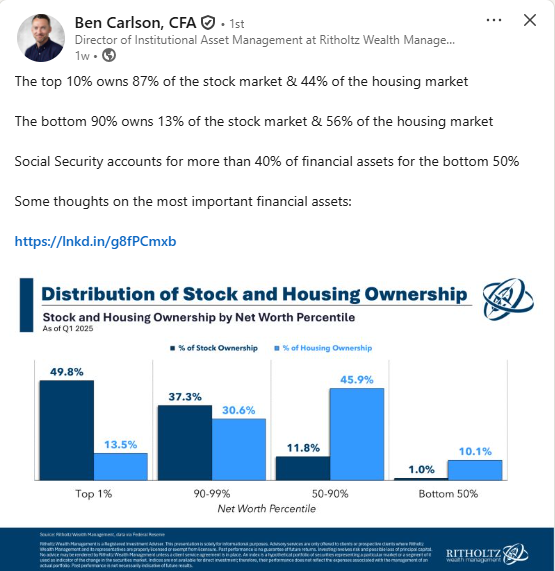
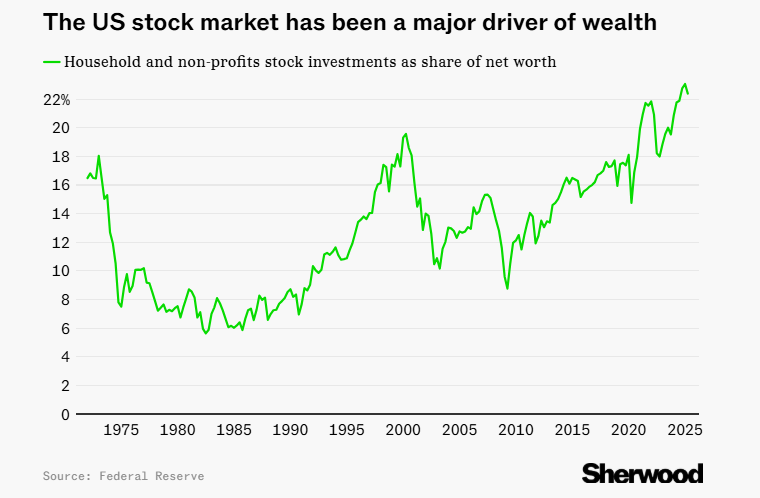
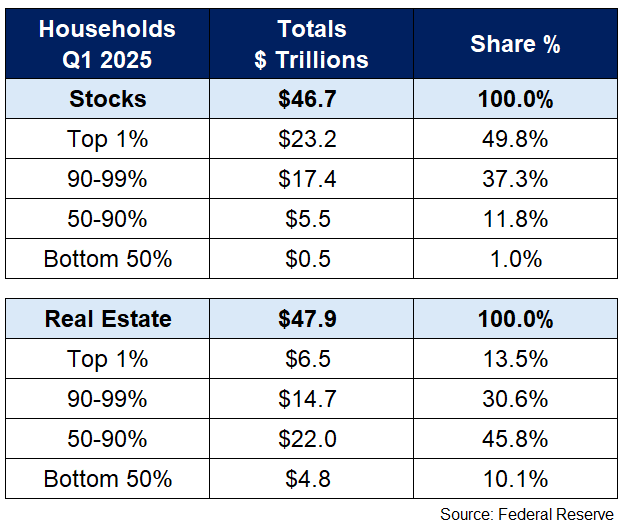
8. Distribution of Stock and Housing Wealth in America
Ben Carlson
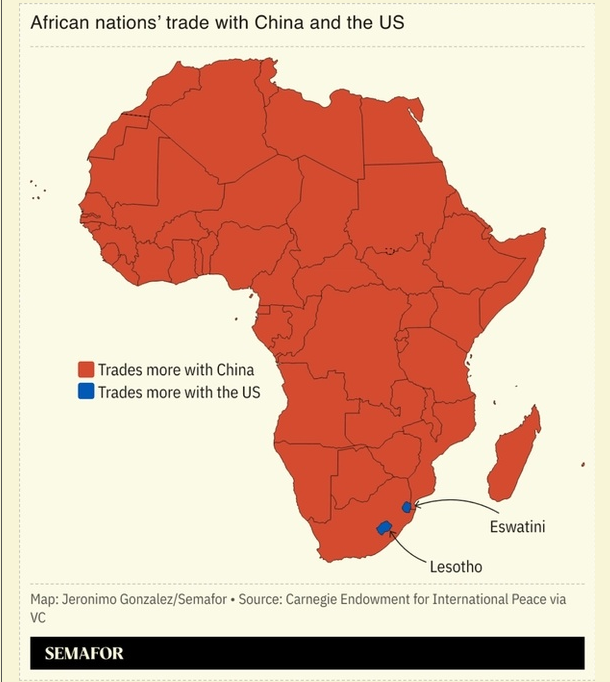
9. Africa Trading is Owned by China vs. U.S.
Semafor
10. 4 Ways to Protect Your Path to Purpose
Why managing risks may matter more than chasing dreams. Jordan Grumet M.D.
Key points
Financial planning frees time and choice, fueling a more purposeful life.
Using leisure wisely reduces the risk of living without fulfillment.
Courage means saying yes, embracing discomfort, and growing into purpose.
In the financial world, we spend a lot of time talking about risk mitigation. It’s the art of putting safeguards in place to reduce potential losses. Not eliminating risk entirely, but managing it well. A smart financial plan doesn’t just focus on growing wealth; it pays attention to protecting what you already have.
I often think the same applies to purpose. We get so caught up in searching for purpose—chasing passion, pursuing fulfillment—that we forget there are forces working against us. If we don’t account for those risks, our best efforts can be derailed.
Sometimes the surest way to live with meaning isn’t by adding more, but by defending against what might take it away. Here are four ways to risk-mitigate when it comes to purpose.
1. Financial Planning
Money isn’t the only tool for building a purposeful life, but it is a powerful one. Having financial stability gives you choices: the choice to leave a job that no longer fits, to outsource tasks that drain you, or to invest your time in the relationships and activities that bring you joy.
When you save and invest, the goal isn’t simply to watch the numbers climb in your account. It’s to have better control over the one thing that is most precious to us: our time. Purpose thrives when you can structure your calendar around what matters most, not just what pays the bills.
Financial independence won’t guarantee a life of purpose, but it creates breathing room to pursue it.
2. Time Management
If you ask most people what stands in the way of living with purpose, they’ll say “not enough time.” Yet the U.S. Time Use Survey tells a different story: the average American has four and a half to five hours of free time a day.
The real issue isn’t scarcity—it’s choice. How you spend those hours may be the single biggest factor in whether you feel fulfilled. Do you scroll endlessly through your phone, or do you connect with a friend, volunteer, read, or create something new?
Time is a risk in disguise. Used passively, it drains away. Used intentionally, it’s your best ally in building a meaningful life.
3. Courage
Even with money and time, purpose doesn’t just appear. One of the biggest risks is failing to act because we lack courage.
Living with purpose requires experimentation. It means stepping outside comfort zones, trying things you’ve never done before, and accepting the discomfort that comes with growth. Different outcomes only come from different choices.
Courage is the willingness to say yes to the new activity, the unexpected invitation, and the unfamiliar challenge. Yes to the awkward first step that might lead to joy. Yes to the unknown.
Purpose doesn’t arrive fully formed. It’s discovered through small, brave acts repeated over time.
4. Social Media
If courage expands our world, social media often shrinks it. Platforms are filled with people selling their own versions of purpose: influencers, advertisers, politicians. They dangle images of success, belonging, or happiness, usually tied to something they want you to buy or believe.
These borrowed definitions of purpose are often big, audacious, and unattainable. And when we measure ourselves against them, we risk sliding into frustration, anxiety, or despair.
Protecting your sense of purpose sometimes comes down to something simple: putting the phone down. Reconnect with your own values, not someone else’s curated highlight reel.
In Conclusion
Purpose isn’t just about offense—chasing dreams, setting goals, or building passions. It’s also about defense: protecting ourselves from the forces that erode our sense of fulfillment.
Financial planning, mindful use of time, everyday courage, and boundaries around social media are all forms of risk mitigation. They don’t hand you purpose, but they clear the path so you can pursue it without constant sabotage.
Risk mitigation may not sound glamorous, but it’s practical, and it works. Identify the biggest threats to your purposeful life and take steps to guard against them. When you do, you’ll find it much easier to build the life you want.
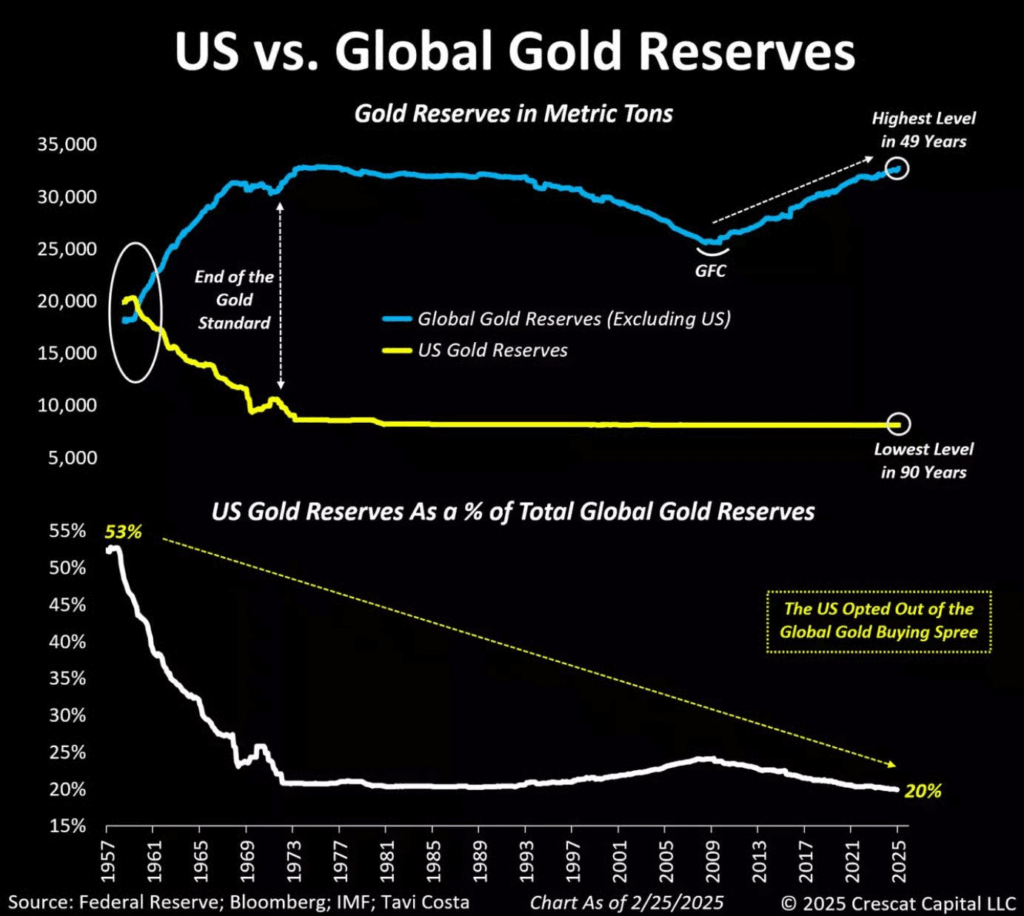
Gold reserves. “How long can America afford to sit out the global rush for gold? US gold reserves are now at 90-year lows, while the rest of the world has pushed their holdings to near 50-year highs. At one point, America held over 50% of global gold reserves. Today? Just 20%.”
Daily Chartbook
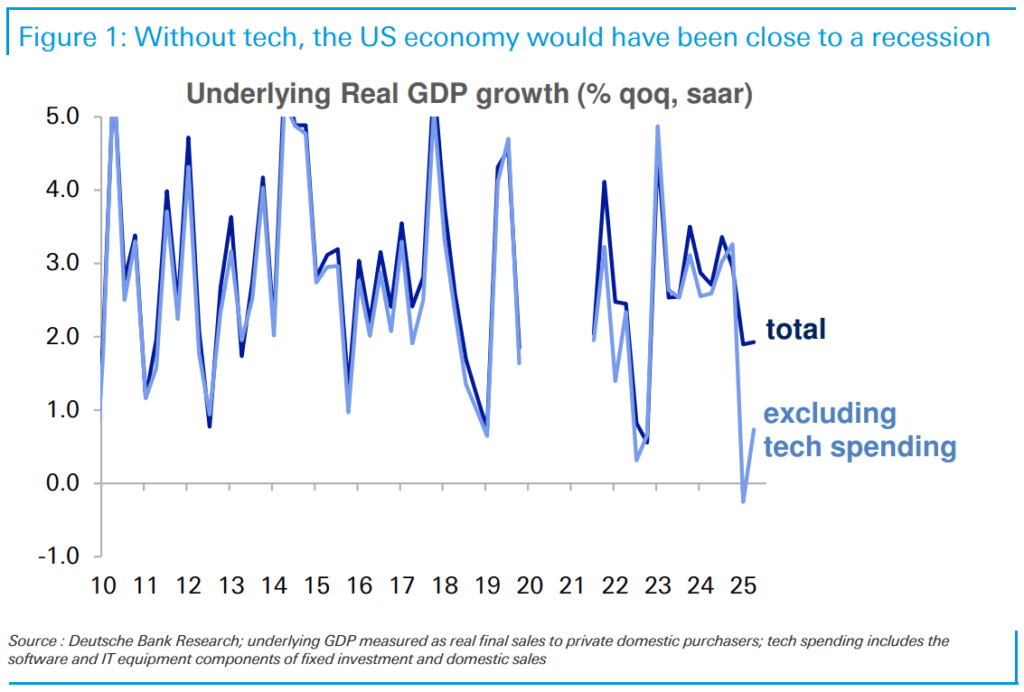
2. Ex-Tech U.S. Economy Negative Real Growth
Jim Reid Deutsche Bank My colleague George Saravelos wrote an interesting short blog here yesterday that discussed how ex-tech spending, the US would have been close to, or in, recession earlier this year. This was first highlighted by our equity strategists here.
George argues that this huge AI capex can help explain why weak payrolls aren’t hurting growth and why global trade is resilient (a chip trade scramble).
It’s fair to say expectations are that this surging AI capex spend won’t stop until there is a reason to doubt the potential profitability of it. So it will continue to be a big top-down theme of 2026.
Simplifying it, perhaps Nvidia, which employed only 36,000 people at the last update earlier this year, holds the keys to all global macro in 2026! Traditional macro models will surely struggle to capture this.
See George’s short blog for more detail and his latest Blueprint here, from this earlier week, for all his latest FX forecasts.
Jim Reid
3. S&P Sector Returns Around Fed Rate Cuts
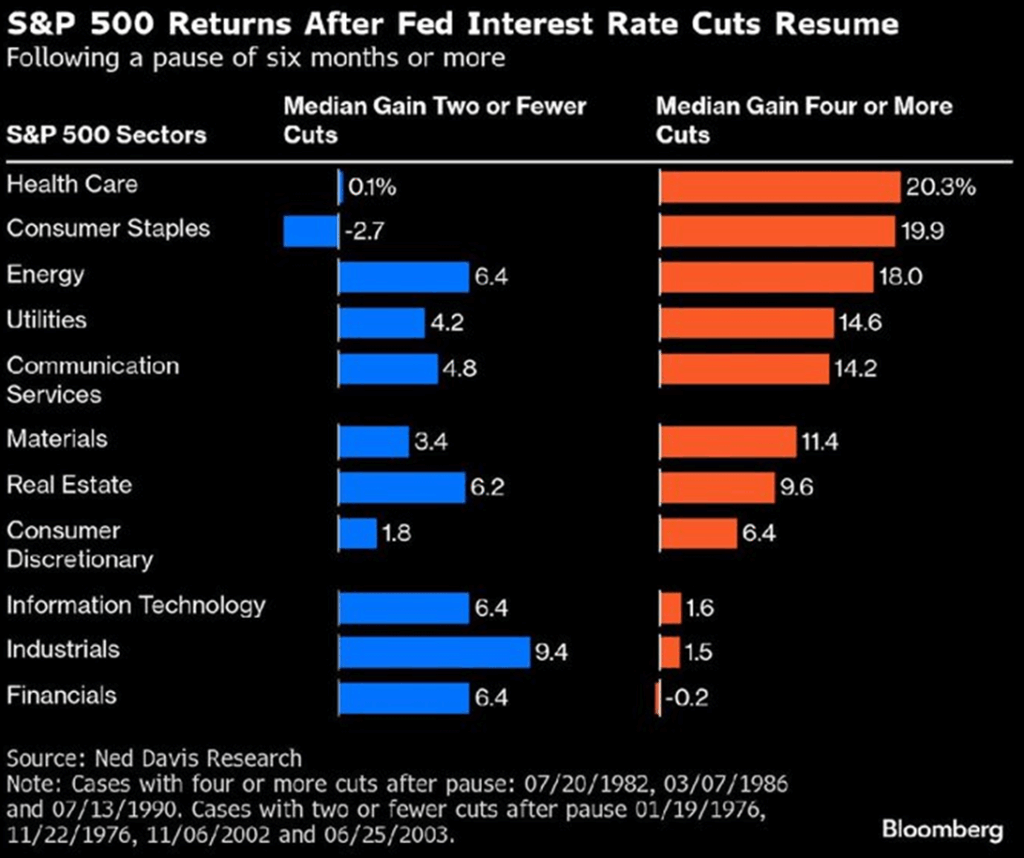
Dave Lutz Jones Trading In the four cycles since the 1970s where the Fed delivered only one or two cuts after pausing at least six months, cyclical sectors like financials and industrials outperformed, per Ned Davis. In cycles where four or more cuts were needed, investors leaned defensive.
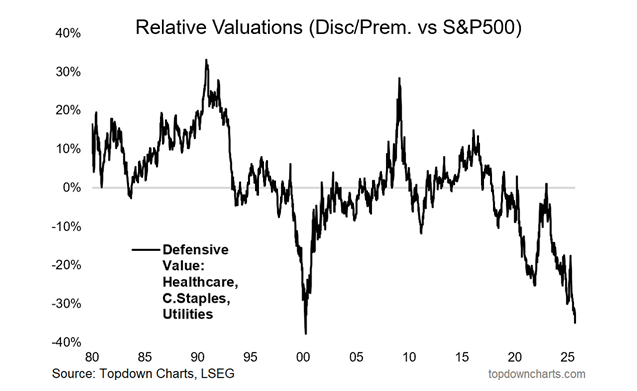
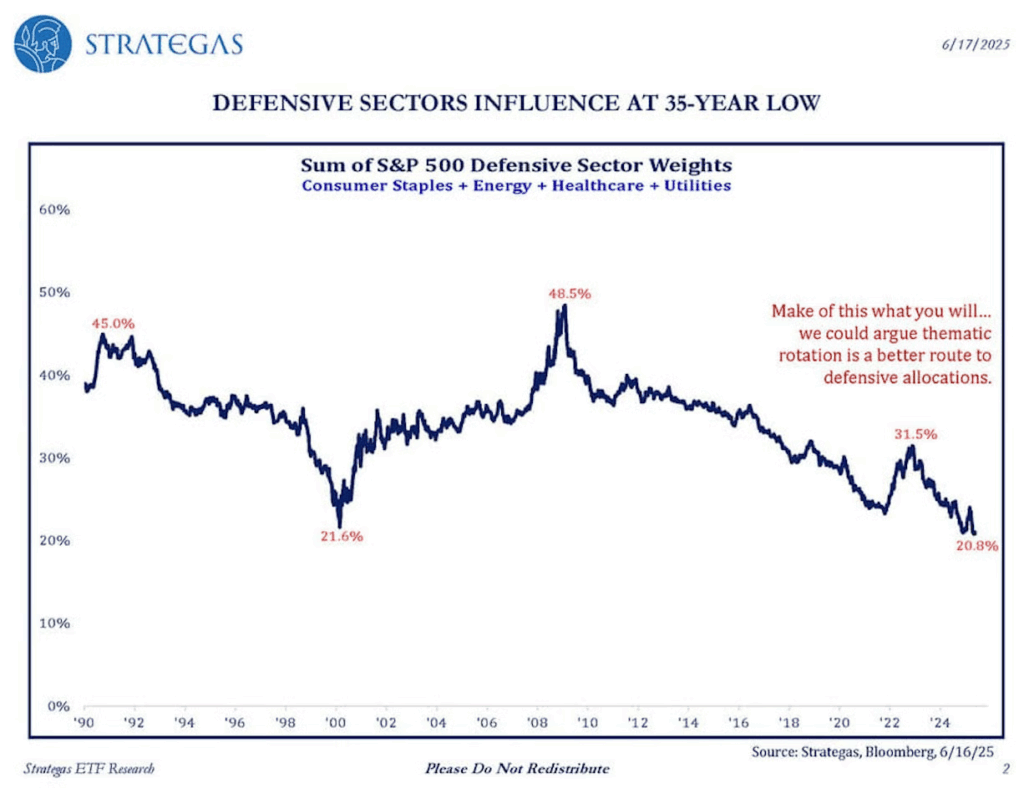
4. Defensive Sectors About to Break Internet Bubble Lows vs. S&P 500
Topdown Charts Limited
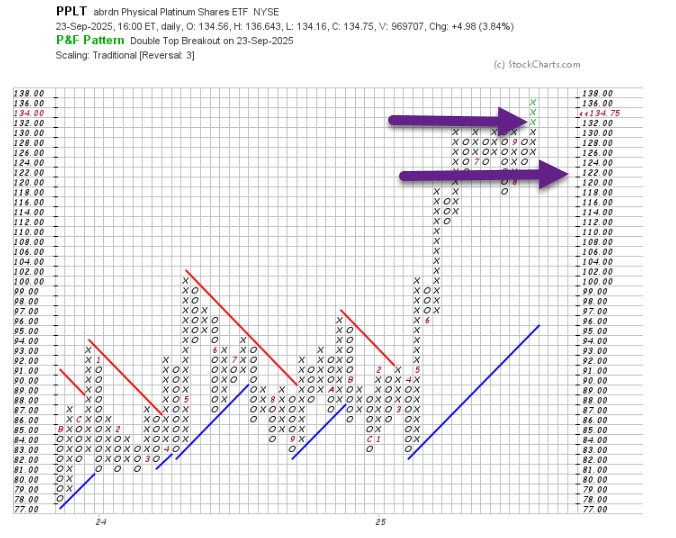
5. Platinum Breaks-Out of Sideways Pattern…New Highs
StockCharts
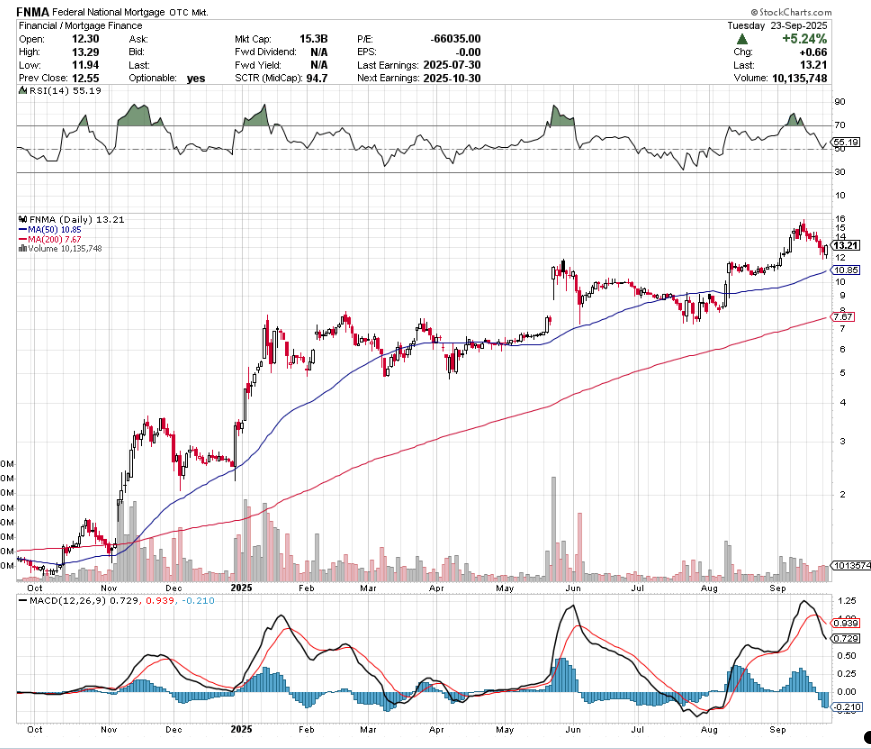
6. FNMA -22% Correction…Up Over +200% YTD on Go Private Trade
StockCharts
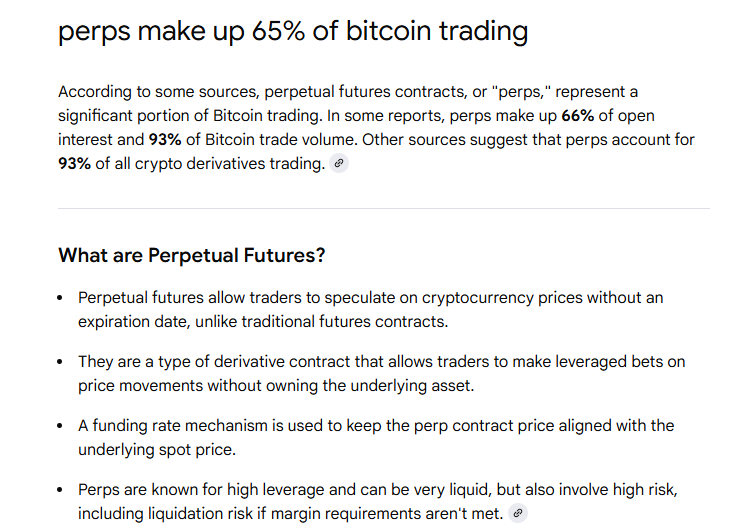
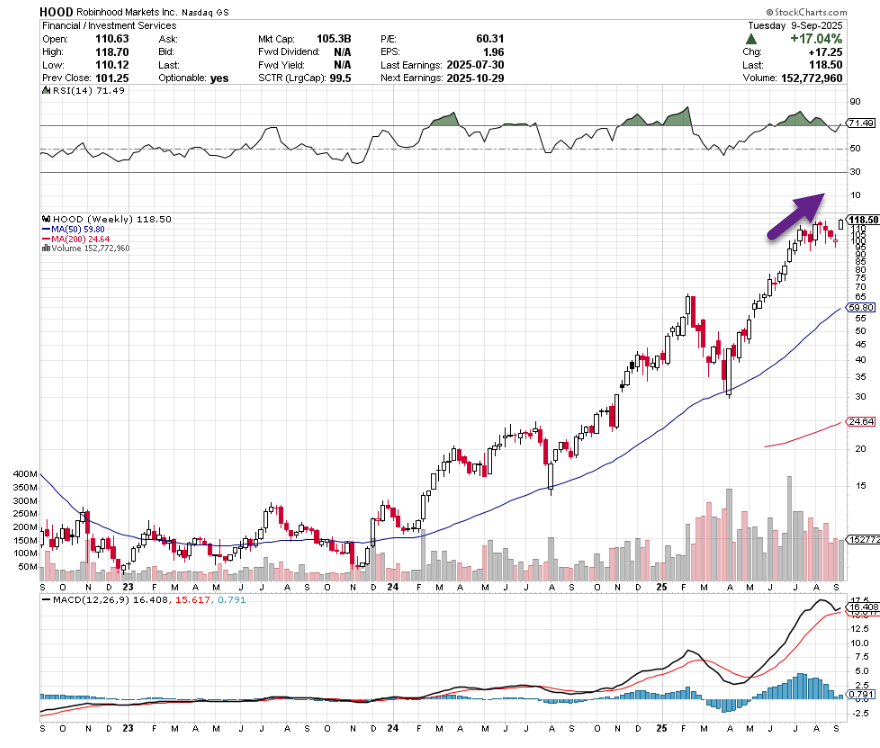
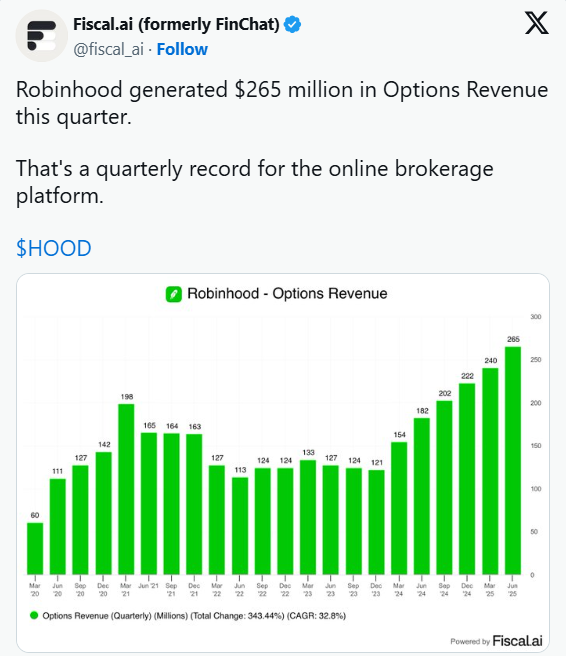
7. Robinhood Crypto and options trading drove almost 80% of the brokerage’s transaction-based revenues in the second quarter….PERPS Majority of Bitcoin Volume
Get Rich or Get Wiped Out: Bitcoin’s Hottest New Trade
Perpetual futures offer traders extreme leverage to bet on cryptocurrencies
Traders seeking rapid returns have made a speculative bitcoin play one of the most popular crypto bets globally: so-called perpetual futures. These potentially offer returns of 10, 20 or even 100 times an initial investment—or huge losses that could leave a trader with nothing
Known as perps, the contracts give traders access to extreme leverage and have exploded in popularity during a rally that has sent bitcoin prices up more than 70% over the past year. Though popular in other parts of the world, perps were largely unavailable until recently to U.S. traders on regulated venues.
8. Boom of Multilayered SPVs………SPV Special Purpose Vehicles Inside Other SPVs
PitchBook
Multilayered special-purpose vehicles, where SPVs are nested inside others, are on the rise as investors clamor for slivers of hot venture-backed companies like OpenAI and SpaceX.
But the boom is also raising new questions about their complex fee structures, and their opacity has left some investors unclear about ownership of the underlying equity. Private market investment company Linqto’s recent bankruptcy highlighted those issues and sparked broader scrutiny of how these vehicles really work.
Some companies have started to denounce unauthorized sales of their equity, including in the form of digital tokens. Some prominent secondary marketplaces are opting out of allowing layered SPVs outright.
“When you have these SPVs that go into other SPVs that go into other SPVs, we don’t know whether the underlying SPV actually has the shares or the company or not,” said AngelList CEO Avlok Kohli. “We don’t want to be in a position where we are facilitating an SPV where, years later, when a company goes public or gets acquired, the investors are wondering, ‘Hey, where’s our distribution? Where’s our capital?’ And it’s like the shares weren’t there to begin with.”
SPV management fees are mounting
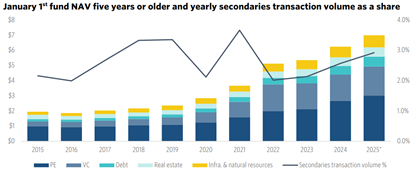
The proliferation of layered SPVs comes as secondary sales are soaring, with LPs and GPs looking to create some long-awaited liquidity.
SPV issuers typically impose an origination fee to cover administrative setup costs. But issuers are increasingly now charging ongoing management fees beyond that.
And recurring management fees for SPVs are becoming commonplace as competition heats up: At the top of the VC market in 2021, 41% of SPVs with more than $10 million of assets charged a management fee, according to Carta. In 2023, the latest available SPV data from Carta, 67% charged a fee.
The difficulty for many high-net-worth individuals and family offices to get into the fast-moving funding rounds for high-flying AI startups has ramped up the appeal of SPVs, said Hans Swildens, founder and CEO of secondaries firm Industry Ventures.
Private wealth advisers have also been pushing SPVs onto their clients, he added.
“SPVs have gone mainstream, as you’ve seen, and yes, people are starting to monetize them more through fees and carry,” said Swildens. Rising fees are disproportionately hitting smaller investors, while fund managers often waive SPV fees for existing LPs they invite to co-invest.
Larger SPVs are getting cheaper to set up, according to Anthony Cimino, Carta’s head of public policy. But costs continue to mount for layered SPVs, he said, which are usually smaller assets.
“What we’re trying to figure out is how do we help that broader fund marketplace provide clarity and credibility?” he said. “It’s no longer a situation where the costs around NAV reporting or the [setup] fee structures are basically creating a moat, where only the biggest and most-established players can do it.”
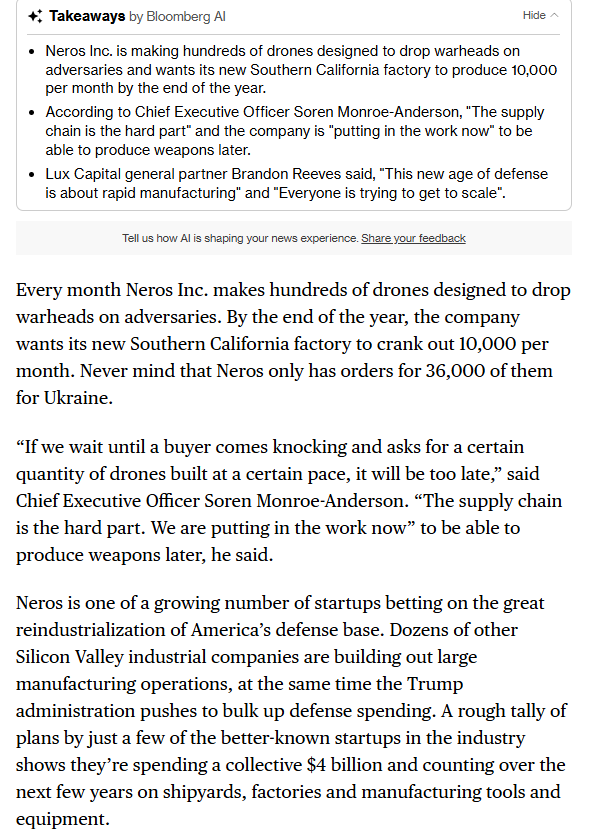
9. Unmanned Naval Vessels Booming
Boom in unscrewed surface vessels
A USMC LRUSV at dockside with eight Hero-120 loitering munitions in a green box and a munitions launcher tube shown on the pier.
Unmanned Surface Vehicles (USVs) are revolutionizing how we explore and protect our oceans. These autonomous vessels, operating at or near the sea surface without any onboard operators, are increasingly being employed across various sectors. From monitoring marine life to enhancing military surveillance, piracy control, and safeguarding offshore industries like gas, oil, and renewables, USVs are becoming indispensable due to their ability to collect data over extended periods at a fraction of the cost compared to traditional research ships, International Defense, Security and Technology reports.
Unmanned Surface Vehicles (USVs) have rapidly emerged as a game-changing military technology, with nations across the globe investing heavily in their development. These autonomous vessels offer the potential to revolutionize naval warfare, providing enhanced capabilities, reduced risks to human operators, and cost-effective solutions for a range of missions. However, as their capabilities grow, so does the threat they pose to maritime security.
Unmanned Surface Vehicles (USV ) is a vehicle that operates at or near the sea surface and has no vehicle operators on board. The USV are increasingly employed as they collect data for longer periods of time, at a fraction of the cost of Research ships, and with wide ranging scientific and industrial applications – from monitoring marine life to military surveillance, piracy control, fisheries protection and the offshore gas, oil and renewables industries.
Ukraine’s Strategic Use of USVs: Disrupting Modern Naval Warfare
Ukraine has strategically employed Unmanned Surface Vehicles (USVs) as a powerful tool in its ongoing conflict with Russia, particularly in the Black Sea. These versatile and cost-effective unmanned vessels have proven to be disruptive assets, capable of executing high-impact missions against Russian naval forces while minimizing risks to Ukrainian personnel. Ukraine’s innovative use of USVs underscores their growing role in modern naval warfare, offering new avenues for asymmetric strategies and tactical advantages.
One-Way Attacks and Swarming Tactics
Ukraine has primarily utilized USVs in one-way attack missions, deploying them to target Russian naval vessels with explosives. These expendable vessels are designed to deliver devastating payloads before being destroyed, ensuring maximum impact on enemy forces with minimal resource investment. Furthermore, Ukraine has employed swarming tactics, where multiple USVs are launched simultaneously to overwhelm enemy defenses. This tactic increases the likelihood of a successful strike by saturating the target area with multiple threats, making it difficult for defensive systems to neutralize all incoming vehicles. Additionally, USVs provide Ukraine with the ability to launch surprise attacks, exploiting vulnerabilities in enemy defenses and catching them off guard. In some cases, USVs are also used as diversionary tools, drawing attention away from other key areas or operations, further complicating the enemy’s ability to respond effectively.
Greetings. We regret to inform you—and that one kid from your high school who could randomly kick a football really far despite otherwise being unathletic—that punting is dying. NFL teams are punting just 3.65 times per game this season, the fewest in history. That’s because:
Offenses are starting with better field position, thanks to new kickoff rules.
Coaches are increasingly willing to go for it on fourth down.
Field goal kickers are getting more accurate from long range.
All of these developments could render the lowly punter irrelevant. Finally, a job is becoming obsolete and it has nothing to do with AI.
—Matty Merritt, Sam Klebanov, Dave Lozo, Adam Epstein, Neal Freyman, Holly Van Leuven
1. Why is Market Going Up? Record Profit Margins Before Future AI Cost Savings Even Kick In…
From Irrelevant Investor Blog
The Irrelevant Investor
2. The “S&P 22” Equals 50% Weighting vs. 4% of Stocks in Index
Marketwatch By Christine Idzelis The “S&P 22” group — which equates to a collective 50.3% weighting in the S&P 500, yet makes up just 4% of stocks in the index — includes companies such as retail giant Walmart Inc., he noted
MarketWatch
3. Only 2 Bull Markets Where Cap-Weighted Outperformed Equal-Weigh—Internet Bubble and Today
Bespoke-The only two bulls where the cap-weighted S&P outperformed the equal-weight S&P were the 1990s Dot Com bull and the current “AI Boom” bull. We’ll get to more on this later, but looking at the bear markets that followed these bulls, the equal-weight S&P outperformed the cap-weighted index significantly during the Dot Com Bust bear markets of the early 2000s, and then equal weight underperformed during the Financial Crisis bear and the COVID Crash. During the 2022 bear market that followed the meme-stock and SPAC craze bull market of 2020 and 2021, the equal-weight version of the S&P outperformed slightly.
Bespoke
4. U.S. Dollar at 14-year Support Line
DoubleLine Capital
5. EWY South Korea +60% Year to Date….50day thru 200day to Upside on Weekly Chart
StockCharts
6. Former Popular Retail Trading Name…TTD Trade Desk -67% from Highs ..Back to End of 2023 Levels
StockCharts
7. America Loves Warehouse Stores-CNBC …..COST and WMT Higher P/E Ratios than NVDA
CNBC
8. Leaders of Industrial Robotics
Visual Capitalist
9. Which Jobs Rely on Tips?
SherwoodNews
10. The Worst Foods for Brain Fog
Mark Hyman, MD Co-Founder & Chief Medical Officer of Function Health
Of all the health complaints I field, brain fog is near the top of the list.
It’s also one I deeply empathize with, as I experienced it after suffering mercury poisoning. When you have it, you can’t think clearly, focus, or remember things.
It’s as if you’re wading through mental quicksand.
In functional medicine, we view this often debilitating symptom as a warning light on the body’s dashboard.
However, similar to a strange pinging or screeching noise in your car, pinpointing the root cause of brain fog can require a bit of detective work.
That’s because brain fog isn’t a disease like heart disease or cancer.
Instead, like a persistent cough, it’s a symptom with many potential causes. Possible culprits include poor sleep, stress, dehydration, and exposure to toxins like mercury, among others.
However…
One of the biggest drivers of brain fog lies in the gut.
Many people are sensitive to one or more foods. When they consume them, these foods disrupt the gut.
The gut disruption then sends ripple effects to the brain, leading to feelings of fogginess and a lack of focus.
Based on my clinical experience with patients, five foods top the list of most common offenders. Are you eating them?
The Gut-Brain Connection
The connection between gut health and brain fog is profound.
Consider Long COVID, the persistent brain fog, fatigue, and other symptoms that some people experience for months after they’ve recovered from the virus.
For people with Long COVID, it can feel as if symptoms manifest in the brain.
However, according to a growing body of research, Llong COVID’s fatigue and fog stem from remnants of the virus in the gut.
As the immune system continually attempts to corral the gut infection, it releases proteins that reduce levels of serotonin, which in turn may trigger fatigue, brain fog, and other symptoms.¹ (Learn more about Long COVID with my Comprehensive Guide to Long COVID Recovery.)
Here are a few additional ways gut health influences brain health:
Your gut lining acts as a barrier. When this barrier becomes “leaky” (a condition known as intestinal permeability), undigested food particles and other substances can sneak into the bloodstream. Your immune system reacts, triggering widespread inflammation, including in your brain. This inflammation can impair cognitive function, leading to brain fog.
Your gut is home to trillions of bacteria. Your gut is home to trillions of bacteria—some helpful, some harmful. When the good bacteria dominate, they support digestion, protect your gut lining, and even produce compounds that benefit the brain. But when the harmful ones take over, a condition called dysbiosis, the balance tips in the wrong direction. These “bad” bacteria can release toxins and inflammatory signals that reach the brain, interfering with its function.
A damaged gut can struggle to absorb key nutrients. B vitamins, magnesium, and other nutrients needed for brain health tend to be most affected. Without these nutrients, your brain can’t produce the energy or neurotransmitters it needs to function optimally, leading to mental fatigue and fog.
The bottom line? If your gut isn’t healthy, your brain won’t be either.
The Worst Foods for Your Gut— and Your Brain
During my many decades as a functional medicine doctor, I’ve seen thousands of patients whose brain fog traced back to gut issues.
The science increasingly supports these connections, though in some cases the research is still emerging.
If I waited for every answer to be proven beyond doubt, I’d miss countless opportunities to help people. Again and again, my clinical experience has shown that the same five common offenders are often at the root of the problem.
Gluten: For people with celiac disease, eating gluten sets off an immune reaction that damages the gut and drives body-wide inflammation.² That inflammation—along with a leakier gut barrier—can affect other organs, including the brain, and is linked with symptoms like brain fog, headaches, and mood changes.2,3 Some people without celiac disease also report similar symptoms when they eat gluten (often called non-celiac gluten sensitivity), though the “why” is still unsettled.4,5
Dairy: For people who are sensitive, certain types of dairy can stir up inflammation that may affect the gut as well as the brain.⁶ The main protein in dairy, casein, comes in two forms—A1 and A2. When A1 casein is digested, it can release compounds called casomorphins, which interact with the brain in ways similar to opioids (and, could hypothetically make you feel foggy, sluggish, or even sleepy).⁷ In infants, milk digestion produces higher amounts of casomorphins, and their effects have been studied more extensively.⁸ In adults, the science is less clear, but some research suggests that switching away from A1-containing milk may lead to small improvements in fatigue, mood, or perceived mental clarity.6,9
Artificial Sweeteners: Some, like saccharin and sucralose, can alter the gut microbiome, especially with frequent or higher intake, which could have downstream effects that impact the brain.¹⁰
Alcohol: Drinking can disrupt both gut and brain health. Research shows that alcohol can damage the gut lining, increase intestinal permeability, and alter the microbiome—changes that promote inflammation.11,12 In the brain, heavy or frequent use is linked to impaired cognitive function and structural changes, while even moderate intake has been associated in large studies with faster cognitive decline.¹³
Ultra-Processed Foods: Diets high in ultra-processed foods are linked to shifts in the gut microbiome, reduced microbial diversity, higher intestinal permeability, and low-grade inflammation.¹⁴ These foods tend to be high in refined carbs, additives, and industrial fats, which may worsen gut barrier function and promote dysbiosis. Large population cohorts also show that frequent consumption of ultra-processed foods is associated with faster cognitive decline.¹⁵
These foods aren’t problematic for everyone. We likely all know someone who can down a whole pizza along with several pints of beer and experience zero ill effects.
But for people who experience brain fog regularly, cutting back on one or more of these culprits—depending on the individual—can often make a real difference, bringing back clearer thinking, better memory, and sharper focus.
The research needs to continue to progress in this area, but in the meantime, the positive changes I see with my patients are impossible to ignore.
The DIY Food Sensitivity Test
An elimination diet is the best way to figure out whether gluten, dairy, or any of the other common offenders are a problem for you.
The idea is simple. You temporarily remove one or more food triggers from your diet, give your body time to reset, and then reintroduce those foods one at a time to see how they affect you.
Not sure where to start? My 10-Day Detox can help. In fact, I started using it with my patients for this very reason.
This short-term eating plan eliminates the most common gut-distrupting offenders from your diet. Then, you reintroduce them one at a time to see which ones do (and don’t) lead to problems.
Thousands of people who’ve tried it report clearer thinking, more energy, less bloating, and reduced joint pain. If you’ve been frustrated by lingering symptoms, know this: you’re not alone, and you’re not without options.
An elimination diet may sound hard or inconvenient, but you know what’s really hard? Living day after day with brain fog, fatigue, and other symptoms that never seem to let up.
That’s why I designed the 10-Day Detox—it gives you a clear, step-by-step way to take back control of your health and find relief.
Many are shocked by how much better they feel in just 10 days—maybe you will be, too.
1. History of Small Cap During Similar Rate Cuts by Fed
Dorsey Wright When the Federal Reserve has implemented interest rate cuts spaced more than 100 days apart since 1990, historical returns indicate that small-cap equities, represented by the iShares Russell 2000 ETF (IWM), deliver strong forward returns. Although near-term returns (1–3 months) are often muted, IWM’s average returns are 16% at one year and 32.7% at two years, as shown in the table below. For investors aiming to diversify beyond the S&P 500 (SPX), IWM presents an opportunity to gain exposure in a different areas within U.S. equities.
NASDAQ DORSEY WRIGHT
2. Goldman Sachs Retail Favorite Buy Stocks…Record Consecutive Days of Gains
Sherwood News
Sherwood
3. Tech is Dependent on H-1B Visas…Majority from India
CNBC
4. 40-50% of Venture Funds Suffering a Loss Relative to NAV
PitchBook
5. PYPL has Reduced its Share Count by 1/5 in 5 Years
Koyfin
6. U.S. Dollar to Swiss Franc Trades Down to 2023 Lows
StockCharts
7. American Imports From China 21% to 9% Less than 10 Years
Semafor
8. Chinese Made EVs Big Market Share Gains in Asia
WSJ
9. Fantastic 4 Movie 3200 Employees?? Prof G
PROF G MEDIA
10. Brain Health and Mental Capacity Depend on Physical Activity
Our executive and emotional skills remain connected to activity by evolution. Sarah Gingell Ph.D.
Key points
The evolution of adaptations for physical activity and cognitive and emotional skills are intertwined.
Physical activity remains a key driver of brain health, while inactivity reduces cognitive resources.
This “evolutionary bug” has revealed itself only as sedentary lifestyles have become possible.
Nowadays, no one seriously doubts that physical activity improves our physical health, along with our mental health and cognitive abilities.
Physically active children perform better in school, achieving better academic outcomes than less active children. Active kids also typically have better mental health, with improved self-esteem, social confidence, and emotional regulation, and lower levels of stress, anxiety, and depression. Sedentary adults who start exercising show improvements in attention, memory, and thinking skills, in addition to improved mood and mental health conditions such as depression. Older adults who have been physically active throughout their lives tend to have higher physical and mental well-being, lower levels of neurodegenerative conditions, and retain sharper minds.
But have you ever wondered why?
We are familiar with the idea that our bodies adapt to functional demands. When we are new to running, we are initially unable to meet our muscles’ increased oxygen demand. However, with continued training, new blood vessels develop to supply more oxygen-laden red blood cells, and we breathe more easily. Muscles and bones would grow stronger, the lungs would become more efficient, and many other metabolic and energy management adaptations would occur.
It is often assumed that exercise improves brain health only as a beneficial side effect of these adaptive bodily changes. For example, better cardiovascular function increases cerebral blood flow, enhancing oxygen and nutrient delivery to better support the health of brain cells. However, recent research is clear that many of the exercise-related chemical factors produced by the muscles, bones, liver, and other tissues also target the brain directly. Some of these “exerkines” and metabolites might one day form part of an ‘exercise pill’ to protect brain health.
Why does our brain respond to physical activity in such a direct way?
The fascinating answer may date to around 2 million years ago, when our ancestors descended from the trees and developed skills to move and survive on the ground. The neuroscientist and anthropologist David Raichlen argues persuasively that “we evolved to be cognitively-engaged endurance athletes.”
As early humans developed physical adaptations for walking, running, and aerobic activity, they also developed skills for hunting and foraging. Foraging and persistence hunting—which could involve tailing animals for days—requires planning, organisation, and focus. We recognise these skills in our modern “executive functions” of working memory, cognitive flexibility, and self-control. Physical endurance also depended on constructively managing exhaustion, fear, and anxiety, flexibly responding to setbacks, maintaining focus, not giving up, and so on, all key aspects of emotional regulation.
What began as neural circuits for reflexive movement control gradually expanded through evolution in humans into systems in the prefrontal cortex, cerebellum, and basal ganglia that support flexible activity, abstract thought, and behavioural regulation. Early humans’ evolutionarily adaptive responses to the physical and mental demands of hunting and foraging developed in tandem, and remain intertwined in our modern brains.
This might explain how brain systems evolved, but not why day-to-day physical activity remains so important to the brain health of modern man.
Gerd Kempermann has argued that for our ancestors, being on the move was likely to be associated with mental challenges. Responses to physical activity prime neurons for possible learning, through neuroplastic changes that allow neurons to form new connections or reorganise existing connections to record learning. These connections can then be utilised and stabilised by cognitive and emotional tasks, so that repeated pairing of physical and mental tasks builds brain capacity.
But here’s the kicker.
Because movement wasn’t optional for our ancestors to survive and did not need to be encouraged, evolutionary pressures favoured energy conservation when possible.
This means that we lose energy-consuming capacity when it is not needed.
We are familiar with the idea that unneeded muscle strength and bulk are lost if we don’t exercise. Unfortunately, something similar occurs in the brain. If we are chronically inactive, the hippocampus shrinks more quickly, accelerating age-related cognitive decline. BDNF production is suppressed, limiting the capacity to learn. Levels of mood-enhancing neurotransmitters such as dopamine, serotonin, and norepinephrine drop, and the prefrontal cortex shrinks and becomes less efficient, impacting executive functions and emotional regulation.
This “evolutionary bug” is revealed only when sedentary lifestyles become a possibility.
What makes this so problematic is that we are also evolutionarily programmed to be drawn to inactivity to conserve energy (even though calories are abundantly available for most of us). The immediate visceral rewards of sedentary activities, such as eating and relaxing (or cat videos), often outweigh the abstract delayed benefits of fitness, such as long-term health improvements, when we have the choice.
Daniel Lieberman has pointed out that we are not well-equipped by evolution to “choose” exercise. One option is to change our environment so we have no choice but to move—our ancestors’ path to exercise. We might take the stairs, park a few blocks away from work, or sell the car… Another option is to make activity more pleasurable so that we want to do it. Start by dancing in the kitchen, walking with friends, trampolining with the kids, or working out with brilliant music and cool clothes.
The key is to start. Once we rouse ourselves into action, evolution has a neat trick to keep us going.
Even a short bout of aerobic exercise, a walk, or light stretching increases dopamine and BDNF release, enhancing mood and motivation and reducing stress. This reward reinforces learning behaviours by making them feel pleasurable, which encourages repetition.
More consistent exercise leads to a general upregulation of dopamine function, which strengthens the overall responsiveness of all reward pathways, not only those involved in exercise. So life in general starts to feel better. This is why exercise can be an effective treatment for depression, addiction, and other mood disorders. Exercise itself acts as a natural reward booster, with the added benefit of neuroplasticity, helping the brain form healthier motivational patterns.
We’ve been built to need to move. And moving more means you’ll like moving more, and everything in life will feel better. This is the real incentive.
1. Sales Growth and Margin Expansion=Higher Market
SPX return drivers. “Sales growth & margin expansion [are] powering S&P 500 returns in 2025, much more so than multiple expansion.”
Sonu Varghese – Carson Group
2. INTC News ….AMD -20% Correction from Highs…Flat for 1-Year Basis
Stock Charts
3. INTC News…ARM Holdings Flat 1-Yr Return
Stock Charts
4. Intel Free Cash Flow Went Negative in 2022
5. Last Week was the End of 2nd Longest Small Cap Streak
Bespoke
6. Private BDC’s Raising Massive Assets
Financial Times
7. Tariffs Annualized $350 Billion
Significant Amounts of Tariff Revenue Collected at the Moment
The US government currently collects about $350 billion in tariffs at an annualized rate, which corresponds to 18% of annual household income tax payments, see charts below.
The bottom line is that the amount of money collected in tariff revenue is very significant.
Torsten Slok Apollo
8. Solar-Powered Cars and Trucks Are Almost Here
WSJ-New, power-sipping EVs due next year are efficient enough to gain 10 to 40 miles of daily charge from the sun alone
Telo Trucks says its optional solar-panel system can provide 15 to 30 supplemental miles a day. Photo: Telo trucks
A handful of startups will soon sell technologies that can power a substantial portion of a driver’s daily mileage with nothing but abundant, free sunlight.
Aptera Motors needed automotive-grade solar panels that could conform to the sinuous curves of its radical new EV, but the Carlsbad, Calif.-based automaker found there weren’t any good options. So it decided to make its own.
In the process, it kicked off a cottage industry of U.S. companies aiming to make everyday vehicles solar-powered.
Now the company is poised to ship a $40,000 car as soon as next year that can get between 15 and 40 miles of range a day from the sun alone—and can run for up to 400 miles between charges.
The key to this innovation isn’t solar panels that are better at turning sunlight into electricity. Existing ones are already pretty good at that. The real unlocks are the innovations that have made today’s EVs more efficient, and new power electronics to get energy from the sun into their batteries.
Grayscale Bitcoin Trust ETF signage on the floor of the New York Stock Exchange in New York, US, on Thursday, Jan. 11, 2024.
Grayscale Investments has brought a new twist to crypto investing, rolling out the first multi-token exchange-traded product available in the U.S.
The Grayscale CoinDesk Crypto 5 ETF begins trading Friday on NYSE under the ticker GDLC. The fund bundles together the five largest and most liquid digital assets — bitcoin, ether, XRP, Solana, and Cardano. These five tokens capture more than 90% of the market capitalization of the digital-asset class, according to Grayscale.
“We are ushering in the age of crypto index investing,” Peter Mintzberg, CEO of Grayscale, told CNBC. “We are typically in the first mover position. Grayscale will continue innovating at scale for investors to access the fastest growing asset class of the last 10 years.”
The long-awaited launch followed an approval Wednesday evening from the Securities and Exchange Commission that allowed Grayscale to convert its Digital Large Cap Fund into an ETF and allocate to multiple digital coins.
The move underlines the growing appetite among institutional and retail investors for diversified crypto exposure. The asset class is becoming more mainstream under the Trump administration after the White House’s move to open retirement plans to alternative assets including cryptocurrencies.
The fund allocates about 70% to bitcoin and 20% to ether. The product has existed in other forms since 2018, most recently trading over the counter.
GDLC has gained more than 40% in 2025 as many cryptocurrencies hit record highs. GDLC has outpaced bitcoin by nearly 11% since June, as all four other assets in the fund outperformed the largest digital token.
XLP vs. SPY. “In case you’re wondering which type of environment we’re in right now, here’s the Consumer Staples sector relative to the S&P 500 hitting new all-time lows. During healthy markets, this line tends to go down. Currently, the line has never been more down.”
JC Parets – TrendLabs
6. America is a Stock Nation vs. World
Irrelevant Investor Blog
7. U.S. Dollar Closing in On Breaking Support
StockCharts
8. Canada and Mexico American Trade Reliance
Semafor
9. Cboe Plans to Launch Continuous Futures for Bitcoin and Ether, Beginning November 10
New futures designed to efficiently deliver continuous long-term market exposure to bitcoin and ether
Aims to provide access to perpetual-style futures in a U.S.-regulated, intermediated environment
Marks next phase of Cboe’s expanding product innovation roadmap
CHICAGO, Sept. 9, 2025 /PRNewswire/ — Cboe Global Markets, Inc. (Cboe: CBOE), the world’s leading derivatives and securities exchange network, today announced plans to launch Cboe Continuous futures on Cboe Futures Exchange, LLC (CFE) beginning November 10, 2025, pending regulatory review.
The new product suite will debut with bitcoin and ether Continuous futures, offering U.S. traders a simpler and efficient way to gain long-term exposure to digital assets, execute trading strategies and manage risk – all within a U.S.-regulated, centrally cleared and intermediated framework.
Unlike traditional futures contracts that may require periodic rolling, Cboe Continuous futures are planned to be structured as single, long-dated contracts with a 10-year expiration, reducing the need to roll positions over time and simplifying position management. These contracts will be cash-settled and aligned to real-time spot market prices (i.e., spot prices of bitcoin and ether, respectively) through daily cash adjustments, using a transparent and replicable funding rate methodology.
At the HOOD Summit in Las Vegas, Catherine Clay, Global Head of Derivatives at Cboe, remarked: “Perpetual-style futures have gained strong adoption in offshore markets. Now, Cboe is bringing that same utility to our U.S.-regulated futures exchange and enabling U.S. traders to access these products with confidence in a trusted, transparent and intermediated environment. We expect Continuous futures to appeal to not only institutional market participants and existing CFE customers, but also to a growing segment of retail traders seeking access to crypto derivatives. As we continue to expand CFE’s offerings to serve all types of market participants, these futures are a next step to advancing our product innovation roadmap.”
The launch builds on Cboe’s ongoing commitment to further growing and diversifying its CFE product suite, which in addition to its flagship Cboe Volatility Index (VIX) futures include innovative products based on equity volatility, digital assets and global fixed income.
The new bitcoin and ether Continuous futures will be cleared through Cboe Clear U.S., a CFTC-regulated derivatives clearing organization, positioning Cboe to further expand its clearing capabilities as it looks to build a robust global derivatives exchange and clearing ecosystem.
The Options Institute will host educational courses on continuous futures on October 30 and November 20. Registration is open to the public. For more technical information on Cboe’s new bitcoin and ether Continuous futures, visit here.
About Cboe Global Markets
Cboe Global Markets (Cboe: CBOE), the world’s leading derivatives and securities exchange network, delivers cutting-edge trading, clearing, and investment solutions to people around the world. Cboe provides trading solutions and products in multiple asset classes, including equities, derivatives, and FX across North America, Europe, and Asia Pacific. Above all, we are committed to building a trusted, inclusive global marketplace that enables people to pursue a sustainable financial future. To learn more about the Exchange for the World Stage, visit www.cboe.com.
10. Workers to Bear Brunt of Rising Healthcare Costs in 2026
SPX earnings. “Positive S&P 500 earnings revisions are very uncommon unless the US economy is coming out of a recession, so the Street’s recent bullishness on future index earnings is nothing short of remarkable.”
@
2. Nasdaq Win Streak Tied for Longest in 4 Years
This is now the longest winning streak for the Nasdaq 100 in nearly two years (November 2023) and tied for the longest since November 2021, or nearly four years! The longest daily winning streak in the index’s history was 19 back in May 1990, just two months before a July peak that led to a 33% decline in the subsequent weeks. We also found it notable that while extended winning streaks were relatively uncommon before 2009, they have become far more frequent in the last 15 years. For example, in the 23+ years from 1985 through 2008, there were just nine winning streaks of nine or more days, but in the last 16 years, there have been 13.
Bespoke
3. Institutional Investors 3rd Weekly Purchase of Tech Stocks in 5 Years
@KobeissiLetter
4. GOOGLE is Best Performing Mag 7 Stock 2025 …At Lowest Point this Year -24% on Fear of Losing Search to AI
StockCharts
5. Bitcoin Did Not Make New Highs with QQQ
StockCharts
6. Small Cap One Tick from New Highs
StockCharts
7. Commodities Equal Weight New Highs
Crescat Capital
8. Money Markets Hit $7.5 Trillion Before Fed Cut Coming
Total MMFs (those held by households and institutions) rose by $83 billion in Q2 from Q1, and by $933 billion year-over-year, to $7.48 trillion. Since Q1 2022, balances have ballooned by $2.39 trillion.
WolfStreet
9. Bessent says US won’t hit China with tariffs over Russian oil unless Europe goes first
Europe needs to ‘do their share’ to cut off Russian oil revenues, Bessent says
Bessent criticizes European countries for buying Russian oil, Indian refined products
US to consider new Russian sanctions, uses for Russian assets, Bessent says
MADRID, Sept 15 (Reuters) – U.S. Treasury Secretary Scott Bessent said on Monday the Trump administration would not impose additional tariffs on Chinese goods to halt China’s purchases of Russian oil unless European countries hit China and India with steep duties of their own.
Bessent told Reuters and Bloomberg in a joint interview that European countries needed to play a stronger role in cutting off Russian oil revenues and bringing its war in Ukraine to an end.
Here are 5 tips to make quick progress on any should-do. As a bonus, they’ll help you discover how taking action itself changes what seems possible and reveals strengths you already possess but only see when you’re in action-mode, not thinking-mode.
Jumpstarts That Work
Choose the one or two strategies that best suit your goal and your flavor of stuckness.
1. Try an Idea You’ve Been Thinking About
Most of us have more good ideas we don’t try than bad ideas we do try. Even finding out an idea didn’t work moves you forward because it takes that idea off your mind.
Try the best (or just quickest to implement) idea you’ve got now, rather than waiting for a better one.
2. Dedicate a Consistent, Weekly Slot for Several Weeks in a Row
I recently dealt with a health concern that felt very emotionally weighty. It was hard to find a balance between ignoring it completely or letting worry about it take over my life.
How did I handle it? For four Mondays in a row, I did something toward addressing it.
To give a real-world example: In week one, I ordered at-home testing supplies. In week two, I started using them. In week three, I got a blood test and emailed some leading researchers. In week four, I did a urine test (after picking up the cup at the blood draw) and read a 14-page document one of the researchers sent.
By the end, I had an annual plan to follow.
A key to this strategy is that your weekly slot should be for executing an action, not deciding what it will be, so plan accordingly.
When you start working, you’re no longer waiting. You’re influencing your outcomes, even when the problem feels scary.
3. Message Someone the Progress You’ve Made on the Goal, Each Monday, for the Next Four Mondays
I’ve been specific with the instructions for this tip to relieve you of some decision-making. Pick a well-regulated friend, therapist, work supervisor, or anyone you think might be a good person for this role.
Let them know what you’re working on, and quietly message them each week to tell them the progress you’ve made in the previous week. You don’t necessarily need to let the person know this is what you’re doing if you’d organically be having ongoing discussions anyway.
4. Give Up Looking for a Solution You’re Sure Will Work
When I emailed researchers, I had no idea if any would reply, but one did and was extraordinarily helpful.
Here’s another example. My spouse is currently fixing something that’s broken at our house. She’s not sure if she needs to replace the entire unit that’s causing the problem or one part of it.
In these scenarios, back-of-the-napkin math can help you choose an action. Say the whole unit costs $150, and the part costs $20. She estimates there is a 50% chance that swapping the part will be enough.
That seems like a good trade-off.
Rather than trying to know for sure what needs replacing, she can experiment.
Solutions that work often weren’t guaranteed to work. If your anxiety is only managed by knowing a solution will work before trying it, you’ll miss out on solutions you only discover work after trying them.
5. Progress Through Showing Up, Not Planning
This is a completely different strategy that’s well-suited to some goals.
Let’s say you want to learn to use AI, but the possible routes to doing so feel overwhelming. Rather than focusing on a specific goal, spend around 10 hours exploring the tools and possibilities. See where that takes you.
You could take a similar approach to strength training. Commit to spending, say, ten 1-hour slots in the weight room at a gym. Explore. Try out different equipment rather than attempting to have efficient workouts.
Don’t have a gym membership? Get a one-week trial at one gym chain, then try another. Or get a cheap weekly or monthly pass at a community center gym that doesn’t require contracts.
Leverage putting yourself in a setting where action and progress will occur. Focus on exploration and time spent, not a specific outcome.
Develop Meta-Awareness of How Action Itself Transforms Your Thinking and Emotions
By applying any of these strategies, you’ll see actions reveal options, strengths, and solutions you hadn’t imagined.
Taking physical action toward a goal tends to revolutionize our relationship with that goal vs. when we’re just mentally marinating on it. If thinking is a more comfortable state for you than doing, you can marry the two by better appreciating the processes through which action is clarifying.
When we act, we recognize levers we can pull and variables we can influence that we hadn’t considered. Scary tasks, like my medical example, become less scary when we actually start taking effective action. We might realize a goal is harder or easier than we expected, and can adjust accordingly.
Taking action helps us realize the creativity, flexibility, and strength within us that mostly sit unused when we’re not making active progress. There can be fun in seeing what works that we didn’t expect. Our ideas become better after we’ve acted, not before. The problem-solving skills that strong thinkers possess aren’t fully evident until the results of your experiments require them.
When you understand how fast progress can influence your ideas and your self-perceptions, and you have some specific strategies to jumpstart you, this combination can help you make progress on pesky or scary should-dos that have weighed you down.
A trend noted by Apollo’s chief economist, Torsten Sløk, shows that as of the second and third week of August, AI adoption in businesses with more than 250 employees had dropped to 9% from a 15% peak in the first two weeks of June. Only 14% of the companies surveyed in the same period in August expected to use AI in their businesses in the next six months, too, down from 19% in June.
ChartR
2. Goldman Sachs Baskets Performance
Liz Ann Sonders
3. Short-Term S&P 500 Overbought
Bespoke Premium
4. Headlines About Government Shutdown….No Historical Effect on Market
SPX vs. shutdowns. “I have no idea if the Government will shutdown soon. What I can say is if it does, it isn’t a big deal for markets. In fact, up 12 months later more than 85% of the time and up nearly 13% on average a year later says don’t get worked up.”
@RyanDetrick
5. Wall Street Trading Desks are Seeing the Best Numbers in Years
Bloomberg
6. Why the IPO party is happening in New York and Asia, not Europe
A lack of quality companies suitable for public market scrutiny is one reason behind the dearth of IPOs in Europe.
A lengthy IPO process exposes deals to significant market volatility, making IPOs a relatively unattractive option, compared to an M&A, for risk-averse sellers like private equity firms.
Some also suggest that capital-intensive industries — such as AI and the energy transition — have no choice but to tap U.S. markets to raise the “tens of billions and hundreds of billions” they need to grow.
7. Chinese BYD Auto -30% from Highs …$45B in Market Cap Lost…See Trendline Going Back to 2012
StockCharts
8. 18-34 Year Olds Gloomier than Rest of Americans ….See Chart 1996-2016 Never Red
The Market Ear
9. US overtakes Israel in spyware investments
The US has overtaken Israel as the largest investor in global commercial spyware, a new report found. The Atlantic Council identified a notable increase in the number of US investors in spyware in 2024 compared with 2023. The US government has tried to curb the technology through trade restrictions, sanctions, and other limits on its use, but the industry has “continued to operate largely without restraint,” Wired wrote. Governments have used spyware to covertly surveil politicians, journalists, and activists, and while US President Donald Trump’s stance on the tech has been less defined, immigration officials recently gained access to Israeli spyware that can hack phones and encrypted apps
3. U.S. Small Caps Lowest ETF Market Share in 20 Years
4. Fear and Greed Index Neutral
CNN Business
5. Buybacks Go Dark September 14th
From Dave Lutz at Jones Trading
But Reminder The 2nd half of September is the worst two-week period of the year. The “Buyback blackout” starts on the 14th.
6. Most Aggressive Share Repurchasers Over Last Decade—Koyfin
Koyfin
7. 401k Flows Every Month…Here are Top Stock Beneficiaries
From Irrelevant Investor Blog
The Irrelevant Investor
8. Chinese Stock Market Breaks Out….But Deflation Kicking In
New data in China intensified fears of deepening deflation in the world’s second-biggest economy. Consumer prices fell more than expected and into negative territory for the first time in months, while factory deflation persisted, adding to the challenges Chinese economic policymakers are facing. The country is grappling with mammoth debt, a real-estate market downturn, high levels of youth unemployment, and a broad economic slowdown. Deflation is particularly dangerous: When consumers expect declining prices, they hold off major purchases, creating a vicious economic cycle. Beijing has sought to fight this trend by urging against price wars and unveiling stimulus measures, but “it remains questionable to what extent this crackdown will be effective,” ABN Amro economists wrote.
Semafor Media
9. 30-Year Mortgage Rate Gets to 6.5% …Lowest in One-Year
1. Small Cap Hits Record 960 Days Without Reaching All-Time Highs
DC Lite Blog R2K vs. ATHs. The Russell 2000 has now gone a record 960 days without reaching a new all-time high, surpassing the streak that followed the GFC.
DAILY CHARTBOOK
2. Only 1/3 of Stocks Outperforming Index
Jurrien Timmer
3. IPO Market Picking Up…Average Age of Firms 14 Years
Torsten Slok Apollo There are fewer public companies to invest in, and firms that decide to do an IPO are getting older and older. In 1999, the median age of IPOs was five years. In 2022, it was eight years, and today, the median age of IPOs has increased to 14 years, see chart below. The rise in the age of companies going public is not only a result of the Fed raising interest rates in 2022, but also the consequence of more companies wanting to stay private for longer to avoid the burdens of being public. Combined with the domination of passive investing, failure of active managers and high correlation in public markets, and high concentration in a few stocks, the reality is that there is no alpha left in public markets.
Apollo
4. Robinhood Going All-In on Tokenization
Crypto Advisor–Robinhood is also making a major push. At its Cannes event Robinhood Presents: To Catch a Token, the firm unveiled products targeting 400 million users across 30 EU and EEA countries, including stock and ETF tokens. These moves reflect a broader push to make investing simpler and more accessible on a global scale. https://thecryptoadvisor.substack.com/
StockCharts
5. Who Owns Bitcoin?
Crypto Advisor Blog Here’s the breakdown of who owns what:
Over the last year, gold has gained 45.9% while platinum and silver have rallied 47.9% and 46.1%, respectively. Their paths haven’t necessarily been identical, but they’ve ended up at the same place.
Bespoke
7. Stock Market Record Share of American Net-Worth
SherwoodNews
8. Open AI Projects $20B in Annualized Revenue
OpenAI Raises $8.3 billion, Projects $20 Billion in Annualized Revenue By Year-End By Sri Muppidi
OpenAI has secured $8.3 billion of new commitments from investors such as hedge funds Dragoneer, Altimeter Capital and D1 Capital Partners, exceeding its earlier goal of $7.5 billion, according to a person with knowledge of the fundraise, confirming earlier reporting from The Information about the round.
The fundraise comes as ChatGPT continues to anchor OpenAI’s business, which is generating $12 billion in annualized revenue, roughly doubling from the start of the year. OpenAI expects to hit $20 billion in annualized revenue by the end of the year, meaning it would be generating about $1.7 billion in revenue per month, according to the same person, up from practically no revenue three years earlier. The company has over 700 million ChatGPT users across both consumer and business customers.
The new capital is part of an unprecedented $40 billion funding round that values the ChatGPT maker at $260 billion before the investment. OpenAI received $10 billion of that amount in June, and the new commitments means that the $40 billion round will increase by about $1 billion. SoftBank, which is leading the fundraise, has committed to funding $22.5 billion of the round, provided that OpenAI successfully reorganizes its corporate structure this year or early next year.
Dragoneer committed $2.8 billion to OpenAI, and other investors in the round include existing shareholders Sequoia Capital, Andreessen Horowitz, Founders Fund, Fidelity Management, Tiger Global Management and Thrive Capital. New OpenAI investors in the round include TPG, T. Rowe Price and Blackstone.
1. Largest Top 10 U.S. Stocks vs. World-Prof G Markets
Prof G Markets
2. Private Equity/Alts Charts from Michael Batnick
The Irrelevant Investor
3. RobinHood +197% 2025…New Highs
Robinhood Markets Inc
4. Election Setback in Argentina…ETF Pulls Back to April Lows
50day thru 200day to downside.
StockCharts
5. 10-Year Treasury Chart Approaching 4% Levels
Barchart
6. Housing Needs Lower Rates….Three Years of Pending Sales Index Down
Wolf Street-Demand in the housing market sagged further: Pending home sales dropped by 0.4% in July from June, seasonally adjusted. They have now spent nearly three years crawling along, or setting, record lows, according to data going back to 2010 from the National Association of Realtors today (historic data in the chart via YCharts):
Buyers Strike
7. U.S. Most Important Ally vs. Threat
People in Many Countries Consider the U.S. an Important Ally; Others See It as a Top Threat
The Big Picture Blog
8. 90% of Americans Largest Asset is Social Security
Americans’ Most Valuable Asset Isn’t Stocks or a Home. It’s Social Security.
For the vast majority of people, the stream of promised retirement checks is worth more than anything else, our columnist says. By Jeff Sommer
Jeff Sommer writes Strategies, a weekly column on markets, finance and the economy. Social Security is the most valuable thing most Americans have.
I don’t mean this in an abstract sense. In purely financial terms, the Social Security check that you are getting now or have a right to receive when you are older is your most valuable financial asset.
That statement is true for nearly everyone except those in the top 10 percent of the wealth distribution in the United States. And for people right in the middle, Social Security amounts to roughly one-third of their total wealth, on average, according to an eye-opening study by the nonpartisan Congressional Budget Office.
For poorer people, Social Security isn’t just the most valuable asset they’ve got. It can be absolutely crucial — the difference in old age between destitution and a bare modicum of survival. And it helps people with disabilities and children as well as older Americans. Social Security lifts more people out of poverty than any government program, according to a separate study by an independent research institute the Center on Budget and Policy Priorities.
Anything this important ought to receive far more attention and respect than it has been getting. Instead, Social Security is a neglected responsibility of the political classes — a precious 90-year-old legacy that has been allowed to fall into disrepair.
Consider this: If Social Security is your most valuable asset — and it is, for nine out of 10 households, according to the budget office — protecting Social Security ranks among the most important things that will help you financially.
Welcome to Young Money! If you’re new here, you can join the tens of thousands of subscribers receiving my essays each week by adding your email below.
A quick PSA: 1) several of you have sent me some very cool leads / intros of different creators / entrepreneurs to chat with, thank you I love you all. 2) I do read all of my email replies and try to respond to as many as I can, so if you have someone you think I should meet, def shoot me a note!
Write it down, write it down, write it down.
As a “non-technical” San Francisco resident (a slur used by software engineers and programmers to describe normies like me who weren’t building React apps pre-ChatGPT) during an AI boom, I think it’s important to ramp up my knowledge base on how all of these AI tools work under the hood. This would, of course, make me better at my job as an investor, but it’s also a hubris thing. It annoys me when I’m interested in a thing, or I use it a lot, and I don’t really know it works.
My method for speed-running this knowledge acquisition has increasingly been to build things using the technology that I’m interested in. Pre-AI coding assistants, this would have been difficult to do without a programming background, but now with Claude Code / Cursor / ChatGPT, you really can “just do things.”
My most recent interest was learning how to fine-tune a model. You hear about “fine-tuning” and “training” models all the time, but what does that actually mean? Like, what are you, the “fine-tuner,” actually doing? So I decided to fine-tune one of OpenAI’s models by training it on all of my travel blogs to create an chat model that can generate “Jack Raines-style travel blogs” on a whim.
The whole process only took a few hours, and after taking it live, I took another hour or two to document the whole process for future record.
I’ve always been a big proponent of “writing is thinking,” and I have always thought process documentation was important, which shouldn’t be a surprise considering that I am a writer. But I think the importance of slowing down and writing out your thoughts and processes has increased 10x now that AI tools are so prevalent.
Why?
Because knowledge acquisition used to be an automatic consequence of doing or researching anything, but thanks to AI, the end result the the knowledge formerly created by reaching the end result have become decoupled. Writing is the forcing function to ensure that you actually retain knowledge from AI-enabled projects.
Pre-ChatGPT, it was pretty difficult to reach your end result or ideal output without learning how the thing you’re trying to build, or the idea you’re trying to research, works along the way. Three years ago, if you wanted to create a simple python tool that allowed you to forward emails to a particular address and receive Spanish translations of those emails a few seconds later (I spun this up a few weeks ago), you would have had to understand the logic of the code itself and be very intentional about the software stack you used to connect all of the pieces for it to work. Your intuition was being refined the entire time you were building the thing.
Now? You can hack the whole thing together in a few hours with coding assistants without having any idea how the backend that you just built “works.” The result? You have a functional tool, but your actual “learnings” from building that tool are minimal. If you spend an hour or two after building the tool to document your process, however, you’ll retain much more knowledge of “how” you built the whole thing, which will allow you to move faster and more purposefully on future projects, and if you take the time to read through the script(s) and analyze what the code is actually doing, your intuition about coding logic will improve. Again, pre-AI, your intuition was strengthened simply by doing the work. But now that you can streamline 90% of the labor, you have to be intentional about the learning.
The same is true for anything “research-y.” Say I’m digging into the marine robotics space as diligence for a couple of investment opportunities. I could almost-certainly offload most of the cognitive load of the “research” to a Gemini deep research report, and read through a thorough, well-written, AI-generated report after. The problem is that your fully-AI-generated report will be logically sound, and while reading it will obviously inform you about your topic of interest, reading without writing won’t reveal to you all of the things you don’t know.
The process of writing about a topic makes the holes in your knowledge base immediately obvious because you’ll be stopped mid-sentence when you’re working through an idea as you encounter an information gap. Those information gaps inform the direction of your research, and you accumulate more and more knowledge as you seek to fill those information gaps. You have to do the writing yourself to retain the lion’s share of the ideas, and more importantly, to strengthen your intuition over time.
Writing is also powerful reinforcement learning: ideas stick with you better when you write them out and read them. That’s not to say that we shouldn’t use AI assistants. Claude Code is fantastic, and my ChatGPT usage is absolutely contributing to global warming. But if you aren’t retaining the knowledge related to your work, AI isn’t giving you leverage. It’s turning you into a commodity.
1. Second Largest Weekly Inflow into Small Caps Ever
David Marlin
2. Gold to S&P Historical Correlation Shift
The Kobeissi Letter
3. Chineses Internet Stocks KWEB Breaks Above 2022 Levels
StockCharts
4. Chinese Margin Balances Break Above 2014 Levels
ZeroHedge
5. Trump Media DJT -50% for 2025
Trump Media & Technology Group Corp
6. Ethereum Reserves Lowest Level in 3 Years
Zerohedge–Ether (ETH) reserves on centralized exchanges have fallen to the lowest level in three years as demand grows from investment funds and corporate buyers.
According to data from CryptoQuant, reserves have dropped by nearly 10.7 million ETH since peaking at around 28.8 million in September 2022. Holdings now stand at about 17.4 million ETH, with roughly 2.5 million ETH leaving exchanges in the past three months alone.
The shrinking supply comes as new channels for Ether exposure have gained traction. Spot ETH exchange-traded funds (ETFs), launched in July 2024, have since attracted net inflows of more than $13 billion, according to CoinGlass data. Between June and August, the funds pulled in over $10 billion in net inflows, led by a record $5.4 billion in July alone.
Corporate treasuries are also driving demand. Several publicly traded companies have announced ETH treasuries over the past few months, with regular corporate purchases affecting the token’s supply on exchanges.
ZeroHedge
Ethereum exchange reserves – All exchanges. Source: CryptoQuant
7. Bitcoin held by public companies passes 1 million BTC amid asset’s rising popularity
The total amount of bitcoin held by public companies has surpassed 1 million BTC, according to BitcoinTreasuries data.
Companies eager to capitalize on Bitcoin’s steady price growth have been accumulating the cryptocurrency.
The total amount of bitcoin held by public companies surpassed 1 million BTC-1.68% on Thursday, according to BitcoinTreasuries data.Over the past year, the number of companies seeking to capitalize on bitcoin’s steady price growth has been increasing rapidly. Michael Saylor’s Strategy is considered the pioneer of the trend, with many other companies also deciding to hold the cryptocurrency, including Bitcoin miners like Mara Holdings and firms such as Metaplanet, Semler Scientific, and GameStop all holding BTC on their balance sheets.
Co-Founder & Chief Medical Officer of Function Health
September 3, 2025
We’re living through a mental health crisis of unprecedented scale. The WHO reports that one out of every two people will have a psychiatric diagnosis at some point in their lifetime. Let that sink in: half of humanity will struggle with mental illness.
Our current psychiatric treatments aren’t meeting this challenge.
When you look at the pivotal trials that led to Prozac’s approval, the difference between the active drug and placebo was just 2-3 points on a 60-point scale. The noise between different raters evaluating patients was the same magnitude as the treatment effect. We’re essentially treating people with tools that barely outperform chance.
But there’s a compound that’s changing everything we thought we knew about treating mental illness, and it comes from the bark of an African tree.
The Ibogaine Revolution
I recently interviewed Dr. Nolan Williams from Stanford, whose groundbreaking research on ibogaine is rewriting the rules of psychiatry. This compound, used ceremonially for centuries by the Bwiti people of Gabon, doesn’t work like anything in our current psychiatric arsenal.
The results from Dr. Williams’ study with 30 special operations veterans suffering from traumatic brain injury were staggering:
88% reduction in PTSD symptoms
87% reduction in depression
81% reduction in anxiety
Dramatic improvement in cognitive function
Disability ratings dropped from moderate to essentially none
When Dr. Williams first saw these results, he didn’t believe them. He made his postdoc reanalyze the data multiple times.
How It Actually Works
Unlike our crude “single key, single lock” approach to psychiatric medication, ibogaine acts on virtually every neurotransmitter system in the brain simultaneously. It’s what we call a “pleiotropic” compound, one that works through multiple pathways.
The mechanism is revolutionary:
Dopamine System Reset: Ibogaine upregulates glial-derived neurotrophic factor (GDNF), which restores dopamine neuron health. In animal studies, mice trained to self-administer alcohol until death would completely stop after a single ibogaine dose.
Brain Plasticity Enhancement: It increases brain-derived neurotrophic factor (BDNF), promoting neurogenesis and neuroplasticity, literally growing new brain cells and connections.
Life Review Process: Unlike MDMA, which requires guided therapy, ibogaine automatically puts the brain into a state where people review traumatic memories from a position of emotional neutrality. They reconsolidate these memories without the overwhelming emotional charge.
Brain Age Reversal: Perhaps most remarkably, AI analysis of brain scans showed participants’ brains appeared 1.5 years younger one month after treatment. We’re talking about neurological age reversal from a single dose.
The Addiction Breakthrough
The anti-addiction effects are perhaps the most dramatic. Veterans in the study weren’t seeking addiction treatment, yet nearly all reported their alcohol consumption dropped to almost zero. They didn’t expect this outcome, it was an “off-target” effect that speaks to ibogaine’s broad reset of the reward system.
This mirrors the original discovery story: fifty years ago, a heroin addict in Amsterdam tried some pills, and the next day his addiction and withdrawal symptoms were completely gone. That launched decades of underground research.
The Safety Question
Yes, ibogaine has cardiac risks. It can cause dangerous heart rhythm abnormalities. But here’s the crucial context: many FDA-approved drugs carry similar or greater cardiac risks. The difference is stigma around mental illness versus “real” medical conditions.
We use a cardiac drug called Tikosyn that has a 1 in 100 risk of life-threatening arrhythmias to treat atrial fibrillation. We justify this risk because untreated A-fib can cause fatal strokes. Yet we resist studying ibogaine for severe PTSD or addiction, conditions with extremely high mortality rates, because of similar cardiac risks.
The solution isn’t to ignore the risk but to manage it properly. Prophylactic intravenous magnesium appears to prevent these cardiac complications entirely. Dr. Williams reports that clinics using this protocol haven’t had cardiac events.
Beyond Current Applications
The implications extend far beyond PTSD and addiction. With 75% of Americans overweight and 14% of the global population addicted to food (the same rate as alcohol addiction), could ibogaine address food addiction? The dopamine system reset that eliminates drug cravings might work for sugar and processed food cravings too.
We’re also seeing signals for traumatic brain injury recovery, cognitive enhancement, and even potential applications in neurodegenerative diseases through its effects on neuroplasticity.
The Path Forward
We’re entering “Psychiatry 3.0” moving from talk therapy (1.0) and crude pharmacology (2.0) to circuit-based interventions that can rapidly reset dysfunctional brain networks.
Dr. Williams expects FDA approval for human trials soon, with Texas allocating $50 million for ibogaine research. Within 5-10 years, we might have safe, monitored protocols available in the US.
But we also need to combine these breakthroughs with metabolic psychiatry, addressing the inflammation, nutrient deficiencies, and metabolic dysfunction that underlie many mental health issues. Ibogaine might provide the neurological reset that makes other therapeutic interventions more effective.
The Bigger Picture
We’re at an inflection point in medicine. For too long, we’ve treated mental illness as somehow less “real” than physical illness, stigmatizing conditions that are literally structural and functional problems in the brain.
Imagine if someone was limping from a torn meniscus and we said, “You’re just weak, think positive thoughts.” That’s essentially how we’ve approached depression, PTSD, and addiction. But these are measurable, physical brain dysfunctions that we can now see on scans and treat with precision.
The ibogaine revolution represents hope for millions suffering from treatment-resistant mental illness. It’s not just about incremental improvement, it’s about fundamental brain repair and reset.
As we move forward, we need courage from researchers like Dr. Williams, support for rigorous clinical trials, and a willingness to challenge our assumptions about what’s possible in mental healthcare.
The future of psychiatry isn’t about managing symptoms with daily pills that barely work. It’s about profound healing through compounds that have co-evolved with human consciousness for millennia.
This article is based on my recent podcast interview with Dr. Nolan Williams from Stanford University. For complete scientific references and the full conversation, listen to The Doctor Hyman Show: https://youtu.be/qwFhTkcUXog?si=5bPIRooZ89uWiy16
6. S&P vs. Commodity Index 25-Year Valuation Spread
7. Average Price of Used Tesla vs. Used Car Market
@Charlie Bilello 3 years ago, the average price of a used Tesla was over $36k higher than the average price of all used cars. Today, the average price of a used Tesla is lower than than the average price of all used cars.
When we fall behind, it’s tempting to hustle to catch up.
When the competition heats up, it’s imperative we hustle to get ahead.
Hustle is a particular kind of shortcut. Hustle is pushing the boundaries of cultural expectation, creating pressure and discomfort to make a sale. Hustle pushes us to cut corners, cut the line and cut down trust.
And it quickly becomes the new normal. Hustling is a race to the bottom, and our competitors lean and hustle in response… which means that we’re now under pressure to hustle more than we think is appropriate, driven by the same forces that led us to hustle in the first place.
The alternative is to lean into better. To find the space and the guts to do breakthrough work, work that others are afraid to do. Instead of causing discomfort and cutting, we’re building something worth following and talking about.
Zach Goldberg Jefferies …. The US M2 money supply surged +4.8% YoY in July, to a record $22.12 trillion. This also marks the 21st consecutive monthly increase.
In 2000, at the height of the dot-com bubble, revenue from internet subscriptions, e-commerce and PCs (which many bought to access the internet) was about $1.5 trillion (in 2024 dollars), which is orders of magnitude larger than the $20 to $30 billion in revenue likely to be generated this year for AI software. It is hard to imagine AI users paying more for services that can’t be used, in situations where the costs of mistakes are substantial.
Jeffrey Funk is a retired professor, tech consultant and the author of “Unicorns, Hype and Bubbles: A guide to spotting, avoiding, and exploiting investment bubbles in tech.”
Gary Smith is the author of more than 100 academic papers and 20 books, including “Standard Deviations: The truth about flawed statistics, AI and big data” (Duckworth, 2024) and (co-authored with Margaret Smith): “The Power of Modern Value Investing: Beyond Indexing, Algos and Alpha” (PalgraveMacmillan, 2024).
Bespoke Investment Group If you thought comparing NVIDIA to entire countries was wild, our next chart shows just how far ahead it is of some of America’s most iconic companies. With a market cap north of $4 trillion, NVIDIA is worth 6 Walmarts (WMT), 11 Costcos (COST), 20 McDonald’s (MCD), or 25 Citigroups (C). Taking it further, it could swallow 38 Nikes (NKE), 45 Starbucks (SBUX), or 50 Dells (DELL). At the extreme end, NVIDIA’s value equals about 60 UPS (UPS), 78 Chipotles (CMG), 94 Fords (F), 102 Targets (TGT), or 103 eBays (EBAY). Put simply, NVIDIA’s market cap isn’t just massive, it’s in a league of its own, making even household corporate giants look like small caps by comparison.
8. Real Estate Still Ranks High as Investment for 21-44 Year Old
While crypto has been popular for wealthy Americans, real estate continued to hold greater appeal. And it’s the smart real estate entrepreneurs that know where to disrupt.
Take the $1.3T vacation home market1, where houses have traditionally been too expensive or too much hassle. After selling his own company to Zillow for $120M, Austin Allison applied his proptech expertise to create Pacaso: a co-ownership platform for luxury vacation homes.
Since inception, the company has generated $1B+ worth of luxury home transactions and service fees across 2,000+ owners. Well-known VCs have already invested — and until 9/18, Pacaso is offering everyday investors the chance to share in their growth at $2.90/share.2
Learning to play a musical instrument can protect your brain from aging, building up a defense against cognitive decline that lasts a lifetime.
Researchers from Canada and China discovered older adults who had spent years playing music were better at understanding speech in noisy environments, like a crowded room, compared to those who didn’t play music.
Their brains worked more like younger people’s brains, needing less energy to focus than older non-musicians’ brains had to use to make up for age-related mental declines.
Playing music was found to build up a person’s ‘cognitive reserve,’ which is like a backup system in the brain.
This reserve helps the brain stay efficient and work more like a younger brain, even as someone grows older.
Years of music training strengthened connections between brain areas that handle hearing, movement, and speech, making it easier to process sounds in tough situations, like when it’s hard to single out one voice in a crowd.
Researchers said their findings debunked the idea that older brains always need to work harder to compensate for aging.
Instead, regularly practicing an instrument for about 12 hours a week, regardless of how well you play, can build up a ‘reserve’ that keeps the brain from having the think too hard unnecessarily.
Luck writes the first chapter, but your actions write the rest.
**
Something I try to teach the kids is the concept of ‘one more.’
One more rep. One more step. One more minute. One more revision. One more practice test.
It’s so easy to stop, but most of the value comes from one more.
***
School often teaches that correct answers are obvious. Reality is the opposite.
We drill kids on facts that seem obvious once known, never mentioning that almost all of them were buried behind a door of ‘that doesn’t make sense.’ Gravity baffled us for millennia. We didn’t think hand washing mattered, even the idea of germs causing sickness sounded insane.
Every breakthrough started as heresy. But we teach kids to flee from the very feeling that precedes discovery.
EPS outlook. “S&P 500 forward earnings per share rose to yet another new record high during the week of August 21 as industry analysts raised their 2025 and 2026 earnings estimates.”
Nvidia announced on Monday that its latest robotics chip module, the Jetson AGX Thor, is now on sale for $3,499 as a developer kit.
The company calls the chip a “robot brain.” The first kits ship next month, Nvidia said last week, and the chips will allow customers to create robots.
Nvidia CEO Jensen Huang has said robotics is the company’s largest growth opportunity outside of artificial intelligence.
Nvidia announced Monday that its latest robotics chip module, the Jetson AGX Thor, is now on sale for $3,499 as a developer kit.
The company calls the chip a “robot brain.” The first kits ship next month, Nvidia said last week, and the chips will allow customers to create robots.
After a company uses the developer kit to prototype their robot, Nvidia will sell Thor T5000 modules that can be installed in production-ready robots. If a company needs more than 1,000 Thor chips, Nvidia will charge $2,999 per module.
CEO Jensen Huang has said robotics is the company’s largest growth opportunity outside of artificial intelligence, which has led to Nvidia’s overall sales more than tripling in the past two years.
“We do not build robots, we do not build cars, but we enable the whole industry with our infrastructure computers and the associated software,” said Deepu Talla, Nvidia’s vice president of robotics and edge AI, on a call with
WSJ Last year, the U.S. Supreme Court granted cities more power to penalize people for sleeping outside, handing city leaders a new tool with which to clear homeless people from the streets.
WSJ
10. Appeal to System 1 thinking -INC
Daniel Kahneman, the Nobel Prize-winning psychologist, said the human brain makes decisions based on two ways of thinking, or what he called systems. System 1 is your brain’s autopilot. It assesses a situation quickly without a sense of voluntary control. System 2 takes its time. It’s more logical and deliberate. When people hear a message for the first time, System 1 kicks into action. It decides almost instantly, “Is this useful to me?”If the answer is yes, it pays attention. If the answer is no, it tunes out.
One of the brain’s primary functions is to conserve energy, so it’s constantly scanning its environment to pay attention to those things that matter and ignore the rest. When the brain locks on to something important, System 2 takes over. It will look for logical arguments supported with facts, figures, data, and evidence. System 1, however, acts as the gatekeeper.
The importance of audience-centric communication
In audience-centric communication, it’s critical to make the benefit clear in the first 30 seconds of a presentation. If your listeners have to work too hard to decipher what you say and how it applies to them, you’ve lost their attention. It’s important to make your topic worth their mental energy.
One easy way to get your audience locked in is to start with the benefit, and then back into the topic. For example, when I began a keynote presentation for an AI summit at MIT, I opened with this line: “Full disclosure. I am not here to tell you how to do your job.” Since the audience was made up of researchers who are deeply involved in the field of AI, it was important that I acknowledge the obvious—I’m not an AI scientist.
In my second sentence, just 14 seconds after I took the stage, I said, “I am here to elevate the job you do by giving you specific, tactical tools and techniques that will help you sharpen the most critical leadership skill that you can build today.”
I could have used the first 30 seconds or so to talk about my books, credentials, or experience, but none of those things would have given the audience a reason to care. Those details support my ideas and lend credibility to my argument, but they won’t make it through the System 1 gatekeeper. Play to the gatekeeper first. Once you get your audience to lean in, you’ll have their attention, and they’ll be eager to hear what you say next.
The opinions expressed here by Inc.com columnists are their own, not those of Inc.com.
2. Microstrategy Fourth Time in 2025 Hanging Around 200-Day Moving Average…Still Down -37% from 2024 Highs
StockCharts
3. Ethereum Fastest Asset to $500B in History
Milk Road
4. First Day Trading IPOs Best in 20 Years
Callie Cox
5. 1995-2000 1400 Technology Stock IPOs ….Less than 10% Survived
Perplexity
6. It is Official…More ETFs than Stocks 2025
Bloomberg
7. Oh Canada! Canadians Load Up on American Stocks
Dave Lutz Jones Trading Canadian investors have injected C$124 billion ($89.7 billion) into US stocks in 2025, even as Trump’s trade war disrupted the two countries’ longstanding, largely tariff-free relationship, according to data compiled by Warren Lovely at National Bank of Canada Financial Markets. That’s on track for the largest yearly inflow since at least the 1990s.
@Callum Thomas (Weekly S&P500 #ChartStorm)Seasonal Buybacks: Interesting snippet on seasonality — the next couple of months have historically been a seasonal dry patch for buybacks. And indeed, it’s Sep/Oct which have historically tended to see the worst seasonal stockmarket performance.
4. Reallocation Away from U.S. Stocks Already Reversing?
Barron’s
5. Global Investors Bought $163 Billion of U.S. Stocks in June
chartr
6. China Trade Surplus was $1 Trillion in 2024
Paul Krugman
7. Draftkings and Fanduel Performance “in football season” vs. “offseason”
Nasdaq Dorsey Wright
Nasdaq
8. Private Equity Exits Running at Half of Last Years Count
WSJ-Following a binge of acquiring companies during the post-Covid deal frenzy, it is generally proving harder to now sell those companies on. There have been some notable initial public offerings this year of private-equity-backed companies, such as the roughly $1.4 billion IPO for cybersecurity company SailPoint. But the overall number of exits in the second quarter—which also includes sales to other financial sponsors or to corporations—slowed to about 10% below the typical prepandemic quarterly average, according to PitchBook.
Investment Manager Sentiment: Similar thing in the Investment Manager survey; risk appetite and near-term market outlook have dropped back to quite pessimistic levels. The key causes for concern are valuations, politics, and macro. The only bright spot in the survey is earnings (which I also highlighted last week that indeed earnings look unequivocally good for now).
S&P Global
4. Chinese Small Cap Stocks ECNS +51% 2025
Yahoo! Finance
5. U.S. Small Cap IWM Outperforming S&P One Month…Needs $240 Handle to Break Above 2022 Levels
Yahoo! Finance
6. Home Depot Earnings …. Stock Trading Below 2024 Highs
StockCharts
7. Home Price Drops from 2022 Covid Highs
The 19 metros whose prices are down from their 2022 highs.
Led by these metros with percentage declines from their highs in 2022:
1. It’s All About Earnings—Revision Momentum Highest Since 2011
Bloomberg
2. It’s All About Earnings—Beats Going Up and Misses Going Down
Irrelevant Investor
3. AI and Crypto = Energy Usage
Utilities has been doing anything but lagging the broader market these days. As noted in last night’s Sector Snapshots report, the sector closed at overbought levels for the 27th day in a row yesterday.
Bespoke Investments
4. Allocation to Cryptocurrencies
Implied crypto allocations. “A mass adoption/speculation phase appears to be taking place as more and more investors make allocations into Bitcoin/crypto.”
Callum Thomas – Top Down Charts
5. JNJ Breaks Out of 5-Year Sideways Channel
Macrotrends
6. Will Business Eating Tariffs Change to Consumers?
Ryan Detrick
7. Container Ship Departures from China to U.S. are Collapsing
Container ship departures from China to the US are collapsing, see the first chart.
When consumers cannot get the products that they want from abroad, and the products that are imported are more expensive because of tariffs, the outcome is a slowdown in US consumer spending, see the second chart.
The bottom line is that US consumer spending is facing headwinds from tariffs, relatively high interest rates, student loan payments restarting and deportations lowering the number of consumers.
Torken Slok Appolo
8. U.S. Trade Deficit by Country
Capital Group
9. The Best Colleges for High Paying Finance Jobs
Visual Capitalist
10. Americans Moving Less
Semafor
Americans are moving between cities at historically low rates, with drastic consequences for the country’s economy and politics. Experts worry the lack of internal migration may put the country’s historic dynamism at risk: More people are keeping their homes, and their jobs, resulting in fewer opportunities for younger ones. Some smaller cities are trying to address the issue by offering bonuses to lure remote workers, hoping to help reverse a longrunning brain drain. The US was characterized by moves toward opportunity, but a recent book by the historian Yoni Appelbaum argues that “a country that once made it possible for its people to move freely and chase a better life has steadily strangled that mobility over time.”
A new Gallup report reveals that only 54% of American adults reporting drinking alcohol in 2025.
The percentage of Americans who report drinking alcohol has hit a nearly 90-year low, according to a recent Gallup poll.
The results of Gallup’s annual Consumption Habits survey, released Wednesday, revealed that only 54% of U.S. adults reported drinking alcohol in 2025. This figure represents a three-year decline from 67% in 2022, and falls below the previous record low of 55% in 1958.
Another record low from the 2025 poll: Only 24% of drinkers said they had a drink in the past 24 hours, down from 32% two years ago.
Gallup’s survey of roughly 1,000 U.S. residents, which the company has conducted since 1939, was consistent with other reports on declining alcohol consumption and sales. While there are many contributing factors to the slump — cause for deep concern within California’s $55 billion wine industry — Gallup’s data largely points to the shift in how Americans view alcohol’s effects on health. For the first time since 2001, a majority of Americans surveyed — 53%, up from 45% in 2024 — said they believe drinking in moderation, defined as one or two drinks a day, is bad for their health. In 2018, just 28% of Americans surveyed believed alcohol had negative health impacts.
Perception has changed drastically since the 1990s, when a “60 Minutes” episode about the French Paradox — the belief that a stereotypical French diet heavy on butter, cheese and wine lowers the risk of heart disease — launched a decades-long wine boom. Gallup added questions about beliefs on alcohol’s impact on health in 2001: Through 2011, the percentage of people who believed alcohol was bad for them “hovered near 25%,” states the Gallup report, “roughly equal to those who considered drinking beneficial.”
Yet since then, “the medical research has turned,” said Gallup expert Lydia Saad, who authored the report. Today, only 6% of respondents said they believe alcohol is good for one’s health, another survey low. The shift has occurred as new studies have called the French Paradox hypothesis into question, offering evidence that alcohol has negative impacts on health and can even increase the risk of several types of cancer. In 2023, the World Health Organization declared that no level of alcohol consumption is safe for our health, and earlier this year, the U.S. surgeon generalissued an advisory that stated alcohol is the third leading preventable cause of cancer in America. The U.S. Dietary Guidelines could follow suit this year with a potential change to its recommendation on alcohol consumption. The Gallup report likens alcohol’s decline to tobacco’s in the 1960s after the U.S. surgeon general’s warnings, which “marked the start of a long-term decline in smoking.”
“We’re seeing how quickly Americans have absorbed the information that drinking is likely bad for your health,” said Saad. “The more these findings are reinforced by health authorities, doctors, the federal government, the more likely it is that people who have resisted thus far in believing alcohol is bad for their health may change their minds.”
Moreover, Saad said that while “people who say drinking is bad for your health are still drinking,” the data reveals that many are cutting back. The average number of drinks consumed over the past seven days is 2.8, down from 3.8 drinks a year ago and the lowest figure since 1996. Forty percent of drinkers said it had been a week since they last consumed alcohol — a 25-year high. Those concerned about alcohol’s health effects are having fewer drinks on average than those who aren’t, the data shows.
Read on for other key takeaways from Gallup’s report on alcohol consumption.
It’s so easy to idealize the past. As if people haven’t always been deranged. As if things haven’t always been falling apart. As if fate hasn’t always been indifferent to everyone and everything.
Socrates lived through a 27-year long war—a great power conflict between Athens and Sparta…and then in a country ruled by what was known as the 30 Tyrants. Zeno lived in a world torn apart by the wars of Alexander the Great’s successors (and his own personal shipwreck). Cato saw the Republic fall. Seneca lived through Nero and watched Rome literally burn. So unstable were things that, shortly after his death, people enjoyed the spectacle of the “year of the four emperors” Epictetus spent three decades in slavery. Marcus Aurelius, as we’ve detailed, saw flood and famines and wars. Indeed, this whole period is known as the beginning of the decline and fall.
One could go on and on and on. The point is: It’s always been rough. The point is: It always will be rough. The Stoics were tough—they had to be, to get through what they lived through. You will need to be tough if you’re going to make it through what the present and the future holds.
None of us control when we were born, only how we live. None of us control what our leaders do—not really anyway—only how we live, how we act, how we lead in our own lives. We don’t control what happens, we control how we respond to what happens. We don’t control the awfulness of our times, only whether we rise above them, only whether we do good for and inside them. https://dailystoic.com/
Dave Lutz Jones Trading But Insider buying has plunged this year, with corporate executives showing more caution than the broader investor pool who have driven markets to record highs, Bloomberg reports. Insider purchases totaled just $6 billion in 2025 through July, the slowest pace in eight years, according to data from EPFR Global.
7. Overseas Buying of U.S. Assets Has Doubled in Last 15 Years.
8. 179 Weapons Systems Supplying Europe Military vs. 33 for U.S.
Barrons The result is a hodgepodge of 179 weapons systems supplying European militaries, compared with 33 in the U.S., where the top four contractors soak up more than half of Pentagon procurement, according to Morningstar research. “Joint procurement will be the key to expanding Europe’s defense base,” Muharremi says. https://www.barrons.com/articles/europes-defense-stocks-cool-2-buck-trend-1dc8e6c2?mod=past_editions
Looking for the best finance blogs to follow in 2025? Whether you’re a retail investor, finance professional, or just curious about markets, this curated list of 60 top finance and investing blogs offers deep insights across macro, stocks, tech, and more. These blogs are carefully selected for their originality, consistency, and thought leadership — from hedge fund managers to fintech insiders. Updated regularly by Snippet Finance.
You can find the whole list in the Content Hub where it is regularly updated. There, the blogs are categorized, you can rate them, and add any you think we missed.
Want bite-sized insights from these blogs? Subscribe to Snippet Finance and get curated highlights twice a week.
To discover the 60 best finance and investing blogs, keep reading. Note these are not in order of best to worst but simply the 60 best.
1. Net Interest Category: Financials Smooth, insightful, and effortless writing on everything and anything related to the financial sector.
2. Bits about Money Category: Financials Go deep on the most important financial topics.
Earnings Surprise! And if you want something to support that, here’s one interesting stat; 63% of the S&P 500 beat their consensus earnings estimate by at least 1 standard deviation. Now to be fair there is a bit of gaming around earnings estimates (companies talk down prospects to analysts to try lower the bar for outperformance — you can see this potentially becoming more endemic over time with big beats trending up and misses trending lower to sideways). But even still, this is a notable datapoint.
4. Free Cash Flow Slowing Down Due to Huge Capex Spends.
8. Secondaries are becoming second nature-Pitchbook
According to Evercore’s latest Secondaries Market Report, global secondaries transaction volume reached a record $102 billion in the first half of the year.
Once a niche strategy, secondaries have become a core part of the private capital toolkit, offering GPs and LPs alike a flexible, scaled solution for liquidity and portfolio management. LP-led deals made up 53% of total volume, reflecting steady demand from institutional sellers like endowments, foundations, and family offices.
Headline transactions such as Yale’s $2.5 billion sale and the New York City pension system’s $5 billion portfolio sale to Blackstone show how dramatically the market has evolved. What was once a quiet corner of alternatives is now handling transactions at the scale and complexity of large buyouts.
Meanwhile, GP-led deals totaled $48 billion, with multi-asset continuation vehicles gaining traction and syndication options expanding. These structures continue to adapt, balancing alignment with investor optionality and unlocking value from aging assets.
Still, the market is far from saturated. Our estimates suggest that secondaries activity represents only about 3% of total NAV held in funds older than five years, which is where most transaction volume is concentrated. That leaves trillions in legacy fund value as potential future deal flow.
Dry powder has kept pace, growing to an estimated $255 billion, up from less than $180 billion five years ago, based on our estimates. The pools of capital have also grown more specialized, with new strategies targeting credit, real estate, venture, and bespoke GP-led transactions.
In a slower exit environment, secondaries have increasingly become second nature and a central part of the private market landscape.
For related research, our colleagues in Europe have sized the institutional direct VC secondaries market at nearly $15 billion last year in a recent analyst note. Access prior editions of the PitchBook Weekly Commentary in our dedicated workspace.
Psychology Today Why Einstein’s brilliance owed more to method, curiosity, and work than IQ. T. Alexander Puutio Ph.D.
Key points
Raw intelligence is common; genius emerges when it’s systematically developed.
We overrate talent because it’s visible and underrate the hidden work behind it.
Genius can be cultivated through productive skepticism and deliberate practice, even if its a slow process.
Émile Zola, the French novelist, once quipped: “The artist is nothing without the gift, but the gift is nothing without work.”
The very same can be said about geniuses, and, in fact, it should be said much more often than it is.
Our fixation on thinking about intelligence as a feature induces a harmful kind of myopia that does nothing to help us run our engines better. When we look at geniuses like Einstein, what they had going on inside their craniums was only the beginning.
Think of it this way. If genius were a cake, Einstein would have had a bigger kitchen. What he still needed was the right ingredients, the right process, and the willingness to bake. And not just bake, but to make something exquisite.
The work, it turns out, matters much more than the raw brainpower. Without it, we would never have heard of Einstein at all.
Why intelligence doesn’t always germinate into performance
Intelligence is not as rare a commodity as we tend to think.
Statistically speaking, there are likely hundreds of Einstein-level minds walking among us today. There were likely just as many when our earliest ancestors roamed the plains, when their collective intelligence amounted to little more than sharper bits of obsidian and an improved way of roasting meat.
When thinking about geniuses of yore, we often fall for a post-hoc fallacy: We see extraordinary people and their accomplishments, and we attribute those accomplishments entirely to the intelligence they harbor. What we don’t see is the grind behind the scenes and the years of reading, tinkering, failing, and recalibrating, and the failures they’ve left behind. We underweight the work, and in doing so, we miss the true lesson that the rare glimpses of true genius we see could teach us.
Psychologist Françoys Gagné offers a useful lens for why we don’t generate more Einsteins and da Vincis than we do. He divides human abilities into two broad categories: natural abilities and systematically developed ones. We tend to notice the first, the obvious talent, but the second is invisible to us. That invisibility creates the double bind where we overemphasize natural talent because it’s salient, and we underemphasize systematic development because it’s hidden. As a result, we copy the wrong things.
Worse still, those who do find their way to systematic development often struggle to explain it to others. In fact, we often keep them as far away from teaching their methods as we can, and only want to hear of the outcomes instead. Einstein and da Vinci are perfect examples.
What Einstein and da Vinci actually did differently
Einstein, though widely revered today, was no star student in the conventional sense. He disliked rote memorization and distrusted the authoritarian style of teaching that had been passed down since Comenius coined the term didactics in the 17th century.
Instead, he gravitated toward teachers and peers who matched his yearning for independent thought. One such influence was his “Olympia Academy,” a self-made discussion group with fellows Maurice Solovine, a philosophy student, and Conrad Habicht, who was a mathematician and Einstein’s neighbor. Together, they read voraciously across fields, debating philosophy, science, and literature. They weaponized curiosity for no other reason than the joy of it, and that’s how Einstein first encountered Ernst Mach’s The Science of Mechanics, along with other concepts without which we would not be talking of his genius today.
For da Vinci, the formative influence wasn’t in books but in pure, unstructured experimentation. In Andrea del Verrocchio’s workshop, he learned a restless, cross-disciplinary way of working where switching from sculpture to painting to hydraulics without warning; leaving projects half-finished when a new obsession seized him was the norm. Pope Leo reportedly sighed, “Alas, this man will never finish a thing,” while Michelangelo openly mocked him for his unorthodox approach to work and learning. But that habit of wandering into new domains was precisely what fueled da Vinci’s breakthroughs.
In both men, you see the same threads: non-orthodoxy, early exposure to experimentation, and an almost aggressive curiosity. The same pattern runs through Richard Feynman’s safe-cracking physics, Alan Turing’s chess-playing machines, and countless others.
And yet, when we try to “recreate” genius today, we do the opposite. We hand out standardized textbooks, map out linear career paths, and treat curiosity as a distraction rather than the primary fuel for what we hope to come out at the end. Good luck to all involved.
Could you become a genius too?
The question isn’t as naive as it sounds.
We dismiss the thought because we’ve bought the myth that genius is a feature, an inborn gift, rather than a result. Many will even tell you that geniuses are born, not made. But the truth is that genius is cultivated, and, better yet, the cultivation process is accessible to almost everyone.
Adopting productive skepticism and weaponizing your curiosity will build a mind capable of surprising things. Even if your engine runs slower than Einstein’s, remember: This is not a race. Einstein himself took decades to reach his greatest insights, and in some cases, he was wrong.
A good place to start is the work ethic. You can borrow the tools, try your own thought experiments like Einstein, and explore fields you know nothing about like da Vinci. You could even chase ideas you have no immediate use for, just to create space for lateral thinking in the future.
I can’t promise you’ll solve quantum dynamics any better than Einstein did, but I can promise this. If you commit to the same kind of practice, you’ll end up in the rarest labor pool of all, the fellowship of people who are doing the work that creates genius. And that, more than IQ points, is what changes the world.
Trump’s political operation has amassed commitments for $1.4 billion, according to a person familiar with the matter—roughly the same amount as contributions in 2024 to Trump’s committees, super PAC and the Republican Party.
Regression to the mean explains that in statistics, outlying events tend to be overcome by average ones. But in society, the opposite is often true. A small headstart becomes a bigger one, or a small stumble can turn into something that is hard to overcome.
Individuals can work to amplify their good luck.
And society is obligated to create the conditions for bad luck to fade into the background.
Remember, whether any of the habits below nudge Spearman’s g one inch up or down is beside the point. What matters is that research has shown that they measurably improve performance. And if you’re serious about performing better, you need to get just as serious about the habits that drive it.
First, we know that learning isn’t a brute-force effort. It works best when we interleave what we’re learning, mixing subjects and testing ourselves regularly. It’s more effortful, yes, but much like lifting weights, that struggle is what makes the brain grow.
And sorry, podcast junkies—recent research by Hui and Godfroid showed that reading beats listening for retention, which isn’t all that surprising if you’ve followed the breadcrumbs of how ease in the process of learning often means a deficit in the results.
We also know that chunking helps us remember more, and that the memory palace method can turn almost anyone into a Roman orator, delivering entire speeches without a papyrus in sight. If these feats aren’t effective IQ in action, I don’t know what is.
To really hit home the brain-body duality, we also know that movement sharpens our cognition. Kim and colleagues weren’t exactly burying the lede in their 2011 article “Exercise training increases size of hippocampus and improves memory,” and numerous studies after theirs have shown how aerobic activity can improve executive function. In fact, in older adults, regular mobility is directly linked to better cognitive performance and lower risk of dementia.
If you’re surprised, remember that our brains didn’t evolve to operate in stillness. They evolved to think in motion, walking, navigating, reacting to the world around them. In fact, one of the most overlooked habits for improving cognitive performance is giving your brain the kind of environment it evolved for.
We didn’t get smart by sitting still or memorizing lists. We got smart by exploring the world, spotting patterns, making predictions, and adjusting course when we were wrong. That’s how our neural architecture was built by nature, through movement, curiosity, and conversation.
It’s no wonder then that brains perform better when they’re engaged in real-time experiential learning, in the company of others. People who stay mentally sharp into old age aren’t the ones who passively consume what they’re given; they’re the ones still asking questions about the world, expecting each answer to only beget another question.
What Really Matters About Intelligence
The truth about IQ is that the figure you got from WAIS or Stanford-Binet doesn’t define you, and it never did. What matters is how well you drive the mind you’ve got, and how seriously you take the road ahead.
So, if you want to maintain your edge, seek out novelty. Debate your ideas. Explain something out loud. Step into unfamiliar territory—and remember to sleep well before you do. The brain rewards exploration and punishes stagnation.
And above all, remember that your effective intelligence isn’t fixed. It’s as responsive and powerful when correctly tuned as it is fragile if neglected.
As with most things in life, you’re bound to fall to the level of your habits. And the truth about IQ is that we have much more agency over how it manifests in our lives than most ever dare to imagine.
Dave Lutz Jones Trading Insiders at just 151 S&P 500 companies bought their own stocks last month, the fewest since at least 2018, according to data compiled by the Washington Service. And while July’s selling by corporate insiders slowed from June’s pace, purchases dropped even more, pushing the ratio of buying-to-selling to the lowest level in a year, the data shows.
5. Tokenization Market Value.
Charts tell stories. Hockey-stick charts tell big stories.
One of the biggest stories today is that tokenization — the idea of moving stocks, bonds, and other real-world assets over blockchains instead of traditional networks — is having a moment.
Venture Investors Warm to Public-Safety and Law-Enforcement Tech
Startups are selling software to help solve crimes or free 911 dispatchers from nonemergency calls, among other things. This year they’ve raised $990 million, nearly double 2024’s total.
A crime scene unit in Brooklyn. Venture investors are increasingly backing startups whose software can help in government services, including law enforcement. Photo: Kyle Mazza/Zuma Press
Venture capitalists have made a flurry of bets on public-safety and law-enforcement technology startups this year, the latest sign of a shifting appetite toward companies that rely on government revenue.
Venture firms, including industry leaders Sequoia Capital and Andreessen Horowitz, have invested in tech ranging from artificial-intelligence voice chatbots that handle nonemergency 911 calls to analytics software that helps detectives solve cold cases. The deals propelled the sector’s overall U.S. funding haul to $990 million this year through July 9, nearly double the amount raised for all of last year, according to data firm Crunchbase.
Venture Capital
Venture Capital news, analysis and insights from WSJ’s global team of reporters and editors.
Investors and entrepreneurs have long viewed plodding government sales cycles as incompatible with the hypergrowth many startups seek. But that’s changing. As AI supercharges the startups’ tech and lowers the cost of developing new products, founders say public-safety agencies are more eager and amenable to doing business with them.
Investors, in turn, are warming to young companies that rely on government sales. The recent success of defense-tech startups—many of them powered by AI—has demonstrated that startups with government-reliant revenue models can make it.
“The ‘Why now’ is AI,” said Nihal Mehta, co-founder and general partner of Eniac Ventures.
Eniac Ventures invested in San Francisco-based Hyper, which launched publicly this month and offers voice AI technology for nonemergency 911 calls. Voice AI has improved to the point where it can be used by police departments, Mehta said, which could save them money and free up human dispatchers to handle more critical calls.
“Historically this sector has had antiquated technology, and police departments were hard to sell into,” said David George, a general partner at Andreessen Horowitz. “That has tipped relatively fast.”
2. A New Addition to Speculative Economy….56% Year Over Year Increase in Retail Investors Trading Futures
Barrons-During the second quarter, CME reported that more than 90,000 retail traders, a 56% year-over-year increase, traded futures for the first time. It was the fifth consecutive quarter of double-digit growth. This development suggests CME is creating a new class of customers, an incredible feat for any business but especially for an established exchange. Major bourses tend to rely on market volatility and well-established customers for growth.
Barrons
3. S&P Tech Sector Short-Term Overbought for 56 Trading Days
Bespoke
4. Capex at META Doubles in One-Year
Irrelevant Investor
5. Spotify Increased Free Cash Flow 100X in 2 Years
6. American Fast Food Managers Make More than European Developers
The promise of midday golf games and spending three hours drinking one cup of coffee at a McDonald’s is not enough to keep older Americans retired. As of last year, workers over the age of 75 are the fastest-growing group in the workforce.
Baby boomers (anyone in the 61–79 age range) are either refusing to retire or, increasingly, reentering the workforce. In some cases, they need to, as the cost of living increases and the Social Security eligibility age creeps higher. Additionally, only about 24% of boomers have defined pension benefits, and only half of private sector workers have access to employer 401(k) plans.
But some, especially white-collar workers, are choosing to spend their golden years in an office:
Industries like nuclear energy are desperate for seasoned experts as the country starts to bring plants back online.
Less labor-intensive jobs mean older people can work longer with more flexible schedules. Doing a desk job for extra money might be more attractive if you’re doing it from a nice office with central air.
Older Americans are also becoming entrepreneurs: As of 2023, nearly a third of new founders are 45+, and the percentage of businesses founded by people 55–64 is rising
Looking ahead…nearly 11 million older workers are employed right now, and that number is expected to jump by ~97% in the next decade, according to the Bureau of Labor Statistics.—MM
8. Ozempic and MAHA Hitting Snack Sales
9. American People Trust in Mainstream Media Trust Closing in on Single Digits But Still Above Congress
1. Capital Expenditures on AI Already Passed Peak Telecom Highs.
PROF G MARKETS NEWSLETTER–Big Tech is pouring money into them. Microsoft, Amazon, Meta, and Google combined are on pace to spend roughly $340 billion on capex this year — more than the GDP of Finland.
The AI boom has become an infrastructure boom. Case in point: Capital expenditures on AI data centers are already more than the peak in telecom spending during the dot-com bubble and the buildout of 5G networksas a percentage of GDP.
Dr. Kurt Hong researches how what a person eats affects how they age.
Hong follows the Mediterranean diet, which has been deemed the healthiest eating plan for years.
His top tip is to eat plenty of fruits, vegetables, and wholegrains but not to overeat.
As an obesity doctor, a nutrition researcher, and a professor of medicine and aging, Kurt Hong has dedicated his life to understanding the link between our diets and longevity and helping patients avoid diseases such as type 2 diabetes and cancer.
But his career isn’t entirely selfless, he told Business Insider.
“I always joke with my wife that I also do this for selfish reasons,” Hong said, “I’m always looking for ways to stay young.”
To the 52-year-old father of three, age is just a number thanks to lifestyle choices we can make.
“Your body may tell you you’re 52 years old, but you can behave or you can feel like a 35-year-old,” he said. “And it can be the other way around as well.”
He added, “A lot of the age-related chronic diseases are directly related to what you eat and your weight.”
Hong’s approach to harnessing our diets to age well is simple and centered on the Mediterranean diet. It consists mainly of fresh produce, whole grains, healthy fats, and lean proteins and has been voted the healthiest way to eat eight years running by the US News and World Report.
Hong, who’s the chief medical officer of Lifeforce, a concierge preventive medicine company, and a professor at the University of Southern California, shared the four simple dietary rules he follows to stay healthy for as long as possible.
Eat your veggies
Hong’s No. 1 piece of advice is simply to eat your fruits and vegetables. He prioritizes getting enough plants, including whole grains, in his diet because they contain fiber.Diets high in fiber are associated with a lower risk of multiple types of cancer, lower cholesterol levels, a lower risk of cardiovascular disease, and a healthy gut microbiome — the community of microbes that live in the colon lining and are thought to affect overall health.
“The other part of it is that by getting your fruits and vegetables, you also get a lot of the vitamins,” Hong said.Plenty of evidence suggests that people who eat more plants are likely to be healthier than those who don’t. In a 2019 study published in the Journal of the American Heart Association, which followed more than 12,000 people for 29 years, those who reported eating about four to five servings of plants a day, and little to no processed or red meat, were 18 to 25% less likely to die prematurelythan those who relied more on meat and other animal products.
Eat a lot of fish
Hong’s main source of animal protein is fish, because it’s rich in vitamins, antioxidants, and protein. “I eat a lot of fish,” he said.Wild-caught salmon, albacore tuna, and halibut are his favorites, and he mostly bakes or poaches them.Fish contains omega-3 fatty acids, which are essential for brain health. A 2024 meta-analysis published in the journal Aging Clinical and Experimental Research found that eating fish was associated with a lower risk of cognitive impairment, dementia, and Alzheimer’s disease. The vitamins and minerals in fish, as well as omega-3, are thought to be brain-boosting, the authors said.
“Even if you don’t eat fish daily, try for just two, three times a week,” Hong said.
Don’t overeat
Hong also pays attention to how much he’s eating.
“You can eat all the right things, but if you still carry that extra weight, there’s still a level of systemic inflammation that’s contributing to your risk of chronic disease,” he said. “If your body’s burning 2,000 calories, but you’re eating 6,000 calories of fruits and vegetables, guess what? You’re still going to gain weight.”
Though it’s contested whether a person’s size is an indicator of their health, being overweight or obese is linked to a greater risk of several health conditions, including type 2 diabetes, cardiovascular disease, and certain types of cancer.To meet his nutritional goals — which are to eat enough protein, plants, and healthy fats, while maintaining a healthy weight — Hong eats higher-calorie foods in moderation.
For example, he may grab three hard-boiled eggs for breakfast, eat the higher-protein whites, and remove the higher-calorie yolks from two.
“It allows me to hit my calorie goals a little bit easier but still allows me to make sure that I get to my protein goal as well,” he said.
“So it’s the right volume and also the right type of food,” Hong said.
Meal prep to avoid ultra-processed foods
Ultra-processed foods are typically packaged and contain ingredients you wouldn’t find in a regular kitchen. They’re generally convenient and cheap, but eating lots of them has been linked to a greater risk of cardiovascular disease, diabetes, cancer, depression, and dying early from any cause.
Hong understands that it’s nearly impossible to eliminate ultra-processed foods entirely because they’re “everywhere.” But to eat fewer UPFs, he meal preps as much as possible.
“I do still have business meetings out where I have to grab dinners and other things. But you do the best you can,” he said.
For people who are time-strapped, he suggested trying out a meal delivery service.
“They’ll ship it to your home, where you have to put everything together within about 20, 30 minutes. That can take away the ultra-processed component,” he said.
Corporate momentum. “Corporate Activities [are] firming up: S&P 500 revenue per employee hits new highs; Capex to sales is rising across sectors and leverage is at its lowest since 2014; Buybacks are up 16%, and dividends up 6% over 12 months; M&A and IPO value up +23% over last 12 months.”
8. Demographics are Destiny—China Closes 20,000 Kindergartens Last Year.
WSJ Kiki Wang, 28, a teacher from Jiangsu, was laid off last month. “It’s not that you are not a good teacher, it’s just we don’t have enough kids,” she recalls her principal telling her. She says she doesn’t know what to do next and is posting on social media for advice. More than 20,000 kindergartens closed last year in China, with nearly 250,000 teachers losing their jobs, government data show. In China, kindergartens are akin to preschools in the U.S., serving children ages 3 to 5.
9. Single Family Homes for Sale in South Above 2008 Levels.
In the South, dominated by Texas and Florida, inventories of new houses for sale spiked to a record of 312,000 in June, up by 6.5% from the already above-Housing-Bust-peak level a year ago, and up by 78% from June 2019.
The Census region accounted for 61% of total US new-home inventory, and also for 61% of total US new-home sales (a map of the four Census regions is below the article at the top of the comments).
Sales dropped by 6% year-over-year to 33,000 new homes, and by 15% from June 2019, despite the massive incentives by homebuilders.
Right or wrong, our economic system invariably creates haves and have-nots.
It’s a feature not a bug.
This feature has always been more prevalent in the stock market than the housing market:
The bottom 90% owns just 12.8% of the stock market1 but 56% of the housing market. The top 1% owns 50% of the stock market and less than 14% of the housing market.
The largest financial asset for the majority of middle-class households is their home.
My worry about the current housing situation is that it’s going to make it much harder for people in the middle class to keep up.
This is already starting to show up in the data.
Baby boomers make up by far the largest share of home purchases and sales:
Older people are responsible for nearly 60% of all housing sales and close to half of all purchases. This makes sense when you consider 40% of all homeowners have no mortgage.
Boomers have tons of equity to play around with, so high prices and mortgage rates don’t matter to them as much as they do to young people.
1. Earnings Misses Getting Hit at Higher Level than Historical
Dave Lutz at Jones Trading
2. NVO Gives Back All Weight Loss Gains Going Back to Late 2022
Google
3. Cash on Sideline vs. Total Market Cap
MMFs vs. SPX. “A lot is made of the ‘cash on the sidelines’ story when observing assets in money market funds; however, as a share of total equity market value, it’s significantly more subdued.”
Daily Chartbook
4. Stablecoins Hit $270B in Circulation
Jack Ablin Cresset-The stablecoin market has already reached $270 billion in circulation, with projections suggesting explosive growth ahead. Standard Chartered forecasts the market will reach $2 trillion within three years, while Citigroup projects $1.6 trillion by 2030. This represents growth of nearly 700% from current levels, driven by regulatory legitimacy and institutional adoption.
Cresset Capital
5. Figma IPO 40x Oversubscribed vs. Circle 20X
Bloomberg
6. Starbucks Yearly Revenue Growth
Macro Trends
7. U.S. Imports from China Have Been Cut in Half
Trade limbo persists
Semafor
An extension of the Washington-Beijing tariff detente remains subject to US President Donald Trump’s approval, one of several deals which are in limbo.Chinese negotiators earlier said the two sides agreed to a 90-day extension of their truce, but Washington said it hadn’t yet “given the sign off.” With a tariff reprieve expiring Friday, details over a US-European Union agreement have also been disputed, tariffs on India remain unclear, and African economies are awaiting news. Their dependence on Trump’s whims means “these deals don’t yet represent a new trade order,” The Wall Street Journal’s chief economics commentator wrote. “They are sort of a way station, more fragile and with less legitimacy than the system they have supplanted.”
8. Venture Needs to Exit Deals for Liquidity Growth
Pitchbook
9. I Would Expect A lot of “Fix Housing” Talk from Politicians Local, State, and Federal
Republicans and Democrats are joining forces to fix America’s housing affordability crisis. Here’s what’s in their plan. A bipartisan group of lawmakers propose cutting red tape and boosting modular-home construction to help more Americans buy homes
Home prices hit a new record high in June, putting homeownership out of reach for many buyers. Politicians across the aisle are trying to solve the affordability crisis.
The housing market is mired in a crisis of affordability. Can politicians fix it?
A new bipartisan housing bill introduced by Sens. Tim Scott of South Carolina, a Republican, and Elizabeth Warren of Massachusetts, a Democrat, aims to cut red tape that they say slows housing development and will boost construction of modular homes.
The bill is lawmakers’ latest attempt to address today’s housing crisis.
President Donald Trump recently indicated that he wants to eliminate the capital-gains tax on home sales, which would in theory free up more housing inventory. Homeowners who have seen significant home-price appreciation would not take a tax hit if they were to sell.
The senators’ bipartisan bill comes as home prices just hit an all-time highand mortgage rates remain elevated, which has squeezed many first-time home buyers out of the housing market. Buying a house no longer feels like an attainable goal to many Americans, especially younger ones. The typical age of a home buyer hit an all-time high of 63 in 2024, according to the National Association of Realtors.
The bill was advanced unanimously by the Senate Banking Committee. It’s significant because politicians from both parties are trying to address the issue of housing affordability, Lisa Sturtevant, chief economist at Bright MLS, told MarketWatch.
“In the past, when federal lawmakers talked about ‘affordable housing’ they were referring to subsidized housing for low-income individuals and families,” Sturtevant said. “However, the affordability challenge has moved up the income ladder and more and more Americans are struggling to afford to buy or rent a home.”
As high housing costs burden Americans across the country and across income levels, “elected officials from both sides of the aisle are hearing about those challenges from more of their constituents,” she added.
The bill, called the Renewing Opportunity in the American Dream (ROAD) to Housing Act of 2025, seeks to address a critical issue the housing market is facing right now, which is a shortage of homes for sale. Even though supply has been rising sharply, homes are still too expensive for most buyers, and high mortgage rates make affordability even worse.
The bill now goes to the full Senate chamber for a vote. It is expected to be approved before Congress breaks for recess in August, Jaret Seiberg at TD Securities wrote in a note. If it passes the Senate, the House would vote on the bill, or amend it. The bill would then go back to the Senate, and if approved, to the White House.
To be sure, the legislation is still a proposal and far from a silver bullet that will solve the housing market’s current woes. But it does signal that politicians are paying attention to the problem.
“We view these provisions as helpful for housing, but they are not game-changers for home builders or mortgage lenders,” Seiberg wrote. “Many are pilot programs or narrow legislative changes. They are not going to change the economics of buying or building a house.”
Mark Zandi, chief economist at Moody’s Analytics, agreed. In a social-media post, he said that while it’s “no game-changer … policymakers are finally in the game” in terms of responding to the housing crisis.
The National Association of Realtors, the Real Estate Roundtable, the Mortgage Bankers Association and the National Apartment Association all released statements supporting the bill.
10. How to Achieve Higher Performance in Your Everyday Life
Strategies to make self-discipline and focus feel easier.
Perceived effort isn’t fixed; factors like music or habit can make tasks feel easier.
Habits reduce perceived effort, which can ease daily tasks and boost self-discipline.
Experiment with ways to lower perceived effort for greater self-discipline.
When you think of high performance, you might think of a test or a race. However, we can also strive to perform at a higher level in anything we do in our everyday lives.
The focus of this post is on one particular mechanism to achieve this: When we reduce how effortful our tasks feel, we enable ourselves to sustain greater objective effort (and can achieve greater mental and physical endurance).
Perceived Effort (or Perceived Exertion) and Task Performance
Imagine you’re running on a treadmill, and someone is gradually notching up the speed. You’ll reach a point where the effort feels too much, and you’ll decide to step off.
It’s clear that our perception of effort will go up when what we’re attempting is objectively more strenuous. But, in fact, identical actions can feel more or less effortful depending on the circumstances. We’ve probably all felt this. Some days our daily routine feels harder than other days.
The topic of perceived exertion has been extensively studied in endurance sports (like long-distance running and cycling), but many of the same principles (and some of the same techniques) carry over to activities that only require mental endurance.
For example, we know that factors like caffeine and music can decrease perceived effort. Sports science tells us that cycling often feels less effortful when the rider is listening to music. Extrapolating from this, we can easily test for ourselves whether everyday activities like tidying up or washing a sink full of dishes feel less effortful with music.
In the sphere of mental effort, there’s an incredible range of what influences our perceptions of effort.
Expectation effects can reduce perceived effort. For example, when I learned that reading to children reduces feelings of stress in parents, I started to notice this. Reading to my toddler started to feel pleasant rather than like a slog. Knowing that research says this should reduce stress made this more true for me.
A core benefit of habits is that they reduce perceived effort. A behavior that’s a habit feels easier than when the same behavior is new to us. Habits and routines are such a powerful tool for higher performance exactly because they reduce our need for self-control.
Other options that can influence how effortful a particular action feels:
Whether you’re tired, hungry, or hot.
The presence of other people.
Being in nature or beautiful surroundings.
How long you expect to have to keep going at the same effort (an activity often feels easier when we know we’re almost at the finish).
Whether there’s a known endpoint (waiting feels more effortful when we don’t know how long we’ll need to wait).
The relative effort of a task compared to your other tasks (tidying up feels easier if the alternative is studying for exams than if the alternative is watching YouTube).
Fitness, or being accustomed to a certain level of effort. When we’re fitter, we perceive operating at near our max as easier. It’s less scary. Athletes and fitness enthusiasts who are accustomed to the physical discomfort of exertion tolerate it better. It’s conceivable that this principle also applies to people who are accustomed to high levels of mental focus and endurance.
(For a discussion of the underlying research, catch this podcast episode.)
Negative Self-Talk Adds to Perceived Effort
You can approach the problem of perceived effort by introducing factors that reduce it, or by eliminating factors that increase it.
Overly dramatic self-talk that amps up negative emotions (e.g., “This is so hard and miserable, I hate it”) can increase perceived effort, as can various types of overthinking, like second-guessing your plans instead of just executing them.
Approach Your Perceived Effort With an Experimenter’s Mindset
The ideas presented in this post represent only a small selection for you to explore. Once you recognize that you can influence your perceived effort, and get yourself to do more effortful behaviors if you can lower your perceived effort, you can easily experiment to see what works for you.
This is an ideal self-improvement topic to approach through personal experimentation. It’s especially relevant if you’re seeking to be more focused and self-disciplined. Knowing how to reduce your perceived effort can increase your persistence when you’re expecting a lot of yourself. (To learn how to be a better self-experimenter, see this post.)
Barrons Strategists at Deutsche Bank warn that we may be entering worrisome territory, noting that the 18% increase in margin usage is among the fastest increases since the tech bubble of the late 1990s. The fastest two-month increase in margin debt—24.6%—was recorded in December 1999, according to Deutsche Bank. The second fastest—20.3%—was notched in May 2007. By Andrew Welsch
3. Heavily Shorted Stocks +25% In July….Meme Danger
Bespoke noted, July has been a banner month for investors long the most heavily shorted stocks (and brutal for those short them). Below is a chart looking at the average month-to-date performance of Russell 3,000 stocks with market caps above $1 billion based on short interest levels. While all stocks are up an average of 4.3% in July, the 20 most heavily shorted stocks (based on short interest as a percentage of float) are up 25.2%.
Do you respond or react to the feedback that’s coming in? Do you seek it out or wait for it to arrive?
Does vivid online feedback from anonymous trolls carry more weight than honest but more subtle feedback from actual customers?
Pick your feedback, pick your future.
Which sort of feedback changes your behavior or attitude?
Delivered with enthusiasm or a scowl
In private or in public
In writing or verbally…
The goal might not be to find a way to only get positive applause, because your project may very well benefit from thoughtful feedback.
The useful path is to figure out which sort of feedback suits you in what stage of the project. “It’s not for you,” and “I don’t want to show it to you right now,” are valid approaches to our creative process.
1. Not Just Tech Rally…Equal Weight ETF Makes All-Time Highs
Stock Charts
2. Slow Rise Up….22 Trading Days without 1% Move in S&P
One day One percent: And in terms of being “due” for some volatility, it’s now been 22 trading days since we last saw a 1% move up or down. If you feel like it’s been a little quiet lately —that’s why.
Source: @Barchart
3. Finra Margin Debt to GDP Not at 2021 Levels Yet
Eric Soda Blog Margin debt vs. GDP. FINRA margin debt crossed above the $1 trillion mark in June. Relative to GDP, it remains below the 2021 peak but above Dotcom and GFC levels.
5. Net Foreign Purchases of U.S. Surged to a Record in May….So Much for Selling America
Ned Davis
6. Tesla Auto Profitability History
Bespoke
7. Zyn First Tick Down….202m Cans to 190m Cans
Stock Twits
8. U.S. Mortgage Rates Mid-2022 to 2025 Sideways
Yahoo! Finance
9. Demographics is Destiny
The fertility rate in the US has fallen to a new record low
New CDC data released Thursday shows that America’s fertility rate dropped to an all-time low of just under 1.6 children per woman on average in 2024.
For context, this is lower than the UN’s projection for the world’s overall rate (2.25), as well as the figure forecast for the US (1.62) in its World Population Prospects report for 2024. Imperatively, it also falls well below the replacement level of 2.1 — or, the birth rate required for a population to replace itself from one generation to the next.
Sherwood
Like much of the developed world, the US has seen its fertility rate slump in recent years as an increasing number of adults have decided to delay — or opt out of altogether — having kids, citing economic and social limitations (though it seems that many still can’t decide whether there are currently too many children or not enough).
Natal attraction
As plunging fertility rates worldwide have pointed to an impending global baby bust, governments are experimenting with incentives to encourage citizens to have more children.
Among these is the US, with raising the national fertility rate being one of the Trump administration’s priorities. Back in April, as part of their pro-natalist push, the White House reportedly considered a $5,000“baby bonus” for new mothers.
Interestingly, last year saw a rare child-rearing win for the country with world’s lowest birth rate. South Korea’s birthrate rose for the first time in nine years to 0.75 in 2024, as reported in February, and just this week the country announced notching record birth growth in the first five months of this year.
Daniel Kahneman (1934 to 2024) won the Nobel Prize for proving we’re not as rational as we think.
You’d never know it by listening, but this conversation with Danny took place years ago, and most people reading this have never heard it.
In a world of disposable content, this conversation, which is both timeless and timely, is exactly the type of conversation I try to have on the Knowledge Project.
As I re-listened this summer, I created a list of 11 takeaways for myself:
Delay Your Intuition: Most people form an impression in seconds and spend the rest of their time confirming it. The best wait for all the information before letting their intuition speak.
Loss Aversion Creates Permanent Programs: Once you give people something (a perk, a feature, a benefit), it’s nearly impossible to take back. The founder who would offer free lunch on day one can’t cancel it on day 1000. Small groups lose something specific, while large groups gain something abstract. Every time.
Your Rules Become Your Default: Danny was human just like us; he often said yes to things he didn’t want to do. So he created a rule. Not a goal, not an intention, a rule. It reprogrammed his unconscious mind, turning his desired behavior into his default behavior.
Facts Don’t Form Beliefs: “I believe in climate change,” Kahneman said. “I believe in the people who tell me there is climate change. The people who don’t believe in climate change, they believe in other people.” This is how we form all beliefs. We don’t examine evidence and reach conclusions. We trust people we like, then adopt their views. “The reasons are not the causes of our beliefs,” he explained. They’re the stories we tell ourselves afterward. Want to change someone’s mind? Facts won’t do it. They need to trust you first. If they admire you, they’ll find reasons to agree. If they dislike you, the best evidence won’t matter. Smart people believe opposite things because they trust different people.
The good news is that with these seven strategies, you can eliminate the bad stuff to cultivate your best brain ever.
Eat real food. When I say real food, I mean whole, organic, fresh, local and unprocessed food. If it has a label or a barcode, you should probably avoid it. If your great-grandmother wouldn’t recognize it, don’t eat it. Processed junk foods mostly exist in the middle aisles of the grocery stores, so avoid those aisles!
Eat lots of colorful fruits and vegetables. These colorful super-foods come loaded with brain-boosting stuff like phytonutrients. The dark, deep reds, yellows, oranges, greens and blues mean these foods contain powerful anti-inflammatory, detoxifying antioxidants and energy-boosting, brain-powering molecules. Enjoy an array of colorful plant foods like blueberries and dark leafy greens like kale, Swiss chard, spinach, watercress, and arugula.
Go for slow carbs, not no carbs. Cauliflower and an ice cream sundae fall under the “carbs” category, but you know the former is healthy and the latter isn’t. Eating whole plant foods with plenty of fiber, including small amounts of beans, non-gluten whole grains, nuts and seeds, keeps toxins moving out of your body and keeps your gut bacteria healthy. A healthy gut means a healthy brain!
Eat plenty of healthy fat. I provide an excellent, detailed healthy fat food plan in my new book Eat Fat, Get Thin.Fat is actually very good for your brain. In fact, 60 percent of your brain is made up of DHA – an omega-3 fat that you get from algae and fish. My brain worked pretty well before, but embracing fat (even good saturated fats like coconut oil and MCT oil) pushed my mental clarity through the roof.
Optimize protein. We need about 30 grams of protein per meal to build muscle. When you lose muscle, you age faster and your brain takes a huge hit! Eat protein at every meal, including omega-3 eggs, protein shakes nut butters, even fish for breakfast.
Stop poisoning your brain. Eliminate sugar, high-fructose corn syrup, trans fats, food additives and preservatives, all of which poison your brain and disrupt your biochemistry. If it’s not real food, don’t eat it.
Supplement. A high-quality multivitamin, as well as magnesium, vitamin D3, omega-3 fatty acids, probiotics, folic acid, B6 and B12 are all necessary for your brain to function optimally. You can find the cleanest and best versions of these essential nutrients along with other brain-boosting supplements here.
Retail vs. non-profitable Tech. “The 10-day average of retail participation in non-profitable technology companies reached 23% — the highest level since a Goldman Sachs trading desk began tracking it — and rose to 25% this week.”
Here is the meme-stock recipe for creating a gamma squeeze, which appears to be the case with Opendoor Technologies , which all saw similiar sharp moves the week. As you’ll see, options gamma—an obscure way traders measure changes in the value of an options contract and associated stock—plays a role, but the activity is far more coordinated.
The first ingredient: Find a stock that can be easily pushed around. A heavily shorted stock is often a great place to start because it means that many investors have borrowed shares from their broker and sold them short in the market in anticipation that the stock will decline.
It also means that many investors are painfully sensitive to the potential of a stock rally. If the stock advances, those investors who have shorted the stock must buy it back at higher prices. If those investors panic, they create “a short squeeze,” which means they are basically competing with each other to buy back their stock at ever-higher prices. Kohl’s short-interest ratio is about 49%, which basically describes a pressure cooker.
The second ingredient: Buy at-the-money call options on the targeted stock. Such calls are basically the same as stock, but they have a superpower. Calls with strike prices that match the stock price often force options market makers to buy stock to hedge the stock’s gain.
Why? Because dealers always hedge risk, and when customers buy calls in anticipation that the stock will rise, the dealers must buy stock so they don’t lose money. The combination of aggressive call buying and dealers buying stock is what makes a stock like Kohl’s surge. The phenomenon is popularly called a gamma squeeze.
The third ingredient: Use social media to create awareness of the unusual stock and options trading. Make as many people as possible think that something extraordinary is happening, and that they should buy calls and stock. The social-media activity tends to create a huge wave of stock and call buying that the engineers of the gamma squeeze need to take profits.
The activity has a certain odor. Market regulators have done little more than watch from the sidelines. Rest assured, what happened with Kohl’s, GameStop, and so many other stocks will happen again.
5. Options Volume is Booming Again in 2025
MarketWatch
6. Rolex Traded Watch Index Rising with Meme’s and Crypto
Zerohedge
7. ETHA ETF AUM Doubles
8. YouTube is King 12.5% of All Viewing Time
@CharlieBilello
9. Nashville Tops List of Favorite U.S. Cities
10. Ten Tips for Calming Your Mind
ViaMark Hyman Here is what we know about how to influence the mind-body and the body-mind system. Consider these essential survival skills. You cannot thrive without them!
1. Address the Underlying Causes of Stress — Find the biological causes of problems with the mind by working on the 7 Keys to UltraWellness. Mercury toxicity or a magnesium or vitamin B12 deficiency or a toxic gut chemical or a gluten allergy could be changing your brain. So, by changing your body, you can change your mind!
2. Relax — Learn how to ACTIVELY relax. To engage the powerful forces of the mind on the body, you must DO something — you can’t just sit there watching television or drinking beer.
3.Learn New Skills — Try learning new skills such as meditation, deep breathing, yoga, biofeedback, and progressive muscle relaxation or take a hot bath, make love, get a massage, watch a sunset, or walk in the woods or on the beach.
4.Move Your Body — Exercise is a powerful, well-studied way to burn off stress chemicals and heal the mind, so just do it! It has been proven to be better than or equal to Prozac for treating depression.
5.Optimize Your Nutrition — Clean up your diet from mind-robbing molecules like caffeine, alcohol, and refined sugars and eat regularly to avoid the short-term stress of starvation on your body.
6. Supplement — Take a multivitamin and nutrients to help balance the stress response, such as vitamin C; the B-complex vitamins, including B6 and B5 or pantothenic acid; zinc; and most important, magnesium, the relaxation mineral.
7.Try Herbs — Use adaptogenic herbs (herbs that help you adapt and balance your response to stress) such as ginseng, Rhodiola rosea, Siberian ginseng, cordyceps, and ashwagandha.
8.Use Heat Therapy — Take a hot bath or a sauna to help your body deeply relax and turn on the relaxation response.
9. Change Your Beliefs — Examine your beliefs, attitudes, and responses to common situations and consider reframing your point of view to reduce stress.
10.Find a Community — Consciously build your network of friends, family, and community. They are your most powerful allies in achieving long-term health.
Weekly ETF flows. “Over past week, flows into U.S. large-cap ETFs soared by nearly $10B … investment-grade bonds saw largest outflows, followed by U.S. small caps.”
Liz Ann Sonders
4. Putting Mega Cap Mag 7 in Perspective
The Irrelevant Investor
5. No Surprise…The Marriage of Tech and Defense VC Europe
PitchBook
6. Goldman Sachs and BNY join Forces to Transform $7.1 Trillion Money Market Industry with Digital Tokens
Key Points
Goldman Sachs and Bank of New York Mellon have created the ability for institutional investors to purchase tokenized money market funds, CNBC has learned.
Clients of BNY, the world’s largest custody bank, will be able to invest in money market funds whose ownership will be recorded on Goldman’s blockchain platform.
Via CNBC: Goldman Sachs and Bank of New York Mellon are set to announce that they’ve created the ability for institutional investors to purchase tokenized money market funds, CNBC has learned.
Clients of BNY, the world’s largest custody bank, will be able to invest in money market funds whose ownership will be recorded on Goldman’s blockchain platform, according to executives of the two firms.
The project has already signed up fund titans including BlackRock, Fidelity Investments and Federated Hermes, as well as the asset management arms of Goldman and BNY.
The Wall Street giants believe that tokenizing the $7.1 trillion money market industry is the next leap forward for digital assets after President Donald Trump last week signed a law marking the arrival of U.S.-regulated stablecoins. The GENIUS Act is expected to boost the popularity and use of stablecoins, which are typically pegged to the U.S. dollar, and JPMorgan Chase, Citigroup and Bank of America have said they are exploring their use in payments.
But unlike stablecoins, tokenized money market funds pay owners a yield, making it an attractive place for hedge funds, pensions and corporations to park their cash.
“We have created the ability for our clients to invest in tokenized money market share classes across a number of fund companies,” said Laide Majiyagbe, BNY’s global head of liquidity, financing and collateral. “The step of tokenizing is important, because today that will enable seamless and efficient transactions, without the frictions that happen in traditional markets.”
Money market funds are mutual funds that are typically invested in safer, short term securities including Treasuries, repo agreements or commercial paper. They are generally considered the most cash-like of investments that still offer a yield. Traditional money market funds can be liquidated within a day or two, though redeeming shares only happens during market hours.
Institutional and retail investors have rushed into the asset class in recent years, pouring roughly $2.5 trillion into them since the Federal Reserve began a rate-hiking cycle in 2022.
The banks view tokenized money market funds as setting the foundation for a future in which the assets are traded in a real-time, always-on digital ecosystem. Investors and corporations could lean on stablecoins for global payments and tokenized money market funds for cash management.
But tokenizing the asset class gives the funds new capabilities beyond speed and ease of use; the digitized funds could eventually be transferable between financial intermediaries without having to first liquidate funds into cash, according to BNY and Goldman.
That could bolster its use by the world’s largest financial players as collateral for a multitude of trades and margin requirements, said Mathew McDermott, Goldman’s global head of digital assets.
“The sheer scale of this market just offers a huge opportunity to create a lot more efficiency across the whole financial plumbing,” McDermott said. “That is what’s really powerful, because you’re creating utility in an instrument where it doesn’t exist today.”
7. U.S. Beef Prices …Protein Bull Market Adding to Supply/Demand Factors
Yahoo!Finance via SpilledCoffee
8. Meat Replacement Beyond Meat Stock -97%
Google
9. 46% of American Homes Being Purchased by 60+ Year Olds
In 2024, more US homebuyers were aged 70 and above (20% of buyers) than under 35 (around 15%). In fact, 46% of homes were purchased by those aged 60 and over. DB noted: “Over the long run, property is an asset that ultimately gets redistributed from one generation to the next. Right now, that handoff is being stalled by high interest rates and elevated home prices. At some point, either—or both—will have to adjust, or real wages for younger people will need to rise sharply. Eventually, the younger generation will own the homes currently held by the older generation. We just don’t yet know what the price will be.”
Barrons- Tech’s strength has people talking about bubbles once again—and not without evidence. The top 10 companies in the S&P 500 trade for close to 30 times 12-month forward earnings, notes Torsten Sløk, chief economist at Apollo Global Management, above the 25 times the top 10 fetched during the dot-com bubble. “The difference between the IT bubble in the 1990s and the AI bubble today is that the top 10 companies in the S&P 500 today are more overvalued than they were in the 1990s,” he writes
The bill also allows companies to expense all of their domestic R&D costs in the year they do the spending rather than amortizing it over a five-year period. That means companies get all of the tax benefit at one time, lowering their taxable income and improving cash flow, Pinder says—and they also get to apply the new rule to spending from 2022 to 2024.
On Monday morning, bitcoin briefly flew past a record $123,000 price point, before climbing down a little later in the week, as a handful of meme coins and altcoins started to steal the show. However, when it comes to the bigger (often messier) crypto picture, Bitcoin is still very much the main focus — accounting for a whopping 63% of the total crypto market’s value.
Unlike the early days, when 10,000 bitcoin would pick you up a couple of large pizzas if you were lucky, the asset has become seriously big — and somewhat seriously stable — as business, and institutional investors started taking notes in a major way.
Indeed, even bitcoin’s latest record surge is less to do with individuals looking to park their cash away from the governing and corporate powers that prop up the centralized financial system, and more closely related to some of those entities themselves getting into BTC.
Analyst Laura Martin of Needham estimates that YouTube revenue was $58 billion in 2024, and will be $70 billion in 2025, with $30 billion of that coming from subscriptions. She projects that a stand-alone YouTube would have a market capitalization of $720 billion. Netflix has a market cap of $556 billion. Barrons By Adam Levine
Charlie Munger once asked me: ‘How can someone give away fifty percent of profits and make billions more than if he’d kept it all?’ Before I could answer, he told me about Les Schwab, a tire shop owner who understood incentives better than almost anyone.
What Schwab discovered will change how you think about business and life.
Here are a few of his lessons:
1. Win Win, The Math of Generosity: Les discovered that splitting profits 50/50 with store managers didn’t cut his wealth in half, it multiplied it. His reasoning was pure math: “If I share half the profits, I still have half. And if Frank makes more money, he’ll work harder to make the store successful. If the store is more successful, my half is worth more than my whole used to be.” You get rich by making others rich.
2. All-In or All-Out: At 34, Les sold his house, borrowed against his life insurance, and scraped together $11,000 to buy a failing tire shop with no running water. He’d never changed a tire. His competitors had decades of experience. But Les had something they didn’t: no backup plan. That total commitment forced him to figure it out. One year later, he’d quintupled revenue. Half-measures guarantee half-results.
3. High Agency: Everything is your job. Les bought his first tire shop having never fixed a flat in his life. On day one, a customer needs tires mounted. Les fumbles with hand tools on the cold concrete, making a complete mess until his employee arrives. He insisted on being taught, so the situation never repeated. Sometimes, the only qualification you need is the willingness to figure it out.
4. Go Positive, Go First: Les instituted free flat repairs for anyone, customer or not. Competitors called him crazy. Why fix flats for people who bought tires elsewhere? But Les understood reciprocity: humans are biologically wired to return favors, even those that are unearned. Those free repairs created a loop, doing more marketing than marketing could ever do. Most businesses wait for the transaction before the service. Consistently going positive and going first is the most powerful force in the universe.
5. Dark Hours: Every morning before dawn, teenage Les ran his paper route. Not biked, ran. For two months, he sprinted through dark streets on foot, saving enough to buy a bicycle. While his classmates slept, he earned. By senior year, Les owned all nine routes in town. When your competition sleeps, you can build your lead.
1. International Investors Will Stop Buying U.S. Treasuries—Not so much. Half the BRICS Members Didn’t Even Show Up for Recent Meeting.
Foreign capital flows. “Yesterday the US Treasury reported the largest inflow of foreign capital to that market (net purchases) since 2022, obliterating the narrative that foreign investors are fleeing Treasuries (or US equities) due to political risks.”
Dave Lutz Jones Trading Over the last 35 years, August and September are the worst performing months of the year. Average performance has been mixed in August with DJIA and S&P 500 recording losses of 0.9% and 0.6% respectively while NASDAQ has eked out a meager 0.1% gain. September has been red across the board for DJIA, S&P 500, and NASDAQ – “Our July seasonal pattern chart shows this August-September market retreat actually tends to begin around mid-July” noted AlmanacTrader
2. All-Time Highs Not Bearish
SPX vs. ATHs. “Since 1990, the S&P 500 was higher a year after an all-time high 82.4% of the time and up a median return of a very impressive 13.5%.”
BofA noted, The cumulative gap between institutional selling and retail buying in the YTD is the largest of any comparable YTD period in our data history since ‘08 and the 2nd largest (after 2017) when normalized by market cap
For these lucky people, the experience of the Vanderbilts and their contemporaries offers a cautionary tale. At the turn of the 20th century, America’s census recorded about 4,000 millionaires, note Victor Haghani and James White, two wealth managers, in their book, The Missing Billionaires. Suppose a quarter of them had at least $5m (the richest had hundreds) and had invested it in America’s stockmarket. Had they then procreated at the average rate, paid their taxes and spent 2% of their capital each year, their descendants today would include nearly 16,000 old-money billionaires. In reality, it is a struggle to find a single one who traces their fortune back to the first Gilded Age.
ETH ETF flows. “US spot Ethereum ETFs recorded their largest weekly net inflows since launch – 225,857 ETH – extending a multi-week trend of growing institutional demand.”
Condo prices just posted their 2nd‑biggest YoY drop on record: –2.2% in May.
Why the slump?
80% more condo sellers than buyers
Surging HOA fees, insurance costs & special assessments
Financing hurdles
10. On Track for Lowest Murder Rate in History.
The US is on course for the lowest murder rate in its history this year. After years of decline, crime spiked in 2020 and 2021, with murders reaching their highest since the mid-1990s. But they have since dropped precipitously, and continue to do so: The Real-Time Crime Index recorded 2,095 homicides in January to April, the most recent data available, down 20% from the same period last year. The data analyst Jeff Asher wrote in May that the figures were set to be lower than 2014’s murder rate record of 4.45 per 100,000, and that increased investment in local communities was likely a factor. Violent and property crime are both also close to record low levels, Asher wrote.
Vanguard owns more than 20 million shares, nearly 8%, of all of Strategy’s (MSTR) outstanding Class A common stock, and likely surpassed Capital Group Cos. for the no. 1 spot sometime in the fourth quarter, according to data compiled by Bloomberg based on regulatory filings. The dozens of Vanguard mutual funds and ETFs that hold the stakes track everything from small- and mid-cap benchmarks to momentum, value and growth gauges, among o “God has a sense of humor,” said Eric Balchunas, senior ETF analyst at Bloomberg Intelligence and author of The Bogle Effect. “Vanguard chose this life. When you have an index fund, you have to own all the stocks, for better or worse, and that includes stocks that you may not like or approve of personally.”thers.
Google spent $2.4 billion to hire the leaders of an artificial intelligence programming company, the latest big-ticket move in an intensifying AI talent war. Windsurf’s CEO and co-founder will join Google DeepMind along with several top employees. Tech giants buying stakes in rivals attracts the attention of antitrust regulators, but hiring decisions do not, The New York Times reported; Google’s huge outlay is comparable to a soccer team paying a transfer fee to acquire a top player’s contract. Meta, too, has been on a hiring spree recently, sometimes offering compensation packages of up to $100 million for top talent, as it tries to make up ground in the AI race.
$TRUMP was listed in an average of 4 days by exchanges, vs 129 days for other big coins
Three crypto exchanges say they moved to list $TRUMP fast because of customer demand
Exchanges say no corners were cut in vetting the coin for listing
White House says Trump coin poses ‘no conflicts of interest’
NEW YORK, July 14 (Reuters) – Crypto exchange Coinbase assures users on its website that it puts any new digital coin through “rigorous” vetting before allowing it to trade. It’s an at-times lengthy process meant to protect customers by examining the people connected to the project and the risk of market manipulation or other scams.
With President Donald Trump’s crypto token, $TRUMP, Coinbase made up its mind in just one day.
Make sense of the latest ESG trends affecting companies and governments with the Reuters Sustainable Switch newsletter. Sign up here.
The $TRUMP token, which launched three days before his inauguration in January, is a meme coin. Based on cultural fads or celebrities, these coins have no intrinsic value and – past experience has shown – are prone to large price swings that can leave investors with losses.
A Reuters analysis of crypto market data and industry announcements found that, compared to other recent large meme coins, the biggest crypto exchanges took Trump’s to market with unusual speed, despite stating they vet risky coins thoroughly to protect small investors.
Some also approved the listing in spite of the high share of coins concentrated in the hands of Trump and his partners, which would normally represent a red flag because of the risk that dumping of tokens by insiders could collapse the price and hurt other investors, some executives said.
After reaching an all-time high of $75.35 on April 19, just two days after its launch, $TRUMP crashed to the $7 range by early April, leaving many holders nursing losses. It was trading around $9.55 Thursday.
Afriend passed along a recent blog post from Drive by DraftKings, a venture capital firm whose founding partners include (wait for it) DraftKingsDKNG $43.85 (1.91%), titled, “The Gen Z Effect: The Behavioral Shift Shaping Gaming, Fandom, and Human Performance.”
Here’s a passage that piqued my interest (emphasis added)
“Gen Z’s approach to gaming is clear. They gravitate toward formats that are fast, emotionally charged, and offer the chance at a meaningful payoff. Traditional, slow-paced gameplay is losing ground to experiences that deliver instant feedback and the possibility of an outsized win.
This is why crash games, meme stocks, and parlay bets have gained so much traction with this generation. These formats share a common formula: low-cost entry, high potential upside, and just enough unpredictability to keep things exciting. A recent Morgan Stanley survey found that 60% of bettors aged 21 to 34 have placed parlays, a rate nearly 30% higher than the overall population. Similarly, around 30% of US stock investors aged 18 to 24 have invested in meme stocks compared to 12% of investors ages 45-54.
It’s not just the payout that attracts Gen Z. It’s the emotional volatility, the rush of possibility, and the shareable nature of “just-missed” or jackpot moments. The appeal is simple: put down a small amount, take a swing, and hope to hit it big. Most of these bets won’t pay off, but the ones that do tend to go viral. Social media elevates these wins, creating a sense of FOMO that draws others in. It becomes a feedback loop of visibility, aspiration, and repeat behavior, which keeps Gen Z highly engaged and emotionally invested in the experience.”
To riff on this conception of a “common formula” between parlays and meme stock punts, which often take place through the options market to access embedded leverage:
Both parlays and short-term options punts are examples of things where you need multiple things to go right to win. In parlays, it’s discrete (usually sports-related) outcomes; in options, you need to get the direction and magnitude right by a certain point in time.
This is why I love the use of options as a storytelling device: they are always and everywhere a greed, fear, or complacency play built around a specific date by which something needs to either happen or not happen. There’s a subject, verb, and time.
“I think one thing that’s very clear about Gen Z is that they’ve repeatedly been told nobody is coming to save you,” Emily Sundberg, author of the Feed Me Substack, said at a live taping of Bloomberg’s Odd Lots podcast. “You hear this sense of ‘get the bag while the world is still here for you to make some money out of it.’”
Kind of ironic that the generation that thinks nothing in the world is going right for them seeks out betting and trading structures that require multiple things to go right to profit.
Is this really a Gen Z thing, though?
One can quibble about some of this line of thought. And I will. The 2021 meme stock boom was occurring when the average member of Gen Z was just in their early high school years. I doubt many of them were part of the Apes Together Strong crew.
The “YOLO” catchphrase that serves as a shorthand for the kind of “eff it, we ball” approach to life was popularized by a somewhat seasoned millennial.
And to dodge any accusations of millennial-boosting, manias have existed well before we were a twinkle in our boomer parents’ eyes and will continue to persist long after we’re ashes. To this author, a person’s willingness to dive headfirst into booms is much more defined by their stage of life rather than the generation they belong to. Oh, to be young…
Gen Z likes structures with huge payoffs that often end in busts? How convenient for the VC firm, which concludes that the shifts in Gen Z behavior “reinforce why we focus where we do — on the edge of behavioral change, where category defining companies are born,” highlighting portfolio companies Triumph and Picklebet as great examples of firms whose products have been built for this generation.
Bitcoin ETF flows. “$IBIT blew through the $80b mark last night, fastest ETF to get there in 374 days, about 5x faster than the previous record, held by $VOO, which did it in 1,814 days. Also at $83b it’s now 21st biggest ETF overall.”
5. SPACS, Reverse Mergers and Digital Assets Joining Up
Bloomberg-For dealmakers who cultivated crypto relationships through the industry’s troubled years — not to mention who hung in during the post-pandemic collapse of the SPAC boom — now is the time to cash in. The appeal of blank-checks is in their relative speed. Unlike IPOs that can take more than six months, a reverse takeover or SPAC deal can be agreed in weeks, according to Paul McCaffery, KBW’s co-head of digital assets.
A rebound in token prices and a more permissive US regulatory environment have emboldened crypto firms, leading to more deals, particularly among SPACs and reverse mergers.
8. US government to invest in rare earths production
Jonathan Josephs–Business reporter, BBC News•jonathanjosephs
Bloomberg/Getty
The US government is to become the biggest shareholder in the country’s only operational rare earths mine.
It is also going to take a series of other steps to underpin the future of the operation in Mountain Pass, California.
Rare earths are essential to huge amounts of modern technology, such as electric cars and wind turbines.
Access to these metals has been at the heart of a US-China trade war, with Beijing controlling about 90% of global processing capacity.
Advertisement
MP Materials, which owns the mine, has entered into an agreement with the US Department of Defense that is designed to reduce America’s dependency on imports of rare earths.
The deal means that for the next 10 years the US government will commit to MP Materials receiving a minimum price of $110 per kg for its neodymium and praseodymium output.
These are two of the most in-demand of the 17 different rare earths for the global economy. They are crucial for making permanent magnets, which are found in everything from smartphones to MRI scanners and electric motors.
The move follows concerns that China has used its near total control of the industry to push prices down and force companies in other countries out of business.
Macro conditions. “The overall equity movement is perceived as occurring in one of the most favorable macro environments, characterized by a depreciating dollar, narrowing credit spreads, subdued inflation, and interest rates remaining below 4.5%.”
2. Last Week Top 10 Showed the 50day Crossing thru 200day to Upside…History of Bullish Signal
@Callum Thomas (Weekly S&P500 #ChartStorm) Golden Cross — more history: And here’s some more history and stats on the Golden Cross… one thing to note from this is that there are a couple of exceptions to its positive performance, and mileage does vary even when it correctly flags upside, and of course you do see more variation in short-term vs longer-term returns subsequent to the signal activating.
Subu Trade
3. 1st Half Recap-All Asset Classes
Spilled Coffee: At the half way point of the year, platinum, soybean oil and gold lead the returns. Orange juice and cocoa have had a rough 2025.
Mike Zaccardi
4. Inflows Stopped from Foreign Investors…Keep in Mind Pre-Election International Retail was Max-US Stocks
DB noted, the buyer strike on US assets continues. April TIC data doesn’t disprove de-dollarization―foreigners don’t need to sell US assets to weaken the dollar, only to stop buying. High-frequency flow data and ETF/EPFR databases show almost no foreign buying of US bonds or equities in recent months. Domestic investors may be driving the rally, but foreigners remain on the sidelines.
Zachary Goldberg Jefferies
5. We Know U.S. Stocks Have Record Spread vs. Emerging Markets…But Developed International vs. Emerging Close to Record Spread As Well
Topdown Charts
6. Growth Stocks Back in Lead….Berkshire Breaks 200day to Downside
StockCharts
7. Five-Year Jump in U.S. Electricity Consumption
WSJ
8. Supreme Court-Last 2 Years…42% of Rulings Unanimous and only 9% of Cases were Ideological 6-3 Split
WSJ
9. Far Fewer Teens are Drinking Alcohol
Sherwood
10. Myths and Facts About Dopamine
Psychology Today: Here’s Lerner, in her own words, on various myths about dopamine.
5 Myths About Dopamine
Myth #1: Dopamine equals pleasure.
False. While dopamine is often released when something pleasurable happens, its biggest role is in reinforcement learning—helping us learn from behaviors or cues that predict outcomes. Pleasure is not a necessary feature of this learning process.
Myth #2: More dopamine, more happiness.
False. Since low levels of dopamine are associated with depression, people might conclude that higher dopamine levels will lead to happiness. And dopamine does play a role in motivation, which could be related to happiness.
But there’s a difference between the motivation to pursue a reward and the actual happiness you derive from receiving the reward. Dopamine is about the motivation to pursue rewards. It’s not the happiness of it—it’s the willingness and the drive to engage in things that might bring that feeling.
Myth #3: Scrolling is rewarding because it produces dopamine.
Not exactly. Dopamine does different things across different brain circuits. When scrolling for the next interesting post or the next “like,” dopamine helps detect reward prediction errors—the moments when something unexpectedly good could happen.
Social media acts like a slot machine, where uncertainty and surprise engage the dopamine system. Because dopamine reinforces behavior, you want to do it again. You think that your scrolling caused the unexpected reward, which motivates you to re-engage in that behavior.
Dopamine is about that surprise and motivation, especially from behaviors that involve uncertainty about what reward you’ll find. We obviously feel the burst of pleasure, but other neurotransmitters (serotonin and norepinephrine) are also responsible for it.
Myth #4: A dopamine detox can be beneficial.
It’s complicated. “Dopamine detox” refers to the idea that temporarily refraining from daily pleasures can reset the brain’s reward sensitivity, reduce our dependence on instant gratification, and ultimately, help us lead happier lives.
In a way, it’s a strategy for managing hedonic adaptation—our tendency to get used to things over time. Repeating the same behaviors can lose their novelty and excitement. If I eat ice cream every day, I might feel more upset if I don’t get it than truly happy when I do. But if I only rarely eat ice cream, it will feel like a special treat, and I’ll be genuinely excited to get it. Refraining from routine pleasures can help us appreciate them.
The myth comes from blaming all of this on dopamine—it’s misleading from a neuroscientific perspective. A more accurate term could be “pleasure detox.” In addition, “dopamine detox” makes it sound like we want to make dopamine go away, which is nonsense.
Myth #5: We can hack the dopamine system.
True. By understanding how dopamine shapes learning and behavior, we could design strategies to train both good and bad habits.
For example, slot machines aren’t inherently interesting; you’re just pulling a lever over and over again. But with just the right level of unpredictability, lights and sounds, and the occasional rewards of winning, slot machines are engineered to keep you engaged.
Similarly, to sustain motivation when developing new habits, try incorporating elements of surprise and novelty. Instead of forcing yourself to do something, keep it engaging enough to want to repeat it. Even when doing the same routine, like going on a daily walk, pay attention to the little surprises. Whether it’s the weather, your mood, or the sounds, there’s always something new to notice. As the Greek philosopher Heraclitus said 2,000 years ago, “You cannot step into the same river twice.” It’s all about how we engage with our experiences.
10 Facts About Dopamine
Dopamine is ancient. Its function as a neurotransmitter has been conserved through evolution across various species, from worms to humans.
Compared to the overall size of the human brain, the number of dopamine neurons is relatively small (only about 400,000 to 600,000 out of around 86 billion).
Dopamine neurons are among the largest and most connected cells in the brain. They are mostly located in the midbrain—the ventral tegmental area and the substantia nigra. In rats, a single dopamine neuron can send out electrical signal branches (axonal arborizations) that are 1 meter in length and form 30 thousand synapses. In humans, this number can reach hundreds of thousands.
Listening to music can activate the brain’s dopaminergic reward system. Expectation and anticipation are key to the pleasure we experience from music.
Dysfunctions in dopamine transmission are a feature of various mental, psychiatric, and neurological disorders, including depression, Parkinson’s, ADHD, and substance use disorders.
Many medications work by altering or stimulating dopamine receptor activity, its synthesis, and reuptake.
Dopamine rarely acts alone. Whenever dopamine is released into the brain, other neurotransmitters, like glutamate and GABA, are likely being co-released by dopamine neurons. This concept is referred to as dopamine’s “multilingual” nature.
Dopamine transmission can occur at different speeds. Fast transmission happens when dopamine neurons fire in bursts. Dopamine neurons also fire steadily, like a clock. This tonic firing maintains a baseline level of dopamine on top of which bursts can be layered in response to important or unexpected events, explains Lerner.
Dopamine levels follow a circadian rhythm—we have higher dopamine levels when we are awake, and lower during sleep.
Both the amount of dopamine present and its timing are important for when brain plasticity can occur and learning can take place. “Dopamine acts as a dynamic signal to time brain plasticity,” says Lerner.
Dopamine and the Good Life
Dopamine, undoubtedly, plays a central role in a good life. But perhaps not merely in ways we imagine. “Dopamine isn’t good or bad,” notes Lerner. “It trains you to do what you’re trying to do.”
Let’s say you are trying to infuse your days with joy and meaning, connection and purpose. By paying attention to the small pleasures and the unexpected rewards on our journeys, dopamine supports us throughout the pursuit of our goals, not just at the bright lights of the finish line. It’s what makes a lifelong adventure of learning and discovery possible.
2. Investor Rotation Out of Winners to Start the Month
Bespoke Investments-The chart below highlights a sharp reversal in investor behavior so far this month, with a clear rotation out of the first-half winners and into the biggest losers. Looking at average month-to-date returns for Russell 1,000 stocks, the 20 best-performing names from the first half are down an average of 2.05%, while the top 50 and 100 from the first half are also in negative territory this month. In contrast, the worst performers from the first half are seeing a surge in buying interest: the 20 worst names are up an average of 5.41% MTD, followed by the 50 worst at 4.76%, and the 100 worst at 4.17%. This pattern reflects classic mean reversion trading, where investors rotate into beaten-down names in hopes of a rebound, while locking in profits on stocks that have already had big runs. It also suggests that investors are bottom-fishing in laggards in search for value or speculative bounce plays. Whether this is a short-term rebalancing or the start of a more sustained shift in market leadership remains to be seen, but it’s interesting that we saw similar pullbacks in first-half market leaders in July 2023 and July 2024 as well.
Bespoke
3. JOBY Electric Flying Taxis–$8B Market Cap
The Irrelevant Investor
4. Banks Lending to Private Lenders that Lend to Businesses????
Credit: Loans from US commercial banks to non-bank financial institutions have more than doubled since 2020, now exceeding $1.25 trillion. This sharp rise underscores the deepening entanglement between traditional banks and shadow banking, amplifying systemic risk.
Russia’s Investigative Committee says former Russian transport minister Roman Starovoit has been found dead, apparently with a self-inflicted gunshot wound.
He was dismissed earlier on Monday by President Vladimir Putin.
No reason for Starovoit’s dismissal was given and deputy transport minister Andrei Nikitin was announced as his replacement shortly after.
The Investigative Committee said it was working to establish the circumstances of the incident.
Starovoit was appointed minister of transport in May 2024.
Before that, Starovoit had served as governor of the Kursk region for almost six years, until he became the transport minister.
The region was partly seized by Ukrainian troops in August last year in a surprise offensive. Moscow only recently managed to drive out the Ukrainian forces, although in late June, Kyiv said that it was still holding a small area of territory inside Russia.
Starovoit’s successor, Aleksey Smirnov, was only in post for a short while. He was arrested in April and was later accused of embezzling funds that had been allocated for the building of fortifications on the border with Ukraine.
According to Russian outlet Kommersant, Starovoit was about to be brought in as a defendant in the same case.
It is unclear when, exactly, he died.
The head of the State Duma Defence Committee, Andrei Kartapolov, told Russian outlet RTVI that his death occurred “quite a while ago”.
Earlier on Monday, before Starovoit’s death was announced, Kremlin spokesman Dmitry Peskov was pressed by reporters on whether the dismissal meant Putin had lost trust in Starovoit over the events in Kursk.
“A loss of trust is mentioned if there is a loss of trust. Such wording was not used [in the Kremlin decree],” Peskov replied.
10. Match Your Exercise to Personality
If your exercise routine has hit a summer slump, it may be because your workouts aren’t suited to your personality, new research suggests.
Personality traits can influence which physical activities people enjoy, as well as how often and how much benefit they get from exercise, according to a study published Tuesday in the journal Frontiers in Psychology.
About 31% of adults fall short of the recommended 150 minutes of moderately intense physical activity per week, highlighting the need for tailored exercise programs to get people motivated, scientists at University College London said.
“Understanding personality factors in designing and recommending physical activity programs is likely to be very important in determining how successful a program is, and whether people will stick with it and become fitter,” senior author Paul Burgess, a professor at the UCL Institute of Cognitive Neuroscience, said in a news release.
The researchers recruited 132 adults, who underwent baseline fitness testing before they were split into two groups.
For eight weeks, one group was asked to follow a home fitness regimen that included strength training and cycling workouts of varying intensity. Those in the control group were provided with stretching exercises but otherwise continued their typical lifestyles.
It’s expected that introverts would gravitate toward solo workouts and extroverts would shine in group fitness classes, but the study showed some surprises.
To participate, the volunteers filled out questionnaires that measured the so-called Big Five personality traits:
The more extroverted participants did enjoy high-intensity interval training (HIIT) workouts and aerobic fitness lab testing.
However, people who scored high on extraversion were less likely to complete follow-up testing, so only 86 participants overall completed the study. In addition, extroverts didn’t have greater fitness improvements.
“Extroverts often prefer team sports or group fitness classes, and they get energy from fellow exercisers,” Dr. Blaise Aguirre, a child and adolescent psychiatrist at McLean Hospital in Arlington, Massachusetts, said in an email. “On the other hand, others who are more conscientious would be drawn to structured, schedule-based activities — say, a specific class at a gym where a specific and predictable routine is followed — and this is because this fits their organized, goal-oriented nature.”
People who scored higher on neuroticism — that is, a tendency to be moody or anxious — liked low-intensity exercise sessions at home as opposed to being supervised in the lab. They were also less likely to self-monitor their heart rates.
“People who are very anxious might avoid challenging forms of exercise or ones that involve others for fear of embarrassment, and because of this gravitate toward solo or less intense activities,” wrote Aguirre, who wasn’t involved in the study.
An important finding for people with anxiety: Participants with high neuroticism in the exercise group were the only ones who showed decreased stress, the authors noted.
At baseline, the participants who were more conscientious demonstrated better physical fitness and worked out more hours per week. That trait wasn’t a predictor of how much someone enjoyed exercising, though.
Participants who scored high in openness were less likely to enjoy the HIIT workouts and threshold rides — or cycling to boost aerobic power — which involved varying intensities. But they were likelier to complete follow-up testing.
People who are high in openness might be willing to experiment and seek out novel or varied routines, Aguirre said in email. “For instance, if they typically go to the gym and like to jog, they may be open to trying dance, hiking or some new fitness trends.”
The trait of agreeableness predicted more enjoyment of an “easy, long” bike ride, the study found.
Which workouts work for my personality?
The link between personality and physical activity goes both ways, Aguirre said.
“In as much as your personality shapes your exercise routine, exercise can shape personality in return, in that it can also help reinforce positive traits (like being more disciplined and more sociable) and reduce negative ones (like anxiety or emotional instability),” he said.
Whether you’re looking to refresh your exercise regimen or starting from scratch, Aguirre recommends keeping these tips in mind:
Know yourself and your nature. Choose activities that match your traits. Start small and build consistency. Seek support if needed. Be patient with yourself.
“There is no one-size-fits-all approach,” he said.
One section of the pack shows how this has been the worst decade for government bonds across the globe on record, at least in nominal terms, although in real terms it’s still one of the worst. In today’s CoTD we show this for 10yr US govt bonds (or equivalents) back over 200 years, and for 10yr Bunds over the last 70 years. In the pack we also show the real adjusted graphs and also include the same for 30yr USTs, 10yr JGBs, 10yr Gilts and 10yr OATs.
Jim Reid Deutsche Bank
3. New Highs are Not Bearish
Ryan Detrick
4. XLF Financial Sector ETF Hits New Highs…Deregulation and Bet on Lower Rates?
StockCharts
5. International Stocks Over 17 Years
Over the last 17 years, US stocks have gained 592% versus 140% for International stocks and 93% for Emerging Markets.
Charlie Bilello
6. America’s Prison Population About to Fall Off Cliff
The Atlantic
Google
7. GEO Big Rally on Trump Election…-35% Correction from High
StockCharts
8. Internal Divisions at BRICS Summit…Half the Group’s Leaders Did Not Attend
Semafor
This weekend’s BRICS summit in Brazil put a spotlight on the growing internal divisions within the bloc of developing nations. About half of the group’s leaders, including China’s Xi Jinping and Russia’s Vladimir Putin, didn’t attend the gathering. While BRICS has expanded from five members — Brazil, Russia, India, China, and South Africa — to 11 in the last two years, the additions have brought fresh points of contention, and perhaps diluted its clout. Delegates avoided any controversial subjects that might trigger Washington’s ire, analysts said: A joint declaration condemning tariffs refrained from naming US President Donald Trump, and mentioned Ukraine only once. It marked a contrast from last year’s gathering in Russia, where the Kremlin pushed for alternatives to US-dominated financial systems.
9. Foreign Direct Investment into U.S. by Country/Region
This graphic, via Visual Capitalist’s Kayla Zhu, visualizes foreign direct investment (FDI) into the U.S. by country or region of origin in 2023.
ZeroHedge
10. Not smart vs. stupid
Via Seth’s Blog: Not smart is a passive act, remedied with learning, experience and thought.
Stupid is active, the work of someone who should have or could have known better and decided to do something selfish, impulsive or dangerous anyway.
The more experience, assets and privilege we have, the less excusable it is to do stupid things. And at the same time, the more useful it is to announce that we’re not smart (yet).
2. U.S. Stocks Back to 50% Premium Over International
Bloomberg
3. Nvidia insiders dump $500 Million in Stock Last 30 Days
Key Points
Insiders at artificial intelligence chipmaker Nvidia have dumped more than $1 billion in stock over the last year, according to a Financial Times report.
About half of those sales occurred during the last month as the market notched new highs and shook off geopolitical tensions.
Last week, the chipmaking giant hit a fresh record and rallied for five straight days following stock sales by CEO Jensen Huang and Nvidia’s annual shareholder meeting.
Via CNBC: Insiders at artificial intelligence chipmaker Nvidia have dumped more than $1 billion in stock over the last year, according to a report from the Financial Times.
About $500 million worth of sales occurred over the last month as the market notched new highs and shook off geopolitical tensions that had rattled investors, according to the report. The stock is up more than 17% this year despite concerns over curbs limiting AI chip sales overseas and 44% over the last three months.
Securities filings revealed that the tech titan recently unloaded about $15 million worth of shares as part of his more than $900 million plan announced in March to sell up to 6 million shares through the end of the year. Huang’s net worth totals about $138 billion, placing him as 11th on the Bloomberg Billionaires Index.
Last week, the chipmaking giant hit a fresh record and rallied for five straight days following the stock sales and an annual shareholder meeting, where the CEO called robotics the biggest opportunity for the company after AI. That helped the chipmaker regain its seat as the most valuable company ahead Microsoft and Apple.
The FT article cited a report from VerityData, which noted that the jump in shares above $150 prompted the stock dump.
Last year, Huang unloaded more than $700 million in Nvidia shares as part of a prearranged plan.
A spokesperson for Nvidia declined to comment on the report.
4. Blackrock One Tick from New Highs
Barron’s
5. Gold ETF Closed Below 50-Day Moving Average After Holding in April and May
StockCharts
6. Tesla Failed at Previous May Highs
StockCharts
7. Japan’s Passenger Car Exports to North America Drop Largest on Record
The Koeissie Letter
8. U.S. Net Exporter of Oil vs. Historical Middle East Wars
WSJ
9. Parents Opinion on Social Media Apps
WSJ
10. Countries Satisfied vs. Dissatisfied with Democracy-Pew Research
Semi Surge: After a period of consolidation around the previous all-time highs, US semiconductor stocks’ market cap weighting has surged onto fresh record highs (looking rather like a bull flag!). So, who knows, maybe we’re still early in the hype cycle? (and maybe that was all just a healthy correction/consolidation…)
Equities have returned to record highs, but performance during the fall from grace earlier this year and the subsequent rebound off the April lows has not exactly been even. With tariff headlines being one of the main focuses of the market this year, performance has been sensitive to how exposed a given stock is to international trade. One proxy for this international exposure is the percentage of revenues that a company generates inside versus outside of the US. As shown below, from the election last November through Liberation Day when President Trump first announced reciprocal tariff rates, the best-performing cohort of Russell 1,000 members was those that do not generate any revenues outside of US borders (about 27% of member stocks in the index). That group averaged a 1.36% gain over that span compared to an average loss of 6.24% for the stocks that generate over half of their revenues outside the US (a little less than 20% of member stocks) or a more modest 2.65% average loss for all stocks in the index. Obviously, with the index trading at fresh records, stocks have amazingly been in rally mode in the wake of Liberation Day, with the average Russell 1,000 now sitting on a 4.6% gain in that span. Those internationals that had formerly been hit the hardest have since shifted to the best performers, averaging a 6.28% gain.
That’s a considerably greater share of total emissions than the entireaviation industry— a sector often admonished for its carbon footprint — notched at the last count, when the flying business took 2.5% of global CO2 emissions. It would also exceed the emissions contributed by both Germany (1.75%) and Saudi Arabia (1.58%) combined in 2022, per estimates from the IEA.
10. Education is Free Learning is Expensive-Seth’s Blog
That’s a complete reversal of how it used to be.
Colleges used to be measured by how many books they had in the library. Access to courses was restricted. If knowledge was power, controlling access was essential.
They even call it the ‘admissions office.’
Part of the status that comes from higher education is that they controlled who could find the information and who was left behind.
Today, of course, all of the information is there, a click away. Billions of people have a smartphone with access to everything ever recorded and written, but also to a trillion dollar AI system that can offer informed guidance.
So why hesitate? Why do we get stuck or avoid even acknowledging that it’s possible?
Because learning is hard. It creates tension. It takes time. Most of all, it requires a commitment to becoming someone else, a bet we’re making that might not turn out the way we hope.
The system has called our bluff. If you want to learn, learn.
4. This Chart Shows Nuclear Energy ETF (NUKZ) vs. Semiconductor ETF (SMH)…Nuclear Outperforming
StockCharts
5. Defensive Sectors at 35 Year Low Weight in S&P 500
Defensives vs. SPX. As a share of the S&P 500, the combined weight of Defensive sectors is at a +35-year low.
Daily Chartbook
6. Crypto Year-to-Date
Nasdaq Dorsey Wright
7. The Average Home Owner Pays 2.5% Premium in Rates to Move Right Now
Bespoke
8. Gun Related by State
Visual Capitalist
9. The Greatest Stock Pickers of All-Time-Warren Buffett, Jim Simons and NANCY PELOSI. Pelosi +54% 2024 Crushing All Global Hedge Funds…Huge Start to 2025
NY POST-Pelosi raked in millions last year — and her portfolio out-performed every large hedge fund with stunning returns.
She might be the She-Wolf of Wall Street.
Rep. Nancy Pelosi (D-California) raked in between $7.8 and $42.5 million in 2024 — meaning her estimated net worth with venture capitalist hubby Paul Pelosi could now top out at $413 million, new financial disclosures showed.
The staggering sum is an eye-popping jump from 2023, when financial disclosures showed the couple’s net worth topping out at a possible $370 million. The Pelosi’s added between $7.8 and $42.5 million to their net worth in 2024. Pelosi’s exact net worth is not known because lawmakers are only required to disclose ranges.
Market research firm Quiver Quantitative, which estimates a single figure based on daily stock values it tracks, placed the pair’s 2024 worth at $257 million — up $26 million from a year earlier.
But the value of their various other ventures — which include but are not limited to a Napa Valley winery, ownership in a political data and consulting firm and a stake in a Bay area Italian restaurant — mean Pelosi’s worth could be far higher in the estimated range.
A large chunk of the couple’s fortune has come from a sizable stock portfolio and timely trades, all done in Paul Pelosi’s name.
The former House Speaker, who’s so infamous for trading Missouri Rep. Josh Hawley named a bill after her, and her husband dumped 5,000 shares of Microsoft stock worth an estimated $2.2 million in July — one of their largest sales in three years — a few short months before the FTC announced an antitrust investigation into the tech giant.
They also sold 2,000 shares — worth an estimated $525,000 — of Visa stock, less than three months before the credit card company was hit with a DOJ monopoly lawsuit.
Some have nicknamed Pelosi the “Queen of Stocks.” Getty Images for The Museum of Contemporary Art (MOCA)
Their best trade though might have been exercising a call option in December they bought in late 2023 at an estimated premium of $1.8 million, allowing them to nab 50,000 shares of hot AI chip stock NVIDIA for $12 a pop — less than one tenth of its market price.
In total the couple paid an estimated $2.4 million for the investment, which on paper is now worth more than $7.2 million.
NVIDIA wasn’t their only AI play of 2024.
The couple also paid between $600,000 and $1.25 million for a call option on California cybersecurity company Palo Alto Networks in February, the same week it was revealed the White House briefed lawmakers on a serious national security threat related to Russia.
The shares rose close to 20% in the days after the move.
A bill aiming to ban lawmakers and their spouses from trading individual stocks was named “The PELOSI Act.” Jack Forbes / NY Post Design
The option allowed the pair to scoop up 14,000 shares of Palo Alto in December at a $100 strike price — half its trading value. The company has been crushing earnings over the past year and the investment is now worth around $2.8 million.
But the Queen of Stocks did suffer one setback — when she and Paul Pelosi ditched 2,500 shares of former Department of Government Efficiency boss Elon Musk’s Tesla in June, losing somewhere between $100,000 and $1 million on the trade.
In all, their investment portfolio pulled in an estimated 54% return in 2024, more than double the S&P 500’s 25% gain — and beating every large hedge fund, according to numbers in Bloomberg’s end-of-year tally of hedge funds’ returns.
The couple is already off to a rocking 2025.
In January, they bought call options for then-little-known artificial intelligence health firm, Tempus AI, which has since inked a $200 million deal with AstraZeneca and doubled its stock price.
Pelosi and her good fortune have been at the center of arguments about why Congress shouldn’t be allowed to trade stocks. Ron Sachs – CNP for NY Post
The formidable profits come amid growing calls to ban Congress from trading individual stocks, arguing lawmakers have access to market-moving information ahead of the public.
Pelosi in the past rejected calls for a ban, stating “we’re a free‑market economy.”
She has since softened her stance in the face of growing criticism. When asked in May whether Congress should pass a trading ban, she replied, “If they do, they do.”
“Speaker Pelosi does not own any stocks, and she has no prior knowledge or subsequent involvement in any transactions,” a spokesperson told The Post.
The couple also took out call options for energy company Vistra — whose stock climbed last month after it unveiled a massive $1.9 billion deal to acquire natural gas facilities across the country from a private equity firm, citing rising US power demand.
10. Invest in Your Human Capital for a Good Life
Psychology Today: What economics can teach us about happiness. Insights from economic concepts.
In her search for a more balanced and fulfilling life, van Horen found unexpected wisdom in economic concepts.
Constrained optimization refers to the idea of maximizing satisfaction within our given limits, explains van Horen. In economics, it’s about getting the best possible outcome given constraints like time, money, or other resources. In life, it means making the most of your energy, attention, and circumstances—not by doing more, but by choosing wisely.
Too often, we chase a single goal in isolation. For example, we might pursue career success or financial security, without accounting for what we might have to sacrifice elsewhere, including our health, relationships, or peace of mind. Constrained optimisation invites a shift. Instead of asking, “How can I achieve the most in this area?” it asks, “How can I find the best balance across everything that truly matters to me?”
Opportunity cost is the understanding that every decision comes with a trade-off. Saying yes to one thing means saying no to something else.
“Every action has a cost, even if it’s not always obvious,” says van Horen. “Often, we ignore the cost and focus only on the benefit.”
For example, if you agree to take on a task—perhaps to avoid disappointing others—the opportunity cost might be the time you won’t spend working on something meaningful to you. Placing our options side by side and consciously considering the opportunity cost can help us make more informed decisions. Ask yourself: What am I gaining? What am I giving up in the process? The key, according to van Horen, is awareness: realizing that doing one thing always comes at the expense of something else.
The law of diminishing marginal returns tells us that as you increase the amount of input or effort, the additional benefits or output will gradually decrease. In fact, beyond a certain point, additional effort can backfire, yielding even negative results.
In our striving and overachieving cultures, where perfectionism is pervasive and productivity is often fueled by pushing ourselves harder, slowing down can feel like a radical act.
Nearly every public benchmark has moved upward since last year, making previous standards of excellence look decidedly ordinary
The length of tasks AI can do is increasing.
Perhaps even more crucially, the unit costs of AI are plunging exponentially. Azeem Azhar: “This is central to my definition of exponential technology—not solely about improving performance but about rapidly collapsing costs for a given capability.”
Zach Goldberg Jefferies
2. 195 Countries in World Today….32 Have an AI Data Center
NYT
3. MAG 7 Returns 2025
Charlie Bilello
4. Strait of Hormuz Oil Destinations
Social Site News
5. Israel and U.S. Bomb Iran—Oil Collapses
Daily Chartbook
6. HIMS -35% in One Day…Still Not Back to May Lows….Still +66% Year to Date
StockCharts
7. Largest 3-Month Outflows from Small Cap Stocks Since 2007
The Irrelevant Investor
8. $320B Flows into Money Market Funds 2025
Bloomberg-Households have been a key driver of the inflows. Since the Fed started raising rates in March 2022, total assets under management in US money funds have swelled by roughly $2.5 trillion, and retail investors have accounted for about 60% of that, Investment Company Institute data show. Data from ICI exclude firms’ own internal money funds, unlike Crane Data, which tracks the money market industry.
2. Automation Deflationary and Upside Operating Cash Flow
The Upside of Automation…MS shows, the potential operating cash flow upside from GenAI automation.
Zachary Goldberg Jefferies
3. Dollars Decline Information
Yahoo!Finance
Analysts at a handful of banks including Morgan Stanley and Goldman Sachs Group Inc. all point to recent shifts in so-called cross-currency basis swaps — a gauge of how much it costs to exchange one currency for another beyond what would normally be implied by borrowing costs in the cash markets. As demand for a particular currency increases, that extra cost or premium rises, and likewise declines or even can go negative when appetite isn’t as strong.
These analysts note that when markets melted down in April following US President Donald Trump’s “Liberation Day” tariff announcement, the preference for dollars as measured by basis swaps was relatively minor and short-lived. Meanwhile, demand for other currencies such as the euro and yen has grown. That stands in sharp contrast to previous scrambles for safety over the last two decades, such as the onset of the pandemic, which saw the dollar command a premium in global funding markets for a sustained period.
Over time, this waning preference for dollar liquidity, particularly relative to the euro, could ultimately make it more expensive to borrow Europe’s common currency relative to the greenback — presenting a challenge for the US currency at a time when its preeminent position in world finance is facing growing doubts.
“Recent cross-currency basis movements suggest investors have less appetite to buy dollar-denominated assets and more appetite to buy those denominated in euro and yen,” the Morgan Stanley team including Koichi Sugisak and Francesco Grechi wrote in a June report. In fact, the US tariff impact appeared to be “triggering a temporary withdrawal from dollar assets,” the Morgan Stanley analysts wrote.
4. A Decade Worth of Volatility in 5 Years
A Wealth of Common Sense
5. Where Does America Get Its Uranium? 27% from Russia
Visual Capitalist
6. American Golden Dome Budget
MarketWatch
7. Big Gap in the Sky
Flightradar
Via Morning Brew: The Israel–Iran conflict has made vast swaths of airspace out of bounds for commercial aircraft in recent days, highlighting how the rising prevalence of wars is scrambling air travel.
A live flight map on FlightRadar24 displays a gaping hole in the plane swarms above Israel, Iraq, and Iran. Many airlines have also nixed flights to nearby hubs like Dubai and Doha as tensions escalate across the region.
Passengers have been stranded, while airlines face revenue losses and higher costs from longer, rerouted flights that burn more fuel. As a tenuous Israel–Iran ceasefire took hold yesterday, air carriers began restoring some flights in the region, while European and US airline stocks rose sharply.
But no-fly zones persist
Aviation issues didn’t start with the most recent conflagration:
Parts of the Middle East are still off limits to aircraft, while a planeless territory has existed over Ukraine and parts of western Russia since the war between the two countries began in 2022.
The square mileage of conflict zones has increased by 65% since 2021, according to risk consulting company Verisk Maplecroft.
This makes piloting harder…as flight reroutes lead to more crowded skies, creating congestion and straining control tower resources. Pilots flying near warzones also have to contend with GPS jamming, forcing them to rely on experience to gauge location and altitude.
Crowded trades. ‘Long gold’ remains the most crowded trade (3rd consecutive month) followed by ‘Long Mag7’ and ‘Short USD’.
BofA via mikezaccardi
3. Ethereum ETF Big Rally Off Lows…Right Back into Range 2023-2025
StockCharts
4. Trade Between U.S. and China Rolling Over Hard
Ritzholz
5. M&A Deals Down But Total Value +3.8%
FinChart
6. More Demand from Energy Grid…Summer AC Use at Records
Sherwood
7. Wealthiest 10% Now Account for Half of U.S. Consumer Spending
Bloomberg
8. Credit Card Points are the World’s Third-Largest Currency
Point.Me
9. Pew Research on Budget Bill
Pew Research Center
10. Every Leader Should Be a Student of Psychology
To lead well, one must understand what drives and influences relationship.
Key points
Leadership is inherently relational, not positional, and technical skills alone are not enough.
Emotional intelligence is foundational to leadership success.
The study of psychology should be a deliberate practice for leaders.
Via Psychology Today: There’s a pervasive myth that still lingers in leadership classrooms: the idea that good leaders are simply born with presence, confidence, and instinct. While those traits may help some individuals ascend to positions of authority, they are insufficient for navigating the human complexities that leadership demands. To be effective in today’s ever-evolving organizational landscape, leaders must be students of psychology (in both principle and practice) if they hope to lead effectively.
About Leadership
Three things matter in Leadership: Relationships, Relationships, and Relationships. Leadership is, at its core, a relational practice. It is not about authority (or positional power); it is about influence. And influence is rooted in an understanding of human behavior, motivation, emotion, and interaction. It is important that a leader understand the behavior of others as well as their own.
As I often remind students and colleagues alike, no matter how technically skilled a leader may be, their impact is limited if they cannot connect with, motivate, and adapt to the emotional and psychological needs of their teams. In the program I direct at Teachers College, Columbia University, we require students to take two foundational courses that emphasize this belief: Self-Awareness Training and Social-Emotional Learning.
One of the most foundational psychological principles in leadership is emotional intelligence (EI), a concept introduced by Mayer and Salovey1 and later popularized by Daniel Goleman. Goleman’s research demonstrated that EI contributes more to workplace success than IQ, particularly in high-pressure environments2. Why is that the case? Emotionally intelligent leaders can perceive and regulate their own emotions (especially during stressful moments), empathize with others’ experiences, build trust, and de-escalate conflict.
A study conducted in Palopo, Indonesia, for example, revealed that school leaders with high EI had a direct and positive impact on teacher performance. This success stemmed from their capacity to recognize emotions, manage relationships, and create workplace harmony3.
In practical terms, when individuals feel seen, understood, and supported, their ability to perform and collaborate improves significantly.
Why This Matters
We are living in a time defined by constant change, social complexity, and new demands on leadership. Today’s teams are more diverse, geographically distributed, and dynamic than ever before. Leaders who understand the psychology of their people are more likely to foster positive cultures, reduce conflict, and increase performance/productivity4.
Those who use emotional intelligence and motivational theory to inform their leadership behaviors are not only better equipped to lead diverse teams but also more capable of sustaining organizational well-being over time. The most effective leaders going forward will not necessarily be those with the loudest voices or the most polished résumés. They will be those who understand how people think and feel, who communicate in ways that resonate, and who create environments in which people feel psychologically safe. These are not “soft skills” (as often labeled). They are critical survival skills for effective leadership through today’s challenges.
If you are in a leadership role (or aspire to be in one), consider this your invitation to become a student of psychology. Not for the sake of theory, but for the sake of better practice. Start by exploring the basics: emotional intelligence, motivational theory, and self-awareness. Read. Reflect. Ask better questions. Challenge your assumptions. And above all, lead with curiosity and compassion.
Leadership is not about you. It is about those you serve. And understanding the psychology of leadership may be one of the most powerful tools you can include in your box.
1. Watch for Short-Term Bounce in Dollar…Too Many Bears
A Wealth of Common Sense
2. Consensus Weak Dollar and Majority Think International Stocks Outperform?
Bloomberg
3. S&P Sectors % Above 50day and P/E Valuation vs. 10-Year Average
Bespoke Investment Group Looking at sectors, Energy now has the highest percentage of stocks above their 50-day moving averages at 91.3%, and the Energy sector’s valuation relative to the last ten years is on the low side compared to the rest of the market. Financials and Technology currently have the highest valuations relative to readings over the last ten years.
Bespoke
4. Weekly Crypto Asset Flows
Crypto asset flows. “Digital asset investment products saw US$1.9bn in inflows last week, marking the 9th consecutive week and a record YTD total of US$13.2bn. Bitcoin rebounded with US$1.3bn in inflows, while Ethereum saw US$583m inflows, its strongest since February.”
Paychart Books
5. Tether Reserves Breakdown
FinChart
6. JPMorgan moves further into crypto with stablecoin-like token JPMD
Key Points
U.S. banking giant JPMorgan is launching its alternative to a stablecoin called JPMD.
The new product is a so-called deposit token that’s designed to serve as a digital representation of commercial bank money.
JPMorgan said the benefit of launching a deposit token over a stablecoin is the close connection with traditional banking systems.
Via CNBC: JPMorgan Chase is taking a step further into the cryptocurrency space with its own stablecoin-like token, called JPMD.
The U.S. banking giant told CNBC on Tuesday that it’s planning to launch a so-called deposit token on Coinbase’s public blockchain Base, which is built on top of the Ethereum network. Each deposit token is meant to serve as a digital representation of a commercial bank deposit.
JPMD will offer clients round-the-clock settlement as well as the ability to pay interest to holders. It is a so-called “permissioned token,” meaning it is only available to JPMorgan’s institutional clients — unlike many stablecoins, which are publicly available.
“We see institutions using JPMD for onchain digital asset settlement solutions as well as for making cross-border business-to-business transactions,” Naveen Mallela, global co-head of Kinexys, J.P. Morgan’s blockchain unit, told CNBC Tuesday.
“Given the fact that deposit tokens would eventually be interest bearing as well, this would provide better fungibility with existing deposit products that institutions currently use,” he added.
7. High Yield Bond ETF New Highs
StockCharts
8. Home Inventory Increasing and Number of Owners Planning to Sell in Next 6 Months
Joe notes that we haven’t seen inventory build up anything like this since the GFC. And outside that, nothing else in the last 40 years.
Dave Lutz Jones Trading
The JPM survey sees a jump in homeowners planning to sell in the next ~6 months.
9. Metros with Home Prices Going Negative
The growing list of year-over-year price declines-Wolf Street.
In May, the list of year-over-year decliners got a new member, Seattle. In total, of the 33 MSAs here, 18 show year-over-year declines, up from 6 at the end of 2024. In all of those 18 metros, the year-over-year declines worsened.
Year-over-year declines in May:
Austin: -5.5%
Tampa: -5.5%
Dallas: -3.4%
Phoenix: -3.4%
San Antonio: -3.3%
Orlando: -3.2%
Miami: -3.2%
Atlanta: -2.7%
San Francisco: -2.5%
Denver: -2.4%
San Diego: -1.9%
Raleigh: -1.8%
Honolulu: -1.7%
Houston: -1.5%
Sacramento: -1.4%
Charlotte: -0.9%
Portland: -0.5%
Seattle: -0.1% (newest addition)
10. Your Morning Coffee Can Help You Live Longer — As Long As It’s This Type Of Brew
Coffee carries life-lengthening health benefits, but not if you’re adding flavors and creams to it.
In a nutshell:
Coffee drinkers who consumed 1-3 cups daily had a 15-17% lower risk of dying early compared to non-coffee drinkers
Health benefits only applied to black coffee or coffee with minimal added sugar (less than half a teaspoon per cup) and saturated fat
Coffee drinks high in sugar and saturated fat showed no protective effects, potentially eliminating coffee’s health benefits entirely
Via Study Finds: Americans love their coffee, with about half of us reaching for a cup every single day. And here’s some news that might make your morning brew taste even better: that daily coffee habit could be cutting your risk of dying early by up to 17% — but there’s a catch that could cancel out the benefits.
A study tracking nearly 50,000 American adults for more than a decade found that coffee drinkers lived longer than those who skipped their daily caffeine fix. The twist? The life-extending benefits were only seen in people who drank black coffee or coffee with very little added sugar and saturated fat. Those sugary, creamy coffee shop drinks? They offered no measurable health advantage.
According to the study, coffee with higher levels of added sugar and saturated fat was not associated with lower death rates. Moreover, the benefits were not seen in people who preferred a decaf brew. The research took a detailed look at what Americans are actually putting in their coffee, and the findings raise red flags about our sweetened coffee culture.
Nearly 50,000 Americans Tracked for Over a Decade
Researchers from Tufts University analyzed coffee drinking habits and health outcomes in 46,322 adults aged 20 and older who participated in U.S. government health surveys between 1999 and 2018. Participants were followed for roughly 9 to 11 years, with actual mortality outcomes tracked using National Death Index records.
During that time, 7,074 participants died — 1,176 from cancer and 1,089 from cardiovascular disease. Compared to non-coffee drinkers, those who drank coffee had significantly lower mortality rates. The greatest benefit appeared in people drinking 2 to 3 cups a day, who had a 17% lower risk of dying during the follow-up period. Even those who drank less than a cup a day saw an 11% lower risk.
Why Sweetened Coffee May Cancel the Health Benefits
The researchers also examined what went into those cups of coffee. Each beverage was classified based on how much added sugar and saturated fat it contained per 8-ounce serving.
Drinking black coffee was associated with a 14% lower risk of all-cause mortality. Coffee with small amounts of added sugar (under 2.5 grams per cup) and saturated fat (under 1 gram per cup) also showed the same 14% reduction.
But for people drinking coffee with higher amounts of sugar and saturated fat, there was no statistically significant reduction in risk of death. For context, the average U.S. coffee drink contains 3.24 grams of added sugar and 0.52 grams of saturated fat per 8-ounce cup, suggesting that many Americans are overshooting the threshold where coffee may offer health benefits.
Caffeine Key to Longevity
The study, published in The Journal of Nutrition, also found that caffeinated coffee — not decaf — was driving most of the observed health benefits. While decaffeinated coffee showed no clear association with longevity, caffeinated coffee was linked to reduced risk of death from both all causes and cardiovascular disease.
That’s in line with previous research suggesting that caffeine may play a protective role by boosting metabolism, reducing inflammation, and improving insulin sensitivity. Coffee also contains other bioactive compounds like chlorogenic acid and polyphenols that are thought to have antioxidant and anti-inflammatory effects.
Interestingly, the protective effects of coffee were only observed among people who did not drink tea. Among tea drinkers, the association between coffee and longevity disappeared, though the study doesn’t explain why.
It’s Best To Be Basic
For the estimated 150 million Americans who drink coffee daily, this study delivers both a bit of good news and a wake-up call. The good news: your coffee habit could be helping you live longer. The reality check: if your go-to drink includes lots of sugar, cream, or flavored syrups, those potential benefits may be lost.
Researchers adjusted for a wide range of lifestyle and health variables, including age, sex, race, income, smoking, alcohol use, exercise, diet quality, and preexisting conditions. Even then, the association between simple coffee and lower mortality still held up.
The takeaway? A basic cup of coffee, especially when consumed black or lightly sweetened, may be one of the healthiest parts of your day. But when that cup starts to resemble dessert and doesn’t have caffeine, the health perks may disappear.
Short interest still sits a multi-year highs while the S&P 500 sits only about 2% from new all-time highs.
Short interest represents future buying power, with squeeze situations increasing during rallies.
Source: Seth Golden @Callum Thomas (Weekly S&P500 #ChartStorm)
3. Highly Valued Stocks Based on Price to Sales
Sherwood News
4. Energy Sector ETF Still Below 2024 Highs
StockCharts
5. Post India Plane Crash….Boeing +16% Year to Date and Well Above 200-Day
StockCharts
6. Quora and Reddit Most-Cited Sources in Google AI Reviews
Via Business Insider: Reddit is the 2nd most-cited source in Google AI Overviews, but that might not mean much for its bottom line.
Analytics firm Semrush studied how AI is affecting Google Search traffic.
It found that Reddit is the second most-cited website by Google AI Overviews.
Quora was the most cited source.
Reddit’s relationship with Google is complicated.
The social media forum, which went public last yearand is under pressure like never before to attract advertisers and turn a profit, has recently enjoyed priority status on Google Search.
And now that Google has launched its AI Overview, a natural language synopsis of search results at the top of the page, it seems its preference for citing Reddit remains.
Analytics firm Semrush shared data this month on how AI-powered search is affecting traffic. It found that Reddit is the second most-cited website in Google AI Overviews, following Quora.
“Quora and Reddit users often ask and answer niche questions that aren’t addressed elsewhere. Making them rich information sources for highly specific AI prompts,” the study’s authors wrote. “Reddit may also perform well because Google has a partnership with Reddit and uses Reddit data to train its systems.”
Reddit and Google entered a partnership, worth a reported $60 million, in 2024 that allowed Google to train its AI models on Reddit’s content. Google said the deal would “facilitate more content-forward displays of Reddit information.”
7. Death Rates from Cancer Declining
Vox
8. Americans Traveling Abroad this Summer
Bloomberg
9. Share of National U.S. Sports TV Rights-Prof G
Professor Galloway
10. Morning and Nights
Via the FS Blog:The entire self-help industry in one sentence: Do what makes mornings exciting and nights peaceful.
Will this make me excited to wake up? Will this let me sleep in peace?
1. International Equities Outperforming for 3 Years
Ben Carlson Blog–We’re now looking at nearly three years of outperformance for international equities. It feels like this is a recent phenomenon but Jeffrey Kleintop has a chart that shows foreign stocks have been outperforming for longer than you think. This chart shows European stocks versus U.S. stocks going back to the bottom of the 2022 bear market:
A Wealth of Common Sense
2. Oil Traders More Cautious than Previous Attacks
4. Massive Capital Spending on Commodities by Tech Companies
Callum Thomas
5. Visa, Mastercard and AMEX Process $28 Trillion Each Year
FinChart
6. Intel 25-Year Returns
Barchart
7. Uranium ETF Clean Breakout
StockCharts
8. Mayo Clinic Hiring More Radiologist Post AI
Your A.I. Radiologist Will Not Be With You Soon
Experts predicted that artificial intelligence would steal radiology jobs. But at the Mayo Clinic, the technology has been more friend than foe.
Via the NYT: Dr. Theodora Potretzke, a radiologist at the Mayo Clinic, helped develop an A.I. tool that saves her 15 to 30 minutes each time she examines a kidney image.
Credit…Jenn Ackerman for The New York Times
Nine years ago, one of the world’s leading artificial intelligence scientists singled out an endangered occupational species.
“People should stop training radiologists now,” Geoffrey Hinton said, adding that it was “just completely obvious” that within five years A.I. would outperform humans in that field.
Today, radiologists — the physician specialists in medical imaging who look inside the body to diagnose and treat disease — are still in high demand. A recent study from the American College of Radiology projected a steadily growing work force through 2055.
Dr. Hinton, who was awarded a Nobel Prize in Physics last year for pioneering research in A.I., was broadly correct that the technology would have a significant impact — just not as a job killer.
That’s true for radiologists at the Mayo Clinic, one of the nation’s premier medical systems, whose main campus is in Rochester, Minn. There, in recent years, they have begun using A.I. to sharpen images, automate routine tasks, identify medical abnormalities and predict disease. A.I. can also serve as “a second set of eyes.”
“But would it replace radiologists? We didn’t think so,” said Dr. Matthew Callstrom, the Mayo Clinic’s chair of radiology, recalling the 2016 prediction. “We knew how hard it is and all that is involved.”
Computer scientists, labor experts and policymakers have long debated how A.I. will ultimately play out in the work force. Will it be a clever helper, enhancing human performance, or a robotic surrogate, displacing millions of workers?
The debate has intensified as the leading-edge technology behind chatbots appears to be improving faster than anticipated. Leaders at OpenAI, Anthropic and other companies in Silicon Valley now predict that A.I. will eclipse humans in most cognitive tasks within a few years. But many researchers foresee a more gradual transformation in line with seismic inventions of the past, like electricity or the internet.
The predicted extinction of radiologists provides a telling case study. So far, A.I. is proving to be a powerful medical tool to increase efficiency and magnify human abilities, rather than take anyone’s job.
1. I can’t think of a single example where keeping it simple has worked against us.
2. When people use the word common sense what they mean is uncommon sense. The standard human condition is ignorance and stupidity.
3. Q: Why is it that people can’t think clearly about investing or other decisions in their life?
A: They don’t think very well about sex or gambling either. The standard human condition is a lot of miscognition. You can improve your life by eliminating your miscognitions.
4. The economy sometimes booms and sometimes it doesn’t. You have to live through both episodes. Our attitude is we just keep swimming.
5. If you live long enough a lot of good things happen and a lot of bad things happen.
6. I would say that the chief advantage Berkshire has had in accumulating a good record is that we have avoided pompous, bureaucratic systems. We give power to very talented people and let them make very quick decisions.
7. In big bureaucracies they think the work is done when you get the work out of your inbox and into someone else’s. That is not getting it done. If everybody is in a big committee meeting all the time you are worn out at the end for the day and you haven’t done anything.
8. If we find things that are intelligent to do we do it. If we can’t find anything we let the cash build up. What the hell is wrong with that?
9. I’m ashamed of missing Google. We could have seen it if we looked at our own companies. Their [Google’s] advertising was working way better than other advertising. We weren’t paying enough attention.
10. I’m a huge admirer of Jeff Bezos. He is a perfectly amazing human leader.
11. Q: What do you think of those tech unicorns going public and not having any profitability?
A: There are a whole lot of things I don’t think about. And one of them is companies that are losing billions of dollars a year and going public. It is not my scene.
12. I think the shareholder meetings work best because they are spontaneous. If we were scripting things I don’t think people would like it.
13. I think my way of thinking will work for anyone. I’m trying to be very rational and disciplined. I’m always being visited by young men who say things like I’m practicing law and I don’t like it. I’d rather be a billionaire, how do I do it? I tell them a story about Mozart. One man came to Mozart and asked him how to write a symphony. Mozart replied, “You are too young to write a symphony.” The man said, “You were writing symphonies when you were 10 years of age, and I am 21.” Mozart said, “Yes, but I didn’t run around asking people how to do it.”
1. ORCL Capital Expenditures (AI) +225% Year over Year
Bespoke
2. EFA Developed International Stocks Hits All-Time Highs…Just Got Above 2008 Levels
Google
3. U.S. Tech Weight vs. International …U.S. Tech 33% of Stock Market vs. International 9.6%
BlackRock
4. Summer vs. Rest of Year Stock Market Returns
Dorsey Wright Nasdaq
5. Equity Flows to Europe
Paychart Book
6. Countries Export to Russia’s Neighbors to Get Around Bans
The Brookings Institution’s Robin Brooks has been chronicling how countries have been exporting to Russia’s neighbors to get around bans. Now he’s finding China shipping to other countries in what he says is “obviously” transshipments to avoid tariffs. “Thailand and Vietnam look bonkers,” says Brooks.
MarketWatch
7. American Upswing in Energy Production Across the Board
ZeroHedge
8. Disappearances Surging in Mexico
Semafor
9. What Does Your Mortgage Really Costs?
Eric Soda Spilled Coffee You can see the actual cost of the mortgage isn’t what you started it at. The interest really changes that. The true cost to own a home is much costlier than you think.
Spilled Coffee
10. World fertility rates in ‘unprecedented decline’, UN says
Via the BBC: In a survey of 14,000 people, one in five respondents said they haven’t had or expect they won’t have the number of children they want
Namrata Nangia and her husband have been toying with the idea of having another child since their five-year-old daughter was born.
But it always comes back to one question: ‘Can we afford it?’
She lives in Mumbai and works in pharmaceuticals, her husband works at a tyre company. But the costs of having one child are already overwhelming – school fees, the school bus, swimming lessons, even going to the GP is expensive.
It was different when Namrata was growing up. “We just used to go to school, nothing extracurricular, but now you have to send your kid to swimming, you have to send them to drawing, you have to see what else they can do.”
According to a new report by the United Nations Population Fund (UNFPA), the UN agency for reproductive rights, Namrata’s situation is becoming a global norm.
The agency has taken its strongest line yet on fertility decline, warning that hundreds of millions of people are not able to have the number of children they want, citing the prohibitive cost of parenthood and the lack of a suitable partner as some of the reasons.
UNFPA surveyed 14,000 people in 14 countries about their fertility intentions. One in five said they haven’t had or expect they won’t have their desired number of children.
The countries surveyed – South Korea, Thailand, Italy, Hungary, Germany, Sweden, Brazil, Mexico, US, India, Indonesia, Morocco, South Africa, and Nigeria – account for a third of the global population.
They are a mix of low, middle and high-income countries and those with low and high fertility. UNFPA surveyed young adults and those past their reproductive years.
“The world has begun an unprecedented decline in fertility rates,” says Dr Natalia Kanem, head of UNFPA.
“Most people surveyed want two or more children. Fertility rates are falling in large part because many feel unable to create the families they want. And that is the real crisis,” she says.
“Calling this a crisis, saying it’s real. That’s a shift I think,” says demographer Anna Rotkirch, who has researched fertility intentions in Europe and advises the Finnish government on population policy.
“Overall, there’s more undershooting than overshooting of fertility ideals,” she says. She has studied this at length in Europe and is interested to see it reflected at a global level.
She was also surprised by how many respondents over 50 (31%) said they had fewer children than they wanted.
The survey, which is a pilot for research in 50 countries later this year, is limited in its scope. When it comes to age groups within countries for example, the sample sizes are too small to make conclusions.
But some findings are clear.
In all countries, 39% of people said financial limitations prevented them from having a child.
The highest response was in Korea (58%), the lowest in Sweden (19%).
In total, only 12% of people cited infertility – or difficulty conceiving – as a reason for not having the number of children they wanted to. But that figure was higher in countries including Thailand (19%), the US (16%), South Africa (15%), Nigeria (14%) and India (13%).
“This is the first time that [the UN] have really gone all-out on low fertility issues,” says Prof Stuart Gietel-Basten, demographer at the Hong Kong University of Science and Technology.
Until recently the agency focused heavily on women who have more children than they wanted and the “unmet need” for contraception.
Still, the UNFPA is urging caution in response to low fertility.
“Right now, what we’re seeing is a lot of rhetoric of catastrophe, either overpopulation or shrinking population, which leads to this kind of exaggerated response, and sometimes a manipulative response,” says Dr Kanem.
“In terms of trying to get women to have more children, or fewer.”
She points out that 40 years ago China, Korea, Japan, Thailand and Turkey were all worried their populations were too high. By 2015 they wanted to boost fertility.
“We want to try as far as possible to avoid those countries enacting any kind of panicky policies,” says Prof Gietel-Basten.
“We are seeing low fertility, population ageing, population stagnation used as an excuse to implement nationalist, anti-migrant policies and gender conservative policies,” he says.
UNFPA found an even bigger barrier to children than finances was a lack of time. For Namrata in Mumbai that rings true.
She spends at least three hours a day commuting to her office and back. When she gets home she is exhausted but wants to spend time with her daughter. Her family doesn’t get much sleep.
“After a working day, obviously you have that guilt, being a mom, that you’re not spending enough time with your kid,” she says.
1. American House of Reps Families Trade Like Hedge Funds During Liberation Day Volatility
DAY TRADERS– As markets tanked in the wake of President Trump’s “Liberation Day” tariffs in early April, members of Congress and their families made hundreds of stock trades, shining a spotlight on a controversial practice that some lawmakers have pushed to ban. From April 2, when Trump launched sweeping tariffs to April 8, the day before he paused many of them, more than a dozen House lawmakers and their family members made more than 700 stock trades, according to a WSJ analysis. The trading took place during one of the wildest stretches for global financial markets of the past decade. The S&P 500 tanked more than 4.5% for two consecutive sessions shortly after Liberation Day and recorded the biggest fall since the March 2020 market crash. More than $6 trillion in market value vanished.
6. Bonds Market Value vs. Stocks Lowest Since 1960s
Barchart
7. Gold Chopping Sideways Since April
ZeroHedge
8. Public Companies Holding Bitcoin
Perplexity
9. 75% of Companies Have Already Raised Prices in Response to Tariffs, Fed Survey Finds
Via Barron’s: Early signs indicate that many businesses are quickly raising prices for shoppers to cover most of the higher costs from sweeping U.S. tariffs on imported goods.
Among businesses that are facing higher operational costs due to President Donald Trump’s aggressive tariff policies, roughly 75% are imparting at least some of the their cost increases on consumers, according to an analysis released Wednesday of the New York Fed’s Regional Business Survey of firms in the New York and Northern New Jersey region.
Almost a third of manufacturers and about 45% of service firms report they have fully passed along all their cost increases due to higher tariff rates, the survey said. Meanwhile, another 45% of manufacturers and a third of service firms said they shifted some—but not all—of the cost increases to consumers.
It’s worth noting, however, that the NY Fed conducted the survey between May 2 and May 9. That was before the Trump administration reduced the tariff rate on goods from China to 30% from 145%—and before the recent court rulings around tariffs at the end of May.
The latest survey results found that firms implemented these price increases fairly rapidly.
“Over half of both manufacturers and service firms said they raised prices within a month of experiencing tariff-related cost increases—many within a day or week,” NY researchers found.
Tariffs have a broad impact, with about 90% of manufacturers and 75% of service firms surveyed reporting that they utilize some form of imported goods.
Manufacturers reported that the average tariff rate they paid as of early May was about 35%. Service firms reported an estimated average tariff rate of 26%. That marks a significant increase for both types of businesses from the rates they reported six months ago.
“Firms’ costs of tariffed goods may not have increased by as much as the tariffs, in part, because importers may have switched towards suppliers in other countries or in the United States; foreign suppliers may also have lowered their prices to help offset the tariffs,” NY Fed researchers noted.
4. Stablecoin Now Major Holder of U.S. Short-Term Debt
Ritzholz
5. Stablecoins Risk Stack
Per TBAC’s report:
Stablecoins are digital assets designed to maintain a stable value by pegging their worth to a reserve asset, such as fiat currency (USD). The intended stability of stablecoins has made them a key enabler for payments and as a store of value in on-chain ecosystems.
The graphic below, from its report, shows that some stablecoins are incredibly secure, as they are backed by Treasuries, repo transactions, and money market funds. However, as you move down the list of types of stablecoin, others are supported by riskier assets, algorithms, and smart contracts.
VettaFi
6. Electricity Generated by Solar Uptrend…But Stocks No Rally
Wolf Street
7. Top 10 States by Defense Spending
ZeroHedge
8. Ranking Sovereign Wealth Funds
CRE Analyst
9. First Time More Babies Born to Moms 40-44 vs. Teens
Eric Finnigan
10. What’s the Safest Sunscreen for Your Body
Via Mark Hyman, Co-Founder & Chief Medical Officer of Function Health
Right now, plenty of people are rethinking their sunscreen—not because they don’t believe in sun protection, but because they’re uneasy about what’s in the bottle.
Some of the chemical ingredients commonly used to block UV rays—like oxybenzone—have been linked to hormone disruption or skin irritation. Others haven’t been studied as thoroughly as you might expect, especially given how often we use them.
If you’re looking for something safer for your body (and your family), we’ve got you covered. In this article, the Hyman Health team shares the sun protection products we actually keep in our own beach bags—go-to picks made with ingredients you can feel good about.
Why Some Sunscreens Raise Concerns
If you’ve ever flipped over a sunscreen bottle and wondered what those long ingredient names actually mean, you’re not alone. Some of the most common chemical filters have raised red flags for their potential effects on human health and the environment.
Here are a few you may want to avoid:
Oxybenzone and octinoxate: linked to hormone disruption and banned in some locations for harming coral reefs
Homosalate: under review for safety due to potential endocrine-disrupting effects
Octocrylene: can break down into benzophenone, a possible carcinogen
One thing to keep in mind: The biggest concern with these ingredients isn’t occasional use on a beach vacation or a quick swipe on your nose. It’s about cumulative exposure—using them regularly, over large areas of the body, often without realizing what’s in the product.
If you’re in a pinch, and the only sunscreen available contains one of these ingredients, it’s still better than getting burned. But when you have options, choosing a cleaner formula is a simple way to lower your overall exposure.
If you’re curious about the research behind these concerns—or want to know how antioxidants from food can strengthen your skin’s natural defenses—check out our full guide to sunscreen safety.
How to Choose a Safer Sunscreen
When it comes to sunscreen, mineral-based formulas are generally your best bet.
Unlike chemical sunscreens, which absorb UV rays and can include ingredients linked to hormone disruption, mineral sunscreens use physical blockers—usually zinc oxide—to sit on top of the skin and reflect UV light.
They start working immediately, are less likely to irritate sensitive skin, and don’t absorb into the bloodstream the way some chemical filters can.
Look for sunscreens that use non-nano zinc oxide, which refers to particle size. Non-nano particles are larger and less likely to be absorbed through the skin, making them a safer choice for both people and the environment.
If you’re trying to figure out whether your sunscreen makes the cut, check out the Environmental Working Group’s (EWG) Guide to Sunscreens. You can search by brand, see how your current product rates, and explore safer options that meet EWG’s strict criteria for ingredient safety and UV protection.
Here are three Hyman Health staff favorites:
Annmarie Gianni Sun Love Natural Sunscreen SPF 20 This all-natural, mineral-based sunscreen isn’t rated by EWG, but it’s a team favorite for everyday use. It uses non-nano zinc oxide for broad-spectrum protection and includes antioxidant-rich botanicals. Sunflower seed oil adds hydration and helps support the skin barrier—especially helpful if you’re applying daily. Learn more.
Badger Sport Mineral Sunscreen Cream SPF 40 A reliable, water-resistant mineral sunscreen that’s earned a top rating from the EWG. It features non-nano zinc oxide as the active ingredient and keeps the rest of the formula simple: just a few clean ingredients to nourish the skin while you’re out in the sun. Learn more.
Sunly Kids Mineral Sunscreen Face Stick SPF 30 This EWG Verified™ sunscreen stick is a convenient, mess-free option for kids. (They also have an adult version.) It uses non-nano zinc oxide for broad-spectrum protection and glides on easily without leaving a heavy residue. The formula is fragrance-free, gentle on sensitive skin, and made with moisturizing ingredients. Learn more.
What about Sunblock Sprays?
If you’ve checked the Environmental Working Group (EWG) sunscreen guide, you might’ve noticed that no spray sunblocks or sunscreens score better than a 3 on their 1–10 hazard scale (where 1 is the safest and 10 is the most concerning).
A 3 isn’t terrible—it often means the ingredients themselves are relatively safe. But even mineral-based sprays that use zinc oxide or titanium dioxide fall short for one big reason: inhalation risk.
When sprayed into the air, small particles can become airborne and enter the lungs, where they may cause harm—especially over time or in children. That concern is enough to drop the product’s overall safety score, even if what’s on your skin is relatively clean.
Sprays also raise another issue: uneven coverage. It’s easy to miss spots or apply too lightly, especially on windy days or when you’re in a hurry. What looks like a fine mist doesn’t always translate to full protection.
If you still prefer a spray, just know the tradeoffs. To minimize the risks and get better coverage, spray it into your hands first, then apply it like a lotion.
1. Most Bullish Bounce Back from -20% Correction Ever
It’s worth noting how much of a historic run this has been after a 20% drawdown for the S&P 500. It’s on track to have one of the most bullish bounces ever from a 20% drawdown.
2. Here is the Historical Forward Data Behind Above Chart
The NASDAQ 100 is just -2% below its all-time high. It was down -20% just 2 months ago. Historically, sharp rallies like this were bullish.
Zach Goldberg Jefferies
3. Biggest Volatility Crash in History
Charlie Bilello
4. AI Adoption Tracker
As for the AI adoption rate, analysts found that as of May, approximately 9.2% of U.S. firms reported using AI in the production of goods or services—up from 7.4% in 4Q24.
ZeroHedge
5. Palantir Retail Trading Favorite….More Trading Volume than Amazon
Amazon, for example, reported that it employed some 1.556 million people at the end of last year. Palantir’s roster was closer to a very large high school, at just 3,936, meaning that the e-commerce giant employs 395x as many people as Palantir, but its shares are less liquid. Even tech juggernaut Apple has been traded less than Palantir.
Sherwood
6. Polymarket Recession Odds Sinking
VettaFi
7. Most of Asia and Europe has Demographic Disasters Coming….Empty Homes
Michael A. Arouet
8. Foreign Buyers Step Back
NYT: Foreign buyers have long powered South Florida’s condo market, but many are now pulling out because of high interest rates, expensive prices and, more recently, restrictive immigration policies. The Miami Association of Realtors reports that home sales to foreign buyers dropped to 10 percent of all transactions in the region from August 2023 to July 2024, the lowest level since 2015 and a stark drop from 50 percent in 2018.
The study polled nearly 2,400 real estate agents in South Florida’s Miami-Dade, Broward, Palm Beach and Martin counties. Foreign buyers were defined as those who were not U.S. citizens and whose primary residence was abroad, as well as U.S. visa holders for at least six months and green card holders for less than two years.
NYT
9. The Cost of College in U.S. and the Proposed Cutting of Pell Grants
CNBC
CNBC
10. Focus Requires Subtraction
Via FS:Most people are too loyal to their distractions to ever meet their destiny.
The courage isn’t in taking on more, it’s in cutting off everything that doesn’t feed your goal.
2. Not the Sign of a Top…Margin Debt Skyrockets Near Tops in Markets…Going Down in 2025
YCharts
3. Not the Sign of a Top…Investors Bought the Dip Now Selling Rally
Macro Charts
4. MAG 7 Spending Huge of AI Capex Sending Free Cash Flow (FCF) Down
Equities: Excluding NVIDIA, the Magnificent 7’s year-over-year free cash flow growth has turned negative. The sharp rebound in 2023 was driven by cost-cutting and headcount reductions following the “metaverse” bloat, but that tailwind has faded as AI-driven CapEx ramps up, pressuring cash flows once more.
5. Dollar Chart Turning Back Down…Chart to Watch 2025
StocKCharts
6. Weak U.S. Dollar Key to International Equities Reversion to Mean Trade
Capital Group
7. June Bearish Month
Bespoke
8. The Democratic Republic of Congo Produces 76% of World Cobalt
Markets & Mayhem
Perplexity
9. Mexico and Canada 40% of US Steel Imports Last Year
Reuters
10. Ten Science-Based Tools for a More Peaceful Mind
Learn about a few simple strategies for cultivating a peaceful mind.
Key points
The body’s stress response includes sympathetic nervous system activation and the release of stress hormones.
A relatively simple way to start calming the mind is by using visualization.
Research shows spending time in the wilderness, a park, or even your front yard may benefit your well-being.
Via Psychology Today: A peaceful mind may be defined as a state of calmness or tranquility that is free from worry, ruminative thoughts, or other types of busy, frenetic thoughts. Oftentimes, we spend too much time thinking—thinking about what’s to come in the future, what’s happened in the past, or even what’s going on right now. When we do this, we make it difficult for our minds to calm in ways that are good for our well-being (learn more about your well-being with this well-being quiz).
There is much research on how we can decrease our distressing thoughts and calm the body. For example, we know that the body’s stress response includes sympathetic nervous system activation and the release of hormones like cortisol, norepinephrine, and epinephrine (Charmandari, Tsigos, & Chrousos, 2005). All of these make us feel wired, and this makes it difficult to have a peaceful mind. That’s why some of the techniques we’ll discuss below target the body directly. Once we help the body calm down, the mind can more easily follow.
Visualization: A relatively simple way to start calming the mind is by using visualization. To try it, simply imagine yourself in a peaceful place. While visualizing yourself in this place, try to look at the world around you. What do you see, hear, and smell? If you can get your mind to imagine you’re in a place that makes you feel peaceful, your brain and body actually react as if you are in that place (Quoidbach, Wood, & Hansenne, 2009).
Doing things you enjoy: Sometimes we get stuck in a clouded mind when our lives are dull, stagnant, or uninspiring. That’s why doing things you enjoy may help put your mind at ease. Doing fun things can help stimulate your mind so that when you are relaxing, your mind can fully rest.
Going for a swim: Another way to calm the body is to activate the parasympathetic nervous system. Interestingly, immersing the body in cold water helps activate this system (Mourot et al., 2008). So if you’re feeling your mind racing, go for a swim in cold water or even take a cold shower.
Getting outside: Perhaps one of the best ways to put your mind at peace is to get outside. Research shows that spending time in the wilderness, a park, or even your front yard may be beneficial for your well-being (Ulrich & Parsons, 1992). The outdoors offers so many different things that can help soothe the mind—fresh air, sunlight, and breathing in the scent of trees are all good for our health. Try to spend at least 15 minutes outside each day.
Meditation: Meditation is a commonly used strategy when we want a more peaceful mind. The goal with meditation is to clear the mind of thoughts and just be present, often focusing on the breath.
Listening to music: One study showed that listening to peaceful, relaxing music can reduce cortisol, a key stress hormone (Khalfa et al., 2003). In particular, binaural beats (i.e., when two tones with slightly different frequencies are played to each ear) seem to be beneficial and can even help improve performance (Garcia-Argibay, Santed, & Reales, 2019). Given the research, listening to soothing music may be another simple way to put the mind at peace.
Practicing yoga: Yoga can actually reduce cortisol, a key stress hormone (Thirthalli et al., 2013). It’s not entirely clear why, but it might be because yoga involves deep breathing and concentration that prevents us from ruminating on our worries. Doing yoga regularly can be a great way to create a more peaceful mind and a healthier body.
Using mantras: Using mantras may be another way to create a more peaceful mind. Mantras are types of chanting that are often used as part of Eastern meditation techniques. Early research suggested that mantras may be beneficial for well-being. Studies show that mantras can result in short-term decreases in stress and depression (Wolf & Abell, 2003).
Using massage: Massage is another technique that may be helpful. One study showed that 10, 30-minute massages over five weeks led to a lower cortisol response (Field, 2005). Soothing physical touch does indeed seem to relax us. Whether it’s human-to-human interaction or getting aches and pains out of our bodies, massage can be a useful trick for calming the mind and body.
Deep breathing: Deep, controlled breathing has been shown to activate the parasympathetic nervous system. This system is key in helping us de-stress, and it is the counterbalance to the sympathetic nervous system—our fight or flight system. Deep breathing also can quickly reduce anxiety and promote a greater sense of calm (Zope & Zope, 2013). By taking a few deep breaths, we begin to tell our body that things are safe, and the systems that are overactive can begin to mellow.
Japanese equity funds logged their largest weekly outflows in nearly 18 years in the week to May 28, as investors either booked profits following a rally fueled by the then-easing U.S.-China trade tensions or turned cautious on earnings potential. According to LSEG Lipper data, Japanese equity funds recorded net outflows of $7.49 billion, marking the largest weekly withdrawal since July 4, 2007. Some of the flows could also be due to rebalancing by Japan’s massive life insurance and pension firms as they sell rising stocks and buy bonds to maintain asset ratios, analysts said. Another headwind has been the yen, which has appreciated 10% against the U.S. dollar so far this year, potentially eroding export profitability. LSEG data shows analysts have downgraded forward 12-month earnings estimates for Japanese firms by 1.8% over the past 30 days.
From Dave Lutz at Jones Trading
7. U.S. Direct Lending Fundraising Record
Consider an estimate of the future performance of business-development companies. These are listed funds that raise public equity to invest in private loans. Back in 2021, the average BDC’s annualized return on equity was 14.9%, according to figures from a recent letter by Easterly to shareholders of Sixth Street Specialty Lending. But in the letter, Easterly estimated that at the level of base rates expected by the market over three years, plus typical spreads for loans in the fourth quarter of 2024, the forward return on equity for a BDC would be 5.2%.“At these spreads, the sector is not earning its…cost of equity,” he wrote.
WSJ
8. Office Delinquency Rate Spikes Back to New Highs
Wolf Street
9. 10 Million Driverless Rides
Morning Brew
Now that Uber and its ilk have made the luxury of a personal driver like Miss Daisy’s available to the masses, the next big thing is starting to gain popularity: not having a driver at all.
Alphabet-owned Waymo recently surpassed 10 million paid driverless rides, and is poised to see 20+ million by the end of the year, the Wall Street Journal reports. And that’s with the self-driving taxis only available in a handful of cities, including tech’s spiritual home of San Francisco. Its rise has been rapid as people in those cities stopped seeing cars with no one in the driver’s seat as a threat and started seeing them as a convenient way to get around. Per the WSJ:
There were 1 million paid Waymo rides as of 2023, and 5 million by the end of 2024.
People were paying for 10,000 Waymo rides per week in August 2023. From there, the number grew from 50,000 per week in May 2024 to 100,000 per week in August of that year. It now sits at more than 250,000 per week.
That means riders beyond early adopters are now willing to hop in a driverless cab. A recent viral post on X suggested that data firm YipitData showed Waymo going from 0% to 27% of San Francisco ride shares between August 2024 and April 2025. Bloomberg reported in April that the same data firm found 20% of Uber rides in Austin during the last week in March were Waymo rides, just weeks after a partnership between the two companies rolled out there.
It’s easier than ever to fall into an inbox mindset. There are things to do, and we do them.
Inbox zero is the unattainable goal that fills our days.
But it avoids the real question, which is: which inbox are we emptying?
There’s the inbox of urgent texts. Or the inbox of slightly less urgent emails. Or the inbox filled with spam, perhaps hundreds of thousands of emails that aren’t really an inbox.
But what about the inbox of our financial planning? Or the inbox of the people we care about, who might appreciate a hug or a wave?
There’s the inbox of the chronic degeneration of our house or our community or our climate, the one that will respond really well to attention now, not nearly as well later.
And there’s the inbox of peace of mind, the healing and regeneration that happens when we set the other inboxes aside for a bit.
Current retail demand is mainly driven by Asian investors, while U.S. and European investors are nowhere to be seen.
MarketWatch
8. Silver One-Tick from New Highs
StockCharts
9. Retail Investors Did Not Panic in 2025 Sell Off…..401(k) savers stayed on course through market volatility, Fidelity found
Via Yahoo!Finance: Retirement savers reached an average savings rate of 14.3% in the first quarter, a new record. Kerry Hannon · Senior Columnist
Retirement savers weathered a chaotic stretch of market gyrations in the first three months of the year, consistently adding to their savings, according to Fidelity Investments’ quarterly analysis.
While they experienced a drop in average 401(k), 403(b), and IRA balances, mostly due to market swings, savings rates remained consistent, with the average 401(k) savings rate increasing to a record 14.3%.
“We saw a lot of positive savings behaviors among employees,” Mike Shamrell, vice president of workplace thought leadership at Fidelity Investments, told Yahoo Finance.
“It was really encouraging to see that despite a lot of things going on, and economic ups and downs, people continued to save and didn’t pull back, or make a lot of changes to their asset allocation,” he said. “As a result, we saw the individual 401(k) savings rate increase to the highest level that we’ve seen.”
To break it down, the average employee contribution rate was 9.5%, and the employer contribution rate was 4.8%. This combined savings rate of 14.3%, up from 13.5% in 2020, is the closest it’s ever been to Fidelity’s suggested savings rate of 15%.
1. Hated Stock Rally…Highest Short Interest Since 2018
The Market Ear
2. U.S. 5x Number of AI Funded Companies vs. China
Semafor
3. ChatGPT Traffic Passes Wikipedia
Sherwood
4. Stock by Stock Mag 7 Rally
Cresset Capital
5. Silver Clear Breakout
StockCharts
6. Tesla -10% Correction this Week
Google
7. REITS Most Hated Sector…Contra Play?
@Callum Thomas (Weekly S&P500 #ChartStorm)
8. Buffett Stock Approaching 200-Day
StockCharts
9. BRICS Summit in Brazil this Summer
Not A Motley Crew-Zerohedge: While the Leaders’ Summit is an annual event, it does not occur at the same time each year. The exact date depends on the schedules of the leaders themselves as well as seasonal conditions in the host country. The overall leadership of BRICS+ is a rotating presidency among Brazil, Russia, India, China and South Africa. Last year, the summit was held in Russia in October with President Putin as host.
This year Brazil has the rotating presidency and the summit will be in Rio de Janeiro on July 6 – 7, 2025. Brazilian President Luiz Inácio Lula da Silva is host. All of the founding BRICS leaders are expected to attend including Lula da Silva (Brazil), Vladimir Putin (Russia), Narendra Modi (India), Xi Jinping (China) and Cyril Ramaphosa (South Africa), along with many others.
A brief comparison of the combined resources of the first five BRICS members with the resources of the G7 (U.S., UK, Germany, Italy, France, Japan and Canada) is instructive.
In terms of population, the BRICS have 3.3 billion people compared to 0.8 billion in the G7. The total land area is 39.7 km2 for BRICS versus 21.7kn2 for the G7.
Real annual growth in GDP is about 5% for the BRICS versus 2% in the G7. Nominal GDP for the G7 leads the BRICS by $45.3 trillion (43.7% of global output) compared to $26.7 trillion (28.7% of global output). But when purchasing power parity accounting is used, the BRICS lead G7 $51.6 trillion to $48 trillion.
The point is not that the BRICS are overtaking the G7 across the board – they’re not. The point is that the BRICS are a powerful group demographically and economically and not a motley collection of what were once called third-world countries.
10. Mark Cuban Following Henry Hazlitt on Basic Economics….New Technology Creates More Jobs Long-Term Always. Every Tech Revolution Sees Predictions of 20% Unemployment
Earnings for companies that have already reported are up 13% year over year, according to Jeff Buchbinder, chief equity strategist at LPL Financial. An impressive 78% of companies have beaten earnings expectations, he notes, and most companies have been expanding their margins despite anxiety that tariffs and consumer weakness would weigh on them. The biggest tech stocks have cributed about half of that earnings growth, which is a big reason why the Nasdaq is outpacing the other indexes.
Barron’s
2. MAG 7 Back to Leading Gains…+26% from Lows
The Market Ear
3. Big Rally Off Bottom is Historically Bullish
I didn’t quite realize that the S&P 500 has been up over 18% in the past 7 weeks. That’s occurred in only 35 trading days! That tells me that the market has been white hot! Does that mean we should expect some red now in the short to medium term? Not quite the case. A lot more green has followed.
Subu Trade
4. NVDA Vs. AAPL Chart…Breakout for NVDA
Nvidia stock is now up nearly 40% from the trade war lows in April. It’s up 4% on the year. Even after the latest rally, the stock isn’t expensive, trading at 29 times forward earnings estimates, while analysts expect 45% sales growth over the next 12 mhs. Compare those numbers to Apple, which trades at 28 times with 4% sales growth. Nvidia is far more attractive on a valuation-to-growth basis.
StockCharts
5. Tesla Fundamentals Keep Getting Worse But Options Bets Keep Getting More Bullish
Sherwood
6. Personal Savings Rate Increases in 2025
FRED
7. Massive Jump in U.S. Customs Revenues from Tariffs
As President Trump and his team cinue to search for plan B, and maybe plan C, to enact their trade agenda, data from the Treasury Department reveals that the US has brought in ~$40 billion worth of customs duties since the start of April, with a record-breaking $22.3 billion already collected in May (as of May 22). That’s a massive jump from $9 billion back in January, and is likely even lower than the actual total, given the customs-only figure excludes excise taxes on specific imported goods like fuel, alcohol, and tobacco.
Sherwood
Of course, the ruling this week means that the US government might have to give that revenue back.
But for now, tariffs remain a go, with a federal appeals court granting a temporary reinstatement of the levies, including the 10% baseline tariff applicable to nearly all imports.
Should Trump’s legal challenges, which might include going to the Supreme Court, fail, the White House has other levers and trade lawsat its disposal. Per Goldman Sachs analysts writing on Wednesday evening, the ruling might not change the final outcome for a lot of America’s major trading partners anyway.
1. U.S. 33.9 vs. Developed 18.7 Markets Cape Ration Comparison
US vs. DM. “Developed ex-U.S. large caps have a CAPE ratio of 18.7 compared to 33.9 for U.S. large caps … U.S. large caps hover in the 96th percentile while developed ex-U.S. equities quietly sit in the 40th percentile, modestly cheaper than their long-term median.”
Daily ChartBook
2. Foreign Ownership of U.S. Assets
JPMorgan’s Nikolaos Panigirtzoglou broke down US stock & bond ownership by country and then set it against the total household financial assets of that country to determine “which countries are the most vulnerable or exposed…While these portfolio investments are often made via institutions such as insurance companies and pension funds, the ultimate owners are typically households via their financial claims on these institutions,” Panigirtzoglou said to explain using that metric. The takeaway is that aside from Norway and Switzerland where the figures are boosted by sovereign wealth funds that have huge stakes in US assets, “[d]espite the rather large figures often mentioned in dollar terms for the stock of US assets held by the rest of the world, relative to the total financial assets of households, the allocations typically stand at around 10-20%” (excluding Norway and Switzerland), which Panigirtzoglou called “rather low compared to the share of the US in global equity and bond indices,” suggesting that foreign investors don’t necessarily hold “too much” in the way of US assets.
Zachary Goldberg Jefferies
3. Canada Making New Highs Despite Tariffs/51st State
StockCharts
4. NVDA Net Sales 2022-2025
Fundstrat
5. Average Price of a Tesla
Charlie Bilelo
6. Japanese Public Companies Accelerate Buybacks
Capital Group
7. Imports Fell by a Record in April
Cresset Capital
8. India Overtakes Japan 4th Largest Economy in World
WSJ
9. Housing Market Changing to Buyers Market??
Home sellers vs. buyers. “There are 34% more sellers in the market than buyers. At no other point in records dating back to 2013 have sellers outnumbered buyers this much. In other words, it’s a buyer’s market.”
Redfin
10. Summer rentals in the Hamptons are down 30%
Via CNBC: Summer rentals in the Hamptons are down 30% from the same period in previous years, according to Judi Desiderio of William Raveis Real Estate.
Brokers who focus on ultra-high-end rentals are seeing an even bigger drop and say their rental business is down between 50% and 75%.
Some renters may be holding out for better deals or waiting to book, but brokers privately say there are other factors at play.
Summer rentals in the Hamptons are off to a chilly start to the season, as unrented homes start to pile up and sales slow, according to brokers.
Hamptons rentals are down 30% from the same period in previous years, according to Judi Desiderio of William Raveis Real Estate. Brokers who focus on ultra-high-end rentals say their rental business is down between 50% and 75%.
“People are holding on to their money,” said Enzo Morabito, head of the Hamptons-based Enzo Morabito Team at Douglas Elliman. “They don’t like uncertainty.”
Of course, Hamptons renters often wait until the last minute to book July and August rentals. Brokers say this year may be starting even later due to cold, rainy weather in May. Some renters may also be holding out for better deals in a Hamptons market that has become far more expensive after Covid.
Yet brokers and renters say privately that the volatility in the stock market and economic uncertainty sparked by the ever-changing tariff landscape has made some affluent renters and even some buyers hold off on a pricey Hamptons vacation this summer.
After the post-election euphoria in markets at the end of last year, brokers saw a surge in interest from potential renters in January and February. But as spring arrived, along with the April tariff announcements, the early interest didn’t translate into rentals.
Morabito said he represents several homeowners with large waterfront and luxury properties that typically would have been rented by March or April. Today, they’re still available. He said some homeowners who rent out three or four homes in the Hamptons during the summer may start to question their investments after this summer if renters don’t start emerging.
On the plus side, the rise in unrented inventory means potential bargains and choice for renters. Brokers say some listings have started lowering their prices by 10% to 20% in hopes of saving the summer. Some homeowners are adding more flexibility, allowing for shorter one- or two weeks stays in hopes of getting renters.
Gary DePersia of My Hampton Homes said the best houses in the Hamptons typically get rented early in the year. “But this year I have great rentals available in every town, from Southampton to Montauk.”
While tariffs and economic uncertainty may play a role in the slump, he said renters seem to have been waiting longer and longer every year, perhaps holding out for better deals. Eventually, he said, they end up renting.
“I think a number of people have deferred decisions, or they weren’t sure what [they were] going to do, go to Europe or the West Coast,” he said. “They will realize they want to be in the Hamptons; they have lot of friends and colleagues here and then they start scurrying around for rentals.”
Desiderio said the combination of weather and grim economic headlines made for a slow start that will quickly reverse.
“I believe this year there was so much ‘dark noise’ out there financially, and geopolitically, and the weather was not conducive to thinking of summertime,” she said. “There’s no doubt that by the time July 1 is upon us, all of the rentals will be taken this year.”
When it comes to home sales, the Hamptons real estate market remains fairly strong, despite relatively low inventory. Sales in the first quarter were down 12% from a year ago, although the median sales price jumped 13% to a record $2 million.
Brokers say when a quality home in the Hamptons is priced right, it sells immediately. They add that the surge in high-end sales in Manhattan over the past two months could also lift the Hamptons market.
“I just had two Canadians put a bid on an $18 million house, sight unseen” Morabito said. “When Manhattan comes alive, we always follow.”
1. Greater than 5% Gains in May? Next 12 Mhs has Never Been Lower
Bol
2. U.S. Treasury Bonds Worst 10-Year Rolling Annualized Returns in 90 Years
3. Target -50% from Highs
StockCharts
4. 114 Public Companies Now Own Bitcoin
Businesses are on a bitcoin buying spree. Publicly traded companies are stockpiling bitcoin as if it’s toilet paper in the year 2020, except they’re betting big money that the digital asset won’t go down the drain.
The latest businesses to go for it are GameStop, which announced its first bitcoin purchase, worth ~$500 million, yesterday, and Truth Social’s parent company, Trump Media ($DJT), which said on Tuesday that it’s raising $2.5 billion to create its own bitcoin treasury.
Corporate crypto ownership has risen alongside Bitcoin’s price recently:
There are now 114 publicly listed companies that own bitcoin, up from 89 at the beginning of April, according to BitcoinTreasuries.net.
Bitcoin’s price jumped nearly 50% from a low of ~$75,000 to an all-time high of nearly $112,000 over roughly the same period.
Follow the leader
Public companies are trying to copy Bitcoin’s largest corporate holder, a company aptly named Strategy (previously MicroStrategy).
Strategy bought up 580,000+ bitcoins (current value $62+ billion) over the past few years, transforming itself from a software business with Bitcoin holdings into a bitcoin holding company with a side of software.
Strategy has made itself an attractive investment for traders who want a stake in bitcoin but may not want to buy crypto directly.
So far, this tactic has done wonders for investors. Strategy’s stock skyrocketed 500% last year as bitcoin jumped 130%.
But Strategy now trades at ~1.6x the value of its bitcoin holdings, stoking concerns that the whole operation could come crashing down if the winds change. Still, enthusiasts say the cryptocurrency’s limited supply means bitcoin will become more valuable once it’s all been mined.
Crypto has friends in high places. The White House embrace of crypto is alive, Fox Business reported yesterday from the Bitcoin Conference 2025 in Las Vegas. Addressing the crowd, Vice President JD Vance said the administration is intent on stripping federal crypto regulations and passing laws allowing stablecoin-trading, which has made some lawmakers uneasy, because the Trump family majority-owns a stablecoin called USD1.
5. Thematic Mega-Trend for Industrial Metals
Barchart
Key point: There’s a multi-pronged thematic capex boom underway.
6. Data Center Investments Added One Percentage Point to GDP in Q1 2025
Michael Arouet
7. More on Yen Carry -$4 Trillion Deployed Globally Using Yen Funding
Carry Trade Unwinding with JGB Selloff Could Affect US Treasurys– Though the JGB crisis might appear to be unconnected to the fortunes of US Treasurys, there is indeed a relationship. The Japanese bond selloff is an unwinding of the yen carry trade. Thanks to comparatively low Japanese interest rates and a cheap yen, global investors borrow yen to invest in higher-yielding assets worldwide, particularly US Treasurys and blue-chip stocks. We estimate that nearly $4 trillion was deployed globally using yen funding. As Japanese yields rise, the carry trade becomes less attractive, forcing unwinding that pushes the yen higher and US stocks and bonds lower. Moreover, Japanese investors collectively hold $1.13 trillion in US Treasuries and they could repatriate their holdings as JGBs become competitive again.
Japan’s bond turmoil appears to be washing up on our shores. The 30-year Treasury yield surged past five per cent last week, its highest level since 2008, with much of the recent move attributed to the Japanese market rather than domestic factors. The US 10-year term premium, the yield differential between short-term and intermediate-maturity Treasurys, has climbed to nearly one per cent, a level not seen since 2014, as investors demand higher compensation for long-term risk.
Cresset Capital
8. Private Sector Leverage at Half the Level of 2008 Plus $7 Trillion in cash accounts
Private sector leverage today is an order of magnitude less than it was at its peak in 2008. This makes the economy much more resilient and able to withstand unexpected stresses.
PayChartBook
9. Energy Sector at 2021 Levels Relative to S&P
Semafor
10. Timeless Principles From History to Live a Successful Life
From Psychology Today:What Benjamin Franklin can teach you about leading a life of success.
Key points
Strong principles can guide our behavior for the better.
Benjamin Franklin wrote 13 principles of conduct which helped shape the path for his influential life.
Industriousness, frugality, transparency with others, and balance are key.
I recently read the biography of Benjamin Franklin,1 and it did not disappoint. Franklin grew up in working-class conditions, starting his career early on as a tradesman and then pivoting into writing for and producing newspapers. He decided he was destined for more at an early age. As such, he created 13 guiding principles on a long ship ride across the Atlantic, which shaped the path to becoming the esteemed scientist, writer, politician, and founding father over the next 50 years.
Unbeknownst to most, Franklin was also a savvy lay psychologist. In this article, I will describe his 13 necessary virtues and how modern psychology supports them:
Principle #1: Temperance: Eat not to dullness; drink not to elevation.
Franklin was a practical man who preferred concrete writing/thinking. His first principle calls for eating and drinking in moderation, not to excess.
Modern medicine confirms the wide variety of health benefits that come from avoiding overeating and obesity, including the promotion of longevity.2 Likewise, imbibing alcoholic beverages frequently cributes to an increased risk of a variety of diseases and all-cause mortality.3 More likely along the lines of Franklin’s thinking when creating this first principle, gluttony from food and alcohol can stifle personal productivity and diminish other’s perception of you.
Principle #2: Silence: Speak not but what may benefit others or yourself; avoid trifling conversation.
Franklin hosted a variety of philosophical clubs throughout his life. These clubs would often involve debates and intellectual sparring between members. Franklin cut his teeth during these debates, which cributed to him evolving into the politician, diplomat, and founding father that he became. In his professional and personal life, Franklin preferred deep conversation over small talk. Social scientists have found that deeper conversational topics promote social bonding more than small talk.
Principle #3: Order: Let all your things have their places; let each part of your business have its time.
Being organized in one’s physical spaces and in how one spends their time was important to Franklin. Both facets of this wisdom help us enhance personal productivity while simultaneously avoiding careless errors, such as losing an important document or missing an important business meeting. The order principle taps into the personality trait of conscientiousness, which is the strongest of the Big Five traits in predicting success metrics.
Principle #4: Resolution: Resolve to perform what you ought; perform without fail what you resolve.
Here we see another tried and true statement about honoring one’s word. Franklin was a strong believer in commitment and performing work dutifully. Those who stick to their professional and personal commitments are held in higher regard compared to those who fail to do so.7
Principle #5: Frugality: Make no expense but to do good to others or yourself (i.e., waste nothing).
Franklin did not tolerate financial wastefulness. He developed frugal habits early on in life. Spending money wisely was always fr and center of Franklin’s mindset. Even later in life, when Franklin was wealthy, he practiced and preached the importance of economical behavior. He often wore old robes to high-stakes political meetings (perhaps to a fault), and he was quick to instill a lesson in frugality whenever a family member requested something extravagant from him. Indeed, research suggests that materialistic aspirations are negatively associated with happiness and psychological health.
Principle #6: Industry: Lose no time; be always employed in something useful; cut off all unnecessary actions.
The industry principle was the golden rule for Franklin. The list of lifetime accomplishments on Franklin’s CV is as astonishing: He discovered electricity, understood the cause of colds (germs, not cold air), observed that exercise prevents disease and exercise intensity is more important than duration, linked illness across a variety of trades as being caused by lead poisoning, established police and firefighting systems, established a postal system between the colonies and worked as postmaster, and established the declaration of independence. Productivity yields meaning in life, which is an important component of global well-being.
Principle #7: Sincerity: Use no hurtful deceit; think innocently and justly, and, if you speak, speak accordingly.
Franklin was a proponent of telling the truth above all else. Franklin was a gentlemanly politician who preferred to discuss matters cordially and thoroughly. The sincerity principle operates similarly to authenticity, a construct that describes Franklin well and is associated with increased likability.
Principle #8: Justice: Wrong none by doing injuries or omitting the benefits that are your duty.
Treat others fairly and fulfill your moral duties. Avoid causing physical or emotional damage to others and go further by helping others whom you consider your adversary if it is your job to do so. This principle helped Franklin serve effectively as an intermediary between the U.S. and Britain during tense times. Psychology research confirms that seeking revenge can have negative consequences, personally and socially.
Principle #9: Moderation: Avoid extremes; forbear resenting injuries so much as you think they deserve.
The key idea here is to stay balanced in life. Franklin advocates for harmony across disciplines as evidence of the variety of accomplishments and careers he held. Social science research supports the idea that balance is important for avoiding burnout and maintaining creativity and consistency.
Principle #10: Cleanliness: Tolerate no uncleanliness in body, clothes, or habitation
Let this principle be your friendly reminder to bathe. Although perhaps less enlightening than the other principles, keep in mind this was before running water and the germ theory of disease. As silly as this sounds now, Franklin was forward-thinking in his cleanliness principle, which may have cributed to his significantly longer than average life. Health scientists are now unanimous in their recommendation of personal hygiene practices.
Principle #11: Tranquility: Be not disturbed at trifles, or at accidents common or unavoidable.
Franklin was a student of Stoic philosophy. If something negative happens to you that is outside of your crol, accept your bad luck and move on without brooding in negative emotions. Psychology research finds that ruminating on negative events hurts well-being and mental health.
Principle #12: Chastity: Rarely use venery but for health or offspring, never to dullness, weakness, or the injury of your own or another’s peace or reputation.
Keep it in your pants unless you need exercise or are trying to have kids with your partner. This one is a bit personal to Franklin: Franklin’s first child was conceived out of wedlock to a woman who was never revealed by Franklin nor discovered by historians. Franklin was criticized for his personal indiscretion by enemies throughout his career, and it took a toll on his marriage. Recent research finds that sexual misconduct is punished even more harshly than academic misconduct (misreporting or faking data).15 And, of course, all the news headlines of infidelity amongst household names support the proposition of the damage that can be done to one’s reputation.
Principle #13: Humility: Imitate Jesus and Socrates
Practice humility by learning from wise and virtuous role models. Franklin was a lifelong learner and an astounding scholar, receiving several honorary doctoral degrees despite having zero formal education. He believed in learning from others, which aligns well with the classic psychology finding of observational learning.
Via Perplexity: The “unwinding of the yen carry trade” refers to the rapid reversal of a popular investment strategy where investors borrow Japanese yen at low interest rates to invest in higher-yielding assets or currencies elsewhere1236. Here’s how it works and what happens during an unwind:
How the Yen Carry Trade Works
Investors borrow yen at very low interest rates (thanks to Japan’s historically low monetary policy).
They convert those yen into another currency (like US dollars) and invest in assets that offer higher returns, such as US bonds or stocks.
The profit comes from the difference between the low yen borrowing cost and the higher yield on the foreign asset.
What “Unwinding” Means
Unwinding occurs when investors reverse these trades—often suddenly—because conditions have changed (e.g., rising interest rates in Japan, a strengthening yen, or falling returns abroad).
Investors sell their foreign assets, convert the proceeds back into yen, and repay their yen loans.
This process increases demand for yen, causing it to appreciate, and puts downward pressure on the prices of the assets being sold.
Why It Matters
The unwinding can trigger sharp moves in currency and global asset markets, sometimes leading to significant volatility or even market sell-offs.
As more investors unwind, the process can become self-reinforcing: a stronger yen makes existing trades less profitable, prompting even more unwinding.
Recent examples (such as in 2024) have shown that the unwinding of the yen carry trade can lead to large declines in stock and bond markets worldwide.
In summary:
The unwinding of the yen carry trade is when investors quickly exit positions funded by cheap yen borrowing, leading to a stronger yen and falling prices for riskier assets globally. This process can amplify market volatility and have broad ripple effects across financial markets.
3. Japanese Yen Chart…Right Now Yen Stopped Going Higher at Resistance Going Back to 2023
StockCharts
4. The Bank of Japan Owns 50% of the Japanese Government Bond Market
The Bank of Japan still owns a staggering 50 per cent-plus of the Japanese government bond market. But with deflation now in the rear view, the BoJ has started quantitative tightening — allowing its existing bond holdings to slowly hit the market. And as this one massive buyer has become a net seller, Japanese bond yields are normalising — aka rising.
FT Notes that Quasi-governmental entities like Japan Post, Norinchukin, and GPIF together own over a trillion dollars of foreign bonds. The government could urge them to support the Japanese bond market. But that would likely involve selling their foreign bond holdings — most likely Treasuries — to buy JGBs. “What Happens in Japan does not Stay in Japan.”
5. Japan’s 40-Year Bond Yield Hits Highest Level Ever
Barchart
6. Annual Flows from Asia into U.S. Assets Peaked in 2004
Via Bloomberg: The annual flows into the US peaked in 2004 at $354 billion as the ascendance of China, after joining the World Trade Organization, started to reshape trade and investments in the region. In the early 2000s, almost every dollar earned by the largest Asian exporters to America was reinvested back into its equity and bond markets given the high returns and growth seen in the world’s biggest economy.
The Global Financial Crisis of 2008 was a “major wake-up call,” exposing the fragility and risks in US markets, says David Gibson-Moore, president and chief executive officer of Gulf Analytica, a Dubai-based wealth advisory firm with Asian clients. Over the last decade, “sovereign wealth funds, family offices and institutional investors across Asia have gradually been rebalancing their portfolios to reduce overexposure to US assets.”
By 2024, Asia’s capital inflows into the country had dropped to $68 billion, making up just 11% of trade surpluses with the US that had continued to expand. Exports had ballooned in the past few years, aided by a strengthening dollar and a rebound in American consumption after Covid.
7. China Overall Global Exports Going Higher
“This [EU] episode also suggests the US is not trying to isolate China, as at one point seemed plausible … April data show that it is finding new customers. US exports are down badly, but total exports are at an all-time high.”
Blommberg
8. Over the Last 10 Years…300 American Colleges Closed
9. Countries with Most Child Marriages
Semafor
10. The Surprising Way to Tame Stress Fast
Via Consumer Reports: Learning to breathe deeply can foster relaxation. These breathing exercises can help you get started.
Life can sometimes be stressful. Health worries, financial concerns—even watching the news—can get you wound up.
And feeling tense isn’t just unpleasant, it’s also bad for your health. Chronic stress can contribute to or worsen sleep problems, headaches, gastrointestinal issues, high blood pressure, and depression and anxiety.
But there’s an easy, natural way to counteract stress: Take a deep breath.
Why Deep Breathing Is Calming
High-stress situations make you feel tense because they activate your sympathetic nervous system. This triggers the well-known fight-or-flight response, says Willie E. Lawrence Jr., MD, a preventive cardiologist and chief medical officer with the Cardiac and Vascular Interventional Group in Dallas. As a result, you breathe quickly and shallowly, your heart rate spikes, and your arteries narrow, which raises your
Breathing deeply counteracts this. It activates your diaphragm, a muscle at the bottom of your ribs, which stimulates the vagus nerve that runs from the brain to the abdomen. This activates your parasympathetic nervous system, lowers stress hormones, slows breathing, and brings your heart rate and blood pressure back to normal. The result: You start feeling calmer and more relaxed. Slowing your exhalations can enhance this, Lawrence says.
Of course, deep breathing won’t eliminate all of your tension. But studies have found plenty of positive effects. A 2023 meta-analysis published in Scientific Reports found that using various breathing techniques was linked to less overall stress and improved mental health. A 2019 review of three studies connected using your diaphragm muscle while breathing to a long-term reduction in stress levels and a short-term drop in blood pressure.
How to Get the Benefits
Most people breathe shallowly throughout their day. To learn how to breathe deeply, lie on your back, slowly inhale—letting your rib cage expand and your stomach rise—then exhale, letting them contract and fall. Over time, deep breathing more of the time may become natural for you.
Juanita Guerra, PhD, a clinical psychologist in New Rochelle, N.Y., and Lawrence also suggest doing exercises that slow your breathing, which can offer a reset when you’re under pressure. Try practicing one or more of the moves below once a day. (Start with three to five cycles at a time.)
Box (or square) breathing: Inhale for four counts, hold your breath for four, exhale for four, and hold again for four.
4-7-8 breathing: Inhale through your nose for four counts, then hold your breath for seven. Then slowly exhale through your mouth for eight counts.
Alternate nostril breathing: Close your right nostril with your thumb and inhale. Close your left nostril with your ring finger and release your thumb; exhale, and then inhale. Close your right nostril and exhale. Start again.
More Ways to Relax
Deep breathing may be even more effective at reducing stress when it’s done as part of another activity. That also helps you incorporate deep breathing more easily into your life, Lawrence says. Consider these options.
Yoga, Pilates, and tai chi: These exercises focus on controlling your breath while you’re moving your body.
Mindful meditation: Paying close attention to your breathing helps you focus on the present moment and not think about other things. It’s been found to reduce levels of stress hormones.
Spending time outdoors: Research has found that being in a natural setting like a park for just 20 minutes can lower stress hormone levels. If it’s difficult to get outside regularly, some evidence suggests that looking out a window or viewing natural scenes on a screen may help.
Editor’s Note: This article also appeared in the June 2025 issue of Consumer Reports On Health.
1. Underweight U.S. Equity Exposure from Fund Managers
Fund managers are the most underweight equities since May 2023. Even after the recent run, their allocations have not budged.
Bol
2. Healthcare Sector Sentiment Record Lows
Via Barron’s: Jason Goepfert, founder and senior research analyst at SentimenTrader, notes that the ratio of the price of the healthcare index relative to the S&P 500 fell more than 35% from its most recent high, something that had only occurred seven times before over the past 100 years. That type of relative decline has typically been a good time to buy the sector, which has averaged a return of 17% over the subsequent 12 months.
But wait, there’s more. The Health Care ETF traded at a new 52-week low on May 15 before rallying to finish the day above the previous day’s high. That, too, is a rare occurrence—it’s happened just four other times since the ETF’s inception in 2000. Once again, returns have been quite good. The ETF has averaged a 21% rise over the 12 months following the signal, according to SentimenTrader data, including a 46% rise after getting triggered in 2009. That, too, suggests the sector is oversold and primed for a rally. “Trends in the sector are so bad that they indicate washout conditions, and investors seem to sense snapback potential,” Goepfert writes.
XLV Healthcare ETF Closes Below 200-Week Moving Average on Long-Term Chart
StockCharts
3. IBM Making New Highs
StockCharts
4. S&P Stocks with Dividend Yields Higher than 10-Year Treasury
At the moment, there are 40 S&P 500 stocks with higher dividend yields than the 10-year yield, and we list them below. Two Materials stocks top the list with 9%+ dividend yields and over 20% declines on the year.
Bespoke
5. Carbon Capture is Big Business
Ready, offset, go: Carbon capture is becoming a big business. Some of the world’s largest (and top-polluting) companies have come to rely on carbon offsets to hit net-zero targets. At present, these offsets are mostly natural solutions like tree-planting projects, but there’s been a huge upswing in CCS systems recently.
Last month, The IEA reported that while the first quarter of 2025 saw over 50 million metric tons of CO2 capture and storage capacity in operation, capacity is projected to grow strongly, reaching ~430 million metric tons by 2030.
A major driving force behind the surge in CCS developments is the eye-watering growth of Big Tech. According to analysis from Carbon Brief, tech companies like Microsoft and Apple generally use higher proportions of removal-based offsets than other industries like oil or airlines, and demand has only increased as these giants have gone all in on energy-guzzling data centers to power AI.
In its global carbon markets outlook for 2025, Bloomberg outlined that new contracted volumes of carbon removal credits increased by 74% last year, predicted that they’ll double this year, and detailed that Microsoft alone bought nearly two-thirds of new contracts last year, or ~5.1 million carbon removal credits.
6. Trump Announces 25-Year Plan to Accelerate Nuclear—Uranium a Couple Ticks from Break-Out to New Highs
StockCharts
7. Big Financials vs. Small Cap Banks….51% Spread in Returns Since Jan 2022
ConvertBond
8. Mortgage Rates 3-Year Range
Abnormal Returns
9. Best 50 Places to Work in America
Visual Capitalist
10. This Is Your Job Right Now
Via The Daily Stoic: It’s depressing. It’s confusing. It’s fraught. You don’t like where the world is going. You don’t like what’s happening.
What are we supposed to do? Especially when we are so powerless, as ordinary citizens, people who do not hold office, especially when we are matched against billionaires, against madness, against inertia, against so much.
“Remind yourself that your task is to be a good human being,” Marcus Aurelius writes in Meditations, in reaction, it must be said, against his own dysfunctional and cruel times. “Remind yourself what nature demands of people,” he added. “Then do it, without hesitation, and speak the truth as you see it.”
We are not emperors. We are not senators. But we are human beings, connected to all other human beings. Our job is to do our job—to do it virtuously and honestly. Our job as citizens is to participate in politics—not to cede the field simply because it disappoints and disgusts us. Our job is to help the people we can help closest to us—those who have lost their jobs, those who have been targeted, those who do not have the advantages we have.
And most of all, per the tradition of the Stoic Opposition (which included hallowed figures like Cato and Helvidius and Thrasea and Rutilius Rufus), is to courageously speak the truth as we see it. To not go along with lies. To call things what they are. To condemn what deserves condemnation. To stand up for principles and programs that deserved defense. To say who we are, which is good, which is kind, which is very much not on board with any of this and that even if we can’t stop it, we can say clearly and loudly that we do not accept it being done in our name.
3. 85% of Global Foreign Exchange Transactions in U.S. Dollars
Cresset Capital
4. Smartphone Shipments to China Drop to 2011 Levels
Sherwood
5. Gold vs. 20-Year Treasury Bond ETF
The Market Ear
6. Hedge Funds Shorting Heavy Again
MarketWatch
7. Uranium Held 2023 Low…+25% in One Month
StockCharts
8. U.S. Housing Shortage Over? Listings Have Tripled Since 2022
Via Zach Goldberg Jefferies: With resale inventory on the U.S. Housing Market hitting nearly 1 million listings this spring. Listings bottomed in April 2022 at around 379k. Since then, they have nearly tripled. To the highest level of supply since 2019. Redfin: U.S. home prices ticked down -0.05% in April on a seasonally adjusted basis, the first month-over-month decline since September 2022 according to the Redfin Home Price Index (RHPI), which uses the repeat-sales pricing method to calculate seasonally adjusted changes in prices of single-family home. April marked only the third time that the RHPI has posted a month-over-month decline, with the other months—August and September in 2022—coming after a series of rapid interest rate rises. It’s worth noting that April’s decline (-0.05%, rounded to -0.1%) is minor and that RHPI data is subject to revision.
9. A 56-year-old Personal Trainer on how to Build Muscle after 40 — with Rucking, Bodyweight, and Short Workouts
A personal trainer in his 50s got back in shape after colon cancer treatment with simple workouts.
His routine includes rucking, walking with a weighted pack to build muscle and endurance in less time.
He recommends shorter, more consistent workouts instead of exhausting yourself for long-term gains.
Via Business Insider: Shorter workouts could be the key to getting in shape and staying that way into your 50s and beyond, according to a personal trainer who learned to work smarter instead of harder.
Bill Maeda, 56, said recovering from a health crisis taught him that short, simple, and consistent is key to building muscle and fitness long-term.
“My raw horsepower is less than it was 10 or more years ago, but I don’t care,” he told. “The difference is now, I’m moving better, and it’s fun.”
Inspired by Bruce Lee to start training at 8 years old, Maeda had been a personal trainer for decades, even landed a few movie roles with his muscular physique. But in 2012, he was diagnosed with stage 3 colon cancer in his early 40s, requiring major emergency surgery and half a year of chemotherapy.
Recovering from cancer made him realize that focusing on his physique over his health was like building a nice car without proper brakes or steering.
“I wanted a strong frame. I wanted a powerful engine, but I spent so much time building this car, I forgot how to drive it. That’s what I’m doing now,” he said.
Maeda slowly rebuilt his fitness, one rep at a time, and said shorter and simpler can be better for long-term gains.
Build a foundation on the basics: deadlifts, squats, push-ups
Maeda’s current workouts on social media often feature unusual exercises, but he said most people shouldn’t do complicated workouts unless they’ve mastered the basics. You don’t need elaborate movement to build muscle, and the risk of injury can increase as an exercise become more intricate.
“Well into my forties, I didn’t do anything fancy. It was deadlifts, squats, kettlebell swings, just a lot of very fundamental movements,” Maeda said. “Those are what built my physical base, what people see now, the muscle I carry.”
To gain muscle and strength, focus on progressive overload, performing the same exercises over time with gradually increasing weight.
From there, you can explore variations of exercise to keep workouts fun and challenging while improving mobility, agility, and balance.
“I do less of that heavy basic lifting because of the time I have now, I’d rather put it towards movements that spread the stress of what I’m doing more evenly throughout my body,” Maeda said.
Work out in less time by rucking
One regular part of Maeda’s fitness routine is rucking, or walking with weight. He typically carries a 45-pound backpack for 30 minutes a day, at least five days a week, while walking his dogs.
Working out too hard can backfire. A personal trainer shares 4 red flags and 4 green flags to optimize your routine.
He first starting rucking as he was slowly rebuilding his endurance after colon cancer. He began with short walks wearing a backpack full of bricks and added weight (and better gear through his partnership with fitness brand GORUCK) over time.
Building muscle and endurance comes from challenging your body over time. Rucking provides a convenient way to work the muscles during activities that are already a part of a routine, like walking dogs or taking a hike.
For Maeda, it added an extra challenge without taking more time out of his day.
“It got me to a point where just walking seemed like a total waste of time,” he said. “If I’m doing something that often and I can just put a 45-pound backpack on, that’s a lot of minutes under load.”
Ending a workout early can pay off
In his younger years, Maeda embraced the “no pain, no gain” mindset of tough exercise, but now warns against it
“I don’t personally recommend programs that are aggressive and based on sucking it up and willpower. Life is hard enough,” Maeda said.
He said it’s better not to be completely exhausted after exercise, so you’re energized and excited for the next workout, even if that means cutting your workout short.
“Consistency over days is way more important than a hard weekend warrior workout that means you’re sore for the rest of the week,” he said.
Try this no-equipment workout for beginners
Maeda recommends starting with a workout you can do at home.
To complete his “exercise ladder,” do:
one squat, one push-up;
two squats, two push-ups;
three squats, three push-ups;
continue up to five reps, or until the next set starts to feel daunting.
Over time, you can repeat the workout, aiming to reach a higher number of reps as you progress, or change up the exercises (doing lunges and pull-ups, or single-leg deadlifts and burpees).
10. 11 Personal Finance Goals for Your 40s
Via Art of Manliness: Years ago, we published articles on personal finance goals to strive for in your 20s and in your 30s.
Now that I’m in my 40s, I decided to revisit this series to see if I needed to update my financial goals in my first decade of midlife.
Your 40s are an interesting time, money-wise. Many men enter their peak earning years during this decade. Yet their expenses often increase significantly at the same time. High-school-aged kids may need cars, and those same teenagers may subsequently need help paying for college. Your parents are retiring and aging into their 70s, and you’re starting to think about what financial support they may require in the last decades of their lives. Meanwhile, your own retirement shifts from a distant abstraction into an approaching reality.
During this decade where you’re both starting to enjoy the fruits of your labors, but feeling the pressure of additional demands, you want to make moves to ensure you’re on stable ground now and in the future.
Below are 10 goals, backed by research and the advice of personal finance experts, that will help you not just survive your 40s, but thrive in that decade and in the decades to come:
1. Consider Consulting a Financial Advisor
With higher income and more responsibilities, your financial life is more complex in your 40s.
So consider hiring a fee-only financial advisor to help you navigate these complexities. Fee-only financial advisors don’t make money from selling financial products like insurance or mutual funds, reducing conflicts of interest.
You can pay a fee-only financial advisor by the hour to get advice on planning for retirement, paying for college and potential weddings, updating your estate plan, and reviewing insurance.
If you’re looking for more comprehensive guidance, you can set up an arrangement where the financial advisor gets a percentage of the assets they manage for you.
2. Maintain a Robust Emergency Fund (6–12 Months of Expenses)
By now, you should have a solid emergency fund. In your 40s, the goal is to increase its balance to match the expenses you likely have as a middle-aged man.
Aim for at least six months of essential expenses, or up to a year if you’re in a volatile industry or single-income household. Job hunts for people in their 40s often take longer than for those who are younger. If you were to lose your income, a six-month cash reserve ensures you can keep paying the mortgage and feeding the family while you find your next role. It also prevents you from raiding retirement accounts or going into debt.
Keep this fund in a liquid, low-risk account. Don’t touch it unless it’s a true emergency; replenish it as soon as possible if used.
3. Maximize Your Income
For many men, their 40s are the highest-earning decade of life. The median annual salary for men usually peaks between 45 and 54. Make it a goal to leverage these years as much as possible to set yourself up for true financial security.
To make the most of this decade, you’ll want to maximize your income.
Raises won’t usually fall into your lap. You’ll need to ask for them proactively.
If your boss won’t budge on giving you a raise, consider switching roles or even companies. Changing jobs mid-career can often substantially increase your salary, but so can moving up the ranks at your current job; be sure to check out our podcast on getting a promotion for some solid advice on how to continue to work your way toward the literal or metaphorical corner office.
Additionally, look into creating extra income streams through side businesses or freelancing. At this stage in your career, you probably have valuable expertise others will pay for. Consider moonlighting as a consultant. The extra income you earn now could even evolve into part-time work after you retire.
It’s worth noting that your 40s are not only peak earning years, but may be the last years you have your kids at home. You don’t want to be so focused on maximizing your income that you miss out on maximizing the time you spend with them before becoming an empty nester. It’s a tough line to walk, but strive to strike a balance between filling up your financial treasury, and your memory bank.
4. Avoid Lifestyle Creep
It’s natural to want to reward yourself as your income rises — to finally get that dream car, upgrade to a bigger house, or take more vacations. And you should allow yourself to start splurging a little more in your 40s; you’ve earned it by grinding through your 30s.
But don’t go overboard; every dollar spent on upgrading your lifestyle is one less dollar available for debt reduction or savings. Remember, too, that the cost of another car or a bigger house isn’t just the initial purchase price, but what it will cost you in maintenance, insurance, etc.
Start enjoying yourself more in your 40s, while saving enough to ensure that the next four to five decades are enjoyable as well.
5. Double-Down on Retirement Savings (Aim for 3X Your Salary)
In your 40s, retirement is no longer the abstract-seeming thing it was in your 20s. It will potentially be a concrete reality for you in twenty or so years.
Experts suggest having about three times your annual salary saved by age 40. Don’t worry if you’re not there yet — many aren’t — but use that benchmark to motivate you.
In your 40s, strive to save at least 15% of your income (ideally 20% or more) for retirement. As you save for retirement, take full advantage of tax-advantaged accounts like 401(k)s and IRAs.
How should you allocate your retirement savings in your 40s? When I put this question to personal finance expert Nick Maggiulli, he suggested that for many, it might mean reducing risk due to the increased liabilities they likely have in midlife: “In your 40s and 50s, you should consider reducing this risk to fit your liability profile better. For example, you could consider going from an 80/20 stock/bond portfolio to a 70/30 (or something similar). The key here is not maximizing your net worth, but maximizing your chance of long-term survival.”
6. Eliminate Non-Mortgage Debt and Work Toward Being Mortgage-Free
Ideally, you’ll have paid off all non-mortgage debt in your 30s. If you haven’t, make that a priority in your 40s. Aggressively tackle any lingering debts, like car loans and student loans.
Once you’ve eliminated all non-mortgage debt, start focusing on your mortgage. While you don’t necessarily need to pay it off during your 40s, you should have a clear plan for eliminating it as soon as financially feasible.
If you can swing it, start making extra principal payments. Even one extra payment a year (or adding, say, $200 extra each month) can knock years off a 30-year loan. Check with your lender that extra payments go toward the principal.
7. Bolster Kids’ College Funds (But Not at the Expense of Retirement)
In your 40s, your children may be in high school, and college costs are looming. Ideally, you started a 529 account for your kids in your 30s; if not, start one now. With 529 accounts, gains and distributions/withdrawals for education aren’t taxed.
As you save for your kids’ education, don’t do so at the expense of your retirement. Your retirement should always be the priority when saving. Your kids have options for education financing, but you don’t have one for retirement.
8. Plan for Aging Parents and Family Care Responsibilities
More than half of 40-somethings are either raising children under 18 or financially supporting adult children, and have at least one parent aged 65 or older. About a quarter of adults in their 40s and 50s actively provide financial assistance or regular care to their aging parents — a percentage that only increases as members of this “sandwich generation” and their parents grow older.
Prepare for a future with aging parents by talking to Mom and Dad about their financial health. Do they have sufficient retirement savings, a will, power of attorney, or healthcare directives? Knowing this upfront can prevent surprises during a crisis.
Second, discuss future care preferences. When their health declines, would your parents prefer living with family or moving into an assisted living facility? Clarifying this sets expectations and shapes future plans. If you have siblings, hold a meeting to define roles and discuss shared costs.
Finally, consider preparing financially by creating a “parent fund” for predictable expenses like medical bills or housing.
Check out the book Mom and Dad, We Need to Talk: How to Have Essential Conversations With Your Parents About Their Finances. I thought it had a lot of good advice.
9. Do an Insurance Check-up
If you bought term life insurance in your 30s (as we recommended), revisit your coverage. Major changes — like more kids, a bigger mortgage, or a higher income — might require additional coverage. A common guideline is 10–15X your annual salary, ensuring your family could replace your income if needed. Term policies are still affordable in your 40s (though premiums rise), so lock in coverage until kids graduate college and your mortgage is paid off.
Also consider umbrella insurance to protect accumulated wealth from liability lawsuits, and disability insurance to replace your income if you can’t work.
10. Do an Estate Plan Check-Up
You should have started your estate planning in your 30s; in your 40s, it’s time to do a check-up.
Revisit and update your will to reflect current realities, like new assets or guardians for your kids.
Double-check beneficiary designations on retirement accounts, insurance, and investments; these override your will, so accuracy is crucial.
Ensure you have durable powers of attorney (for financial decisions) and healthcare proxies, naming people you trust.
Explore advanced strategies like trusts or charitable giving if your estate is sizable.
Communicate with your spouse and estate executor about your plans and where key documents are stored.
11. Plan Your Next Chapter of Life
Having a clear retirement vision guides your financial choices today. Outline your ideal retirement. When will you retire? Where will you live? How will you spend your time? Cruising? Volunteering? Working part-time? Answers to these big-picture questions will shape how you save in your 40s.
Next, calculate your retirement “number.” Most aim for savings that generate 70–80% of pre-retirement income annually. Use retirement calculators or a financial planner to check your progress, adjusting your savings or expectations if needed.
Finally, prepare for potential healthcare costs. You might live into your 90s, so your savings could need to last over 30 years after you retire.
Your 40s are a busy and sometimes stressful decade, but with thoughtful planning and strategic actions, you can balance today’s demands with tomorrow’s dreams. Use these goals as your financial roadmap, and you’ll enter your 50s with confidence and clarity, knowing you’ve laid a strong foundation for the years ahead. I’ll see you in 10 years with an article on financial goals for that decade of life!
1. The Tech Industry is Huge and Europe’s Share is Very Small—”pubs in London’s financial district are usually full at 2 p.m. on Thursdays.”
Odenwald had spent nearly three decades working in California but hoped he could help build a European tech giant to compete with the Americans. He was shocked by what he saw. Colleagues lacked engineering skills. None of his team had stock options, reducing their incentive to succeed. Everything moved slowly. After two months, Odenwald quit and returned to California.
WSJ
2. S&P 500 +19% in 27 Trading Days …One of the Greatest Comebacks in Market History
In Rare Company”: The S&P 500 is up over 19% in the last 27 trading days, one of the greatest comebacks in stock market history.
Charlie Bilelo
What immediately jumps out when looking at that table of big short-term rallies?
With the exception of November-December 2008, all have occurred at the start of new bull markets, following historic bear market lows in…
3. No Idea What Shakes Out Here…But Interesting Chart
Netscape vs. ChatGPT. “The Nasdaq after the releases of Netscape versus ChatGPT continues to track eerily closely. Bulls should hope the trend remains because we’re still in 1997 on this analogue…”
Bespoke
4. Mega Cap AI Capital Spending Not Slowing Down
Bespoke
5. However Venture Different Story…New report shows the staggering AI cash surge — and the rise of the ‘zombiecorn’
Key Points
Silicon Valley Bank said in a report published on Tuesday that about 40% of the money raised by U.S. startups last year came from funds focused on AI.
Capital-intensive companies like OpenAI and Anthropic require billions of dollars to fuel their growth, but investors aren’t getting returns yet, and the IPO market has remained quiet.
Thus, there’s been an increase in the number of “zombiecorns,” or companies “with poor revenue growth and unit economics” that are struggling to raise money, the report said.
Via CNBC: Venture capital firms focused on artificial intelligence are driving much of the growth in the startup market, while companies in other areas are struggling to raise cash, according to a report from Silicon Valley Bank.
About 40% of the total amount raised by U.S. venture funds last year was from funds that “list AI as a focus,” SVB said in its “State of enterprise software” report published on Tuesday. That’s up from 10% in 2021. AI companies accounted for 45% of U.S. venture investment in enterprise software, jumping from 9% in 2022.
The dollars from AI megadeals — rounds of $100 million or greater — represented about half of all the money raised in the overall megadeal category. That’s a group that includes OpenAI and Anthropic.
“Exclude AI investment and the story changes,” the SVB report said. “There is no meaningful uptick for companies not leveraging AI, with investment from this group essentially flat for the last year.”
The challenge for the broader market is that exit activity remains tight, a theme that’s been in place since soaring inflation in late 2021 led to rising interest rates and a move out of risk.
Many investors were bullish that President Donald Trump’s return to the White House would reinvigorate the startup economy due to the prospect of lower taxes and less regulation, but the aggressive tariff policy announced in early April led several companies to delay planned IPOs.
The tech IPO market is showing signs of picking back up.
6. QQQ Short-Term Oversold to Overbought in One Month on RSI (arrows)
StockCharts
7. Analysts Stop Cutting Earnings Estimates
Sherwood
8. Retail Investors Still Underperform Even After Buying the Dip
SPACS R BACK – A new cast of boutique banks is fuelling a fresh fervour for blank-cheque companies — one of Wall Street’s hottest and most controversial products during the pandemic-era bull market. Special purpose acquisition vehicles, or Spacs, exploded in popularity during the Covid-19 crisis, with around 600 deals in the US raising a record $163bn in 2021 before the frenzy died down as global stocks tumbled the following year due to rising interest rates.
Dave Lutz at Jones Trading
But the market has revved up again since Donald Trump won his second term as president, despite volatility sparked by his tariffs delaying several traditional initial public offerings. There have been 44 Spac offerings this year raising $9bn, compared with 57 raising $9.6bn during the whole of 2024, Dealogic data shows. Four years ago, Credit Suisse, Citibank, Deutsche Bank and Jefferies were among the busiest Spac advisers. But a cluster of lesser-known firms including Cohen & Company Capital Markets, D Boral Capital (The old EF Hutton), Clear Street and come to dominate the sector.
3. MegaCap Stocks Move Back into Lead…A Couple of Ticks from New Highs
StockCharts
4. MegaCap Led By MAG 7 Solid Earnings
The Market Fear
5. Since 1987 IPO FICO 3rd Best Performing Stock Behind MSFT and UNH
StockCharts
6. Mom and Pop Investors Reverse Yesterday’s 1% Pullback
Bloomberg
7. What Do Governments Spend Money On?
Our World in Data
8. Second Home Sales Slowdown Except for $10m Plus
John Burns
9. Qatar Population 2.5m -Largest Foreign Donor to American Higher Education
Google
10. It is What it Is: The Power of Withholding Judgement (Meaningful Money)
❝There is nothing either good or bad, but thinking makes it so.❞ – William Shakespeare, Hamlet
You may have heard the old story about the Chinese farmer.
One day, his horse runs away. His neighbors come by and say, “What bad luck!”
The farmer simply replies, “Maybe.”
The next day, the horse returns with some friends—three wild horses.
“This is amazing!” the neighbors say.
“Maybe,” the farmer replies.
The following day, the farmer’s son tries to ride one of the wild horses, gets thrown off, and breaks his leg.
“Oh no, how terrible,” the neighbors say.
“Maybe,” says the farmer.
Then the army comes to town, drafting all the able-bodied young men. But because of the broken leg, the farmer’s son is spared.
“Wow, what good fortune!” the neighbors say.
“Maybe,” the farmer replies.
And on it goes.
We tend to label our experiences—this is good, that’s bad, this is unfair, that’s amazing. But the story of the farmer reminds us: it’s not always so clear.
Something that feels awful today might turn out to be a blessing in disguise. Something that seems great could lead to pain later on. Sometimes we just don’t know yet.
Even deeper than that, maybe the idea of “good” or “bad” is just something we’ve made up. We naturally reach for what feels pleasant and push away what feels unpleasant. But what if things just… are?
There’s a phrase I used to hear growing up: “It is what it is.”
I hated it. It felt like giving up. If I said, “This sucks,” and a friend replied, “It is what it is,” I felt dismissed.
But as I’ve grown, I’ve realized it might hold more wisdom than I gave it credit for.
Maybe “it is what it is” is simply an invitation to not rush to judgment.
OUR JUDGMENT GLASSES
Here’s a simple truth: we’re always the main character in our own story.
If you’re watching a nature documentary and it follows a hungry lion, you might cheer when it finally catches an antelope. But if the next episode follows a lost antelope trying to survive, you’ll mourn when it gets eaten by a lion.
Same event. Different perspective.
The story changes depending on who you’re rooting for. That’s how we work too. When I land a new job, I celebrate. But for the person who was hoping to be promoted into that role? It’s a disappointment.
We see life through the lens of our own experience. It’s like we’re all wearing a pair of invisible judgment glasses—glasses that filter everything into good or bad. And most of the time, we don’t even realize we’re wearing them.
We all see the world through our own lens—what I like to think of as judgment-filter glasses. Our experiences, beliefs, and values shape how we interpret the world. They color everything we see.
That filter can quietly shift how we feel. It turns “what I feel” into “what I should feel.” And when that happens, we lose connection with what’s really here.
1. Contra Indicator? Real Estate Funds Biggest Outflows Ever
Markets & Mayhem
2. Contra Indicator? Small Caps Biggest Outflows Ever
Markets & Mayhem
3. YouTube Add Division Almost Bigger than NFLX Entire Business
YouTube wants to monetize its growing TV dominance with AI-powered ad formats
It’s been a big week for TV, with the annual “upfront” period kicking off in New York, where television titans put on extravagant sales presentations to draw in advertising advances.
This year, though, was different. Not only did the uncertainty of looming tariffs tighten the purse strings of some of TV’s biggest spenders, but a growing force in the space threatened both traditional broadcast networks like NBCUniversal and Paramount and streaming giants like Netflix and Amazon.
Indeed, all eyes were on YouTube — the video sharing and social media platform that’s fast becoming the biggest thing on TV (some are even predicting that it will soon surpass Disney to become the biggest media company in the world). In fact, YouTube’s ad business alone is already bringing in close to the massive total revenues that behemoth Netflixhas been notching.
Sherwood
4. S&P Back to Highs in Forward P/E
Equities: The S&P 500 forward P/E ratio is nearing 22x again.
Bloomberg Terminal
5. Global Central Bank Gold Purchases
via MarketWatch
This chart from the fund management company Incrementum shows global central bank purchases over the last 75 years. “For three years in a row, central banks increased their gold reserves by more than 1,000 [metric tons] each year, achieving a special kind of hat-trick,” the firm says in its annual, “In Gold We Trust” report.
6. Europe Embracing Nuclear
Berlin dropped its opposition to nuclear power, part of a rapprochement with Paris that also marked a potentially major change in European Union energy policy. France is strongly pro-nuclear, while Germany began phasing it out after the 2011 Fukushima incident. But new Chancellor Friedrich Merz has been critical of that decision, and is keen to build bridges with France. He agreed to remove all “biases” against nuclear in EU legislation, leaving it on a par with renewable energy. Europe in general has seen a nuclear revival: A dozen EU members signed a letter backing the technology, the Netherlands and Belgium reversed decisions to shut down reactors, and Denmark may lift a 40-year nuclear moratorium.
Europe shifts on nuclear power
Semafor
7. Percentage of American Adults with Chronic Health Conditions
WSJ
8. Second Home Sales Slowdown Except for $10m Plus
WSJ
9. Men vs. Women Repayment of Student Debt
Michael Arouet
10. Mark Cuban’s Last ‘Shark Tank’ Episode Airs Today. Here Are 3 of His Best Investments
As the billionaire entrepreneur departs the hit show, we look back at Dude Wipes and other fruitful deals.
Via INC: It’s the end of an era for Shark Tank: On Friday, Mark Cuban’s final episode airs, and the long-standing celebrity investor will finally bid the hit show adieu.
The Cost Plus Drugs founder has said he’s leaving to spend more time with his family. But in his wake he leaves many years of investments in American small businesses, some of which have gone on to become big brands (and others of which have faded into obscurity). Cuban said in 2022 that he had not yet made a net profit on his Shark Tank investments, but at least a handful of the investor’s big deals have become, well, big deals.
Here are some of the most pivotal moves Cuban made during his tenure on the show.
Dude Wipes
A flushable wet wipe hardly sounds like an innovative new product—but in explicitly marketing the toiletry to men, Dude Wipes has carved out a nice niche for itself. Cuban acquired a 25 percent stake in the company for $300,000, with the brand now worth more than $300 million.
It’s an impressive growth story, and one that will be commemorated in Friday’s episode, as Dude Wipes co-founder Ryan Meegan is set to thank Cuban for his support, TV Insider reports. The Shark’s send-off will reportedly find Meegan saying that since his company pitched Cuban, it has “done over half a billion dollars in sales.”
Cuban has previously identified Dude Wipes as one of his favorite investments from Shark Tank, saying the brand is “killing it” and “taking over the toilet paper category.”
Mush
Mush, a brand of packaged overnight oats, has aimed to shake up the world of oatmeal—to sometimes dubious consumer response. Still, it found a fan in Cuban, who won a bidding war to take a 10 percent stake in the brand for $300,000 and an unlimited credit line.
The food startup has since “thrived under Cuban’s guidance,” Yahoo Finance reports, with a valuation of nearly $11 million late last year and an annual growth rate of about 10 percent in the wake of its Shark Tank debut.
What those numbers will look like in the wake of President Trump’s ongoing tariffs push—Mush says it has long sourced its oats from Canada—remains to be seen.
BeatBox Beverages
Even when Cuban was investing $1 million for a one-third stake of the boxed wine company BeatBox Beverages, he had his doubts, warning that the brand’s strategy was wrong. A year later he was appearing on spin-off show Beyond the Tank to advise the BeatBox team on how to best grow their brand.
But his tough love paid off, with the alcohol brand making the Inc. 5000 list in 2019 and now appearing on grocery store shelves nationwide. (It is no longer listed as part of his portfolio on his website, however.)
Last year, Forbes pegged the company at a more than $200 million valuation, with over $100 million in annual sales.
During a huge risk-on advance, US High yield spreads have tightened 152 bps since April 7. With spreads now at 309 bps above Treasuries, credit market investors are back to pricing in a very optimistic outlook with no recession and few defaults.
Charlie Bilello
2. AI Premium to Overall Market at 2017 Levels
The P/E premium vs the overall market for a basket of 48 AI-related stocks is back down at levels last seen in 2017.
Daily Chart Book
3. Emerging Markets Ex-China Breakout
Topdown Charts
4. PPI Number Good for Lower Inflation
Liz Ann Sonders
5. Housing Market Needs Lower Rates
Inflation rose to levels not seen since the 1980s and high mortgage rates have largely frozen the US housing market, as housing affordability plunged to its lowest level in decades.
Cresset
6. Defense Spending Not Slowing Down
Barron’s
7. Aerospace/Defense ETF
CNN
8. NATO Arms Supplies by Country of Origin
Semafor
9. With US trade war, China now top buyer for Canadian crude on Trans Mountain Pipeline
Via Reuters: China has emerged as the top customer for Canadian oil shipped on the expanded Trans Mountain pipeline, ship tracking data showed, as a U.S. trade war has shifted crude flows in the year since the pipeline started operating.
China’s new interest in Canadian oil comes as U.S. President Donald Trump’s trade war has strained relations between longtime allies Washington and Ottawa. It also reflects the impact of U.S. sanctions on crude from countries like Russia and Venezuela.
10. 49ers to Sell Nearly 6% Stake at Record Sports Team Valuation
Via Sportico: The owners of the San Francisco 49ers have reached an agreement to sell about 6% of the NFL franchise to a trio of Bay Area families at a valuation higher than $8.5 billion, according to a person familiar with the details, the highest valuation ever for a global sports team in a transaction.
The buyers are the Khosla family, the Griffith family and Deeter family, said the person, who was granted anonymity because the details are private. The Khosla family is buying the biggest stake, the source said, but it is unclear exactly how the 6% is being broken up between the three.
The NFL’s finance committee has reviewed the deals, though they still require more formal approval. A representative for the 49ers declined to comment. Attempts to reach the three families weren’t immediately successful.
The 49ers are owned by the York family. Sportico values the team at $6.86 billion.
The transaction continues a trend of recent minority stake sales in the world’s most valuable sports league. While the NFL opened its ownership ranks to private equity last year, some continue to prioritize individual investors. The Eagles recently sold two minority stakes to individuals at an $8.1 billion valuation. The New York Giants are in the market looking to sell about 10%, and the current owners’ preference is for high-net-worth individuals, not institutional funds, Sportico previously reported.
1. Interesting Comments on U.S. Dollar from Jim Reid at Deutsche Bank
In a big rebound for US risk assets of late, the USD bounce has been less impressive. In a short note overnight, FX strategist Tim Baker looks at whether DB’s medium term bearish forecasts on the Dollar that were published three weeks ago here remain intact. The short answer is yes.
The recent policy and market volatility have likely been sufficiently concerning to prompt enough of a re-think on investing in the US, especially relative to the very long consensus position at the start of 2025. This coincides with the backdrop of extremes in valuations and positioning (plus there’s the fiscal story in places like Germany and China).
On the most simple metric, the USD has been more than 20% expensive vs PPP for three years – an unprecedented run as we show in the CoTD. Coupled with very high equity valuations relative to its peers and a few other factors mentioned in Tim’s note we continue to think the start of a slow downtrend is in.
Deutsch Bank
2. U.S. Dollar Rally Fails at 50-Day…50-Day Still Below 200-Day
StockCharts
3. MAG 7 ETF +33% from Lows
StockCharts
4. Update: Mag 7 vs. 493 Stocks
Jones Trading
5. ChatGPT 780m Visits in April vs. Next Closest 34m
StockCharts
6. More Stats on Record Stock Buybacks
The Kobeissi Letter
7. One Month Ago “Extreme Fear”
CNN
8. Mortgage Rates Normal vs. Inflation
Nick Gerli
9. Total Mortgage Originations for Second Homes -66% from 2021 Record Level
Charlie Billelo
10. Warren Buffett 10 Word Answer: When Did You Know You Were Rich?
I bet we all in this room live about the same. We eat about the same and sleep about the same. We pretty much drive a car for 10 years. All this stuff doesn’t make it any different.
I will watch the Super Bowl on a big screen television just like you. We are living the same life.
I have two luxuries: I get to do what I want to do every day and I get to travel a lot faster than you. I travel distances better than you do. The plane is nicer. But that is about the only thing that I do a whole lot different.
You’re rich if you are working around people you like.
I really knew I was rich when I had $10,000. I knew a long time ago that I was going to be doing something I loved doing with people that I loved doing it with.
Credit: BofA’s private clients have been exiting leveraged finance assets.
The Daily Shot
3. Investors Get Defensive but QQQ Closes Above 200-Day
Subu Trade
4. Coinbase Joins S&P 500—Sits $150 Off 2024 Highs
StockCharts
5. Charles Schwab $10 Trillion in Assets Under Management—Breaks Out to New Highs
StockCharts
6. April Large Budget Surplus
Presenting Exhibit A: in April, the US Treasury generated a $258.4 billion surplus after last month’s $160.5 billion deficit; this the second biggest surplus on record, with just the $308 billion bumper surplus in 2021 bigger.
ZeroHedge
7. Trump in Saudi Arabia Asking for Investment in U.S. but MBS Betting Trillions on Home Mega Projects
Bloomberg
8. Latin American Exports 42% to U.S.
Semafor
9. How Do Universities Make Money?
Voronoi
10. Stop Chasing Comfort, Start Building the Future You
Stop Chasing Comfort, Start Building the Future YouThe future you is an unfinished prototype.
KEY POINTS
Growth comes from embracing discomfort, not from seeking comfort or immediate results.
Identity evolution requires releasing outdated roles and accepting productive discomfort.
Mental toughness and resilience are built by pushing through perceived limits, not avoiding them.
Psychological safety and feedback are essential for personal development and successful transitions.
Via Psychology Today: In a world obsessed with instant results, busyness is often mistaken for progress. Meetings, emails, and endless tasks can create the illusion of momentum, but are we moving forward? True growth doesn’t come from checking boxes; it comes from leaning into the uncomfortable, uncertain work of becoming who we’re meant to be.
Psychologists like Walter Mischel and Carol Dweck have shown that while we’re wired for immediate gratification, lasting development requires embracing productive discomfort. Discomfort, in the right context, isn’t a warning sign; it’s proof that growth is happening.
The best leaders, teams, and organizations don’t avoid discomfort, they use it. It’s their edge for innovation, resilience, and transformation.—Brene Brown, University of Houston
The future you is an unfinished prototype
Through repeated endurance challenges, I discovered the true power of the 40 Percent Rule: the real limit isn’t physical, it’s mental. Discomfort wasn’t a sign to stop; it was my mind clinging to the familiar. Resilience isn’t just about pushing through, it’s about realizing how much more you’re capable of.
These experiences revealed something deeper: discomfort isn’t the enemy, it’s the entry point. Life’s transitions, whether chosen or forced, are often uncomfortable. But that discomfort? It’s not just to be survived, it’s a catalyst for growth.
Five ways to embrace it.
1. Lean Into Stretch Experiences
Growth rarely happens in comfort. Transitions often feel heavy because we carry the weight of outdated expectations and identity scripts. Our narrative identity is the evolving story we tell ourselves about who we are. To move forward with intention, we must first release what no longer serves us. Rituals of release, like writing a letter to your former self and burning it or leaving behind a symbolic object on a walk, can create psychological closure, a process linked to emotional integration and renewal.
Next, seek out stretch experiences: take a solo trip, learn a new skill, or pursue a goal that intimidates you. These challenges activate the growth mindset, the belief that abilities evolve through effort. Stretching yourself builds confidence, neural adaptability, and a deeper capacity for uncertainty.
The goal isn’t to erase the past. It’s to loosen your grip on who you were, so you can grow into who you’re becoming.
2. Invite Honest Feedback and Self-Reflection
Life transitions often trigger identity dissonance: the uncomfortable gap between your past self and your emerging one. Clinging to outdated roles, like the overachiever, the people-pleaser, or the expert, can lead to identity foreclosure, where we lock ourselves into fixed narratives too early or for too long.
To evolve, we need mirrors. Honest feedback from trusted mentors, friends, or colleagues can offer blind-spot clarity and help expand our sense of self. At the same time, self-reflection practices like journaling, mindfulness, or even voice-memo reflection can deepen self-concept clarity and a stable, coherent understanding of who you are across time.
Treat identity as a draft, not a declaration, ask: What part of me is ready to be released? What values no longer fit?
This isn’t about erasing the past. It’s about consciously reauthoring the story of you.—Cory Muscara, author and former monk
3. Focus on Progress, Not Perfection
Nature doesn’t grow in straight lines, and neither do you. Progress is often irregular, nonlinear, and full of feedback loops. Instead of forcing a rigid plan, consider a fractal mindset: the idea that small, self-similar shifts across different areas of life can lead to exponential transformation.
This is how change works in the real world: through micro-adjustments.Shift your morning routine by five minutes. Reframe one piece of internal dialogue. Swap one unhelpful habit for something nourishing. Each act wires your brain for change, reinforcing the principle of neuroplasticity, that your brain is always capable of rewiring toward who you’re becoming.
Progress isn’t about having it all figured out. It’s about showing up, again and again, with just enough curiosity and courage to take the next small step.—Woody Allen, filmmaker
4. Expose Yourself to Controlled Discomfort
Just like in physical training, emotional resilience is built by repeated exposure to challenge, not all at once, but in small, deliberate doses. This controlled exposure is a principle rooted in cognitive-behavioral therapy, where gradual, repeated contact with discomfort rewires our response to stress.
Proactively shake up your routine: Disrupt yourself before the world does. With time, these intentional acts of discomfort increase your psychological flexibility and the ability to adapt, recover, and respond creatively under pressure.
But true growth isn’t just about leaving your comfort zone occasionally, it’s about disrupting patterns intentionally before life forces your hand. If you only stretch when circumstances demand it, you’re always in reaction mode. And that’s the real power of resilience.—Unknown
5. Cultivate Psychological Safety for Yourself
Transitions feel destabilizing because they disrupt our sense of control or our internal locus of control, the belief that we can influence our outcomes. When that center is shaken, it’s easy to feel unmoored. But discomfort doesn’t have to break you, it can become the raw material for reinvention.
Uncertainty, when approached with intention, becomes a laboratory for growth. Acknowledge your fears without giving them the microphone. This is the essence of cognitive reappraisal, the ability to reinterpret challenges in ways that empower rather than paralyze.
Treat your transition like an art project. Surround yourself with people who value growth over perfection. Learn to say no to misaligned obligations and protect your energy for what aligns with your evolving self.
What can you experiment with? Which constraints can be reframed as creative catalysts? The goal isn’t to eliminate uncertainty, it’s to become someone who thrives within it.—Viktor Frankl, neurologist and psychologist
The Competitive Advantage of Embracing Discomfort
The challenge is not to seek the easiest path but to identify the right kind of discomfort, the kind that fuels progress rather than paralyzing fear. It’s the discomfort that helps us grow as humans and challenges us with the fundamental question: What am I supposed to be learning from this experience?
Growth requires a mindset shift: challenges aren’t roadblocks, they’re signs we’re operating at our edge, where real development takes place. The “future you” isn’t a finished product; it’s a prototype in motion. Time spent in uncertainty, awkwardness, or even doubt isn’t a detour; it is the path forward.
The real question isn’t just Where do I want to go? But, am I willing to embrace the discomfort it takes to get there? When we do, today’s challenges become stepping stones.
True transformation begins not in mastering the present, but in daring to evolve into what’s next.—Søren Kierkegaard, philosopher and theologian.
1. Chinese Stocks Erase Losses Since Liberation Day
Bloomberg
2. Japan ETF Breaks Out of Sideways Pattern
StockCharts
3. Foreign Investors Own 32% of Japan Stocks
According to the Tokyo Stock Exchange’s latest data, foreign investors now own 32% of Japan’s stock market, up sharply from 5% in the 1970s, while locals hold just 17%. And the gap might keep growing: as US stocks slumped amid tariff threats in April, foreign investors pumped a net $8.3 billion (¥1.2 trillion) into Japanese equities — a severe reversal from net outflows in the previous two months, per Japan Exchange Group.
Now, Japan is trying to lure its young, less trauma-ridden locals back into the market. The Tokyo Stock Exchange plans to lower the minimum investment threshold, aiming to make stocks more accessible, while the government expanded tax exemptions for retail investors last year. It’s also promoting financial literacy among millennials and Gen Zs.
All of this might be starting to pay off: according to the Investment Trusts Association, 36% of people in their 20s in Japan invested in mutual funds, stocks, and bonds last year, up nearly 3x from 2016.
Sherwood News
4. Short Interest in Stocks was Below Average 2020-2024…Got Back to Average on Tariffs
The Irrelevant Investor
5. Here is the Gold vs. U.S. Dollar Chart…Dollar Rallying on Chinese Trade Deal Today
yahoo!finance
6. Trump Exec Order to Lower Drug Prices…XLV will Open Below Long-Term 200 Week Moving Average….Next Support 2023 Levels
StockCharts
7. Where Can Younger Buyers Afford Homes?
NY Times
8. Washington DC Homes for Sale
Liz Ann Sonders
9. Wit and Wisdom from Warren Buffett
Via Ted Merz: Few people are as quotable as Warren Buffett.
I attended the Berkshire Hathaway annual meeting this weekend. It ended Saturday afternoon in dramatic fashion with the 94-year old money manager announcing he was stepping down after 60 years. The crowd gave him a standing ovation.
Before the bombshell announcement, Buffett spent four-and-a-half hours dropping wit and wisdom in a way only he can do.
I find that sometimes quotes convey the feeling from the room much better than a narrative article so I compiled a list of my favorites from the meeting.
It’s worth reminding readers that all of these comments came on the fly in response to specific questions from shareholders about business and life.
“People have emotions but you have to check them at the door when you invest.”
“The world is not going to adapt to you, you need to adapt to the world.”
“Everyone has setbacks, it’s part of life. You certainly have a setback when you die.”
“You get a few breaks in life in the people who you will meet. You need a handful of them. And when you have them, you treasure them.”
“Patience is not a constant asset or liability. You don’t want to be patient when the time comes to act.”
“If every time you swung you hit a homerun the game wouldn’t be very interesting.”
“Make the most of the people you meet who are going to make you a better person and forget about the rest frankly.”
“Every now and again you get an extraordinary opportunity. Most of the time you don’t have much of an edge.”
“If you are in something in which you are going to lose you should quit.”
“We are not in the business of solving unsolvable problems.”
“Don’t take a position on anything unless you can argue the opposite just as well.”
“Values change and they don’t always change upward.”
“If you need lots of money you should probably behave in a way that encourages them to give you money.”
“I was born in 1930 and things got much more attractive over the next two years and I didn’t do anything about it. That was the opportunity of a lifetime and I blew it by worrying about the kid in the next crib.”
“If Berkshire went down 50 percent I would regard that as a fantastic opportunity.”
“I don’t get fearful the way other people are afraid in a financial way.”
“It’s not that I don’t have emotions, but I don’t have emotions about the price of stocks.”
“It’s always better to make a lot of money without putting up capital.”
“You can’t blame humans for behaving like humans but you should understand their motivations.”
“Look around to see what interests you. I wouldn’t try to be someone else.”
“You can’t say the system is a failure but you can say it’s very difficult to make major changes.”
“It’s easier for an organization to see its quality go downward than upward.”
“I’ve already told you more than I know so let’s move on.”
We all have the ability to emulate the Oracle of Omaha in the ways that really matter By Brett Arends
I’ve been following Buffett and writing about him for a quarter-century, which is long by some measures and no time at all by others. (He has been managing money for nearly three times that long.) Now that he has announced, at age 94, that he is at last retiring as CEO of Berkshire Hathaway, there are all the usual encomia about his investment genius and his stock-picking skills. And those are extraordinary, no question: It is very unlikely we would see his like again, even if we lived 10 lifetimes.
But it’s all the other stuff that has really struck me over the years — the smart decisions about life and money he’s made that don’t get so much attention. And that’s a pity, because those who try to replicate Buffett’s investment success probably won’t succeed. But everyone can learn from the other stuff.
1. He never moved to New York. Buffett never left Omaha, Neb., where the cost of living is a fraction of New York City and the quality of life, for him and probably for most people, is going to be much higher. (Bankrate reckons the cost of living in Omaha is 60% below that in Manhattan — meaning someone in Omaha need only earn $40,000 a year to have the same standard of living of someone in New York with an income of $100,000.)
Compare and contrast with all those people paying through the nose to live in a nice home in an expensive locale, or living in a shoebox, or spending 90 minutes commuting each way. Employers are now pushing everyone back to the office. Fair enough. But how about if more employers moved their offices somewhere more livable and affordable? It’s not the office that workers hate so much as the commute.
2. He didn’t waste money on stuff. Not for him the yachts, expensive cars, luxury properties or other toys of the rich and bored. Buffett seemed to understand early and instinctively what it has taken psychologists decades to conclude: That beyond a certain level, more spending will add little or nothing to your happiness. (When giving away his money, he said that spending beyond about 1% of his net worth on himself and his family would add nothing to their well-being or happiness.)
Psychologists refer to “the hedonic treadmill.” This is the futility — hence “treadmill” — of trying to achieve happiness by constantly buying more and bigger and better stuff.
The problem is that the human brain adapts to whatever we have. We get used to it. This is why lottery winners typically end up no happier years later than anyone else, and why if you visit a place where really rich people hang out — Palm Beach, Fla., or a five-star luxury hotel — and look around, you probably won’t see them all grinning madly about the fact that they are rich and marveling at all the things they can afford. But while “stuff” is costly to the rich, it’s lethal to the rest of us: That’s money we will need. The only way to beat the treadmill is to get off it.
3. He has a job he loves. From a financial standpoint, Buffett hasn’t had to work since he was in his 40s, but he kept going for another half-century — and loved it. “I’ve always worked in a job I love,” he once said. “I loved it just as much when it was a big deal if I made a thousand bucks, and I urge you to work in jobs you love.” Another time he described his job more as “play” than “work.”
This is priceless advice. Most of us will spend most of our waking hours, for the bulk of our lives, either working, traveling to or from work, getting ready for work or recovering from it. What is the dollar value of that time? It was a wise person who first observed that if you do a job you love, you’ll never work a day in your life.
Tailor your MarketWatch experience to your needs. Update your interests to help us recommend the most relevant MarketWatch features to you.
4. He has given, and is continuing to give, most of his money away. It’s almost impossible to imagine all the good that will be achieved with the hundreds of billions of dollars that Buffett has accumulated during his lifetime and that he is giving away to good causes. “Were we to use more than 1% of my claim checks (Berkshire Hathaway stock certificates) on ourselves,” he writes, “neither our happiness nor our well-being would be enhanced. In contrast, that remaining 99% can have a huge effect on the health and welfare of others.”
5. He didn’t care what the crowd thought. After more than a quarter of a century of writing about markets and finance, I’ve come to think my main expertise — possibly my only expertise — is on the subject of “popular delusions and the madness of crowds.” From ancient Greece to the COVID-19 crisis, it’s a subject that has fascinated me. And learning about it has made me especially fond of Buffett.
It wasn’t only during the dot-com bubble that he stood against the crowd’s insanity. He closed down his first partnership in the 1960s rather than join in the bubble of the “go-go years.” He invested, and publicly urged others to invest, during the epic bear market of the 1970s. He did it again during the 2008 crash. He made his money by courageously standing up against mass insanity and sticking to his principles. Bravo.
6. He’s humble. I’ve always said I don’t trust anyone until I have heard them say “I don’t know” and “I was wrong.” Buffett’s willingness to do both has been among his greatest and most profitable attributes. He has frequently emphasized that he invests only within his “circle of competence,” meaning he only invests in what he knows. And he admits there is a lot he doesn’t know.
“During the 2019-23 period, I have used the words “mistake” or “error” 16 times in my letters to you,” he wrote to stockholders in the 2024 Berkshire Hathaway annual report. “Many other huge companies have never used either word over that span.” For them, he added, “it has generally been happy talk and pictures.”
7. He’s acted like a grown-up. Can you imagine Warren Buffett standing around on a stage (in a graphic T-shirt) waving a chainsaw in the air and laughing about the middle-class jobs he was going to eliminate? Can you imagine him bragging about using bankruptcy laws to stiff his creditors? Can you imagine him running a bank so recklessly that it would end up crashing the global economy, but cashing out of his own stock before the stuff hit the fan, and then walking away with a shrug? I can’t. But I’ve seen billionaires and Wall Street tycoons do exactly those things in the recent past.
If you want to see how a billionaire should behave — in my view, anyway — watch Buffett’s remarkable statement to Congress during the Salomon Brothers hearings in 1991. There are billionaires, and then there are billionaires. We have too many of one kind, and too few of the other.
1. Mag 7 Revenues and EPS at Record Highs…Not Dead Yet
Mag 7 vs. SPX. The Mag-7’s forward revenues and forward earnings share both are at new record highs of 11.8% and 22.6%.
Yardeni Quick Takes
2. S&P Ex-NVDA Trails Japan and Europe Since 2022
The Irrelevant Investor
3. VIX Volatility Index -50% in One Month
StockCharts
4. Valuations Back to Highs
Bloomberg
5. U.S. GDP Growth Turns Negative
yahoo!finance
6. Private Equity Distributions 11% vs. Average 25%
Bloomberg
7. Import Surge of Pharmaceuticals
Michael McDonough
8. Monthly Payment for Mortgage Doubled in Last 5 Years
The biggest constraint continues to be affordability, with the median housing payment needed to afford the median priced home nearly doubling over the past five years.
Charlie Bilello
9. Money Pours into American Soccer
More money is pouring into US soccer as the sport’s popularity grows in the country. Sponsorship revenue for Major League Soccer is up more than 10% so far this year compared to 2024, CNBC reported, alongside a surge in ticket and merch sales; much of that is owed to Argentinian superstar Lionel Messi joining Inter Miami in 2023. Newfound corporate support — coupled with next year’s men’s World Cup in North America — bodes well for soccer’s future in the US, an expert wrote in Sports Business Journal: American clubs still pale financially in comparison to the European giants, but “a perfect storm exists for one of the world’s oldest sports to reach a new zenith of popularity.”
Semafor
10. Face the Criticism (The Daily Stoic)
Marcus Aurelius was the public face of an empire. Seneca published plays and books. Cato and Cicero ran for office. Epictetus was a slave to a powerful Roman, at his whim and his mercy.
In other words, they knew what it was like to be criticized. They knew what it was like to be received warmly by the audience…and not so warmly. They were subject to withering abuse, talked about as if they were not standing right there or as if they didn’t have normal human feelings.
But of course they did.
So what Stoicism aimed to help them with was enduring the pains and blows of feedback and critique and attack. “If only they really knew me,” Epictetus once joked, “they say even worse things!” This was his way of making light of the cruel things he would have often heard from his abusive owner. “We care about ourselves more than other people,” Marcus Aurelius writes with bafflement in Meditations, “but care about other people’s opinions more than our own.” In another passage, he reminds himself to consider the character and the habits of the person attacking him—thinking about what they were doing in private just a few minutes ago.
These public-facing Stoics would have loved the response of the Canadian Prime Minister Pierre Trudeau when he was told that Richard Nixon had called him an “asshole.” “I have been called worse things by better people,” he said with a shrug.
Being criticized is part of the job—any and every job. So is being misunderstood. Being abused isn’t fair…but no one gets out of life without experiencing some share of it.
We have to be ready for it…and ready to put it in its proper context. We have to be ready to shrug it off…and count ourselves as lucky that it wasn’t worse. Because it always can be!
2. Nine-Day S&P Win Streak a 99th Percentile Event
DorseyWright
3. U.S. Dollar Chart-#1 to Watch 2025…Hit First Level of Support
StockCharts
4. Amazon Rally Stops Below 200-Day
StockCharts
5. No Slowdown in AI Captial Spending with Amazon Posting Biggest Projected Number
VettaFi
6. The Updated Chart—Exit from Mutual Funds to ETFs
Investment Company Institute
7. China Exempts 25% of American Imports from Tariffs
Bloomberg
8. Student Loan Data
Axios
9. Warren Buffett’s Rules
Dave Ahern
10. Ever experienced a headache from drinking red wine? Researchers may have identified a reason
Quercetin, a bioactive flavonoid present in red wine, can impair alcohol metabolism.
Via Peter Attia: While many of us enjoy a few alcoholic beverages with friends and family now and then, the consequences of overindulgence are famously unpleasant. Headache, nausea, fatigue, and general malaise are commonly experienced by over-imbibers and can be temporarily debilitating. The post-consumption headache is particularly common, but many find that not all sources of alcohol are equally likely to result in this symptom. Red wine, in particular, is notorious for inducing headaches and does so roughly 3-fold more frequently than other beverages,1 often within 30 minutes and after only a single glass.
But what might explain such an effect? One study suggests that the polyphenol quercetin, a biologically active molecule present at relatively high concentrations in red wine, might be responsible.2
What causes alcohol-related headaches?
Alcohol (or more precisely, ethanol, the type of alcohol present in alcoholic beverages) has direct effects on many physiological systems and is responsible for the “buzz” sensations people experience when drinking. However, the metabolism of alcohol involves production of an intermediate compound known as acetaldehyde, and it is the build up of acetaldehyde that appears to induce the unpleasant side effects of alcoholic beverages.
Production of acetaldehyde is the first step in alcohol metabolism, after which this intermediate compound is further metabolized by the enzyme acetaldehyde dehydrogenase (ALDH) into harmless end-products. Slowing the rate of this second step can therefore lead to accumulation of acetaldehyde and the consequent headaches and other negative sensations associated with alcohol intake.
Indeed, the strongest evidence of acetaldehydes’ culpability in the undesirable effects of alcohol overconsumption comes from studies of individuals with a genetic defect in the ALDH2 gene. Those with a homozygous ALDH2 defect demonstrate almost no ALDH2 activity, and subsequently experience greatly increased acetaldehyde levels following even moderate alcohol consumption.3 Similarly, suppression of ALDH2 by the drug disulfiram also leads to increased serum acetaldehyde. Importantly, the undesirable effects of alcohol consumption, including headache, are highly prevalent in both those with ALDH2 defects and those taking disulfiram.4
But some data5 suggest that ALDH2 activity may also be impaired by quercetin, a biologically active flavonoid compound found in high levels in red wine. Red wine contains roughly 10-100 times higher concentrations of quercetin than beer, white wine, or spirits,6 so if the suppression of ALDH2 by quercetin is sufficient to significantly raise serum acetaldehyde levels, this might easily explain why undesirable effects seem more pronounced with red wine relative to other sources of alcohol. Investigators Devi et al. thus sought to determine the magnitude of the specific effects of quercetin on ALDH2 activity.
What they did
This study was designed to assess the ability of quercetin and its metabolites to affect the activity of ALDH2. To accomplish this, the researchers utilized an in vitro biochemical assay in which quercetin or related compounds were added to a solution containing human ALDH2 enzyme, and enzyme inhibition was measured by spectroscopy.
Quercetin at a concentration of 20 μM was found to inhibit ALDH2 by 28%, but in addition to this direct effect of quercetin itself, a major metabolite of quercetin — quercetin-3-glucuronide (Q3G) — caused an astounding ~78% inhibition of ALDH2. The IC-50 (the concentration of a substance required to reduce a biological process by half its maximal value) for quercetin and Q3G was calculated to be 26.5 μM and 9.6 μM, respectively. (For reference, the IC-50 of the ALDH2 inhibitor disulfiram was calculated to be 1.45 μM, indicating a stronger inhibitory effect by disulfiram than either quercetin or Q3G.)
Based on reports that quercetin is present in red wine at a concentration of about 50 μM and that most quercetin that reaches circulation is converted to Q3G, the authors calculated that consumption of a 150-ml glass of red wine would lead to serum Q3G concentrations of approximately 5 μM (out of a total quercetin concentration of ~6 μM). Given the findings of their in vitro tests, they then estimated that this amount of Q3G would impair ALDH2 activity by ~37%.
Interpreting these data
Though this study was well executed, its results only go so far. The use of an in vitro model, in which reagents are simply added together in a test tube, certainly presents a limitation to extrapolating these data to humans. When humans consume quercetin-containing food or drink, it must first be absorbed by the gastrointestinal tract and undergo first-pass metabolism by the liver before reaching circulation. What is the ultimate bioavailability of oral quercetin? The source (many vegetables and herbs contain quercetin, particularly capers, dill, fennel, and onions), presence of other macronutrients, and interindividual variation all appear to significantly impact absorption.7 Indeed, studies measuring serum quercetin levels after wine consumption have reported highly variable results, and although the 6 μM concentration estimated by Devi et al. does fall within reported ranges, it’s important to keep in mind that this was an estimate — they performed no in vivo experiments to actually measure the resulting quercetin concentrations.
This brings us to another noteworthy caveat, which is that these experiments also did not attempt to determine the effect of 37% ALDH2 inhibition on acetaldehyde build-up — the key variable in assessing whether ALDH2 inhibition by quercetin might translate to noticeable differences in the negative symptoms of alcohol intake. (Again, this is weaker inhibition than is seen with disulfiram, which is known to have a very strong effect on alcohol-related side effects.) While it is possible that red wine consumption could increase serum quercetin metabolite concentrations high enough to significantly impact ALDH2 activity and therefore increase serum acetaldehyde to a level sufficient to induce a headache, Devi et al. demonstrate only one isolated link in this chain of events — albeit a critical one for which we had the least prior evidence. No study has yet attempted to simultaneously measure all of these variables, let alone in human subjects.
Can you enjoy red wine but avoid the headache?
Still, if we assume these results reflect a genuine, significant pathway underlying the dreaded “red wine headache,” does this mean that you can never enjoy a cabernet or merlot without pain? Not exactly, as various strategies exist for mitigating the headache-inducing effects.
The simplest approaches are old standbys: drink less in total, make sure to consume plenty of water while drinking wine, and extend the consumption window to allow more time for acetaldehyde metabolism to occur and prevent it from building up in the blood. But wines also vary significantly in their quercetin content. White wines and rosés contain far less quercetin than reds, and even among reds, some varieties and vintages will have higher or lower levels than others. (In fact, some winemakers take intentional steps to reduce quercetin content through filtration and fining agents during the winemaking process, as quercetin tends to cause precipitates to form in wine.) Choosing a variety with a low level of quercetin may be advantageous, though this can be challenging since factors such as soil properties and sun exposure — which can change from year to year and aren’t generally disclosed on a bottle’s label — can have substantial impacts.
Unfortunately, these mitigation strategies don’t apply universally. If you happen to carry two copies of a defective ALDH gene (common for those of East Asian descent) and experience symptoms after any alcohol consumption, it is unlikely any of these approaches will provide much relief. Further, if quercetin contributes to headaches with red wine, it may not be the only factor that does so. Some individuals find that at-home wine filters, which remove many sulfites and histamines but do not affect quercetin, help to prevent wine-related headaches, suggesting that these other molecules play a role in generating this particular symptom. Finally, we must emphasize that these strategies might prevent the short-term negative effects of alcohol, but, with the exception of reducing total intake, we have no evidence that they would reduce alcohol’s numerous long-term negative effects on health.
The bottom line
Devi et al. identified a plausible mechanism to explain the headache and hangover symptoms commonly experienced by red wine drinkers. A study using human subjects and simultaneously measuring the quercetin content of alcoholic beverages, serum acetaldehyde, serum quercetin content following consumption, and the presence and severity of headache and hangover symptoms would help confirm the proposed links between red wine and headaches, though there would still exist some possibility that quercetin is not the only culprit.
In the meantime, those who wish to enjoy wine without the headache might try various mitigation strategies to lessen symptoms, but of course, the surest strategy — and the one that is best for long-term health, as well — is to reduce overall intake.
1. Hard to Believe But…April 2025 Volatility was Only Eclipsed by 1987 Crash and GFC
History Books: Here’s one for the history books — the amount of volatility we saw in early April was eclipsed only by the 1987 crash and 2008/09 financial crisis.
Michael McDonough
2. Barrons Big Money Poll: Professional Investors the Most Bearish in 28 Years
America’s money managers are more bearish today than they have been in nearly 30 years. Barron’s latest Big Money poll of professional investors finds 32% of respondents bearish on the outlook for stocks over the next 12 months—the highest percentage since at least 1997. Just think about all the crises investors have weathered since then: the bursting of the dot-com bubble, the 9/11 terrorist attacks, the collapse of Lehman Brothers and the 2008-09 financial crisis, the Covid-19 pandemic. And yet the Big Money pros are more anxious now than during any of those painful points for the financial markets, the economy, and the country. The bulls’ ranks also stand at historic levels in our spring survey—historically low, that is. Just 26% of respondents call themselves bullish on the market’s prospects, the smallest percentage since 1997.
Barron’s
3. April Largest Monthly Positive Inflows by Retail Investors on Record
Retail investors (II) …retail investors tracked by JPMorgan “net bought $40B in April, surpassing last month and setting a new record for the largest monthly inflow.”
The Market Ear
4. S&P 500 Trades Right Back to 200-Day Moving Average
StockCharts
5. Nasdaq QQQ Trades Right Back to 200-Day
StockCharts
6. Post-Liberation Day Returns
It’s been exactly a month since “Liberation Day” on April 2nd when President Trump announced massive reciprocal tariffs on the rest of the world. At its intraday low on April 8th, the S&P 500 ETF (SPY) was down 14.7% from its closing level on April 2nd. Since that low, SPY has now rallied 17.4%, and as of this morning, SPY has fully recovered all of its post-Liberation Day declines.
Below is a look at the performance of key index and sector ETFs since the close on Liberation Day (4/2). Technology (XLK) is now the best performing sector since 4/2 with a gain of 2.9%, followed by the Nasdaq 100 (QQQ), Semis (SMH), and Industrials (XLI). On the downside, the Energy sector (XLE) has been by far the biggest laggard with a decline of 12.7%.
Besporke
7. Eli Lilly Biggest One-Day Sell Off in 17 Years…P/E has Dropped from 80x to 40x
Bloomberg
8. Office Delinquencies Turn Back Up
Via WOLF STREET. Delinquencies of office mortgages that were securitized into commercial mortgage-backed securities (CMBS) have been in the red-hot zone since mid-2023 and in December 2024 hit 11.0%, surpassing even the debt-meltdown during the Financial Crisis. Then, during the first three months of 2025, the delinquency rate backed off some, but in April re-spiked by 52 basis points to 10.3%, according to data by Trepp today, which tracks and analyzes CMBS.
The 52-basis-point increase of the delinquency rate represented a U-Turn from the feeble signs of hope earlier this year and put the delinquency rate right back into the peak of the Financial Crisis meltdown.
A flight to quality has divided the office market into two: Amid much reduced demand for office space, vacancies in the latest and greatest buildings allow companies to move from older office towers into new fancy offices, while downsizing space at the same time . But landlords of older properties have trouble finding new tenants to replace them, and their vacancy rates have soared. It’s those older office towers that are on the problem list, not the latest and greatest towers.
Wolf Street
9. The Tesla of the Toy Market—Pop Mart is Worth More than Rival Toy Makers Combined
Although the company’s been on a rocky ride since going public in late 2020 — with revenue not always measuring up to its previously blistering pace — shares have risen ~460% in the past year and hit a record high in the last week, adding $1.6 billion to Pop Mart’s founder’s wealth in a single day. The surge has also seen the company’s market cap roar to $33.6 billion, making it more valuable than Hello Kitty giant Sanrio, Transformers behemoth Hasbro, and Barbie-maker Mattel… combined.
Could the ongoing US-China trade war put a dent in Labubu-mania, or will Pop Mart still look positively dolled-up further into the future?
10. Warren Buffett: ‘The long-term trend is up’
Via TKer — Warren Buffett, CEO of Berkshire Hathaway, remains bullish on the long run. At the same time, he acknowledges that people will continue to be distracted by short-term market moves, which will continue to be unpredictable.
“The long-term trend is up,“ Buffett said at Berkshire’s annual shareholders meeting on Saturday.
“Nobody knows what the market is going to do tomorrow, next week, next month,” he added. “But they spend all their time talking about it, because it’s easy to talk about. But it has no value.”
Buffett was responding to a shareholder’s question about Berkshire’s massive cash pile, which grew to $347 billion in Q1. He reiterated what he said in his annual letter, which was that his preference is not to be sitting in so much cash. But he made clear that holding cash was smarter than making brash acquisitions.
“We would rather have conditions that have developed where we would have like $50 billion or something like that,” he said. “But that just isn’t the way the business works.”
Buffett explained if he acquired businesses or accumulated stock solely for the sake of getting that cash pile down to $50 billion, “That would be the dumbest thing in the world to invest in that manner.”
For now, Buffett believes it’s better to keep dry powder for when Berkshire could be “bombarded with offerings” that offer better risk-reward opportunities than what he’s seeing today.
“We have made a lot of money by not wanting to be fully invested at all times,” he said.
Of course, this strategy is not for everyone. Buffett and Berkshire are in the business of acquiring companies and picking stocks. In fact, Buffett has historically recommended most people to invest in passively managed S&P 500 index funds.
“We don’t think it’s improper for people who are passive investors to just make a few simple investments and sit for their life in them,” he said. “But we’ve made the decision to be in this business. So we think we can do a little better than that.“
Buffett downplays recent market volatility, warns of a ‘hair curler’ event 📉
A shareholder asked Buffett specifically about the market swings we experienced in the past month.
“What has happened in the last 30, 45 days, 100 days … it’s really nothing,” he said. “This is not a huge move. … This has not been a dramatic bear market or anything of the sort.“
Indeed, you can get smoked in the short-term. It’s one of the truths about the stock market.
“If it makes a difference to you whether your stocks are down 15% or not, you need to get a somewhat different investment philosophy,” Buffett said. “The world is not going to adapt to you. You’re going to have to adapt to the world.”
Buffett cautioned that just because he doesn’t think the recent market swings were notable doesn’t mean we won’t get a more violent downturn some time in the future. He said “certainly in the next 20 years” we will get a “hair curler” event.
“The world makes big, big, big mistakes, and surprises happen in dramatic ways,” he said. “The more sophisticated the system gets, the more the surprises can be out of right field. That’s part of the stock market. That’s what makes it a good place to focus your efforts if you have the proper temperament for it — and a terrible place to get involved if you get frightened by markets that decline and get excited when stock markets go up. I don’t mean to sound particularly critical. People have emotions. But you have to check them at the door when you invest.”
Zooming out 🔭
Buffett covered a lot during his five-hour long Q&A. His comments on protectionist trade policy and pessimism toward the U.S. economy were particularly interesting. A lot of media outlets are covering it. I may write about it later.
But the big news out of this year’s event was Buffett’s announcement that he intends to step down as CEO as he makes way for vice chairman Greg Abel to succeed him.
“I think the time has arrived where Greg should become the chief executive officer of the company at year-end,” Buffett said.
Buffett’s time at the helm of Berkshire may be coming to an end. But his timeless investing lessons will surely endure.