
1. Net Worth Growth Ranked by Social Class
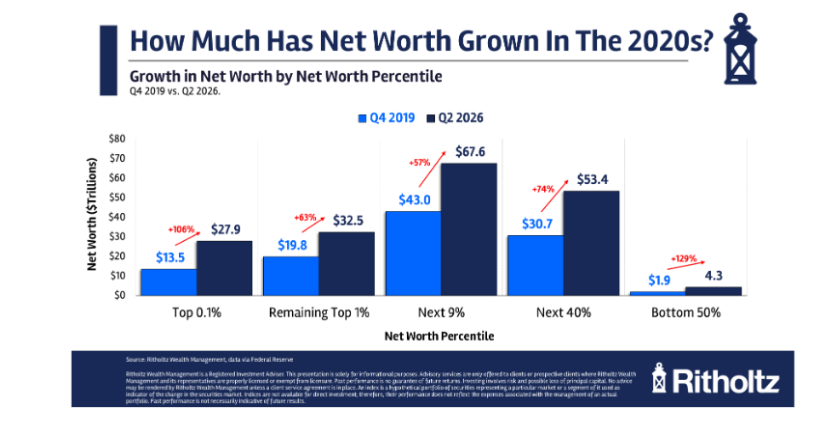
A Wealth of Common Sense
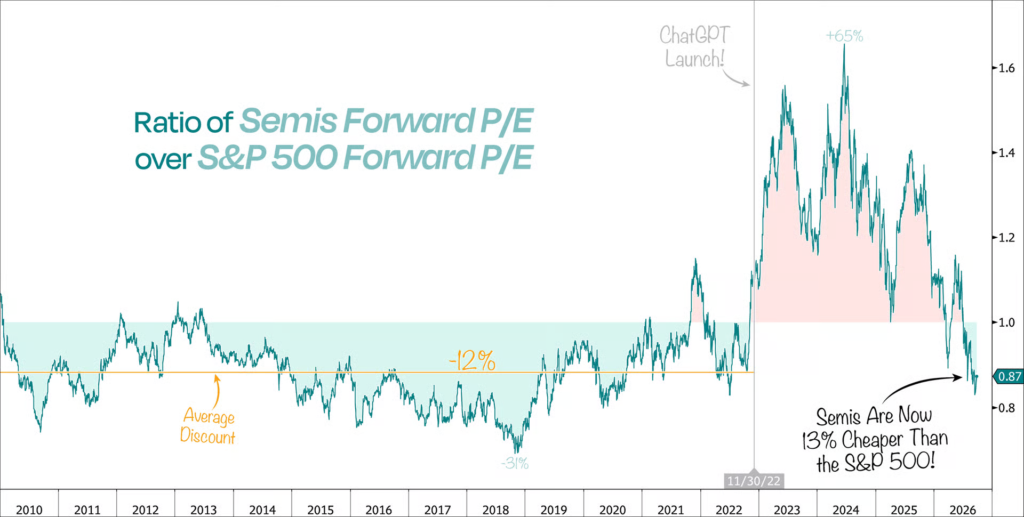
2. Yesterday We Showed NVDA Less Expensive than Half the S&P 500……..Semiconductor Sector Cheapest in 4 Years vs. S&P
Semis valuation. “Semis are back to trading at a 13% discount to the S&P 500. That’s below the longer-run pre-AI average and marks the cheapest relative valuation in more than four years.”
3. MUSE Roll Out by META…..One More Good Day from New Highs
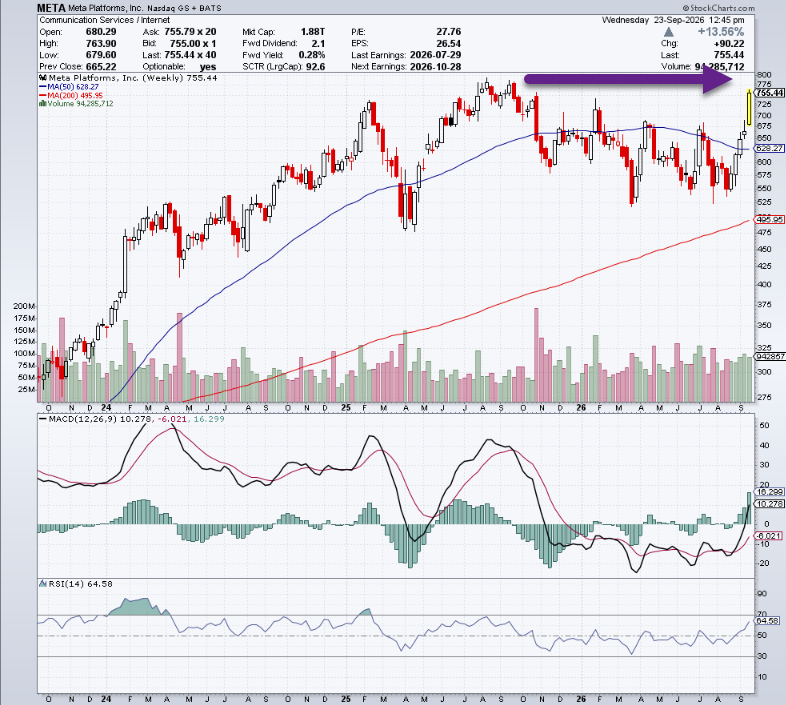
StockCharts
4. Tech Sector vs. Defensive Sector Update….Highest in 20 Years But Not Near 1999
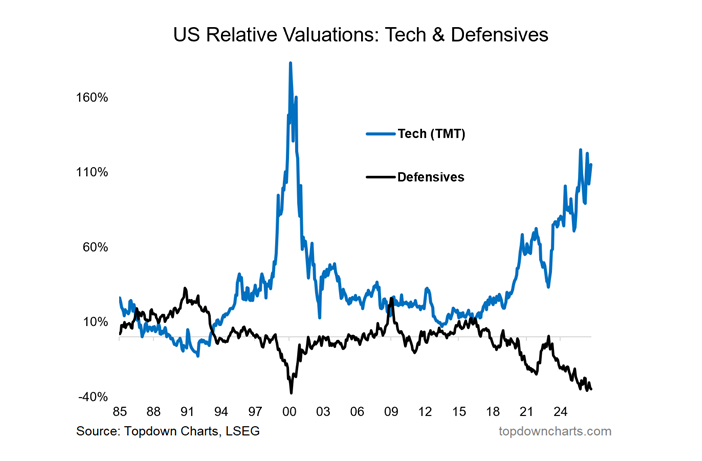
Topdown Charts
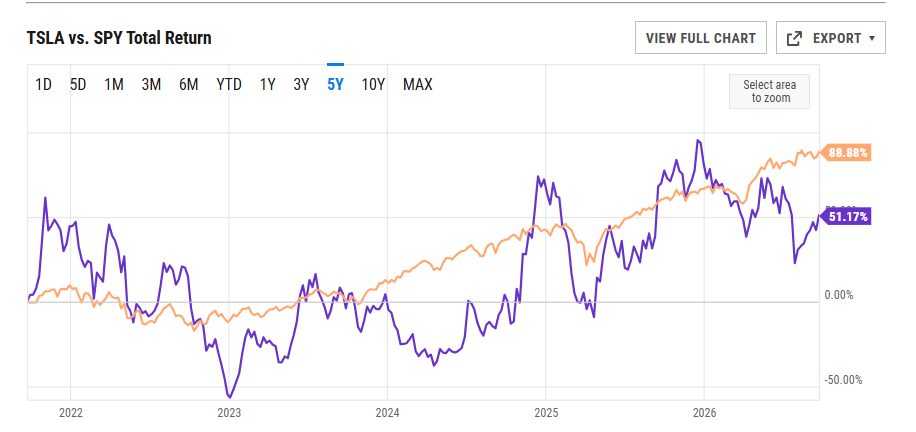
5. S&P +88% vs. TSLA +51% 5 Year Returns
Ycharts
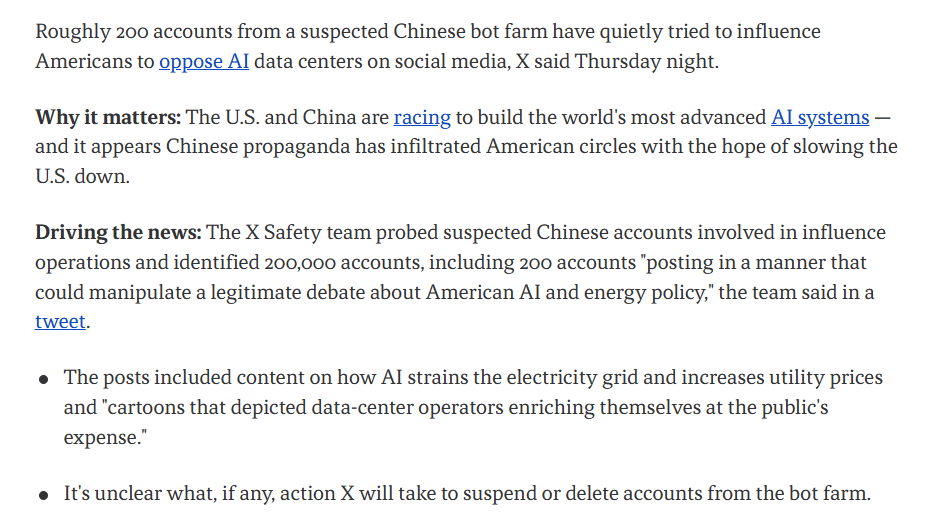
6. China Bots Fueling American Data Center Rage?
Axios
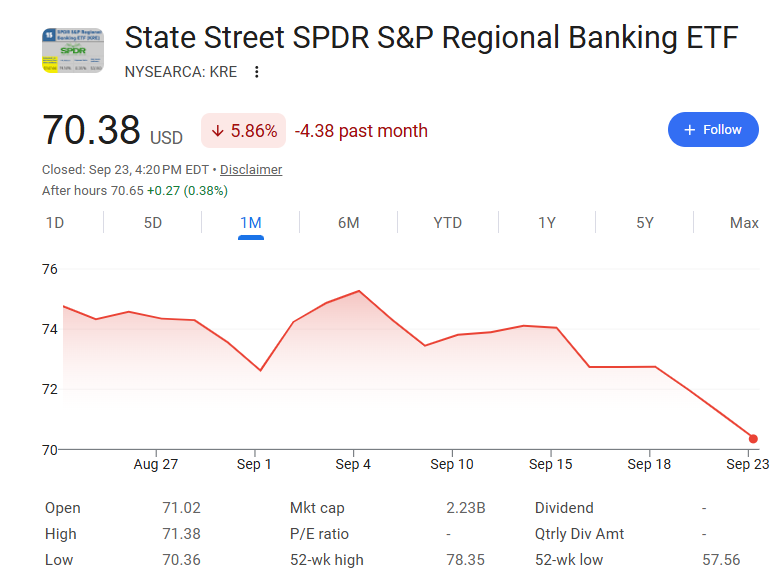
7. Regional Bank Index -6% this Month
CNBC
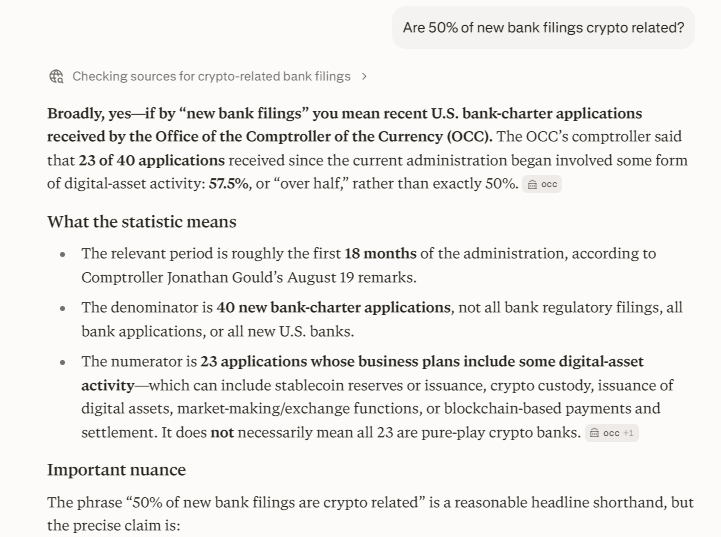
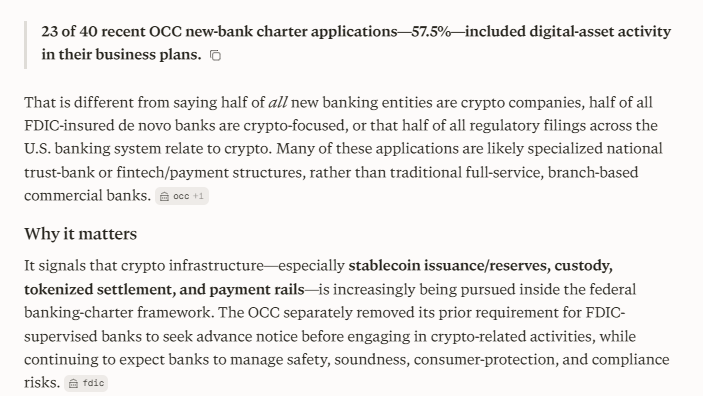
8. Crypto Infrastructure Increasingly Being Pursued Inside Traditional Banking Framework
Perplexity
9. Global View on AI Job Impact
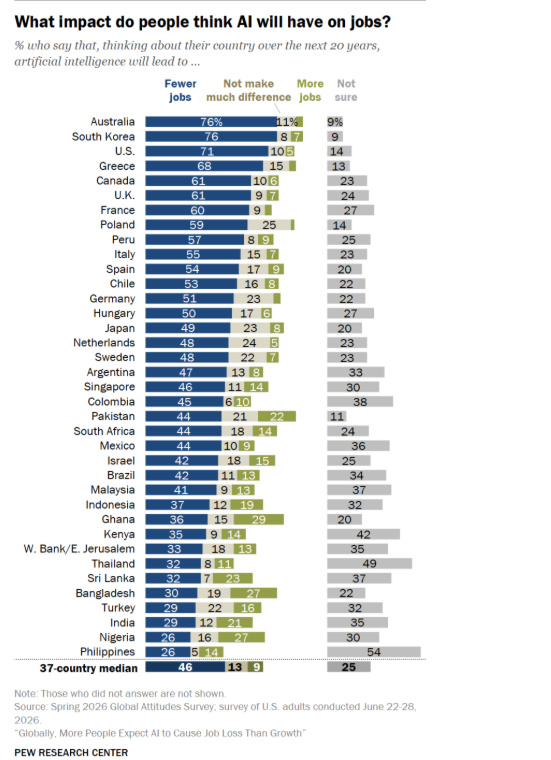
Pew Research Center
10. Stats on Celebrity Endorsed Crypto
Cryptocurrency is almost five times as likely to be a scam
Marketwatch The ‘attention economy’ is really the sucker economy By Brett Arends
About 10% of all crypto coins launched turned out to be outright scams, but for those endorsed by so-called celebrities, that figure was 45% to 48%.Photo: MarketWatch photo illustration/iStockphoto
New cryptocurrencies publicly endorsed by celebrities — often on social-media platforms such as Twitter — were almost five times as likely as those that weren’t endorsed to turn out to be scams and to see their value collapse to zero.
Yet those cryptocurrencies also raised about five times as much money, on average, as the ones without a celebrity endorsement, meaning that the famous face was worth an extra $80 million or more to the promoters.
These two shocking facts have been revealed by the diligent digging of finance professors Joshua White of Vanderbilt University and Sean Wilkoff of the University of Nevada, Reno. They published their findings in the peer-reviewed Journal of Banking and Finance, offering an important look behind the scenes at our modern so-called attention economy, which could better be described as the “sucker economy.”
03:42
How Net Leases Are a ‘Hybrid Between Credit and Real Estate’See All Videos
White and Wilkoff trawled through about 1,500 new cryptocurrencies launched during the mania of 2017-18. They identified the ones that had been “endorsed” during the initial coin offering — the fundraising, or launch — by a famous person, typically a cultural celebrity. Then they tracked what happened next.
‘Celebrity endorsements sell investments for the same reason they sell shoes: People confuse familiarity with trust.’
— Financial planner Aaron Gaines
Even to a cynic like me, the results were worse than expected.
While about 10% of all the coins launched turned out to be outright scams, the figure for those endorsed by so-called celebrities was a staggering 45% to 48%.
“Celebrity-endorsed [initial coin offerings] are 35 to 38 percentage points more likely to be classified as scams,” Wilkoff confirmed to me by email. “The sample average for scams is [around] 10%.” That, he noted, means the estimated rate for endorsed initial coin offerings is 45% to 48%, or roughly 4.5 to 5 times more likely to be a scam. “This is an increase of about 350% to 380%,” he added.
But for all that, the celebrity endorsements worked … at least for the currency promoters, and in many cases for the celebrities.
“Celebrity endorsements are associated with raising about five times as much capital as non-endorsed offerings,” White and Wilkoff report in their paper. “Relative to the sample mean of $17.5 million, this corresponds to an incremental increase of approximately $83 million to $104 million in funds raised.”