
1. Margins in Non-Tech Sectors Hitting Records
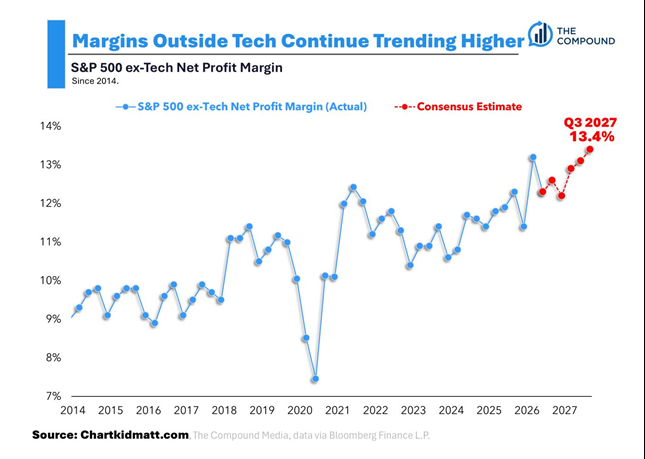
Chart Kid Matt
2. AI-Tech is Driving the Margin Expansion
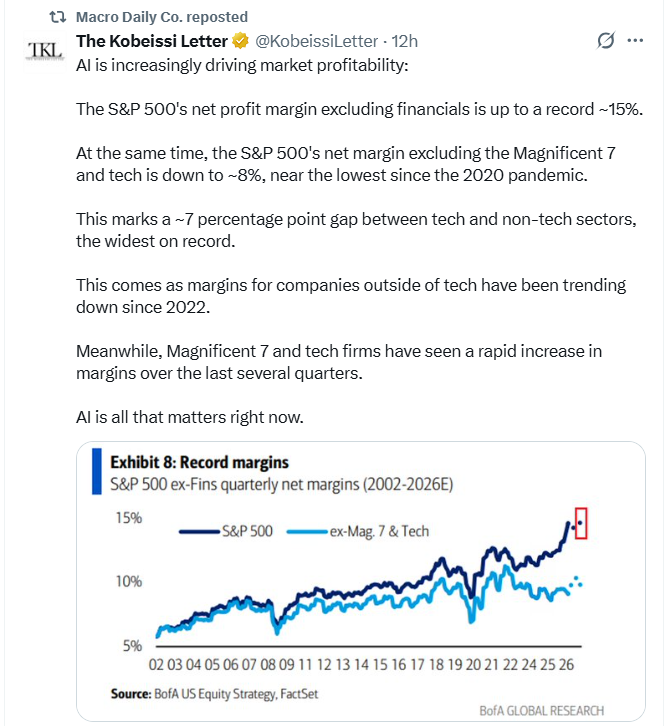
The Kobeissi Letter
3. Time Between Reaching $500B and $1 Tillion Valuation…MU vs. AAPL
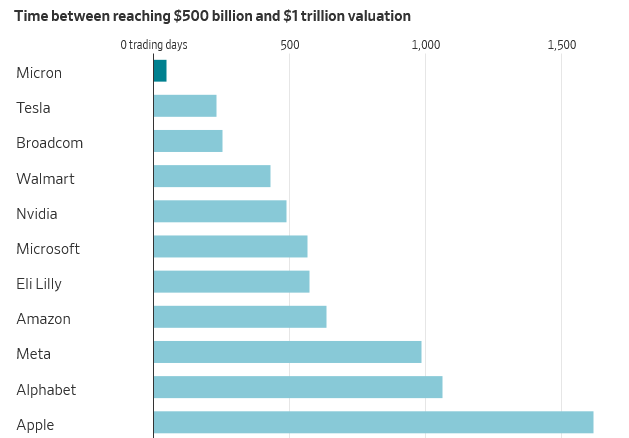
WSJ
4. Equal-Weight S&P 500 Beating Mag 7
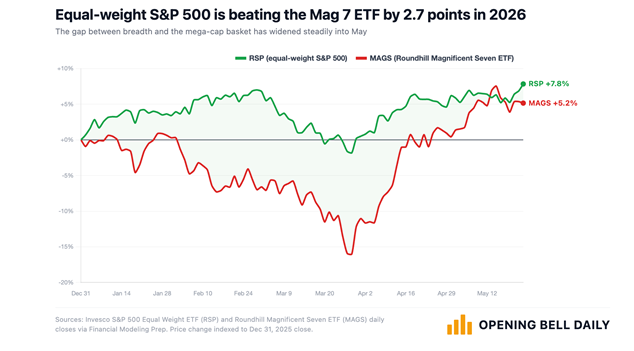
Opening Bell Daily
5. Japanese Citizens—Only 14% Allocation to Domestic Stock Market
Barrons- Japanese retail investors have just 14% allocated to stocks. If they inch nearer to Europe’s 25%, Morgan Stanley estimates that could translate to $1.7 trillion in equity purchases. That’s about 20% of the market cap of Tokyo Stock Market Prime Exchange, which lists the biggest companies. https://www.barrons.com/articles/japan-value-stocks-bargains-fd7069bb?mod=past_editions
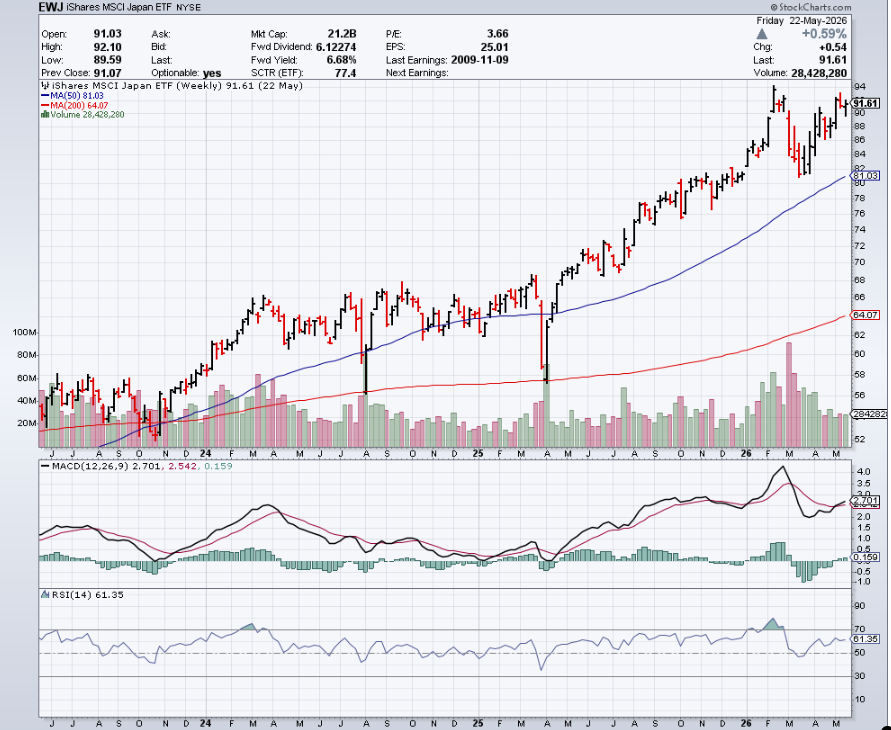
StockCharts
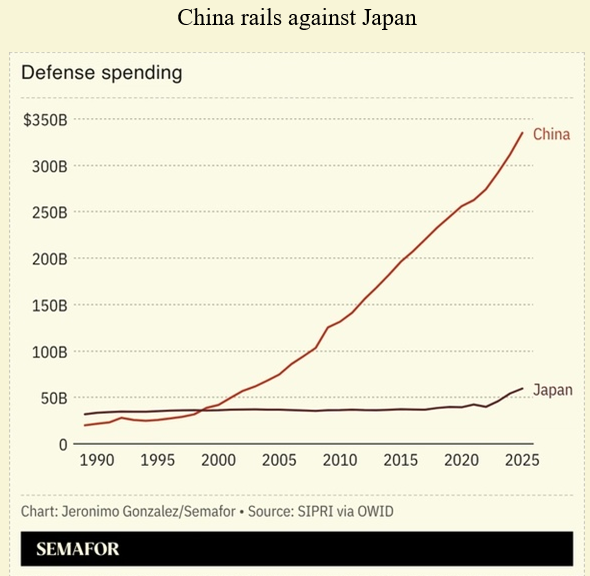
6. China Complaining About Japanese Defense Spending—-China $350B Spend vs. Japan $50B
Semafor
7. Bill Ackman Stock Portfolio
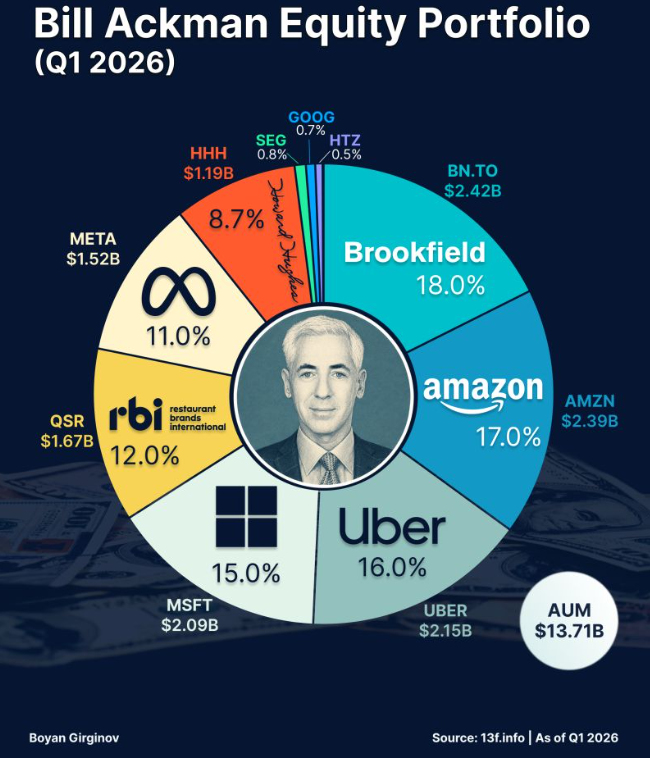
Boyan Girginov
8. Wild Swing from Oversold to Overbought-Bespoke
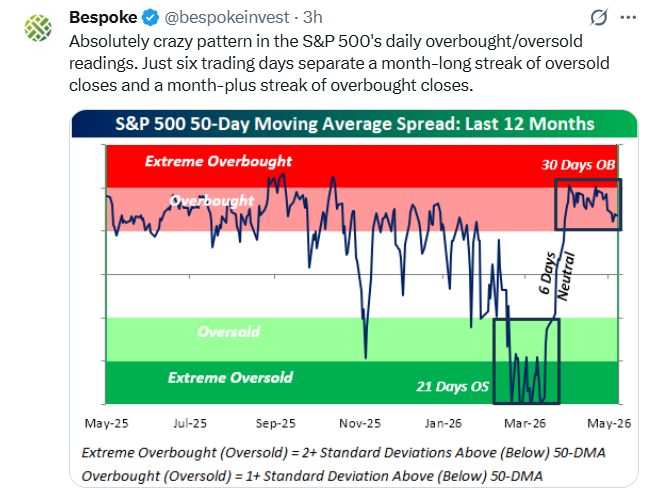
Bespoke
9. Cost of Living Index by State
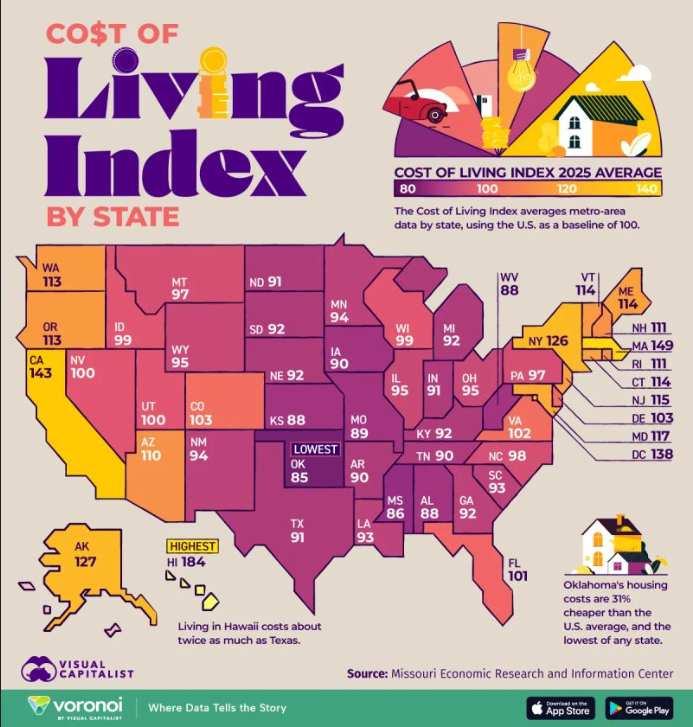
Visual Capitalist
10. The New University=Read Zero Books and Study 1/3 of the Hours = A
The university voted last week to limit A’s to 20% of the undergrads in each course. But the problem isn’t just that we give too many A’s. It’s that we don’t demand enough work in exchange for them. by Jonathan Zimmerman | Columnist
In 1960, 15% of grades at American colleges were A’s; in 2011, the figure was 43%. And over roughly the same period, the average amount of studying by people in college went down by almost 50%, from 25 to 13 hours a week.
Things have almost certainly gotten worse since then. Students are anxious and distracted, professors report, and they balk at reading entire books. So we assign excerpts or articles, in the hopes that they’ll learn something — anything — from us
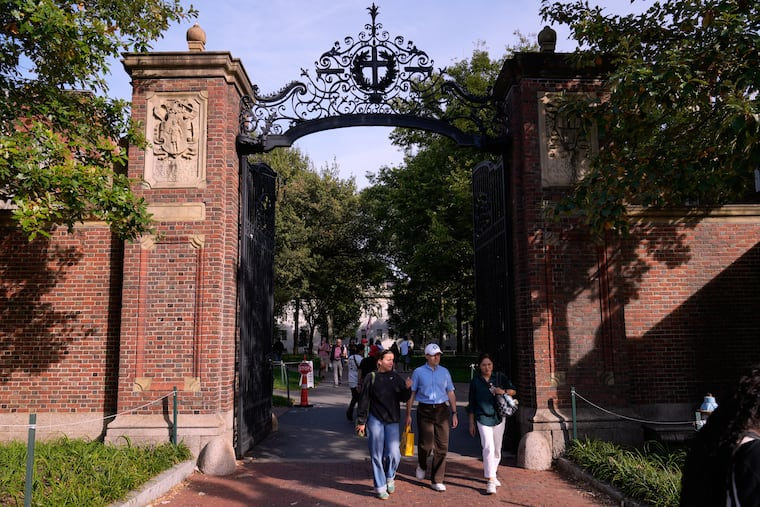
The gates of Harvard Yard at Harvard University, in Cambridge, Mass., in September.Charles Krupa/AP
These trends were even more pronounced at elite schools. By 2021, 79% of grades awarded by Harvard were in the A range (A+, A, or A-). And many students barely broke a sweat along the way.
In a revealing 2024 essay, Harvard undergraduate Aden Barton said he failed to complete most of the assigned readings for a class and still got an A. One of his friends didn’t attend any classes for an entire month.
No problem! The friend still had to submit work, but there wasn’t much of it. And he could rest assured that almost anything he turned in would receive an A.
“Rising grades permit mediocre work to be scored highly, and students have reacted by scaling back academic effort,” Barton wrote. “I can’t count the number of times I’ve guiltily turned in work far below my best, betting that the assignment will nonetheless receive high marks.”
Nobody should get an A for less-than-stellar work, of course. But simply capping the percentage of A’s — as Harvard did last week — won’t correct for that.
Instead, we should insist that professors assign more work. In 2011, sociologists Richard Arum and Josipa Roksa found that one-third of the 2,300 students in their sample studied less than five hours per week (yes, you read that right). And over half of the people in the sample said they hadn’t taken a single course in the previous semester that demanded a total of 20 pages of writing.
Things have almost certainly gotten worse since then. Students are anxious and distracted, professors report, and they balk at reading entire books. So we assign excerpts or articles, in the hopes that they’ll learn something — anything — from us.
That’s a scandal, or it should be. Every college should establish minimum reading and writing requirements and make sure professors enforce them. And they should also make attendance mandatory. If my students don’t learn more by coming to my class than by blowing it off, I shouldn’t be a teacher.
We also need to institute rigorous evaluation of instruction to see if students are learning at all. That’s become ever more important in the age of artificial intelligence, when ChatGPT can do your homework for you.
https://www.inquirer.com/opinion/harvard-faculty-grade-restriction-20260523.html