
1. 2026 vs. 1999
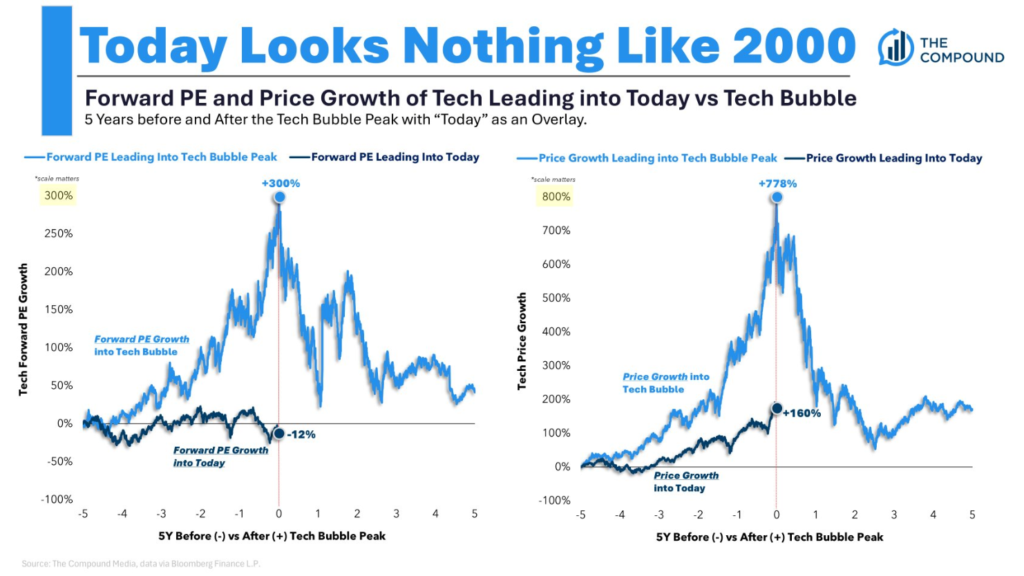
Matt Cerminaro
2. Gold Down Since Start of War….Oil Trending Toward Flat
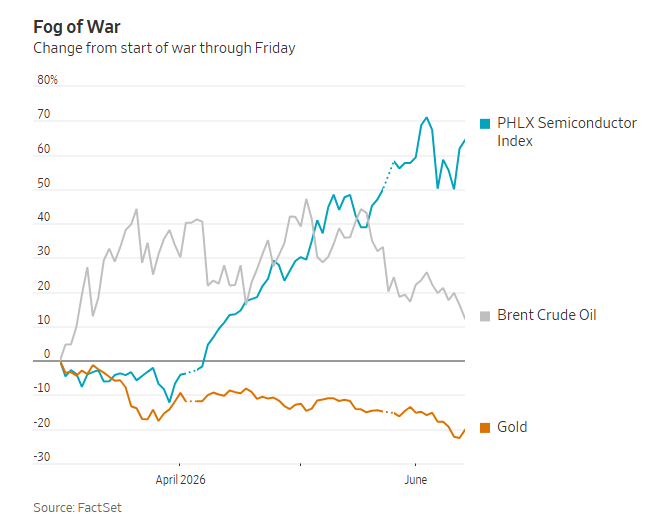
WSJ
3. Gold GLD Closes Below 200-Day Moving Average
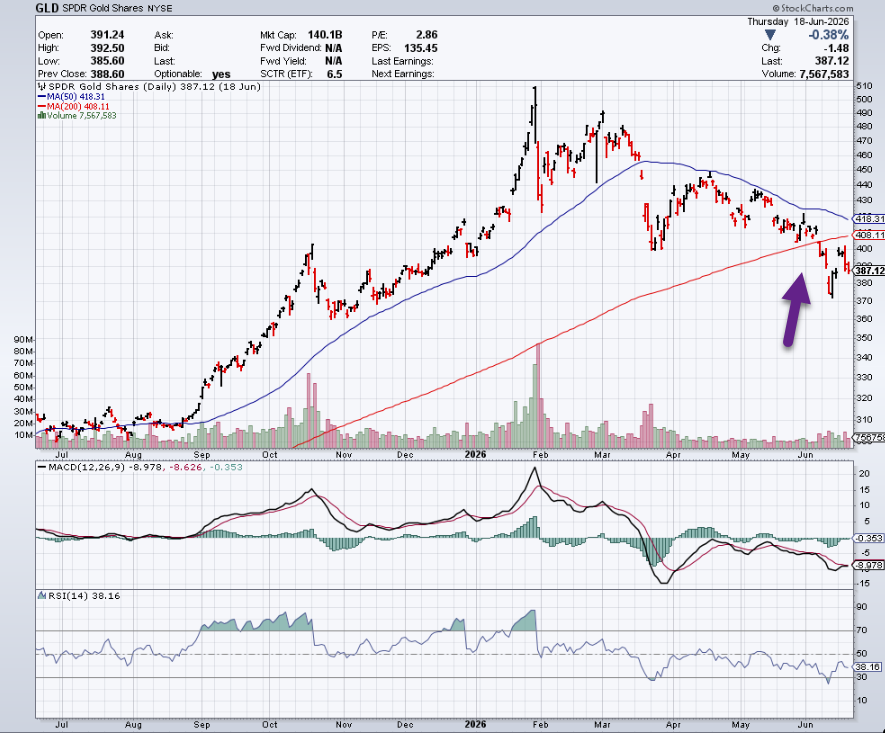
StockCharts
4. Silver Closes Below 200 Day
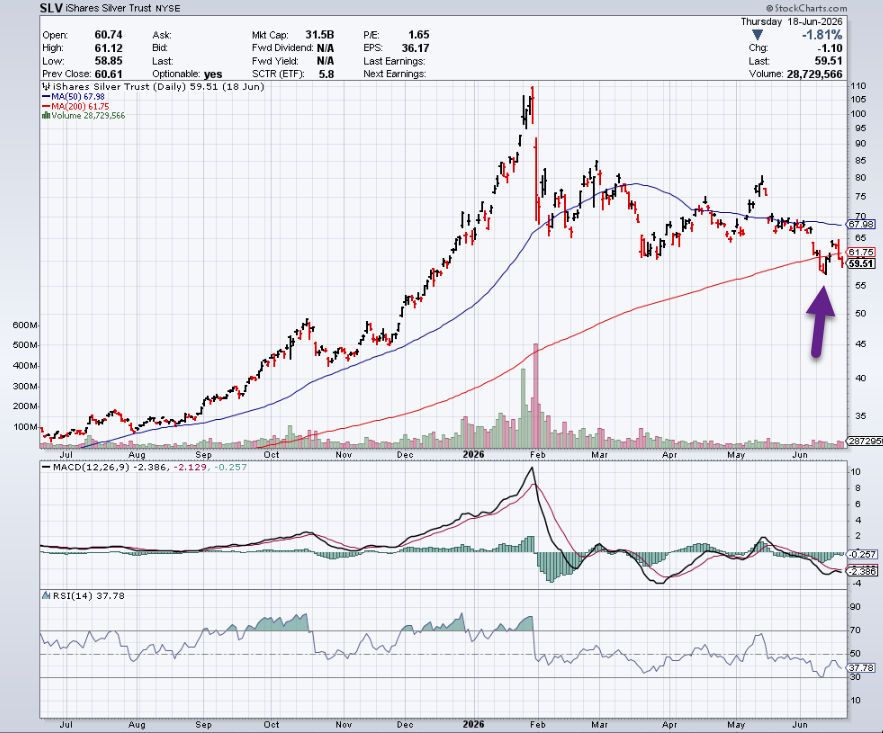
StockCharts
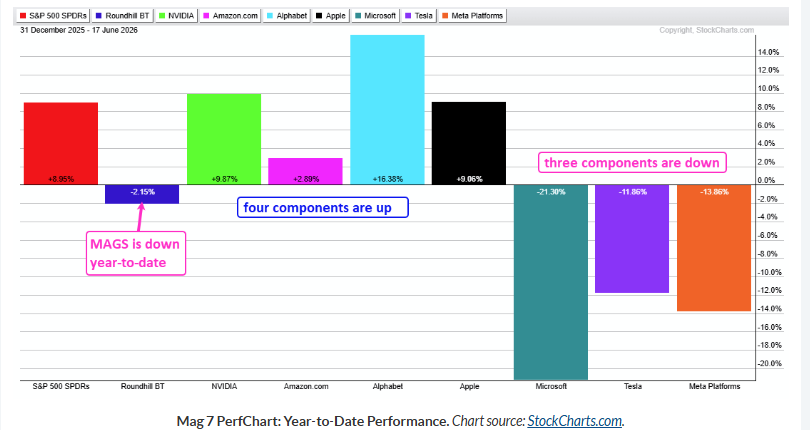
5. Mag 7 –11% Behind S&P 500—MSFT, TSLA, META Dow Double Digits
StockCharts
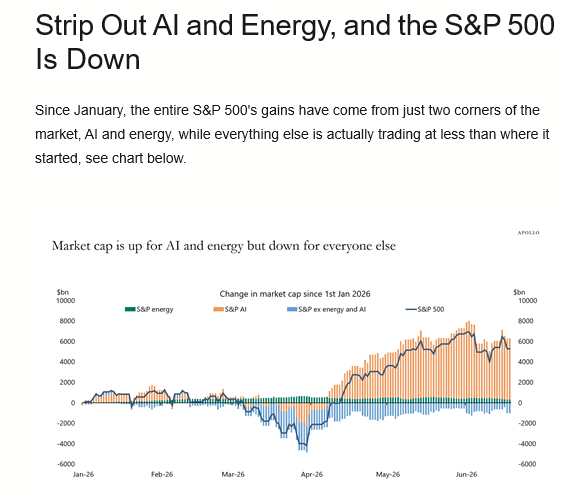
6. Strip Out AI and Energy, and the S&P 500 is Down 2026
Torsten Slok
7. AI-Largest Capex Cycle Ever
AI Set to be Largest CapEx Cycle Ever … and Soon Majority Externally Financed

Source: Paul Kedrosky
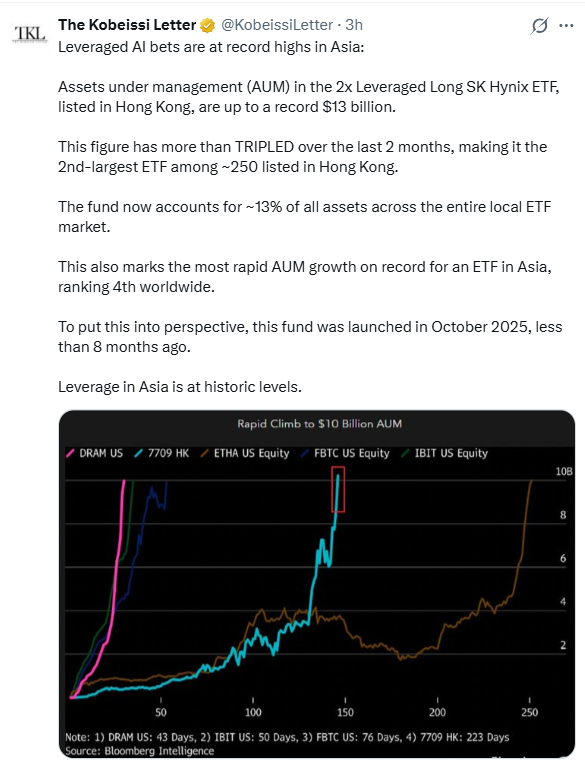
8. Leveraged Bets on Asia at Record Highs…
The Kobeissi Letter
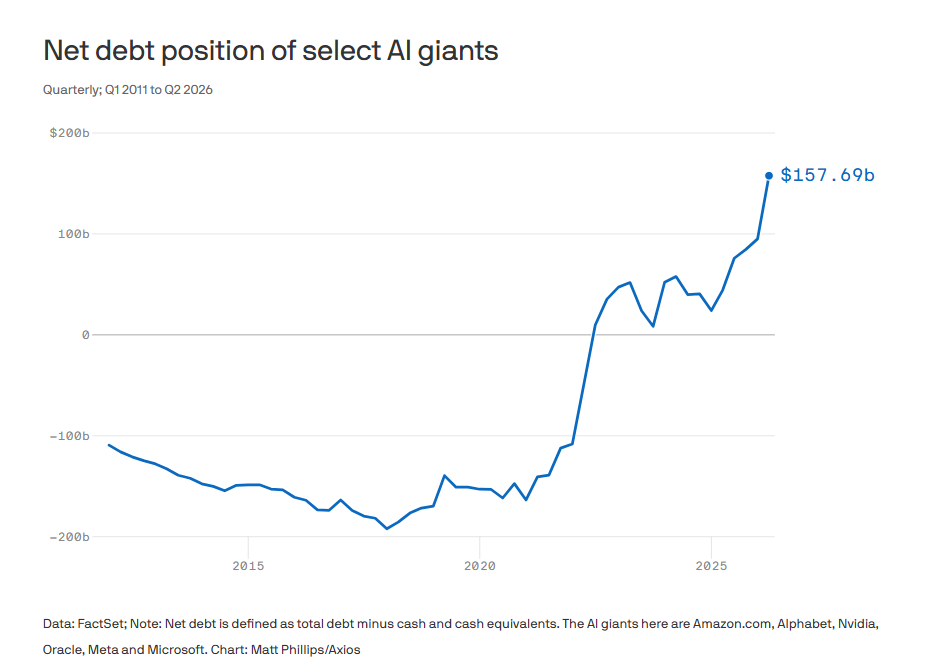
9. History of Debt at AI Giants-Axios
Axios
10. The best parents and leaders use a 3-step formula to help people handle uncertainty, says Dr. Becky Kennedy
Sarah Jackson@in/sarah-jackson1
Uncertainty can feel scary, whether you’re a child or an adult.
But in situations where you might not have control over an outcome, you can still help yourself and those around you feel more at ease with an unknown, just by how you describe a situation, according to Dr. Becky Kennedy, clinical psychologist and founder of parenting support platform Good Inside.
Kennedy recommends a simple, three-step formula for parents to use with their kids and for leaders to use at work to help ease anxiety around uncertainty. It’s a strategy every parent and leader “should commit to memory,” she said during a talk at Charter’s New Employer Brand Summit in New York City on June 9.
The format is simple:
- Start with what you know
- Acknowledge what’s uncertain
- Return to conclude with something you know again
“Uncertainty doesn’t make us feel unsafe as much as unnamed uncertainty,” Kennedy said. Candidly admitting what you don’t know, rather than glossing over it or pretending to have all the answers, she explained, can help the people around you feel more comfortable with change.
Kennedy shared an example of a child wanting to make a soccer team. As a parent, she’d use the three-part formula to say:
- “Look, here’s what I know: You’ve been practicing soccer, that’s awesome. You want to try out for this team. There’s a lot of other good kids in town.”
- “Here’s what I don’t know: I don’t know whether you’re going to make it.”
- “One more thing I know: No matter what happens, we’re going to get through it together.”
At work, this could help manage worries around possible changes, Kennedy said, giving an example of a boss addressing their team:
- “You’ve gotten whispers, like we might go through some changes at the company. There might be a restructuring. That is totally true.”
- “Here’s what I don’t know: I don’t know the exact date. I honestly don’t even know exactly who’s going to be involved in that.”
- “What I do know is, if and when that happens, you will know, you will know directly, and no matter what happens, I’m going to figure out how to support you.”
Kennedy drew a comparison to passengers experiencing turbulence on a plane. If a pilot doesn’t communicate through the turbulence, passengers will feel “awful” for being left in the dark, she said. When a pilot addresses the elephant in the room, she added, it could be as simple as saying, “Hey, we’re going through turbulence. I don’t know exactly how long it’s going to be, but as soon as I have more information, I’ll talk to you.”
Even though the pilot doesn’t have all the information passengers might want to hear in that moment, Kennedy said, many would feel relief that the person in charge is transparent, communicative, and cognizant of their feelings and concerns.
As Kennedy put it, “Everything change[s] just because they were willing to speak to it.”