
1. Mag 7 Underperforms 2026
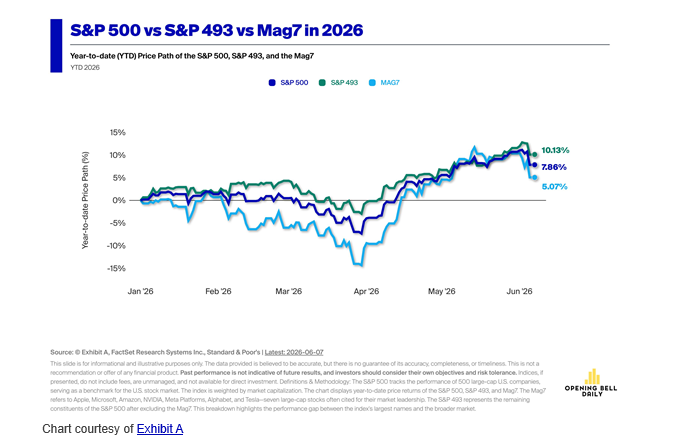
Opening Bell Daily
2. QQQ Still Above 50day
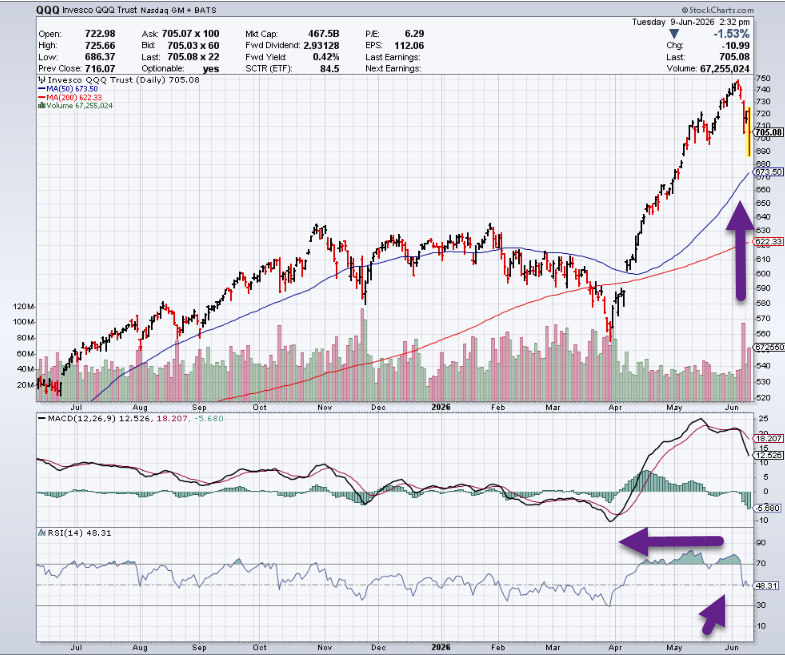
StockCharts
3. Cybersecurity ETF Broke Out to New Highs Before Last Weeks Pullback
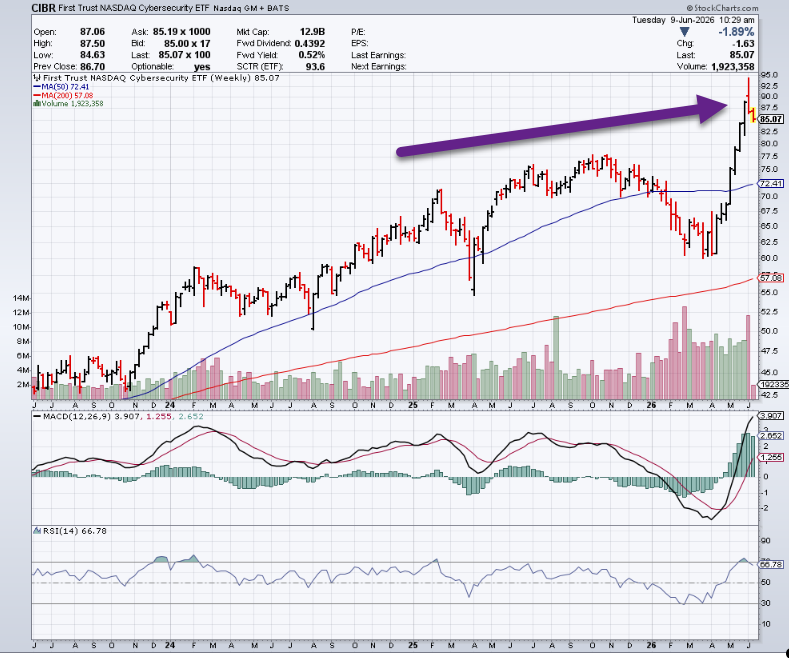
StockCharts
4. Ethereum Down -70% From Highs….Testing 2023 Support
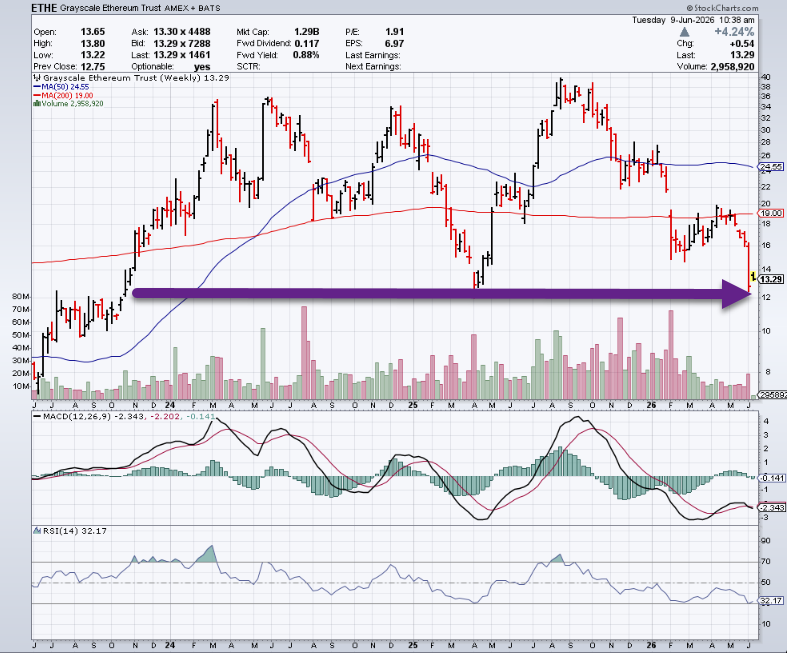
StockCharts
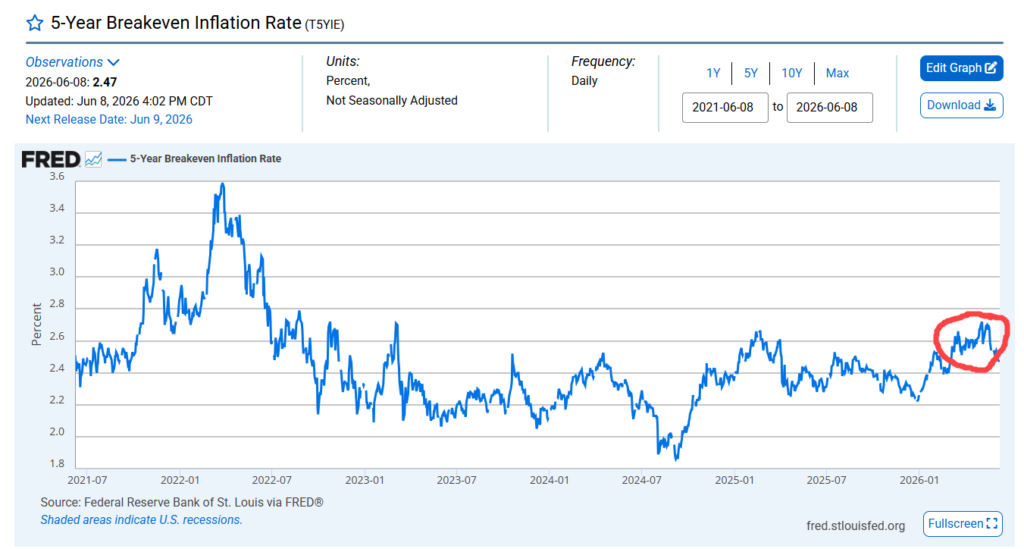
5. CPI Numbers Today …..5 Year Break-Even Inflation Rate 2.5%
FRED
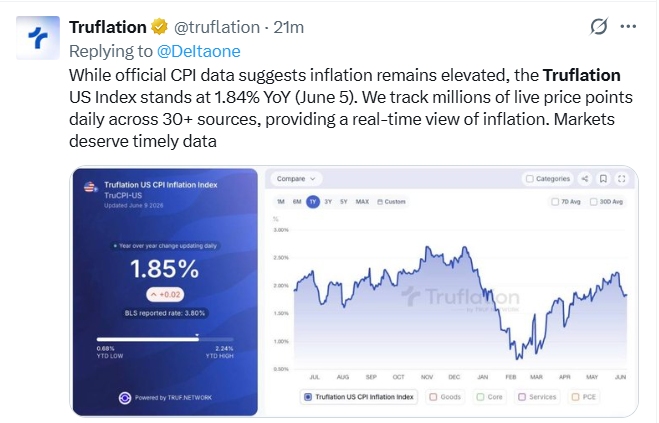
6. Truflation Inflation Rate Below 2%
Truflation
7. China Debt Problems + Demographics Problems

Michael A. Arouet
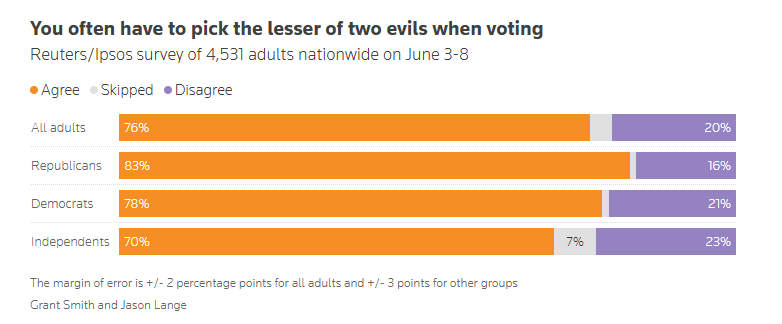
8. The Majority of Americans Pick “The Lesser of Two Evils” When They Vote
Reuters
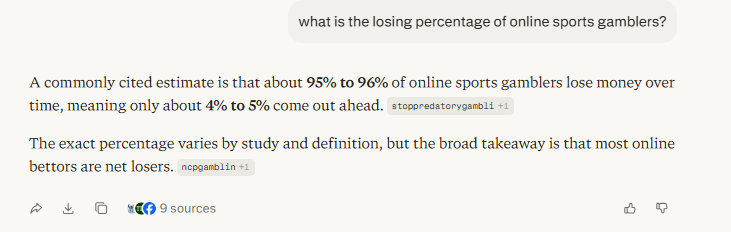
9. Should I Gamble or Dollar Cost Average into S&P? 95% of Online Sports Bettors Lose
Perplexity
10. Stress and Recovery Habits Success.com
Stress and Recovery Habits (53-65)
Stress is not the enemy. Unrecovered stress is. These habits are about building a resilience system that lets you handle pressure without letting it accumulate into something that breaks you.
53. Spend at least 20 minutes in nature every week. Research published in a 2025 meta-analysis found that even brief nature exposure—sitting outdoors for 20 to 30 minutes—significantly reduces salivary cortisol. Your brain on nature is measurably different from your brain in an office. Neuroscience confirms that natural environments restore the directed attention your work depletes.
54. Meditate or practice mindfulness for five minutes daily. You don’t need a 45-minute session. Consistent short practice—five minutes of breathing attention—meaningfully reduces cortisol, improves emotional regulation and lowers baseline anxiety over weeks. Meditation’s impact on focus and output is well-documented.
55. Practice box breathing before high-stakes moments. Inhale for four counts, hold for four, exhale for four, hold for four. This technique activates the parasympathetic nervous system in under two minutes. Use it before difficult conversations, presentations or any moment where you need to be fully present and regulated.
56. Build white space into your schedule every week. Unscheduled time is not wasted time. It’s where integration happens; where your brain processes, connects and generates insights that can’t emerge during back-to-back calls. Protect at least two to three hours of unstructured time per week.
57. Set hard stops on your workday and defend them. Without a defined end to the workday, work expands. A hard stop—6 p.m., 7 p.m., whatever is realistic for your life—creates a container that forces prioritization and protects your recovery window.
58. Take all your vacation time. This sounds obvious. Almost no one does it. Burnout recovery research is consistent: Time fully away from work is not just a reward. It’s a biological necessity for sustained performance.
59. Name your stressors—don’t just feel them. Keep a brief stress log. Write down what’s generating anxiety each morning in two sentences. The act of naming reduces the amygdala response to stressors and prevents undifferentiated anxiety from building.
60. Have a transition ritual between work and personal time. A 10-minute walk, a specific playlist, a changed outfit—any consistent cue that signals the shift between roles helps your nervous system disengage from professional mode and engage with personal life.
61. Practice strategic incompetence once a week. Let one noncritical thing be imperfect. Send the good-enough email. Submit the 90% report. Perfectionism has a carrying cost, and practicing release in low-stakes situations builds the flexibility to tolerate imperfection in high ones.
62. Say no more often than feels comfortable. Every yes is a no to something else. High-performers who protect their capacity by declining low-leverage commitments aren’t being difficult. They’re being strategic. Practice declining with warmth and brevity.
63. Audit your digital consumption quarterly. Pull your screen time data. Review which apps you’re using and whether they’re producing or consuming energy. Most people are surprised and then change something.
64. Limit news consumption to one defined window per day. Staying informed is legitimate. Passive, constant exposure to often distressing news is physiologically stressful in ways that compound. Set a time—15 to 20 minutes in the morning or evening—and close the tab when it’s done.
65. Monitor your heart rate variability (HRV) over time. HRV—the variation in time between heartbeats—is one of the best physiological markers of stress load and recovery. Modern wearables track it automatically. Watching your HRV trend down over several days before a burnout event is the kind of early signal that gives you a window to act.