
1. Bear Market History
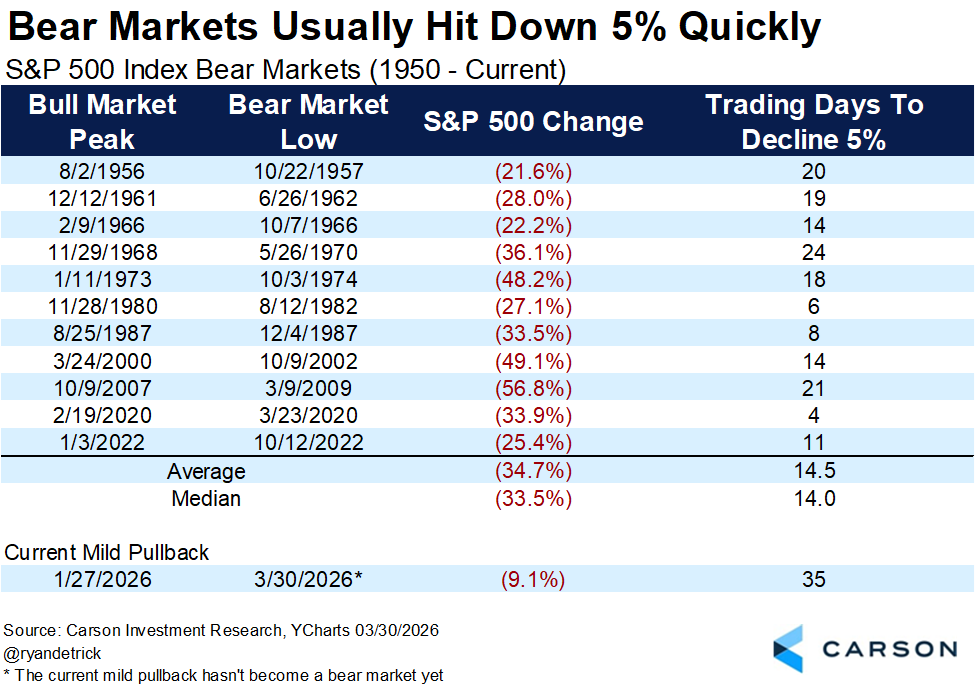
Bear markets. “Looking at the other 11 bear markets since the S&P 500 became 500 stocks shows that they usually start with a quick drop from ATHs. In fact, down 5% in only 14.5 days on avg those times. The recent 5% mild pullback took a very long 35 trading days, which would by far be the most ever should this turn into a bear market.”
The Daily Shot
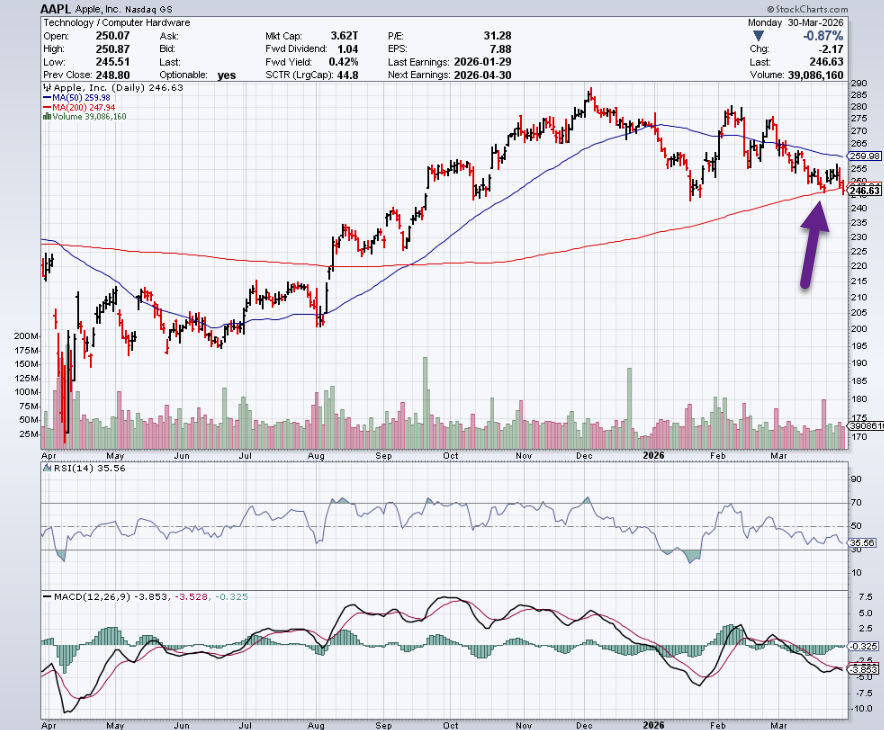
2. AAPL Traded Right to 200-Day
StockCharts
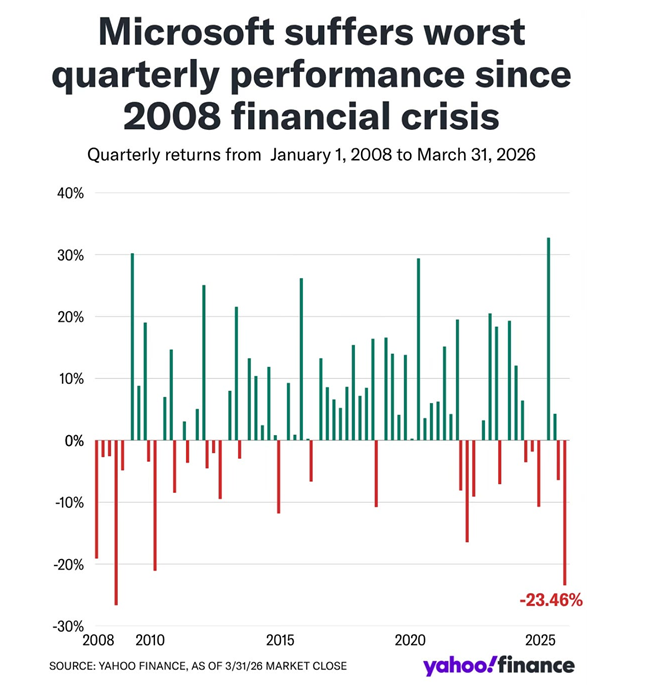
3. MSFT Worst Quarter Since 2008
Yahoo Finance
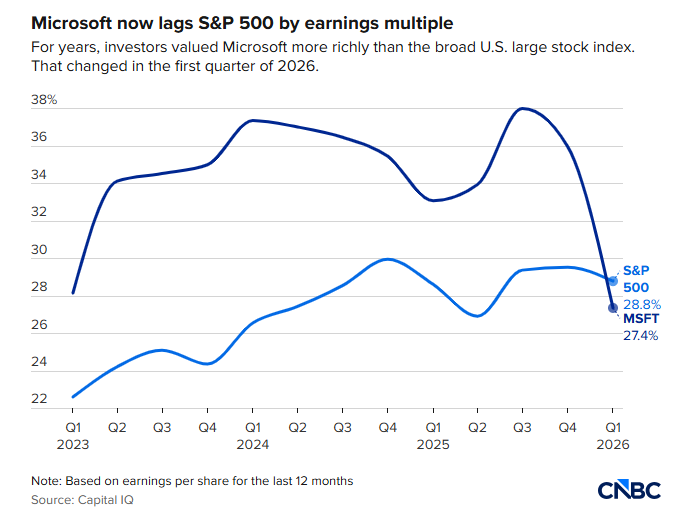
4. MSFT Cheaper than S&P….Microsoft Now Lags S&P by Earnings Multiple
CNBC
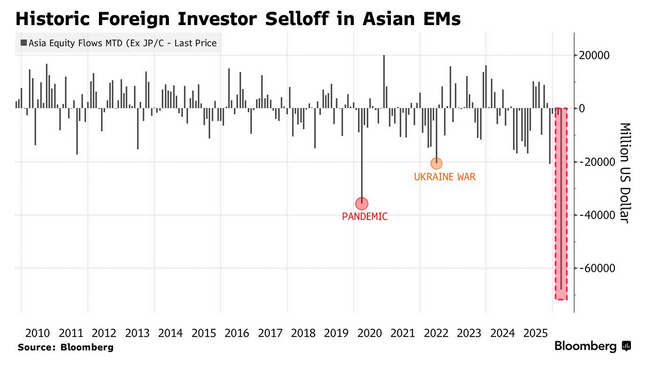
5. Historic Selloff in Asian Emerging Markets
Dave Lutz Jones Trading Many Asian economies saw factory activity slow in March, business surveys showed on April 1, a sign surging fuel costs and heightening global uncertainty from the Iran war were taking a toll on the region – Manufacturing activity in March slowed in economies ranging from Indonesia, Vietnam, Taiwan and the Philippines, other PMIs showed, highlighting the pain the Middle East conflict was already inflicting on businesses. Japanese Input prices rose at the fastest rate since August 2024 as the Middle East war drove up energy and raw material prices, adding to cost pressures from a weak yen and labor shortages.
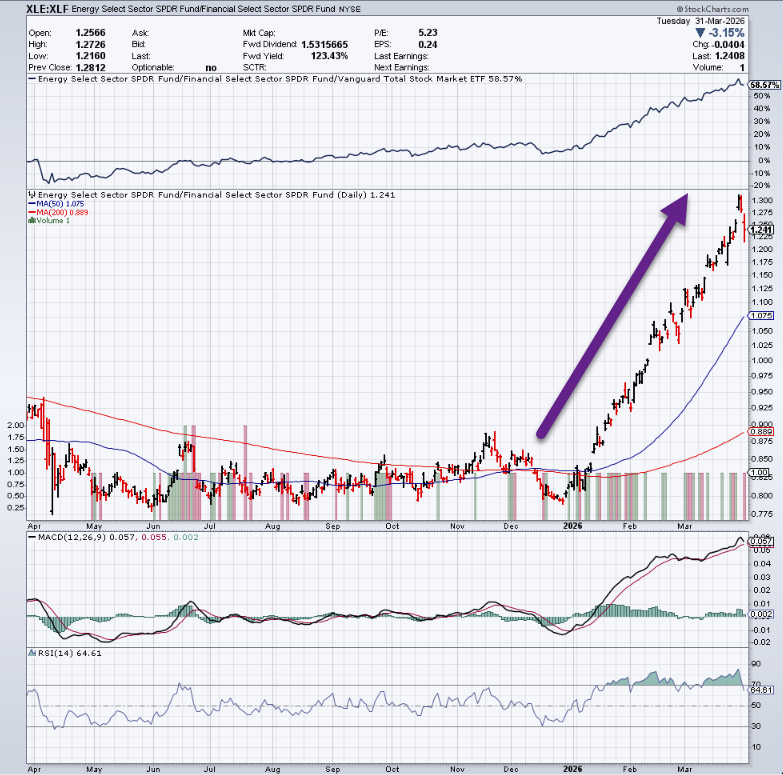
6. This Chart Shows XLE Energy ETF vs. XLF Financials ETF for 2026…Bulls Need this Chart to Reverse Down
StockCharts
7. Earnings vs. S&P Chart
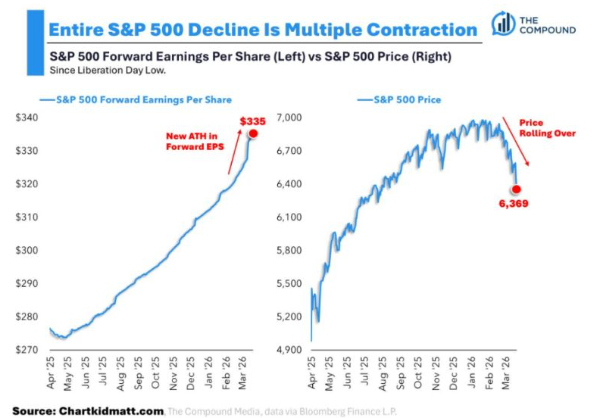
Chart Kid Matt
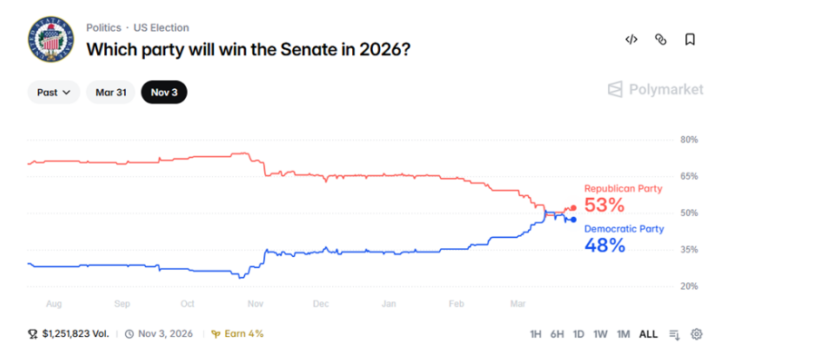
8. Mid-Term Elections Polymarket
Jack Ablin Cresset Notwithstanding the difficult environment for Republicans, Democrats still face a tough map as they look to win the four seats to claim a majority in the Senate, and will have to win some long-shot races to get there. Republicans are defending nearly two-thirds of the Senate seats on the ballot in 2026. Prediction markets suggesting that Democrats have a nearly equal chance of retaking the Senate after the midterm elections are overstating the likelihood.
Cresset
9. Japan has 9 Million Vacant Homes-13-14% of its Total Housing Stock…Bad Demographics
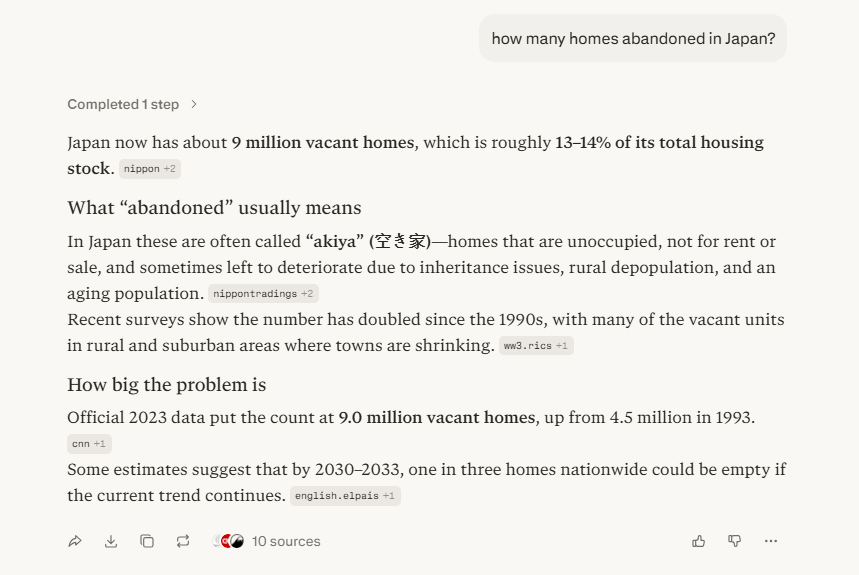
Perplexity
10. 60% of Americans Now Live in South or West
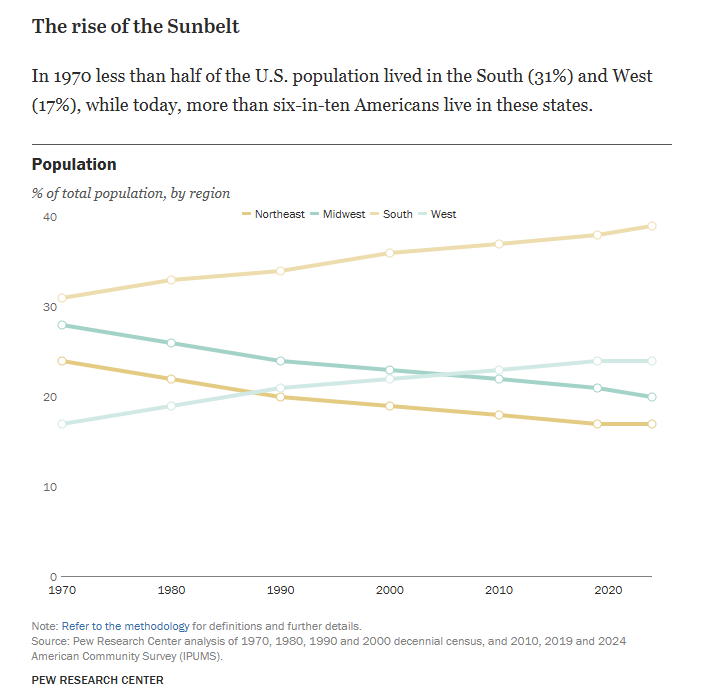
Pew Research Center