
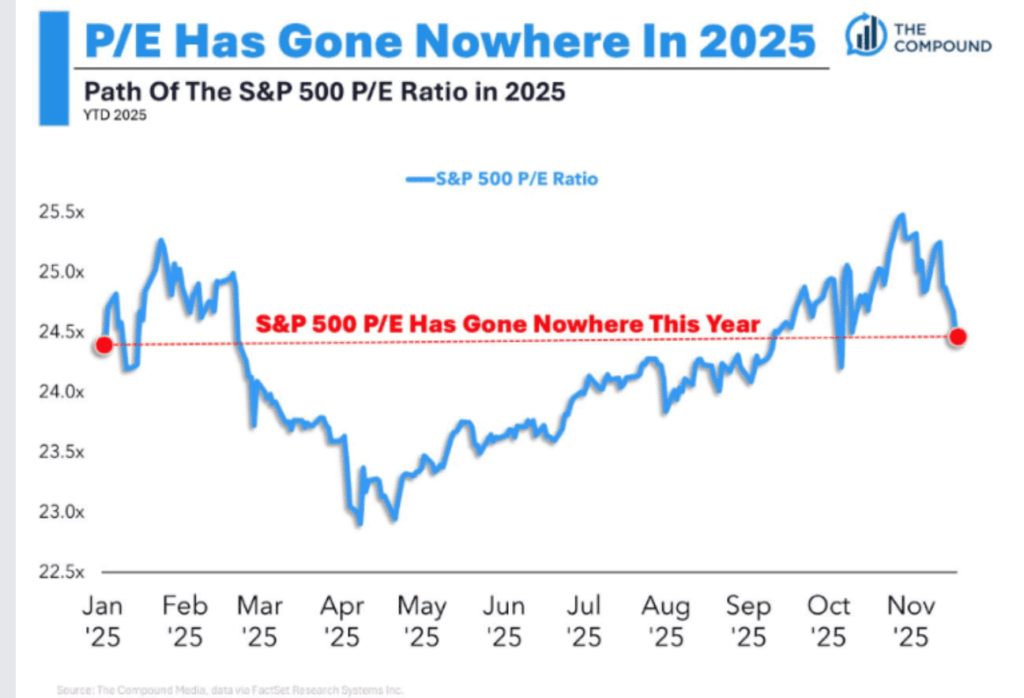
1. P/E Has Gone Nowhere in 2025-The Compound
The Irrelevant Investor
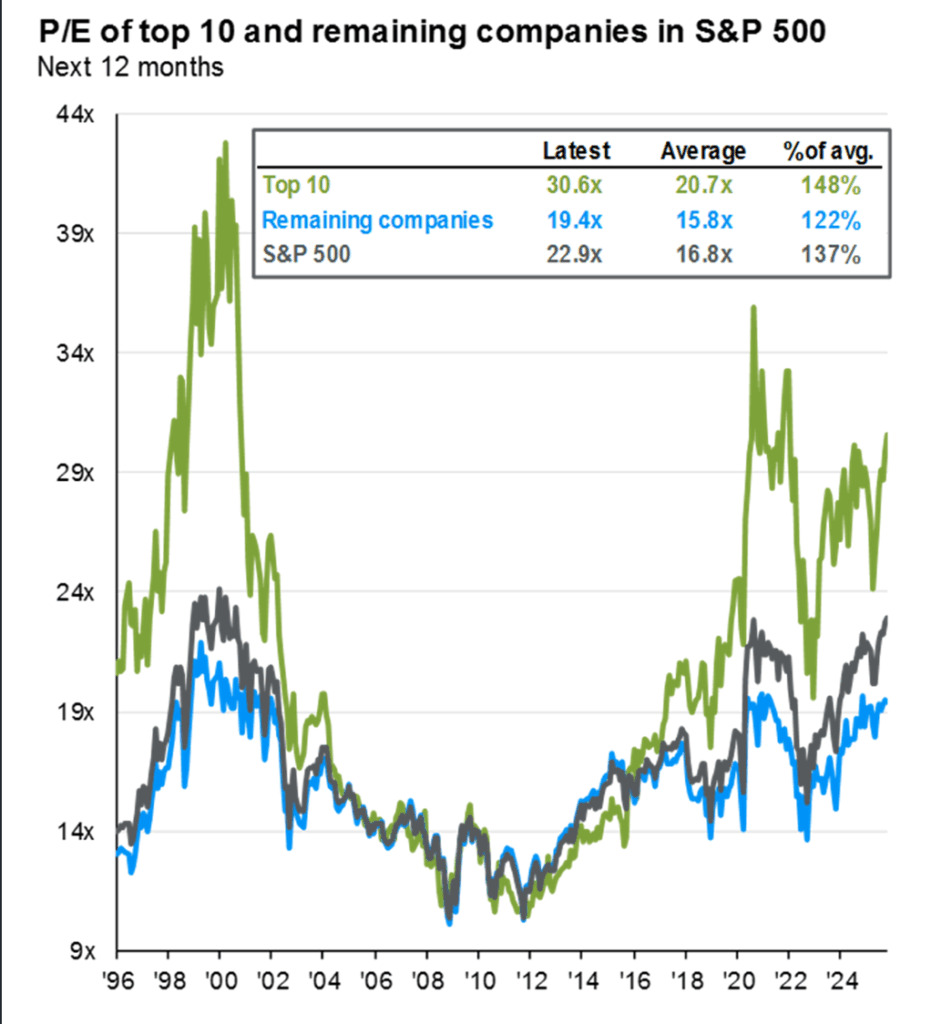
2. JP Morgan Update P/E of S&P 490
JPMorgan Chase & Co
3. Breadth Thrust Indicator
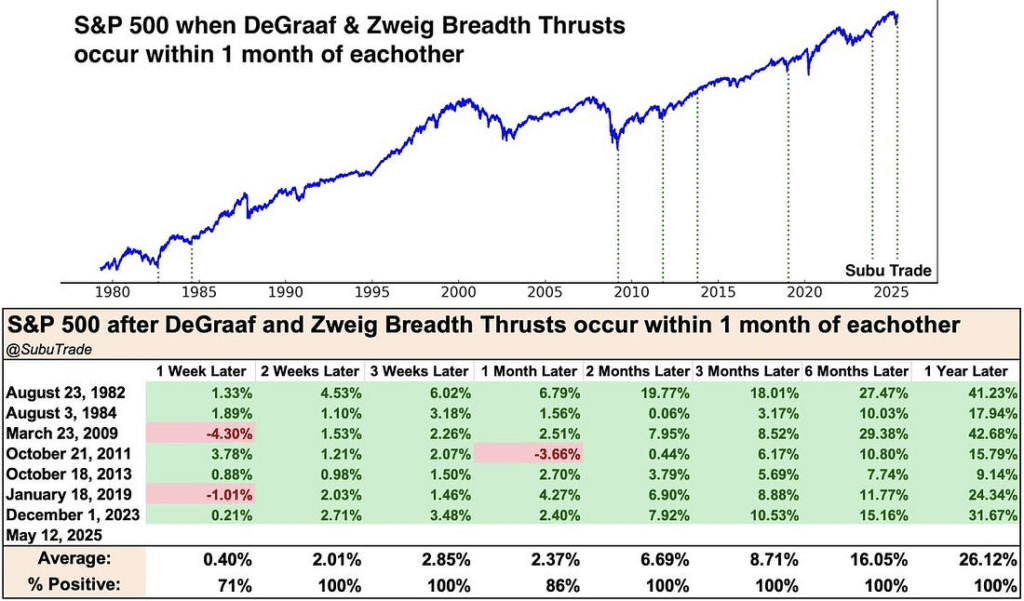
Breadth Thrust: Yet as noted, we’ve seen a sharp surge in breadth — and if you look at the first chart you can see we had a few months of deteriorating breadth… this can sometimes act as a sort of stealth correction. Then add to that the point that there was probably a bit of offside money waiting for a pullback to buy.
But onto this chart, Subu has put together analysis tracking the activation of DeGraaf + Zweig Breadth Thrust signals. While no indicator is infallible, this is a pretty good track record, and seasonality tends to also be decent in December. So it’s certainly some bullish food for thought.
Subu Trade
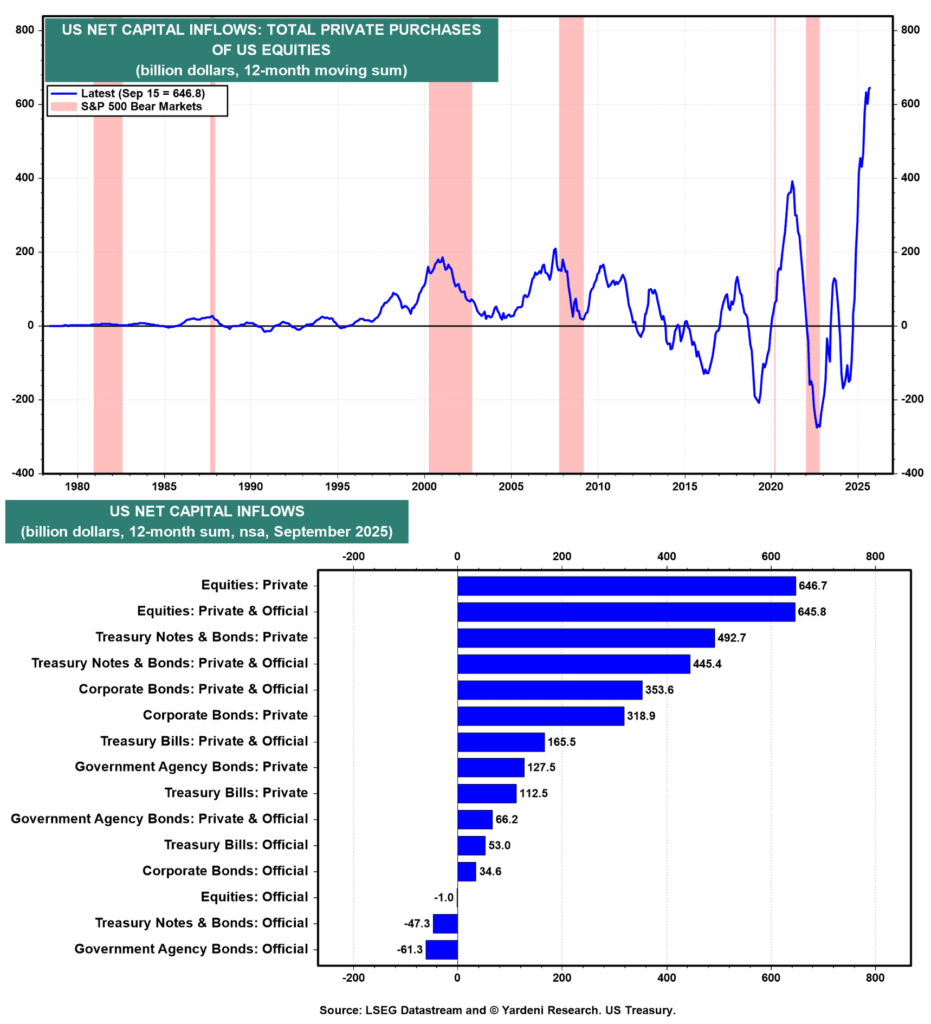
4. Foreigners Buy $650B of U.S. Stocks in the Last 12 Months
US net capital inflows. “Foreign private purchases of US equities totaled a record $646.8 billion over the past 12 months. Over the past 12 months, foreign private purchases of US equities outpaced those of US Treasury notes and bonds.”
MSN
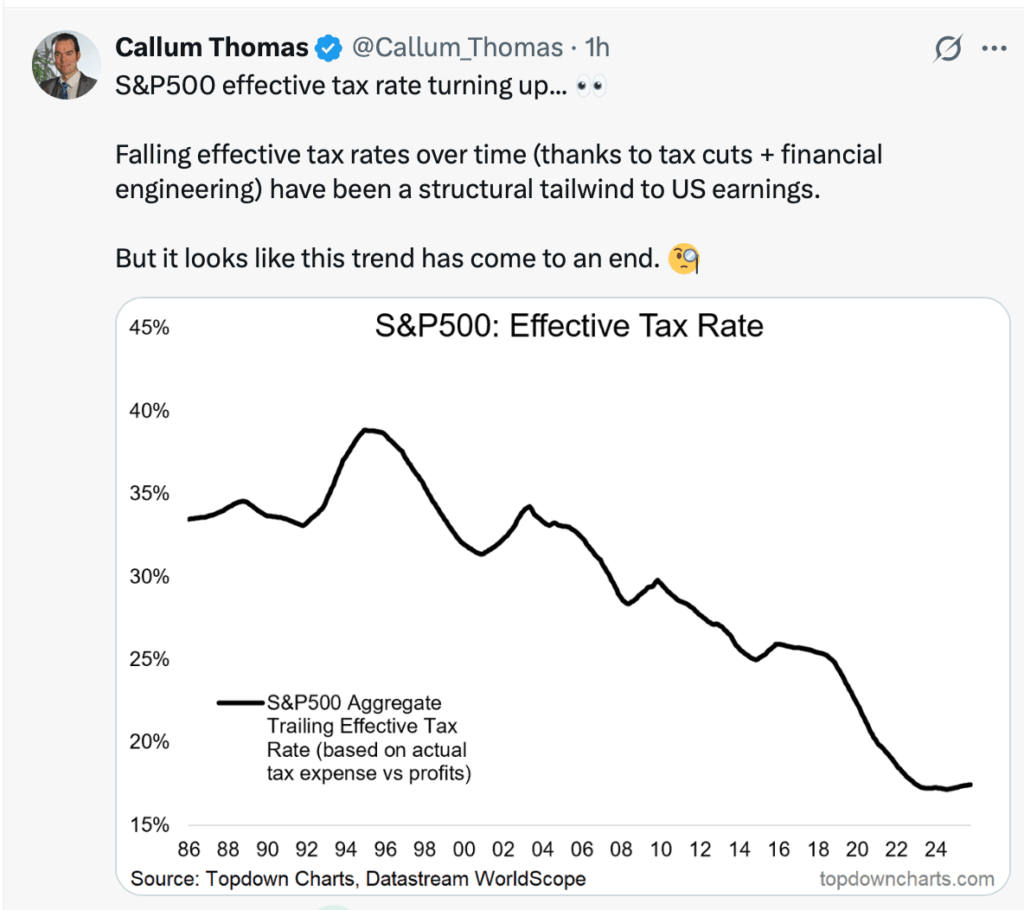
5. S&P 500 Effective Tax Rate Has Been Falling for 40 Years
Topdown Charts
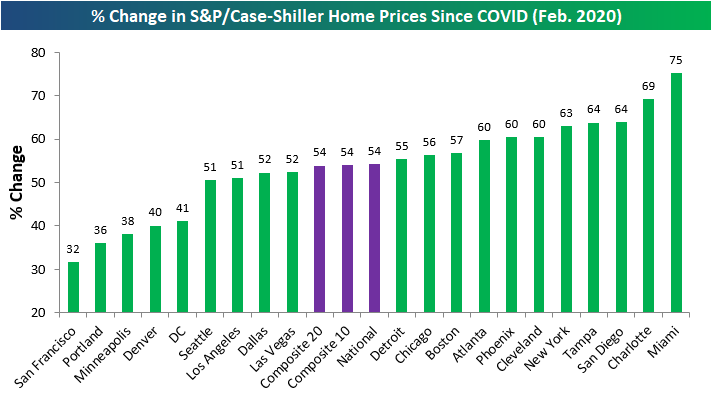
6. Housing Market Slowing But Here are Top Cities Increases Since 2020-Bespoke
Bespoke
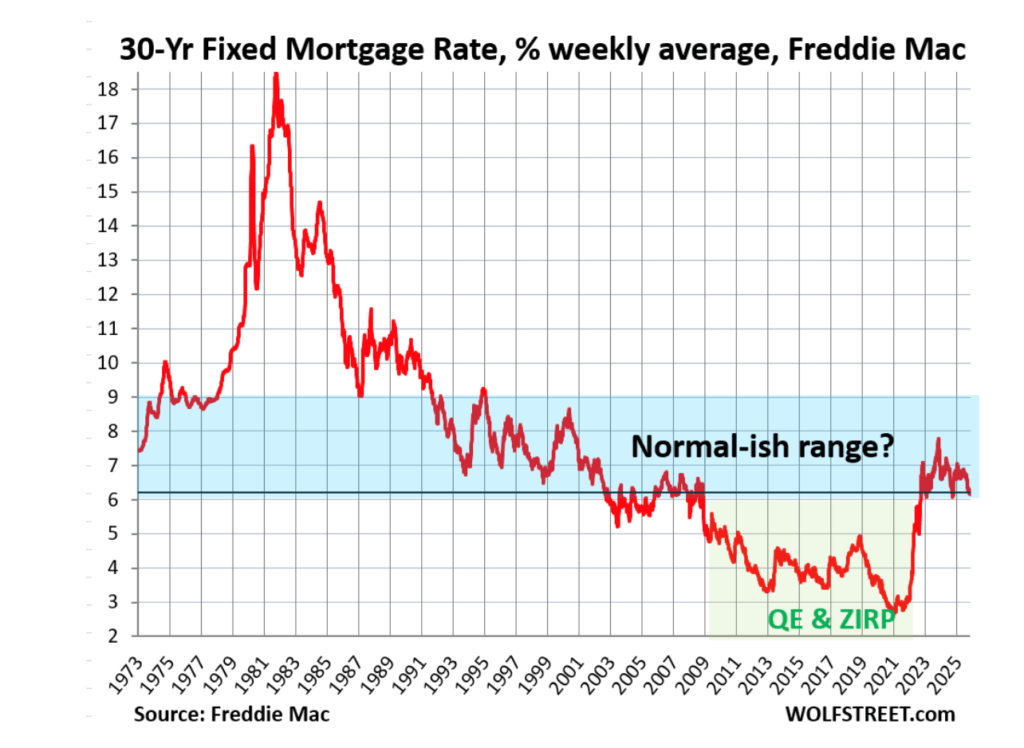
7. Motgage Rates are Normal…It’s Huge Increase in Prices and Lack of Supply
Wolf Street
8. Referral Traffic to Retail Sites from Generative AI +1200% in October…16% More Likely to Purchase-Barrons

WSJ
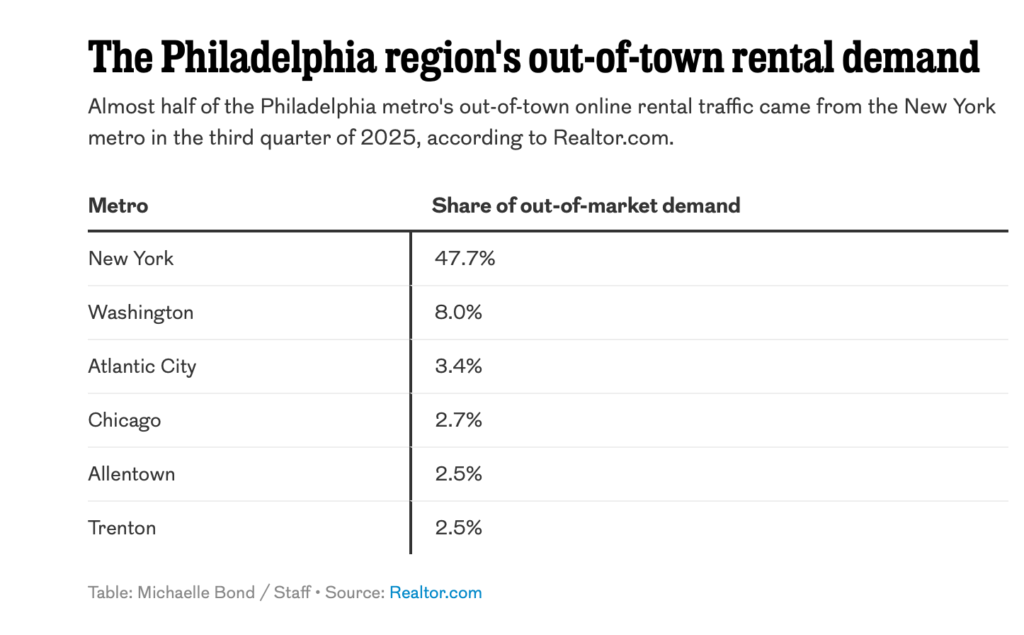
9. Philadelphia Apartment Searches Coming from NYC
The Philadelphia Inquirer
10. Lifestyle and Environmental Factors for Alzheimers
Lifestyle and Environmental Factors
Lifestyle habits and environmental exposures play an important role in brain health and may influence the risk of developing Alzheimer’s disease.
- Social Isolation: Social isolation increases the risk of dementia by up to 60 percent.
- Lack of Mental Stimulation: Low cognitive activity can accelerate mental decline, whereas mentally stimulating work is associated with a lower risk of developing dementia later in life.
- Chronic Stress: Chronic stress leads to prolonged elevated cortisol levels. High cortisol can damage the hippocampus, impair neuronal plasticity, promote neuroinflammation, and accelerate amyloid beta and tau pathology.
- Lack of Sleep: Poor or insufficient sleep may contribute to protein buildup. Most people benefit from six to eight hours of uninterrupted sleep each night.
- Unhealthy Diet: Diets high in processed foods, sugar, and unhealthy fats may raise the risk of Alzheimer’s disease by contributing to cardiovascular problems, reduced blood flow to the brain, and neuroinflammation.
- Lack of Exercise: Regular physical activity supports heart health, blood flow, and oxygen delivery to the brain, which helps maintain cognitive function.
- Excess Belly Fat: Excess abdominal fat, particularly visceral fat, promotes chronic inflammation, insulin resistance, vascular dysfunction, hormonal imbalances, and oxidative stress—all of which contribute to brain atrophy and cognitive decline.
- Nutritional Deficiencies: Lack of certain micronutrients—such as manganese, selenium, copper, and zinc, and vitamins A, B, C, D, and E—may increase Alzheimer’s risk. People with Alzheimer’s disease have also been found to have lower brain levels of lutein, zeaxanthin, and lycopene.
- Exposure to Pollutants: Higher exposure to fine particulate air pollution (PM2.5) is linked to more severe Alzheimer’s-related brain changes and greater dementia severity because these tiny particles can travel into the bloodstream and the brain, where they trigger chronic inflammation and oxidative stress.
- Exposure to Environmental Toxins: A 2020 review found that infections caused by viruses, bacteria, or fungi can trigger inflammation, which may gradually shrink brain tissue and contribute to Alzheimer’s disease.
- Nighttime Light Exposure: Greater exposure to outdoor light at night is linked to a higher risk of Alzheimer’s disease, especially in people under 65, because it disturbs the body’s natural circadian rhythm, increases inflammation, and weakens disease resistance.
- Smoking: Smoking damages blood vessels and reduces blood flow to the brain, with studies suggesting a 30 percent to 50 percent increased risk of dementia. Quitting smoking, even later in life, can lower this risk.
Genetics
Both types of Alzheimer’s disease have significant genetic components, although they are driven by different underlying causes, ranging from direct gene mutations to a complex mix of genetic and environmental risk factors.
- PSEN1 or PSEN2 Genes: Early-onset Alzheimer’s can sometimes be inherited, known as familial Alzheimer’s disease, caused by mutations in the APP, PSEN1, or PSEN2 genes. These mutations lead to the overproduction of amyloid beta, which accumulates into amyloid plaques in the brain.
- APOE Gene: The APOE gene is a well-known risk factor for late-onset Alzheimer’s. A 2024 study found that people with two APOE4 genes almost always showed Alzheimer’s-related brain changes by age 55, and most developed abnormal amyloid levels by age 65.