
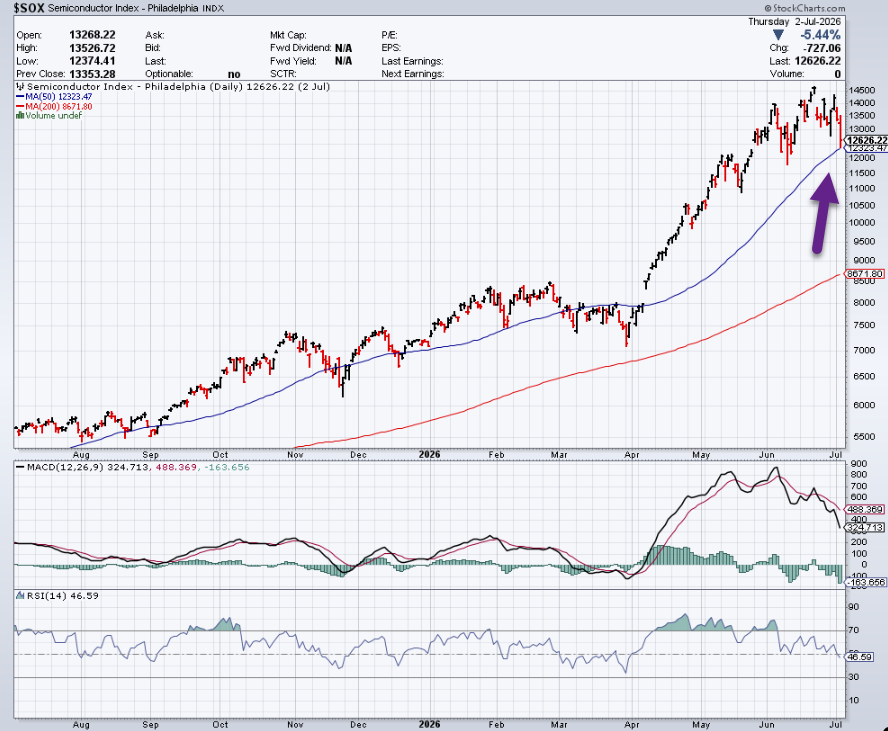
1. Semiconductors -15% from Highs…Sitting on 50 Day Moving Average
StockCharts
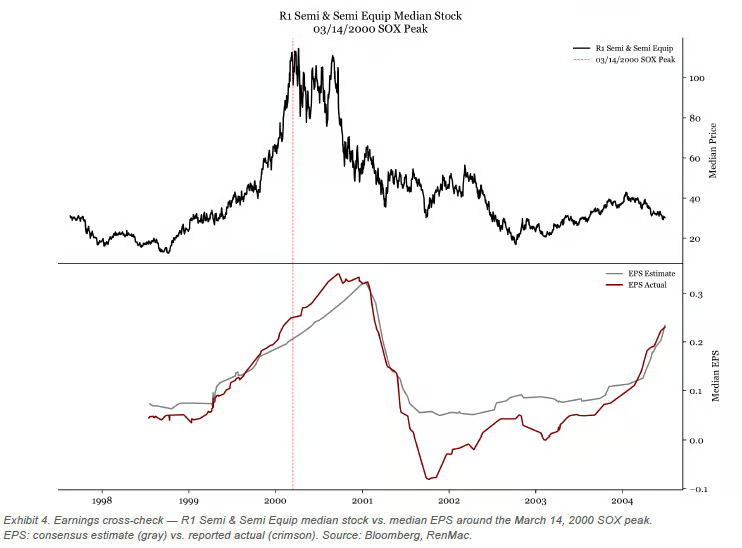
2. Semiconductor History…Stock Prices Peaked in March 2000 but Earnings Kept Rising into 2001
Dotcom Semis: EPS vs. price. “Wait for EPS to miss or downward revisions to confirm a top, and you’ll fly into the side of a mountain like 2000. Price peaked in March, EPS kept rising into 2001.”
@renmacllc
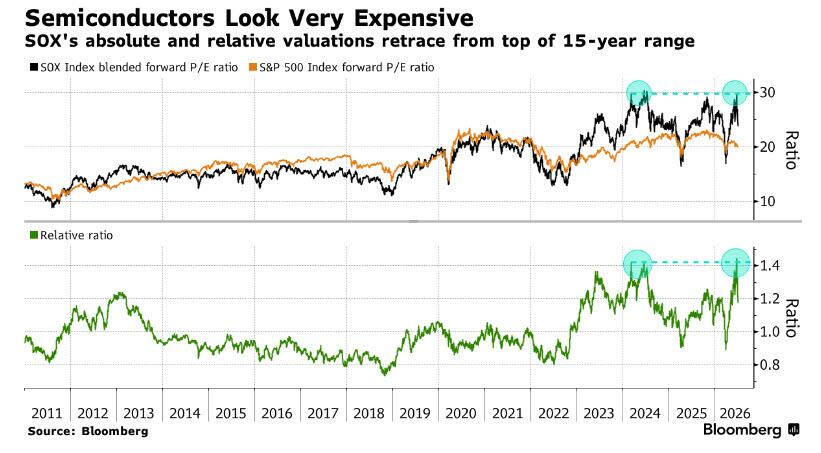
3. Semiconductors Expensive in Absolute and Relative Terms
4. First Half Performance from Global Markets….China and India Negative

MacroMicro
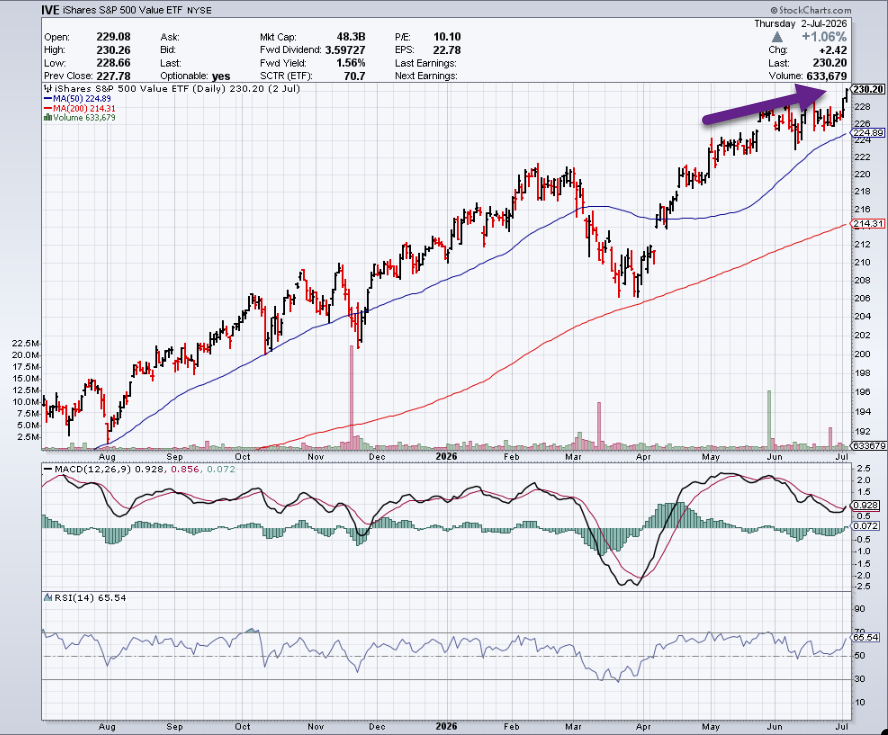
5. S&P 500 Value Breaks Out to New Highs
StockCharts
6. China Real Estate Slump Enters Year 5

Apollo
7. China Real Estate Market Erased 20-Years of Gains
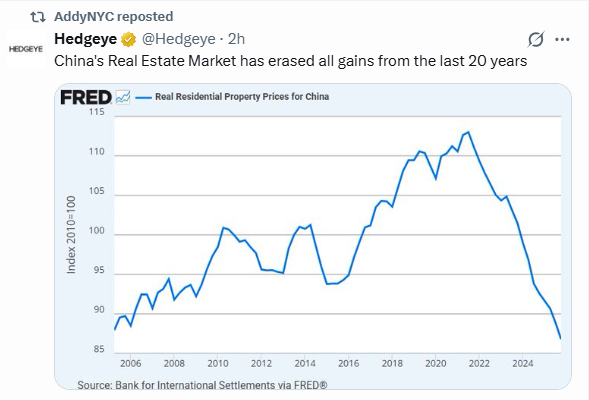
Hedgeye
8. Japan Raised Interest Rates to 1%…The Highest in 31 Years
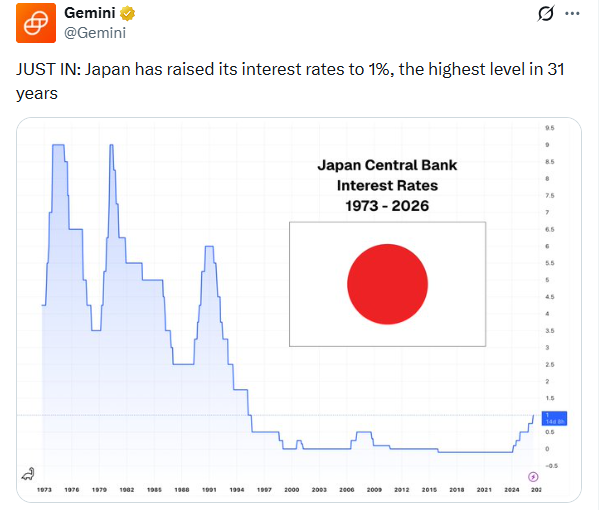
Gemini
9. Heat Deaths in Modern Day Europe

10. Printers Devils Worked 6 Days a Week 12 Hours Per Day—Benjamin Franklin (indentured servant at 12) and Mark Twain
‘Empire of Ink’ Review: Deadline Dilemmas-WSJ
Finding enough copy was a challenge for early printers. Most weeklies offered a daunting amount of space for small-town editors to fill.-By Harold Holzer
Generations before aspiring communicators began attending journalism schools, and centuries before some of them skipped formal training altogether and simply declared themselves online influencers, most future news professionals launched their careers as indentured apprentices. And they were assigned to learn not writing, but printing.
Bent over type racks 12 hours a day, six days a week, given as little food as possible by cost-conscious, sometimes abusive owner-editors, these youngsters became known as printer’s devils, originally because their hands would be stained with black ink. Yet they developed prized skills in an age when consumers demanded promptly generated information. As early as the Revolutionary War, their value to the young nation was such that the Continental Congress exempted printer’s devils from army service.
Theirs are the stories that Alex Wright, the author of “Cataloging the World” (2014) and formerly a digital designer for Google News, deploys in his captivating “Empire of Ink.” A cache of vividly written episodes that cover 250 years of newspaper publishing, the book glorifies the development of printing, and printers, from the age of the village hand press to the modern global “information ecosystem.”
As Mr. Wright reminds us, both Benjamin Franklin and Mark Twain started as printer’s devils. Franklin fled servitude in Boston and established himself in Philadelphia as an independent printer—and eventually as the philosopher-statesman-Founder we know.
A century later, before he became Mark Twain, young Sam Clemens began writing squibs between typesetting chores, later striking off on his own as a so-called tramp printer—a journeyman itinerant who briefly plies his craft in one small town before moving on to the next. Decades afterward, now the most famous writer in America, Twain remained so convinced that mechanized typesetting could revolutionize the industry that he lost a fortune investing in one fatally flawed invention.
https://www.wsj.com/arts-culture/books/empire-of-ink-review-deadline-dilemmas-a034bc31